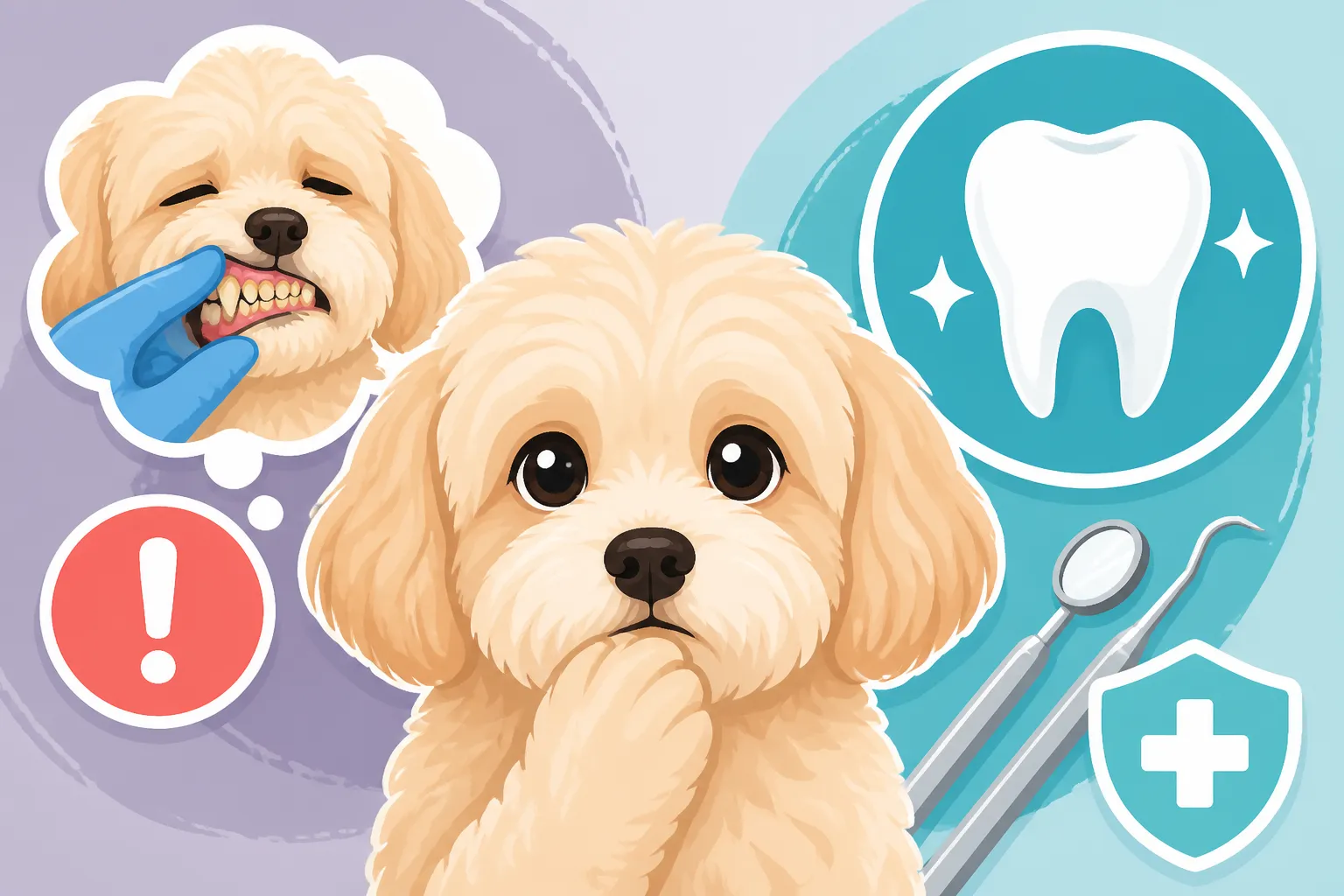
Whether a Rescue Maltipoo Needs Immediate Dental Work
Bringing home a rescue Maltipoo is an incredibly heartwarming experience, but it's also often a journey into the unknown. Many wonderful rescue dogs come with pasts that might not have included consistent veterinary care, and one of the most common, yet frequently underestimated, health issues you might face is their dental condition. This guide is here to unravel why rescue Maltipoos often need immediate dental attention and how to confidently navigate their oral health, ensuring their new life with you is as happy and healthy as possible.
Why Dental Woes Are So Common in Rescue Maltipoos
It's a tough truth, but many rescue dogs, especially smaller breeds like Maltipoos, arrive in their new homes with significant dental problems. This isn't usually due to neglect in the rescue system itself – they do their best with limited resources – but rather reflects the dog's life before rescue.
Unseen Histories and Overlooked Care
Think about it: a rescue Maltipoo's previous life could have been anything from a crowded breeding facility where individual dental care was impossible, to a home where their owners simply couldn't afford or weren't educated about the importance of regular vet visits. Unlike a broken leg or an obvious skin condition, dental disease often creeps up slowly and silently. It's not always apparent to the untrained eye, and it doesn't always cause immediate, dramatic symptoms until it's quite advanced. By the time a Maltipoo lands in a rescue, they might be carrying years of built-up plaque and tartar, gum inflammation, and even painful infections that have gone unnoticed.
Many of these smaller breeds are particularly prone to dental issues. Maltipoos inherit traits from both the Maltese and the Poodle, and unfortunately, both parent breeds can have notoriously crowded mouths. Imagine The Forty Two Teeth Crowding a Maltipoo's Jaw in a tiny space – it's a perfect recipe for food particles and bacteria to get trapped, leading to plaque, tartar, and eventually, periodontal disease. This crowding makes daily brushing even more crucial, a practice often missing in a dog's prior life.
The Silent Progression of Periodontal Disease
Dental disease doesn't just appear overnight; it's a gradual process. It starts with plaque, a sticky film of bacteria that forms on the teeth. If not brushed away, this plaque hardens into tartar. Tartar then irritates the gums, leading to gingivitis – inflamed, red, and often bleeding gums. This is reversible, but if left untreated, it progresses to periodontitis. This is where things get really serious. Periodontitis involves the infection and inflammation spreading beneath the gum line, damaging the tissues and bone that support the teeth.
In rescue Maltipoos, it's very common to see all stages of this progression. Some might have mild gingivitis, others might have multiple loose teeth, abscesses, or even bone loss in their jaw. It's not just about bad breath; these infections can enter the bloodstream and impact vital organs like the heart, liver, and kidneys. This is why addressing dental health isn't just about comfort; it's about their overall lifespan and quality of life. Whether Dental Disease Shortens a Maltipoo's Life is a very real concern, and it often starts in the mouth.
Spotting the Signs: How to Tell if Your Rescue Needs Dental Work
When you first bring your rescue Maltipoo home, you're likely overwhelmed with cuddles and getting them settled. But once the initial excitement calms, a thorough health check, including their mouth, is paramount. You might not be a vet, but you can certainly learn to spot the red flags that suggest professional dental work is needed.
Beyond Bad Breath: What to Look For
Bad breath (halitosis) is often the first, most obvious sign that something isn't right in your Maltipoo's mouth. But don't stop there! Gently lift their lips and take a good look. What you're hoping to see are clean, white teeth and pink gums. What you might find, however, is a different story.
Look for:
- Yellow or Brown Tartar Buildup: This crusty deposit is a dead giveaway. It usually starts near the gum line and can cover a significant portion of the tooth surface.
- Red, Swollen, or Bleeding Gums: These are classic signs of gingivitis or more advanced periodontal disease. Even a slight pink tinge that isn't their natural gum color can be a concern.
- Receding Gums: If the gums appear to be pulling away from the teeth, exposing the tooth roots, this indicates significant bone loss.
- Loose or Missing Teeth: This is a clear sign of advanced disease. Dogs are incredibly stoic and will often continue to eat even with painful, loose teeth.
- Pus or Discharge: Any pus around the gum line or swelling on the face, especially under the eye, could indicate an abscess, which is an emergency.
- Changes in Eating Habits: While Maltipoos are resilient, if your dog is suddenly hesitant to eat dry kibble, chews only on one side of their mouth, drops food, or shows pain when eating, it's a big red flag.
It's tempting to think, "Oh, it's just a little bit of tartar," but remember, what you see on the surface is often just the tip of the iceberg. What's happening under the gum line can be far more serious.
Behavioral Clues and Discomfort
Sometimes, the signs aren't directly in the mouth but manifest in your Maltipoo's behavior. They might become more irritable or shy away when you try to touch their face or head. Some dogs might even stop grooming themselves as meticulously if it's painful to hold a brush or comb in their mouth. You might notice them pawing at their mouth or rubbing their face on furniture or the carpet.
A subtle change in their overall demeanor, a slight decrease in energy, or a reluctance to play with their favorite chew toys can all point to underlying oral discomfort. As a rescue, they may have already learned to hide their pain, so you need to be extra observant. It's often the cumulative effect of these small clues that tells the biggest story. Remember, your vet is your best ally here. If you suspect anything, it's always worth getting a professional opinion. This initial assessment is critical to understanding Whether a Rescue Maltipoo Comes With Bad Teeth and what steps need to be taken.
The Road to a Healthy Mouth: Dental Assessment and Treatment Options
Once you've identified potential dental issues, the next step is a professional veterinary dental assessment. This is not just a quick peek in their mouth; it's a comprehensive examination that often requires anesthesia to be truly effective. Many owners feel nervous about anesthesia, especially for a small dog like a Maltipoo, but the benefits of a thorough dental cleaning often far outweigh the risks when proper protocols are followed.
The Comprehensive Veterinary Dental Exam
Your veterinarian will start with a physical exam and likely recommend pre-anesthetic bloodwork. This bloodwork is crucial, especially for rescues whose medical history might be unknown, as it helps determine if your Maltipoo's internal organs (like the liver and kidneys) are healthy enough to process the anesthetic safely. What Pre Anesthetic Bloodwork Adds for a Maltipoo is peace of mind and a critical safety measure.
Once under anesthesia, your vet can properly examine every tooth surface, probe the gum line, and take full-mouth dental X-rays. These X-rays are incredibly important because over two-thirds of dental disease occurs below the gum line, hidden from view. Without them, problems like abscesses, bone loss, or unerupted teeth would go undetected. After the assessment, the veterinary team will perform a thorough scaling, removing plaque and tartar from above and below the gum line, and then polish the teeth to smooth the surfaces, making it harder for new plaque to adhere.
Addressing Advanced Issues: Extractions and More
If the X-rays and probing reveal severe issues, such as deep pockets, significant bone loss, or abscessed teeth, extractions might be necessary. This can sound daunting, but removing painful, infected teeth provides immense relief and prevents further spread of infection. Your vet will discuss these findings with you and create a treatment plan. The cost of dental work, particularly if extractions are involved, can be a concern, but ignoring the problem will only lead to more pain for your dog and potentially higher costs down the line. What Extractions Cost on a Maltipoo can vary widely depending on the number and complexity of the teeth involved.
For these procedures, some pet parents find that pet insurance, such as Healthy Paws, can be a huge help in managing unexpected veterinary costs, although it's important to understand how their policies handle pre-existing conditions. For ongoing support, resources like Chewy offer a wide array of prescription dental diets, specialized toothbrushes, and enzymatic toothpastes specifically designed to make post-procedure care easier and more effective. You might also explore options like Ollie's fresh food meals, which can sometimes be gentler on a healing mouth and contribute to overall health.
Long-Term Oral Care: Keeping Your Maltipoo's Smile Bright
Getting your rescue Maltipoo's dental health back on track is a huge accomplishment, but it's just the beginning. Long-term preventative care is absolutely essential to maintain their newfound oral health and prevent future problems. This daily commitment will pay dividends in their overall well-being and save you money and worry in the long run.
The Power of Daily Brushing
The gold standard for preventing dental disease in dogs is daily tooth brushing. Yes, daily! Just like for humans. It might sound like a chore, but with patience and positive reinforcement, most Maltipoos can learn to tolerate, and even enjoy, having their teeth brushed. Use a pet-specific toothbrush and enzymatic toothpaste – never human toothpaste, as it can be toxic. Start slowly, letting them lick the toothpaste off your finger, then gradually introduce the brush for short sessions. Aim for at least 30 seconds on each side of their mouth. Brushing helps remove plaque before it hardens into tartar. For a detailed guide on how to approach this, check out Brushing a Maltipoo's Teeth Every Single Day.
If daily brushing truly isn't feasible, aim for every other day, and supplement with other dental hygiene methods. Remember, consistency is key. Even a few times a week is better than nothing at all.
Beyond the Brush: Other Tools and Tactics
While brushing is king, there are other tools that can support your Maltipoo's oral health:
- Veterinary Dental Diets: Your vet might recommend a prescription dental diet, available through retailers like Chewy. These foods are specifically designed with a unique kibble texture that helps scrape plaque off teeth as your dog chews, or they contain ingredients that reduce plaque and tartar formation.
- Dental Chews: Not all dental chews are created equal. Look for chews that are specifically VOHC (Veterinary Oral Health Council) approved. These products have been scientifically proven to reduce plaque and/or tartar. Be cautious with hard chews or bones that could potentially fracture teeth, especially in smaller breeds.
- Water Additives: Some water additives contain ingredients that help reduce bacteria in the mouth. While not a substitute for brushing, they can be a helpful addition to your routine.
- Regular Vet Check-ups: Even with the best home care, professional dental cleanings may still be necessary periodically, often every one to two years for small breeds. Your vet will assess their mouth during their annual check-up to determine the best schedule. Understanding How Often a Maltipoo Needs a Dental is crucial for proactive care.
It's a common misconception that dental chews alone are enough, but for many Maltipoos, they're simply a supplement to a comprehensive dental care plan. By combining daily brushing with appropriate dental products and regular veterinary oversight, you can ensure your rescue Maltipoo enjoys a happy, pain-free smile for years to come.
Dental Health and Overall Quality of Life
Addressing dental issues in your rescue Maltipoo isn't just about their teeth; it profoundly impacts their entire quality of life. Imagine living with a constant toothache or gum pain – it would make every meal a struggle, every interaction uncomfortable. Our dogs feel the same way, even if they can't tell us in words.
The Systemic Impact of Oral Disease
We touched on this earlier, but it bears repeating: the bacteria from severe dental disease don't stay confined to the mouth. They can travel through the bloodstream and lodge in distant organs, leading to serious systemic health problems. Heart valve infections, kidney disease, and liver issues can all be exacerbated or even initiated by unchecked periodontal disease. This is why when your vet emphasizes dental health, it's not just about a cosmetic issue or bad breath; it's about protecting your Maltipoo from potentially life-threatening complications down the road.
A Maltipoo free from dental pain is a happier, more energetic dog. They'll enjoy their meals more, be more playful, and generally have a better disposition. Investing in their dental health now is an investment in their happiness and longevity. It allows them to fully enjoy their new life with you, free from a constant source of discomfort.
Prevention is Always Better (and Cheaper) than Cure
While the initial dental work for a rescue Maltipoo might seem expensive, consider it a foundational investment. Neglecting dental health almost invariably leads to more significant, more painful, and far more costly interventions in the future. Regular brushing and professional cleanings can prevent the need for multiple extractions, abscess treatments, and potentially managing organ damage caused by bacterial spread. What a Routine Maltipoo Dental Runs is a planned expense, whereas emergency extractions due to severe infection are often unexpected and more substantial.
Taking responsibility for your rescue Maltipoo's dental health is one of the most loving things you can do. It's about giving them the fresh start they deserve, a life free from pain, and a long, joyful companionship with you.
Disclaimer
This article is for general informational purposes only and does not constitute professional advice. Laws, prices and regulations vary by location and change over time. Consult a qualified professional for guidance on your specific situation.