Whether Adopting a Maltipoo Costs Less
Many prospective Maltipoo owners dream of bringing home a fluffy companion but quickly become overwhelmed by the staggering prices often quoted by breeders. The thought naturally arises: could adopting a Maltipoo from a rescue save a significant amount of money? This guide will delve into the financial realities of adopting a Maltipoo, comparing initial costs, potential long-term expenses, and the unique benefits and challenges that come with welcoming a rescue dog into your home.
The Upfront Financials: Adoption Fees Versus Breeder Prices
When considering bringing a Maltipoo into your life, the first financial hurdle many people encounter is the initial cost. There's a common perception that adoption is unequivocally cheaper than purchasing from a breeder, and while often true, it's worth a detailed look at what these upfront costs entail for each path. Understanding what your money covers can help you make an informed decision that aligns with your budget and values.
Adoption Fees: What They Typically Cover
Adoption fees for Maltipoos from reputable rescues can vary widely depending on the organization, location, and the dog's age or specific needs, but they are almost universally lower than the purchase price from a breeder. When you pay an adoption fee, you're not just acquiring a dog; you're contributing to the rescue's vital work and often covering a substantial portion of the expenses already incurred for that specific animal. These fees typically include critical veterinary care such as spaying or neutering, which is a significant cost in itself for a new puppy owner. Many rescues also ensure the dog is up-to-date on all vaccinations, dewormed, microchipped, and has received a general health check by a veterinarian. This comprehensive initial care can save new owners hundreds, if not thousands, of dollars right out of the gate.
Beyond the immediate medical needs, adoption fees often subsidize other costs associated with rescue operations. This includes housing, high-quality food, behavioral assessments, and even specialized training for dogs that need a little extra help adjusting. Rescues often operate on thin margins, relying on donations and these fees to continue their mission of saving animals. So, while you're adopting a loving companion, you're also supporting an ethical cause, which is a wonderful feeling. You might find more detail on this topic in our article on What a Maltipoo Rescue Charges in Adoption Fees.
Comparing Breeder Prices to Rescue Fees
When you look at the typical cost of a Maltipoo from a reputable breeder, you're often staring at a price tag that ranges from several hundred to several thousand dollars. This figure varies based on factors like the breeder's reputation, location, the puppy's lineage, and whether it's advertised as a "teacup" size, which can often command a significant premium. Ethical breeders will argue their prices reflect the significant investment in health testing parents, providing quality care for the dam and sire, and early socialization for the puppies. While this should be true for responsible breeders, these costs are always passed directly to the buyer.
In contrast, a rescue adoption fee for a Maltipoo might be a fraction of that, perhaps a few hundred dollars. This stark difference in the initial outlay is often the primary motivator for people considering adoption. It’s important to remember that the higher breeder price rarely includes spaying/neutering or even a full set of vaccinations, meaning those significant costs will still be added to your total immediately after purchase. So, while a breeder might offer a "health guarantee," the immediate financial burden remains much heavier than with a rescue where much of that initial work has already been done for you.
Initial Vet Care Often Included in Adoption
One of the most appealing financial aspects of adopting a Maltipoo is the amount of initial vet care that's frequently bundled into the adoption fee. Imagine bringing home a new puppy and immediately needing to budget for spay/neuter surgery, multiple rounds of vaccinations, microchipping, and perhaps even a fecal test for parasites. These expenses add up rapidly, potentially running into hundreds or even over a thousand dollars in the first few months, a considerable sum to face right after bringing a new pet home.
Rescue organizations, however, typically ensure all these crucial steps are completed before the dog is adopted out. This means your adopted Maltipoo will likely arrive at your home already fixed, fully vaccinated, microchipped, and given a general health check by their vet. This isn't just a convenience; it's a massive financial relief that lets you breathe a little easier during those first few weeks. It allows you to focus your initial budget on essentials like high-quality food, a comfortable bed, and engaging toys, rather than being immediately hit with hefty, unexpected vet bills. This early investment by the rescue sets both you and your new companion up for a healthier, less financially stressful start.
Understanding the Health Status of Rescue Maltipoos
While adoption can certainly save you money upfront, it's crucial to approach the process with open eyes and a full understanding that rescue dogs, particularly those who have been surrendered or found as strays, might come with unknown health histories or pre-existing conditions. This isn't always the case, and many rescue dogs are perfectly healthy, but it's a possibility you need to be prepared for, both emotionally and financially. Responsible adoption means being ready for all scenarios.
Common Health Issues in Rescue Maltipoos
Maltipoos, like any breed (or crossbreed), are susceptible to certain health issues, many of which are inherited from their Maltese or Poodle parentage. In a rescue scenario, these conditions might not have been diagnosed or treated prior to the dog entering the rescue system, especially if the dog came from a less-than-ideal situation like a puppy mill or an owner who couldn't afford proper veterinary care. Common issues include dental disease, which is rampant in small breeds and can lead to significant pain and infection if left untreated. You can find more information on this in our article, Whether a Rescue Maltipoo Comes With Bad Teeth.
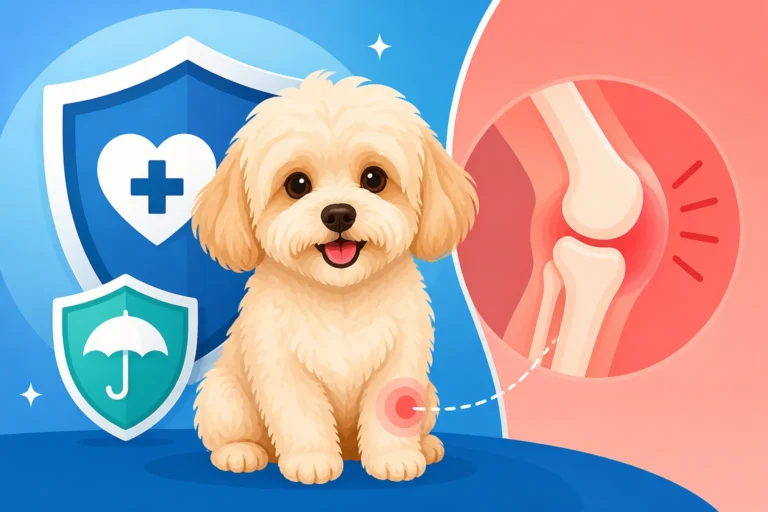
Other concerns could be Slipping Kneecaps in a Maltipoo (patellar luxation), which can range from mild to severe, sometimes requiring surgery. Eye conditions like progressive retinal atrophy or cataracts from the Poodle side, or tear duct problems from the Maltese, might also be present. Less common but serious issues like The Liver Shunt a Maltipoo Can Inherit From the Maltese or White Shaker Syndrome could also be a concern. Rescues usually perform a basic vet check and address immediate needs, but some conditions only become apparent with age or more specialized diagnostics that are beyond the scope of a basic intake exam.
The Cost of Addressing Pre-Existing Conditions
If your adopted Maltipoo does have a pre-existing condition, the cost of treatment can quickly diminish, or even outweigh, the initial savings of the adoption fee. For example, a severe case of dental disease might require multiple extractions, which can be an expensive procedure performed under anesthesia. Patellar luxation surgery can run into the thousands of dollars per knee, and many Maltipoos can be affected in both hind legs. These are not minor expenses and can be a financial shock if you're not prepared.
It's vital to discuss any known health issues with the rescue organization before adoption and to understand what their medical records indicate. While some rescues might have started treatment for known conditions, others may only be able to provide a diagnosis, leaving the ongoing treatment costs to the adopter. This is where pet insurance, such as policies from providers like Healthy Paws, can be incredibly valuable, though it’s important to note that most policies will exclude pre-existing conditions. It's crucial to enroll your pet in insurance as early as possible to cover new conditions that may arise after adoption.
The Importance of a Thorough Health Assessment
Before finalizing an adoption, it's always a good idea to arrange for your prospective Maltipoo to have a thorough health assessment by your own trusted veterinarian. This pre-adoption vet visit, even if it incurs a small fee, can provide invaluable peace of mind and potentially flag any serious health concerns that the rescue might have overlooked or not had the resources to fully investigate. This independent evaluation is a critical step in responsible pet ownership.
Your vet can perform a comprehensive physical exam, check for murmurs, assess joint health, and discuss any concerns based on the dog's history provided by the rescue. They can also advise on potential future health risks specific to the Maltipoo breed. Having this professional opinion can help you make an informed decision and prepare financially for any medical needs that might arise. Don't be shy about asking the rescue for all available medical records to share with your vet; transparency is key in ensuring a successful adoption for both you and the dog.
Ongoing Expenses for an Adopted Maltipoo
Regardless of whether you adopt or buy from a breeder, a Maltipoo comes with a set of ongoing expenses that will be a significant part of your budget for the next ten to fifteen years of their life. These are the costs that adoption savings might help you absorb initially, but they are a constant factor in responsible pet ownership and don't disappear just because you saved on the upfront price.
Food and Supplies for an Adopted Dog
Feeding a Maltipoo might not seem like a huge expense due to their relatively small size, but quality food is essential for their health and longevity. They need appropriate small-breed formulas, and if you choose a premium brand or fresh food options like Ollie, the cost can add up over time. Remember, feeding a small dog like a Maltipoo accurately means Feeding a Six Pound Maltipoo by the Ounce, Not the Scoop to ensure they get the right nutrition without overfeeding, which can lead to obesity and related health issues.
Beyond food, you'll need regular supplies: treats for training and rewards, a variety of engaging toys, a comfortable and appropriately sized bed, a properly fitted harness (especially important for Maltipoos prone to Collapsing Trachea in a Maltipoo's Neck as collars can put pressure on their delicate windpipes), leashes, and waste bags. These are recurring costs that every dog owner faces throughout their pet's life. Shopping at online retailers like Chewy can often help you find competitive prices and convenient delivery for these necessities, keeping your Maltipoo well-stocked and happy without constant trips to the pet store.
Grooming Needs for a Rescue Maltipoo
Maltipoos inherit a non-shedding coat from both their Maltese and Poodle parents, which is great for allergy sufferers but demands significant and consistent grooming attention. This is an expense that many new owners underestimate, often leading to problems down the line. Their soft, often wavy or curly coat mats easily without regular attention, picking up debris and tangling quickly. This means professional grooming every 6-8 weeks is a must for most Maltipoos, which can range from The Fifty to Eighty Dollar Maltipoo Groom or more, depending on your location, the groomer's services, and the condition of your dog's coat.
Between professional grooms, you'll need to commit to daily or every-other-day brushing and combing at home to prevent painful mats, especially in high-friction areas like behind the ears, armpits, and where the legs meet the body. You'll also need to keep their face trimmed to prevent hair from irritating their eyes and causing tear stains. Neglecting grooming not only leads to discomfort for your dog but can result in expensive "dematting" fees or even a full shave-down at the groomer, which is stressful for the dog and leaves them vulnerable to temperature changes.
Insurance Considerations for an Older or Rescue Dog
Pet insurance is a critical tool for managing unexpected veterinary costs, and it's something to seriously consider for an adopted Maltipoo, especially if they are older or have a less-than-perfect health history. While most insurance policies, including those from providers like Healthy Paws, won't cover conditions diagnosed before your policy starts (pre-existing conditions), they will cover new illnesses and accidents that arise after enrollment and waiting periods. This can be a lifesaver if your adopted Maltipoo develops something new down the line, such as an injury or a new health condition.
The cost of insurance premiums can vary based on the dog's age, breed, and your geographical location. Older dogs, and those with a documented history of certain conditions (even if those specific conditions are excluded), might have higher premiums or limited coverage options. It's wise to get quotes from several providers and understand exactly what is covered and what isn't, including deductibles and reimbursement percentages. Protecting yourself against a sudden, major vet bill, such as a broken leg, an emergency illness, or even significant dental work, can save you far more than the monthly premium. You might also want to look into Insuring a Maltipoo Before Its Knees Go for proactive planning.
The Emotional and Time Investment in a Rescue
While the financial aspect is a major consideration, bringing an adopted Maltipoo into your home involves a significant emotional and time commitment that goes beyond dollars and cents. Rescue dogs often have unique needs stemming from their past experiences, and addressing these requires patience, understanding, and a willingness to invest your heart as much as your wallet.
Addressing Behavioral Challenges
Many rescue Maltipoos come with unknown histories, and some may have experienced neglect, trauma, or a lack of early socialization. This can manifest as behavioral challenges that require patience, understanding, and consistent positive reinforcement training. Common issues might include separation anxiety (especially since Maltipoos thrive on companionship and can struggle when left alone), house-training difficulties (which can take How Long House Training a Maltipoo Actually Takes for any Maltipoo, let alone a rescue with past inconsistencies), fearfulness, or leash reactivity.
Addressing these behaviors takes time and dedication. You might need to invest in positive reinforcement training classes or even work with a certified professional behaviorist to gently guide your Maltipoo towards confidence and good manners. While these services have costs associated with them, the real investment is your time and emotional energy. It's a profound commitment to helping your dog overcome their past and build confidence in their new life, allowing them to truly thrive.
The Adjustment Period for a Rescue
Every rescue dog goes through an adjustment period when they enter a new home, often referred to as the "3-3-3 rule" (3 days to decompress, 3 weeks to learn the routine, 3 months to feel at home). This can be a few days, a few weeks, or even a few months. During this time, your Maltipoo will be learning your routines, understanding the new rules and boundaries, and building trust with you. They might be quiet and withdrawn at first, seeming almost aloof, or they might display some nervous behaviors like pacing or excessive barking.
It's important to provide a calm, predictable environment and give them space and time to decompress without overwhelming them. This might mean crating them initially, setting up a safe space just for them with their own bed and water bowl, and introducing them slowly to other pets or children in the household. Patience is absolutely key here. Remember that their world has just been turned upside down, potentially multiple times, and it will take time for them to feel secure and truly settle in. This period requires a significant emotional investment from you, as you navigate their quirks and provide consistent reassurance. If you are worried about leaving your Maltipoo home alone, our article Whether a Maltipoo Copes With an Empty House might offer some useful perspectives.
The Rewards of Rescuing a Maltipoo
Despite the potential challenges and the emotional investment required, the rewards of adopting a Maltipoo are profound and deeply enriching. You are quite literally saving a life and giving a deserving dog a second chance at happiness and a loving forever home. Many rescue Maltipoos are incredibly grateful for their new circumstances and form exceptionally strong, loyal bonds with their new families, often displaying immense affection and devotion.
Beyond the emotional fulfillment, adopting can also lead to a dog that is already past the challenging puppy stage, potentially house-trained, and with some basic manners already established, especially if they were in a foster home. While not guaranteed, an adult rescue might be a calmer, more settled companion than a rambunctious puppy that requires constant supervision and training from scratch. The feeling of making such a positive difference in an animal's life is something that money simply cannot buy, and it often far outweighs any initial anxieties or challenges you might encounter. This unique bond is truly priceless.
Finding Reputable Maltipoo Rescues and the Adoption Process
If you're committed to adopting a Maltipoo, knowing where to look and what to expect from the adoption process is crucial to a successful experience. It's not always as simple as picking out a puppy from a litter, but the due diligence and patience you put in will almost certainly pay off in the long run with a wonderful companion.
Where to Look for Adoptable Maltipoos
Finding a Maltipoo in rescue requires a bit of detective work, as they are not a "breed" recognized by major kennel clubs, and therefore dedicated Maltipoo-only rescues are quite rare. Your best bet is to look at Maltese or Poodle-specific rescues, as Maltipoos are a cross of these two breeds and often find their way into breed-specific organizations. Many "doodle" rescues will also take in Maltipoos due to their Poodle heritage. Additionally, general small breed rescues or local animal shelters often have Maltipoos, or mixes that closely resemble them, available for adoption.
Websites like Petfinder and Adopt-a-Pet are excellent national resources that aggregate listings from various rescues and shelters across the country. You can set up alerts for Maltipoos or Maltese/Poodle mixes within a reasonable travel distance from your home. Don't limit your search to just "Maltipoo"; sometimes they are listed under "Maltese mix," "Poodle mix," or simply "terrier mix" or "designer breed mix." Be prepared to be patient; high-demand designer breeds like Maltipoos are often adopted quickly when they become available.
The Application and Interview Process
Reputable rescues have a thorough application and interview process designed to ensure their dogs go to suitable, loving, and permanent homes. This isn't meant to be an interrogation, but rather a responsible vetting process to ensure the best match between dog and family. You'll likely be asked to fill out a detailed application form covering your living situation, work schedule, pet history, and how you plan to care for the dog. They want to know your home is a good fit and that you understand the responsibilities involved.
Following the application, expect a phone interview, and potentially a home visit (either virtual or in-person). This allows the rescue to get to know you better, answer your questions, and offer advice tailored to your household. They might ask about your experience with small dogs, your plan for grooming, and how you'd handle common Maltipoo traits like their need for companionship or potential house-training quirks. They're looking for commitment and a realistic understanding of dog ownership, always keeping the dog's welfare as their top priority.
What to Ask a Rescue Before Adopting
Being prepared with insightful questions when you speak with a rescue can help you make an informed decision and spot a truly reputable organization. Don't be afraid to ask for detailed information about the specific Maltipoo you're interested in; a good rescue will appreciate your thoroughness. Here’s a guide to important questions to ask:
| Category | Specific Questions | Why It Matters |
|---|---|---|
| Health | What is the dog's full health history, including vet records? | To understand any pre-existing conditions and potential future medical needs. |
| Has the dog been spayed/neutered, vaccinated, and microchipped? | These are standard procedures and often included in the adoption fee. | |
| Are there any known medical conditions or medications the dog is currently on? | To assess potential ongoing veterinary costs and care requirements. | |
| What kind of food are they currently eating, and are there any dietary restrictions? | To ensure a smooth transition and understand specific dietary needs. | |
| Behavior | What is known about the dog's temperament and personality? | To ensure a good match with your household and lifestyle. |
| How do they interact with children, other dogs, or cats? | Crucial information for homes with existing pets or kids. | |
| Are there any known behavioral issues (e.g., anxiety, house-training, leash pulling)? | To gauge the level of training and patience required for successful integration. | |
| What is their history (if known)? How did they come into the rescue? | Provides insight into potential triggers, past trauma, or specific needs. | |
| Logistics | What is the adoption fee, and what exactly does it cover? | To confirm the financial commitment and what services are included in the price. |
| What is the rescue's return policy if the adoption doesn't work out? | A reputable rescue will always commit to taking a dog back if the placement doesn't work out. | |
| Are there any post-adoption support or resources available? | Some rescues offer guidance, training advice, or medical support after adoption. |
Asking these questions demonstrates your commitment and helps you gather all the necessary information to make the best decision for everyone involved, ensuring a happy and healthy future for your adopted Maltipoo.
Long-Term Financial Considerations for an Adopted Maltipoo
While adoption often boasts lower upfront costs, the long-term financial commitment for a Maltipoo, adopted or otherwise, remains substantial. Thinking about the full journey with your furry friend, potentially for The Twelve to Fifteen Years a Maltipoo Lives, is vital. These are the expenses that will recur year after year, forming the true financial picture of pet ownership.
Senior Maltipoo Care Costs
As Maltipoos age, just like humans, their healthcare needs tend to increase. An adopted Maltipoo, especially if already an adult or senior when you welcome them, might enter this phase of life sooner. Senior dogs often require more frequent vet check-ups, specialized diets to support aging organs, and potentially daily medication for age-related conditions. These could include arthritis, vision or hearing loss (such as Whether an Old Maltipoo Goes Blind or Deaf First), or even more serious conditions like kidney disease, heart murmurs, or diabetes.
These additional vet visits, diagnostic tests (like blood panels and X-rays), and ongoing prescriptions can significantly impact your monthly budget. It’s not uncommon for senior pet care to be the most expensive phase of a dog's life. Budgeting for these eventualities or having a robust pet insurance plan (even if it won't cover pre-existing senior conditions, it can cover new ones that arise) is a responsible step to ensure your beloved Maltipoo receives the best possible care throughout their golden years.
Unexpected Medical Bills and Emergency Funds
Beyond routine care and potential senior needs, every dog owner faces the possibility of unexpected medical emergencies. A sudden illness, an accidental injury (such as Whether a Maltipoo Breaks Its Leg Easily due to their delicate bone structure), or an urgent dental issue can lead to substantial veterinary bills overnight. For instance, an emergency visit for a sugar crash in a tiny puppy (hypoglycemia) can be shocking. You might be surprised to learn What an Emergency Sugar Crash Costs a Maltipoo Owner if you haven't experienced it before.
Having an emergency fund specifically for your pet is highly advisable. This could be a dedicated savings account or a low-interest credit line readily available. Relying solely on pet insurance for emergencies is often effective, but remember those waiting periods and deductibles that apply before coverage kicks in. A combination of insurance and a small emergency fund provides the best safety net against the unpredictable nature of pet health crises. While adopting can save money initially, it doesn't eliminate the need for financial preparedness for the unpredictable nature of pet ownership.
Budgeting for a Lifetime of Care
When you welcome a Maltipoo into your home, you're signing up for a lifetime commitment that extends far beyond the initial adoption fee or purchase price. Over a decade or more, the cumulative cost of quality food, delicious treats, engaging toys, comfortable beds, essential leashes and harnesses, routine vet visits, vaccinations, professional grooming, potential training classes, and pet sitting or boarding for when you travel, can easily add up to tens of thousands of dollars. Our article The Full Cost of Fifteen Years With a Maltipoo highlights just how much this can be, and it’s a figure that often surprises new owners.
Even if you save money on the adoption fee, you'll still be responsible for all these ongoing expenses. The joy, companionship, and unconditional love a Maltipoo brings into your life are truly priceless, but it's absolutely essential to approach pet ownership with a realistic and prepared understanding of the financial responsibilities involved. Adopting can certainly make the initial step of bringing a pet home more accessible, but a truly responsible owner plans for the entire journey, ensuring they can provide a loving, healthy, and financially stable home for their Maltipoo for their entire life.
Disclaimer
This article is for general informational purposes only and does not constitute professional advice. Laws, prices and regulations vary by location and change over time. Consult a qualified professional for guidance on your specific situation.