A Maltipoo Introduced to a Dog Ten Times Its Size
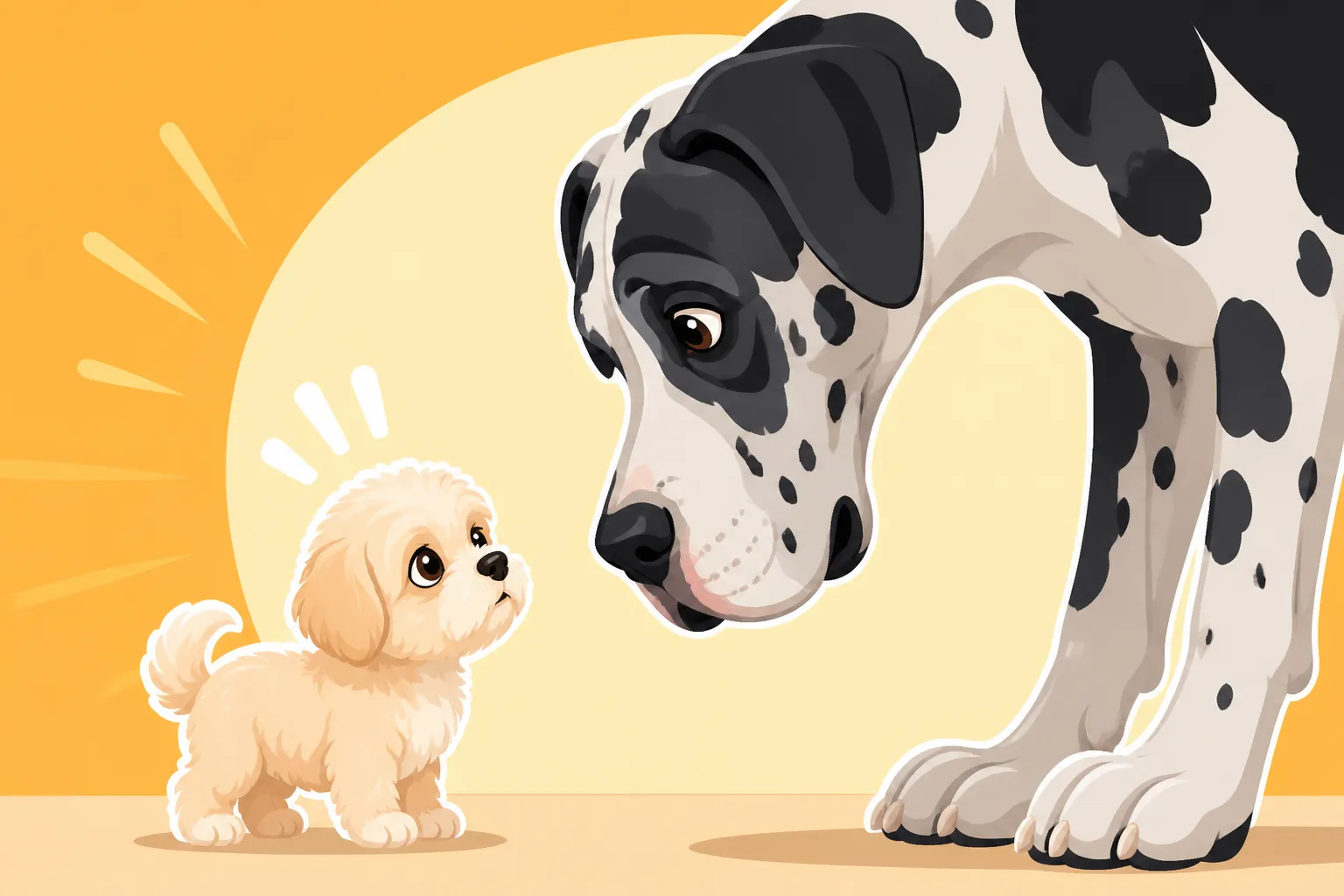
The thought of introducing your tiny, delicate Maltipoo to a dog that's ten times its size can feel absolutely terrifying. You worry about accidental bumps, enthusiastic play that turns dangerous, or even just the sheer intimidation factor for your little companion. It’s a very real concern for many Maltipoo owners, and this guide is here to walk you through how to navigate these introductions safely and foster a harmonious relationship, ensuring both dogs feel secure and happy.
Understanding the Dynamics of Size Disparity
Bringing together a Maltipoo, which might weigh anywhere from 4 to 10 pounds, and a larger dog, perhaps a Labrador, German Shepherd, or even a Golden Retriever at 40 to 80 pounds, presents a unique set of challenges. It's not just about the size difference itself, but how that impacts everything from communication to physical safety. Ignoring these dynamics can lead to stress, fear, or even serious injury for your smaller dog, and nobody wants that.
Why Size Matters So Much for Maltipoos
For a Maltipoo, their small stature isn't just a visual trait; it dictates their entire experience of the world. A playful nudge from a large dog that’s meant as an invitation to chase can easily send a Maltipoo tumbling, potentially leading to injuries like strains, sprains, or even fractures. Their bones, while perfectly healthy for their size, are simply not built to withstand the force of a dog many times their weight. Think about it: a human casually bumping into another human is one thing, but that same human bumping into a toddler can have much more serious consequences. The ground is further away, a playful nip can cause real harm, and even a happy tail wag can be a surprising impact. This fragility means every interaction needs careful consideration and management. Whether a Maltipoo Can Be Injured by a Fall is a testament to how easily these little ones can get hurt, and a large dog's unexpected movement is no different from a fall.
Beyond physical vulnerability, there's also the psychological impact. A huge dog bounding towards them can be incredibly frightening for a tiny Maltipoo, triggering a prey drive in some larger dogs (though often unintentional), or at the very least, causing significant stress and anxiety. Your Maltipoo might become withdrawn, aggressive out of fear, or develop an aversion to other dogs entirely if their initial experiences are negative. It's crucial to protect them from both physical harm and emotional trauma, creating an environment where they can build confidence.
Temperament Considerations for Both Dogs
The individual temperaments of both dogs involved are paramount. Not all large dogs are gentle giants, and not all small dogs are timid. You might have a boisterous Maltipoo who thinks they can take on the world, and a placid larger dog who wouldn't hurt a fly, or vice-versa. Understanding these personalities is your first step. A Poodle's intelligence and desire to please, often seen in Maltipoos, might make them more amenable to training and polite interactions. However, the Maltese side can sometimes bring a touch of stubbornness or a "big dog in a small body" attitude, which needs to be managed carefully. What the Maltese Puts Into a Maltipoo's Character and What the Poodle Puts Into a Maltipoo's Character offer insight into these foundational traits.
For the larger dog, you need to assess their play style, their history with smaller animals, and their overall impulse control. Is this a dog known for being rough, or are they generally calm and careful? Do they understand social cues from smaller dogs? Have they ever lived with small dogs before? If the larger dog has a high prey drive or a tendency to play very physically, even if not aggressive, extra precautions will be needed. Conversely, a very shy or anxious large dog might also pose a challenge, as their reactions could be unpredictable. Ideally, you want a larger dog who is either naturally gentle or has been specifically trained to interact calmly with smaller dogs.
Reading Body Language in a Mixed-Size Pair
Learning to read canine body language is your superpower when introducing dogs, especially with a significant size difference. Both dogs will be communicating constantly, and you need to understand what they’re saying to intervene if necessary. Signs of stress or discomfort in your Maltipoo might include a tucked tail, flattened ears, lip licking, yawning (out of context), whale eye (showing the whites of their eyes), shivering, or trying to hide. They might also growl or snap out of fear, which should not be mistaken for aggression but rather a plea for space.
For the larger dog, look for signs of arousal or over-excitement, such as stiff body posture, direct staring, raised hackles, incessant sniffing, or relentless nudging. A relaxed large dog will have loose body language, soft eyes, a relaxed mouth, and will often offer appeasement gestures like looking away or sniffing the ground. You want to see loose, curving body movements, not stiff, rigid ones. Any sign of discomfort or escalating tension, from either dog, means it's time to create more distance and give them a break. Don't push them past their comfort zone.
Here's a quick guide to what to look for:
| Dog's Behavior | Possible Meaning (Maltipoo) | Possible Meaning (Large Dog) | Action Required (Both) |
|---|---|---|---|
| Tucked tail, flattened ears | Fear, anxiety, submission | Discomfort, uncertainty | Increase distance, reassure, separate if persistent |
| Lip licking, yawning | Stress, appeasement | Stress, appeasement | Observe closely, slow down interaction |
| Stiff body, direct stare | Fear-based aggression, challenge | High arousal, intent | Immediately interrupt, separate, redirect focus |
| Whale eye | Anxiety, discomfort | Mild stress | Create space, reduce intensity |
| Freezing | Fear, uncertainty | Intense focus, potential prey drive | Break eye contact, redirect, remove if necessary |
| Loose, wiggly body | Happy, playful, comfortable | Happy, playful, comfortable | Continue supervision, allow gentle interaction |
| Play bow, relaxed open mouth | Invitation to play | Invitation to play | Monitor closely, ensure play remains appropriate |
| Sniffing the ground | De-escalation, displacement | De-escalation, relaxed | Good sign, indicates lowering arousal |
Essential Preparations for a Smooth Introduction
Preparation is key when you're introducing dogs, especially when one is considerably smaller. You can't just throw them together and hope for the best. A little planning goes a long way in setting both dogs up for success and minimizing stress for everyone involved. Think of it like preparing for a delicate diplomatic meeting – every detail matters.
Securing Your Space for Safety
Before the dogs even meet, you need to create a physically safe environment. This means having control over the space and the dogs at all times. Use baby gates or sturdy indoor barriers to create separate zones within your home. This allows the dogs to exist in the same environment, experiencing each other's scents and sounds, without direct physical interaction. For your Maltipoo, a secure playpen or a What a Maltipoo's Harness, Bed and Carrier Cost carrier can be invaluable in providing a safe haven where they can feel protected but still observe.
Clear away any potential hazards. Small toys, food bowls, or even favorite blankets can become points of contention or trigger resource guarding behaviors, particularly in the Maltese side of your Maltipoo. Whether a Maltipoo Guards Its Food Bowl is a real possibility, and with a size difference, guarding can become dangerous. Ensure there are no unstable furniture pieces or objects that could fall if the larger dog bumps into them. If the larger dog is visiting your home, ensure they are comfortable and familiar with their temporary space before the Maltipoo is even introduced. You want minimal stress, maximal control.
Preparing Your Maltipoo for the Encounter
Your Maltipoo needs to be mentally and physically ready. Ensure they are well-exercised and have had a chance to relieve themselves before any introduction attempts. A tired dog is generally a calmer dog. If your Maltipoo has any underlying anxieties or is not well-socialized, consider working with a professional trainer beforehand. Programs like those offered by BAXTER & Bella can provide foundational training and socialization guidance that builds confidence, making them more resilient in new situations. This training isn't just about obedience; it's about developing coping mechanisms and positive associations.
Practicing basic obedience commands, such as "sit," "stay," and "come," is also vital. These commands give you control during the introduction and allow you to quickly intervene or redirect your Maltipoo if needed. Positive reinforcement training works wonders for Maltipoos, who are often eager to please, especially for food rewards. Avoid any harsh corrections or methods that might increase their anxiety, as a Whether a Maltipoo Sulks After Being Told Off can easily become withdrawn or fearful.
Preparing the Larger Dog for the Encounter
Just as important is preparing the larger dog. They should also be well-exercised and have had a potty break. Ensure they are calm and focused before the introduction begins. If the larger dog has a tendency to be overly boisterous or has a history of being rough with smaller dogs, muzzle training might be a temporary, responsible precaution during initial meetings. This is not a punishment, but a safety measure, allowing the dogs to interact safely while you assess their comfort levels.
Review and reinforce their basic obedience commands, especially "leave it" and "stay." Practice these commands in a variety of environments to ensure they are reliable. If the larger dog is prone to excitement, having them on a leash and harness will be crucial. Opt for a comfortable harness rather than a collar to avoid any potential tracheal issues, as Why a Maltipoo Should Never Wear a Collar for regular walking applies to any dog that might pull. Ensure the larger dog is not overly hungry, as this can sometimes contribute to resource guarding or heightened interest in the smaller dog. A satisfied dog is often a more relaxed one.
The First Introduction: Taking It Slow and Controlled
The first meeting between a Maltipoo and a significantly larger dog should never be rushed. Patience and a controlled environment are your best friends here. Think of it as a series of small, positive steps rather than one big leap. Every successful, calm interaction builds confidence and positive associations for both animals.
Choosing the Right Environment
The ideal location for a first introduction is a neutral territory. This could be a local park during off-peak hours, a quiet, fenced yard that neither dog considers "theirs," or even a large, open room in your home that isn't typically associated with either dog's personal space. Neutral territory helps reduce territorial instincts and gives both dogs a sense of novelty rather than invasion. Avoid crowded or noisy places that could add stress or distract them.
Ensure the chosen space is safe and escape-proof. If outdoors, a securely fenced area is non-negotiable. Both dogs should be on leashes, handled by separate, calm individuals. The leashes should be loose, allowing for natural movement, but secure enough to provide control if a quick intervention is needed. Avoid tense leashes, as this can communicate anxiety to the dogs. It's best to have at least two adults present, one for each dog, to ensure proper supervision and control.
Controlled Visual and Scent Introductions
Before they even see each other directly, allow the dogs to become familiar with each other's scent. You can do this by swapping bedding, toys, or even rubbing a cloth on one dog and letting the other sniff it. This gives them a "preview" and reduces the novelty and potential shock of a direct meeting. After a few days of scent swapping, you can move to parallel walks. Walk the dogs separately on opposite sides of a street or park path, far enough apart that they are aware of each other but not stressed. This allows them to see each other in a calm, non-confrontational setting.
The next step can be a "sight-only" introduction, often done through a baby gate or glass door. Allow them to see each other from a distance, without physical contact. Watch their reactions carefully. Are they curious? Relaxed? Stressed? Keep these sessions short and positive, ending before either dog shows signs of overstimulation or fear. Offer high-value treats and praise for calm behavior, creating positive associations with the presence of the other dog. This gradual exposure helps to normalize the other dog's presence without the immediate pressure of physical interaction.
Supervised Physical Introductions
When you're ready for physical interaction, keep both dogs on leashes, held by their respective handlers. Start with a brief, controlled meeting in your neutral space. Allow them to approach each other at an angle, not head-on, which can be perceived as confrontational. Let them sniff each other briefly, then gently guide them apart. Keep it very short – just a few seconds – and then separate them before any tension can build. End on a positive note.
Gradually increase the duration of these supervised interactions. Always reward calm, polite behavior with praise and treats. A brand like Amazon offers a wide variety of high-value training treats that can be incredibly motivating for both dogs. Pay close attention to body language. If play begins, ensure it's balanced and not too rough for your Maltipoo. The larger dog should understand how to "soften" their play. If the larger dog consistently plays too boisterously, or if your Maltipoo seems overwhelmed, it's time to separate and reassess. Never leave them unattended during these early stages, even for a moment. Training the Two Halves of a Maltipoo Differently reminds us that their individual traits will influence these interactions.
Establishing a Harmonious Household
Once initial introductions have gone well, the goal shifts to creating a harmonious living situation where both your Maltipoo and the larger dog feel secure, respected, and happy. This takes ongoing management, clear communication, and consistent reinforcement. It's about setting them up for a lifetime of positive interactions.
Managing Shared Spaces and Resources
In a multi-dog household, especially with a significant size difference, managing shared spaces and resources is critical. Each dog needs their own designated safe space where they can retreat and feel undisturbed. For your Maltipoo, this might be a crate or a bed in a quieter area, possibly elevated or behind a baby gate to prevent the larger dog from intruding. This "safe zone" is invaluable, particularly for a small dog who might need a break from a larger, more boisterous companion.
Food resources are often a major source of conflict. Always feed the dogs separately, in different rooms or crates, to prevent any potential resource guarding or competition. The same goes for high-value treats and toys. When giving treats, give them simultaneously to both dogs to avoid jealousy. For toys, especially during the early stages, it might be best to offer separate, individual toys to each dog, or supervise very closely. Water bowls can be shared, but ensure there's more than one available, placed in different locations, so neither dog feels they need to guard it.
Ensuring Continued Safety and Comfort
Even after successful introductions, constant vigilance is necessary, especially during playtime. Many accidental injuries to small dogs occur during seemingly innocent play. The larger dog might not realize their own strength or weight, and a misstep could cause serious harm. Always supervise play sessions, and be ready to intervene if things start to get too rowdy. Use commands like "easy" or "gentle" with the larger dog, and if necessary, separate them for a cool-down period.
Consider using elevated beds or stairs to furniture for your Maltipoo. Whether a Maltipoo Should Use Steps to the Sofa is important for preventing injuries from jumping, and this becomes even more critical if a larger dog might bump them off. Ensure your Maltipoo has plenty of opportunities for exercise and interaction away from the larger dog, too. This prevents them from constantly feeling overshadowed or needing to accommodate the bigger dog's energy levels. Both dogs need individual attention and one-on-one time with you.
Training and Reinforcement for Both Dogs
Consistent training and positive reinforcement will solidify the bond and good manners between your dogs. Continue to reward calm interactions, such as polite greetings or peacefully coexisting in the same room. Acknowledging and praising these moments helps both dogs understand what you expect from them. If you’re ever unsure about training techniques, online platforms like BAXTER & Bella offer excellent guidance and resources for multi-dog households. Their structured approach can help you teach both dogs appropriate behavior.
For the larger dog, focus on impulse control and teaching them to be gentle. Commands like "settle" or "down" can be very useful for calming an excited large dog when your Maltipoo is nearby. For your Maltipoo, continue to build confidence and reinforce their "come" command, so you can call them away from any potentially overwhelming situations. Remember, training is an ongoing process, not a one-time event. Regularly practice these skills in various scenarios to ensure they are reliable.
Addressing Potential Challenges and Setbacks
Even with the best intentions and preparations, challenges can arise. It's important to be realistic and know how to respond effectively when things don't go perfectly. Understanding common issues can help you address them before they escalate into serious problems.
When Play Gets Too Rough
One of the most common concerns is when the larger dog's play becomes too rough for the Maltipoo. The larger dog might not mean any harm, but their size and strength can easily lead to accidental injury. Watch for signs that your Maltipoo is no longer enjoying the interaction: trying to hide, yelping, freezing, or attempting to get away. It's your responsibility to advocate for your smaller dog.
If play gets too rough, immediately and calmly interrupt the interaction. This isn't about punishment, but about managing the situation. You can use a verbal cue like "break" or physically separate them. Redirect the larger dog to a solo activity, or give them a calm, quiet space for a few minutes. Then, consider how to reintroduce them more slowly, perhaps with a physical barrier or with the larger dog on a leash for better control. Sometimes, a series of short, controlled play sessions are better than one long, uncontrolled one. Always ensure there's a clear escape route for your Maltipoo if they feel overwhelmed. Whether a Maltipoo Is Safe Around a Bigger Dog is a question that hinges on your ability to manage these play interactions.
Resource Guarding and Jealousy
Resource guarding can manifest over anything from food bowls and toys to prime sleeping spots or even your attention. This behavior can be particularly dangerous when there's a size disparity. A Maltipoo, even though small, can sometimes develop strong guarding instincts, and a larger dog's attempt to take a resource could result in injury to the smaller dog if they stand their ground.
To prevent resource guarding, as mentioned earlier, always feed dogs separately and remove high-value toys when not under direct supervision. Ensure there are enough beds and resting spots for everyone. When it comes to your attention, make sure to give both dogs individual affection and training time. Never reward one dog exclusively in front of the other, as this can foster jealousy. If you notice signs of guarding, consult a professional dog trainer. They can help you implement strategies to reduce the behavior safely and effectively, without creating further conflict.
Recognizing and Responding to Stress Signals
Both dogs, especially your Maltipoo, might exhibit stress signals that are easy to miss if you're not paying close attention. These signals are their way of communicating discomfort or fear. Beyond the body language cues we discussed earlier (lip licking, yawning, tucked tail), your Maltipoo might start trembling (different from Telling Shivering From Shaker Syndrome in a Maltipoo), refusing treats, panting excessively, or even having "accidents" indoors. The larger dog might also show stress through excessive panting, pacing, or even trying to avoid interaction.
When you see these signals, your immediate response should be to create distance and reduce the pressure. Do not force interaction. Give both dogs a break in separate spaces. Re-evaluate what might have caused the stress and adjust your approach. Perhaps the session was too long, too intense, or the environment was too stimulating. Learning to listen to what your dogs are telling you through their body language is the most important skill you can develop as a multi-dog owner. Patience, understanding, and a commitment to their emotional well-being will pave the way for a strong, loving bond between your Maltipoo and their larger companion.
Disclaimer
This article is for general informational purposes only and does not constitute professional advice. Laws, prices and regulations vary by location and change over time. Consult a qualified professional for guidance on your specific situation.