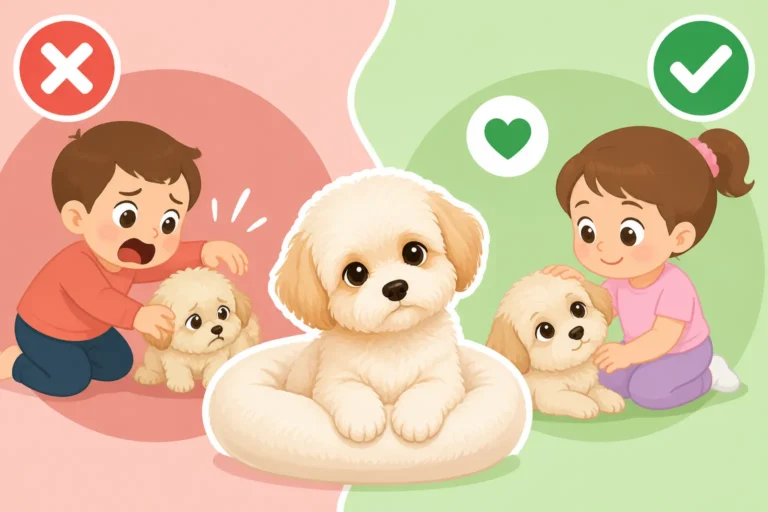
Whether a Maltipoo Is Too Soft for Correction
Many Maltipoo owners find themselves struggling with training because their adorable, fluffy companion seems to shut down completely at the slightest hint of a firm tone or correction. It's a common frustration: you just want your dog to understand, but their sensitive nature makes you second-guess every command, worried you'll break their spirit or make them retreat entirely. This guide will delve into why Maltipoos often react this way to traditional "corrections," explore the roots of their delicate disposition, and most importantly, equip you with empathetic, effective training strategies that build trust and cooperation, rather than fear.
Understanding the Maltipoo's Sensitive Nature: A Blend of Two Delicate Breeds
It's easy to look at a Maltipoo and just see a cuddly, playful companion. What many don't realize is that beneath that soft, curly coat lies a complex mix of genetics from two highly intelligent, yet often very sensitive, parent breeds: the Maltese and the Poodle. Understanding this genetic blueprint is key to deciphering why your Maltipoo might seem "too soft" for traditional correction methods. They truly are a coin flip in terms of temperament, inheriting unique traits from each side of their family tree.
The Emotional Depth of the Maltese Parent
The Maltese has a long history as a pampered lapdog, bred for companionship. This has instilled in them a profound desire for close human connection and an often-exaggerated sensitivity to their owner's moods and tone. They thrive on affection and positive interaction, and can be quite emotionally delicate. A harsh word, a loud noise, or even a stern look can be perceived as a major rejection by a Maltese, leading to withdrawal, anxiety, or even stubbornness. They are not naturally resilient to confrontational training, and will often internalize negative experiences, making future training much harder. This isn't them being manipulative; it's simply their inherent emotional wiring. When you have a Maltipoo, you're tapping into this deep well of sensitivity. What the Maltese Puts Into a Maltipoo's Character can often manifest as a keen awareness of your emotional state.
The Poodle's Intelligence and Its Own Form of Sensitivity
While Poodles are renowned for their high intelligence and eagerness to please, making them highly trainable, they also carry a streak of sensitivity that many owners overlook. Poodles are smart, and they want to do well, but they can also be quite susceptible to feeling discouraged or overwhelmed if they don't understand what's being asked, or if the training environment is too stressful or confrontational. They don't respond well to heavy-handed methods because their intelligence allows them to quickly associate negative experiences with the trainer or the task itself. Instead of learning, they might become hesitant, avoidant, or even develop nervous habits. So, while you might think of a Poodle as a sturdy, smart dog, What the Poodle Puts Into a Maltipoo's Character includes a mental and emotional finesse that requires gentle handling.
How This Blend Shapes Your Maltipoo's Reaction to Correction
When you combine these traits in a Maltipoo, you often get a dog that is exquisitely tuned to human emotion and extremely eager to please, but also incredibly vulnerable to perceived negativity. This means that what might be a mild correction for a more stoic breed could be deeply upsetting or confusing for your Maltipoo. They might not process "correction" as a lesson, but rather as a punishment, a rejection, or a source of fear. This can quickly erode the bond of trust, making them less likely to engage in training or even approach you freely. Many owners report that Whether Raising Your Voice Shuts a Maltipoo Down is a very real experience, leading to a dog that seems to "sulk" or hide.
Why Traditional, Harsh Corrections Backfire with Your Maltipoo
In the past, dog training often relied on dominance theory and punitive measures, using loud noises, physical interventions, or harsh verbal commands to "correct" unwanted behaviors. While some breeds might tolerate this approach (though it's rarely optimal), for a Maltipoo, these methods are almost guaranteed to be counterproductive, creating more problems than they solve.
The Fallout: Fear, Anxiety, and Avoidance
Imagine trying to learn a new skill while someone is constantly yelling at you or startling you every time you make a mistake. You wouldn't learn effectively; you'd likely become anxious, resentful, and eventually, you'd try to avoid the situation entirely. This is precisely what happens with a sensitive Maltipoo when faced with harsh corrections. Instead of understanding what they should do, they learn to fear what they shouldn't do, and often, they learn to fear you.
- Learned Helplessness: Constant punishment for behaviors they don't understand can lead to a state of learned helplessness. Your Maltipoo might simply give up trying to offer behaviors, fearing any action they take will lead to a negative response. This can look like stubbornness, but it's often a deep-seated anxiety.
- Behavioral Suppression, Not Modification: Harsh corrections might temporarily stop a behavior, but they don't teach your Maltipoo an alternative. For instance, yelling at them for barking at the window might make them stop in that moment, but it doesn't address why they were barking (e.g., alert barking, anxiety) or teach them what to do instead. The underlying issue remains, and may even worsen.
- Damaged Trust and Bond: Your Maltipoo relies on you for safety and comfort. When you become a source of fear or discomfort, that foundational trust is broken. This can make them wary of approaching you, less responsive to commands, and generally less happy and confident. It’s a sad reality that Whether a Maltipoo Sulks After Being Told Off is often a sign of this broken trust, rather than true sulking.
The Ineffectiveness of Aversive Tools
Given their delicate nature, certain training tools commonly used for correction are particularly unsuitable and potentially harmful for Maltipoos.
- E-collars (Shock Collars): These are absolute no-gos for a Maltipoo. The sudden, unpredictable nature of electric shocks can be terrifying and deeply traumatic for a sensitive dog. Instead of teaching, it creates confusion, fear, and can lead to aggressive outbursts or extreme withdrawal. Whether an E-Collar Has Any Place on a Maltipoo is a crucial question, and the answer for a Maltipoo is a resounding no.
- Choke Chains and Prong Collars: While some trainers still advocate for these, they rely on physical discomfort and pain to deter pulling or enforce commands. A Maltipoo's delicate neck and trachea are particularly vulnerable to injury from such devices. Beyond the physical harm, the constant pressure and discomfort are detrimental to their emotional well-being and willingness to learn. A well-fitting harness from a retailer like Amazon, designed for comfort and control without pressure on the neck, is always a better option.
- Loud Verbal Scolding or Physical Reprimands: Even without specialized tools, a sharp, loud "NO!" or physical actions like tapping or pushing can be deeply unsettling. For a Maltipoo, your voice is a primary source of comfort and guidance; when it turns harsh, it can cause significant distress. They don't differentiate between your frustration and genuine threat as easily as a human might.
Effective and Empathetic Correction: Positive Reinforcement for Maltipoos
Since harsh corrections don't work, what does work? The answer lies in positive reinforcement and clear, consistent communication. This approach focuses on teaching your Maltipoo what you want them to do, rather than punishing them for what you don't want. It builds a foundation of trust, makes learning fun, and fosters a confident, happy dog.
Redirection and Management: Your First Line of Defense
Before any "correction," consider if you can redirect or manage the situation to prevent the unwanted behavior from happening in the first place.
- Environmental Management: If your Maltipoo consistently jumps on guests, leash them when visitors arrive. If they chew on furniture, put the furniture out of reach or offer an irresistible chew toy instead. This isn't avoiding training; it's setting them up for success. For example, if your Maltipoo chews on forbidden items, having a selection of appropriate chew toys readily available (you can find a great variety on Amazon) provides an acceptable outlet.
- Redirection: If your Maltipoo is about to engage in an unwanted behavior, gently interrupt them and redirect their attention to an appropriate alternative. For instance, if they start to nip at your hand during play, immediately offer a toy. When they take the toy, praise and reward them. This teaches them, "Instead of nipping this, play with this."
Clear Communication and Reward-Based Learning
Positive reinforcement isn't about letting your dog run wild; it's about being a clear, consistent, and positive guide.
- "No" as a Marker, Not a Punishment: For a sensitive Maltipoo, "no" should ideally be a calm, neutral marker that simply means "that's not what I'm looking for," rather than an angry reprimand. Immediately follow it with an instruction for what to do. For example, if your Maltipoo tries to jump up, a calm "off" followed by a lure to sit, and then lavish praise for sitting, is far more effective.
- The Power of "Yes!": Use a clear, happy verbal marker like "yes!" or a clicker the instant your Maltipoo performs the desired behavior, then immediately follow with a high-value treat. This instant feedback helps them understand exactly what they did right. Whether a Maltipoo Works for Food or Praise can vary, but most respond incredibly well to a combination of both.
- Short, Positive Training Sessions: Maltipoos, like many small breeds, can have shorter attention spans. Keep training sessions brief (5-10 minutes), fun, and always end on a positive note. This ensures they associate training with enjoyment, rather than boredom or frustration. This is especially true as How Long a Maltipoo Works Before It Wanders Off is usually not very long!
Tailoring Your Approach: Reading Your Maltipoo's Unique Personality
Even within the Maltipoo breed, there's a spectrum of personalities. Some may lean more towards the Poodle's confident intelligence, while others might embody the Maltese's more delicate emotionality. Observing your individual Maltipoo's reactions is paramount to fine-tuning your training.
Recognizing Your Maltipoo's Stress Signals
Learning to read your Maltipoo's body language is critical for empathetic training. They often communicate discomfort or stress subtly before overt signs appear.
- Subtle Cues: Look for lip licking, yawning (when not tired), head turns, whale eye (showing the whites of their eyes), tucked tail, flattened ears, or freezing. These are all signals that your Maltipoo is feeling uncomfortable or stressed by the situation or your approach. If you see these signs, back off, change your approach, or take a break.
- Withdrawal or Hyperactivity: A stressed Maltipoo might become withdrawn and try to hide, or they might become overly excitable, jumping and nipping more. Both can be signs of being overwhelmed. For instance, if you're trying to teach them to stay, and they start excessively yawning, it might be time for a break.
- Individual Differences: Some Maltipoos are naturally more confident and can handle a slightly firmer tone, while others truly wilt. Understand your dog. If you have a particularly shy or timid Maltipoo, your approach needs to be even softer and more patient. Building their confidence through games and easy successes will be more beneficial than any "correction."
Consistency and Patience: The Unsung Heroes of Training
For any dog, and especially for a sensitive Maltipoo, consistency is vital. Everyone in the household needs to be on the same page with commands, expectations, and reward systems. Inconsistency is confusing and can undo progress.
- Family Rules: Ensure all family members use the same cues for behaviors (e.g., "sit" not "sit down"). This removes ambiguity for your Maltipoo.
- Routine: A predictable routine for potty breaks, meals, and training sessions provides security and helps your Maltipoo anticipate expectations.
- Celebrate Small Victories: Training a sensitive dog requires immense patience. Some days will feel like two steps forward, one step back. Celebrate every tiny success. Even if it's just a moment of focus or a flicker of understanding, acknowledge it with praise and reward. This keeps both you and your Maltipoo motivated.
- Professional Guidance: If you're struggling, don't hesitate to seek out a certified professional dog trainer who specializes in positive reinforcement. An online program, like the one offered by BAXTER & Bella, can be a fantastic resource, providing structured lessons and support that perfectly align with a Maltipoo's sensitive learning style. They understand that Whether an F1 Maltipoo's Temperament Is Predictable is often less about genetics and more about environment and training.
Here's a quick comparison of traditional vs. positive reinforcement approaches for common training scenarios:
| Scenario | Traditional "Correction" Approach | Positive Reinforcement Approach |
|---|---|---|
| Jumping on Guests | Pushing the dog off, stern "NO!", kneeing them in the chest. | Leash dog when guests arrive. When all four paws are on the floor, calmly say "sit" and reward with praise/treat. Guests ignore jumps, reward calm greetings. |
| Nipping/Biting | Alpha roll, tapping nose, loud "OW!" in a sharp tone. | Redirect to an appropriate chew toy. If nipping continues, immediately stop interaction (turn away, leave room for 10 seconds). Return and resume play if calm. Repeat. |
| Potty Accidents | Scolding, rubbing nose in mess, spanking. | Clean mess thoroughly with enzymatic cleaner. Immediately take dog outside. When they potty outside, throw a party with high-value treats and praise. Establish frequent potty breaks. |
| Barking at the Door | Yelling "QUIET!", shaking a can of coins. | Teach a "quiet" cue: let them bark twice, then hold a treat to their nose to interrupt, say "quiet," and reward when silent. Gradually increase silence duration. Practice door greetings with rewards for calm behavior. |
| Pulling on Leash | Jerking leash, choke chain/prong collar use, constant verbal reprimands. | Loose-leash walking: reward every few steps they walk with a slack leash. If they pull, stop walking until leash is slack, then continue. Use a comfortable front-clip harness from Amazon for better control without discomfort. |
| Chewing Furniture | Stern "NO!", swatting, booby-trapping furniture with unpleasant sprays. | Immediately redirect to an appropriate chew toy. Praise and reward heavily for chewing the toy. Supervise closely. Use management (crate, playpen, gates) when you can't supervise. |
Ultimately, your Maltipoo is not "too soft" for correction; they are simply too sensitive for harsh correction. They need guidance, not punishment. By embracing positive reinforcement, understanding their unique blend of Maltese and Poodle traits, and committing to clear, patient communication, you will build a stronger bond and a happier, more well-adjusted companion. It truly changes everything about your relationship, transforming potential frustrations into joyful learning experiences.
Disclaimer
This article is for general informational purposes only and does not constitute professional advice. Laws, prices and regulations vary by location and change over time. Consult a qualified professional for guidance on your specific situation.