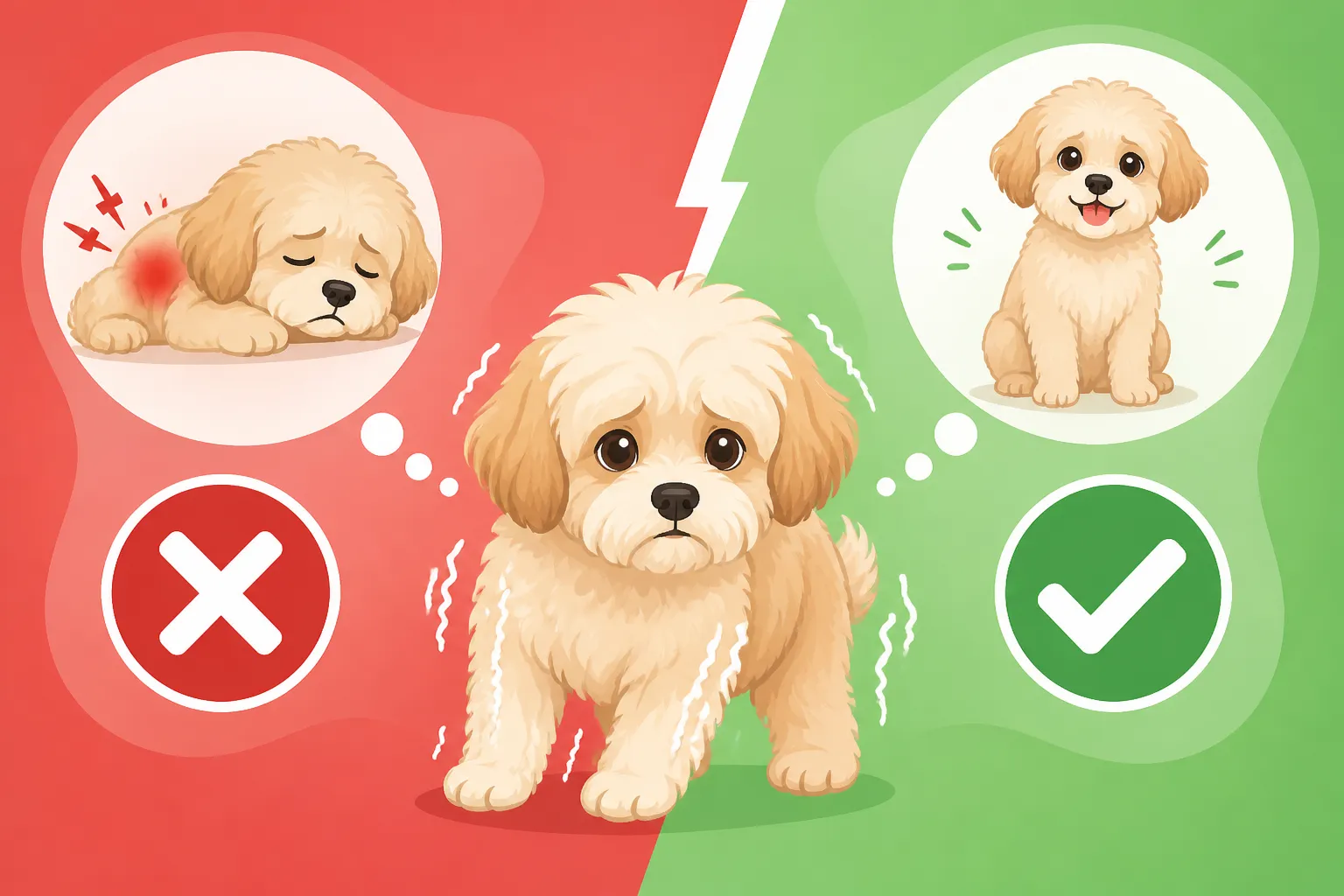
Whether a Shaking Maltipoo Is in Pain
It's incredibly unnerving when your precious Maltipoo starts shaking. One minute they're perfectly fine, and the next, their tiny body is trembling, sending a wave of panic through you. As a loving pet parent, your immediate thought often jumps to the worst-case scenario: "Are they in pain?" This comprehensive guide is here to help you navigate those anxious moments, exploring the many reasons behind a Maltipoo's shakes and, most importantly, how to determine if your furry friend is truly in discomfort.
Understanding Why Maltipoos Shake
When your Maltipoo starts to tremble, it's easy to assume the worst. However, shaking isn't always a sign of pain or serious illness. Our little companions, with their delicate builds and expressive personalities, can shake for a multitude of reasons, some entirely harmless and others requiring a closer look.
Non-Pain Related Shaking in Maltipoos
Just like humans, dogs can shiver for reasons that have nothing to do with physical pain. For a small breed like the Maltipoo, these tremors can often be more pronounced and therefore, more alarming to an owner.
- Feeling Cold: This is perhaps one of the most common and innocent reasons for a Maltipoo to shake. Their small size, combined with a relatively thin coat compared to larger, double-coated breeds, means they lose body heat much faster. Even indoors, if the thermostat dips a bit or they're lying on a cool floor, you might notice them shivering. Think about when you step out of a warm shower – that immediate chill factor is what your Maltipoo might experience in milder drafts. This is why you often see Maltipoos sporting adorable sweaters or snuggled under blankets. If you notice your Maltipoo shivering and the air feels cool, wrapping them in a cozy blanket or putting on a sweater might be all they need. It’s a natural response, not usually indicative of pain. For more on this, you might find our article on Whether a Maltipoo Gets Cold Easily helpful.
- Excitement or Anticipation: Maltipoos are known for their lively and affectionate personalities, often inheriting a good dose of energy from their Poodle parent. When they're incredibly excited – perhaps you've just walked through the door, or they see you reaching for their leash – they might start to tremble. This is their body's way of dealing with a surge of adrenaline and sheer joy. It's a happy shake, usually accompanied by a wagging tail, bright eyes, and an eagerness to engage. It's similar to how some people bounce with anticipation; for a Maltipoo, it often manifests as a full-body tremble.
- Fear or Anxiety: Small dogs, by their very nature, can perceive the world as a much larger, scarier place. Loud noises like thunderstorms, fireworks, or even the vacuum cleaner can trigger profound fear. New environments, strangers, or an unexpected visit to the vet can also induce anxiety. When a Maltipoo is scared or anxious, shaking is a very common physical manifestation of their emotional state. They might also try to hide, cower, tuck their tail, or vocalize with whimpers. Understanding their triggers and providing a safe, calm space can help alleviate these fear-induced tremors.
- Stress: Beyond immediate fear, chronic stress can also lead to shaking. Changes in routine, a new pet or family member, or even a house move can be incredibly stressful for a sensitive Maltipoo. This type of shaking might be more subtle or prolonged, a general symptom of them feeling unsettled. Recognizing these stressors and helping your Maltipoo adjust to changes with patience and reassurance is key. You might want to read our article on Whether Stress Triggers a Maltipoo's Sugar Crash as stress can also have other physiological impacts.
- Breed-Specific Tremors: In some cases, tiny, generalized tremors can simply be a characteristic of small dog breeds. Sometimes it's just how their nervous system is wired. While less common, some Maltipoos may have idiopathic tremors, which means tremors of unknown cause that aren't associated with pain or other symptoms. If your vet rules out all other causes, it might just be a peculiar quirk of your particular pup.
The Role of Their Small Size
The sheer tininess of a Maltipoo profoundly influences how their body reacts to the world, making them more prone to certain types of shaking.
- Higher Metabolism: Small dogs generally have a higher metabolic rate than larger breeds. This means their bodies burn through energy reserves more quickly. A fast metabolism can sometimes contribute to nervous energy or a more noticeable tremor when they're excited or stressed. It’s like a tiny, finely tuned engine that's always running a bit higher.
- Difficulty Regulating Body Temperature: We touched on this with cold, but it bears repeating: their small body mass and surface area-to-volume ratio make them highly inefficient at retaining heat. Even a slight drop in ambient temperature that wouldn't bother a larger dog can have your Maltipoo shivering. They simply don't have the bulk or natural insulation. This also extends to overheating in summer, though shaking is less commonly a primary symptom of heatstroke, which usually presents with panting and lethargy. You might be interested in Whether a Small Maltipoo Regulates Its Temperature for more details on this important topic.
- Increased Vulnerability and Perceived Threat: Being so small, Maltipoos can feel more vulnerable in many situations. A child's sudden movement, another dog's playful lunge, or even a large, unfamiliar object can be perceived as a significant threat. This heightened sense of vulnerability can lead to more frequent or intense episodes of anxiety-induced shaking compared to a larger, more confident dog. Their delicate structure also means that even minor bumps or falls can be a cause for concern, making owners hyper-aware of any signs of distress.
When Shaking Signals Pain or Discomfort
While many instances of shaking are harmless, it's crucial for Maltipoo owners to recognize when tremors could indicate genuine pain, illness, or an underlying medical condition. These situations often require immediate veterinary attention.
Hypoglycemia (Low Blood Sugar)
This is a critical concern, especially for Maltipoo puppies and smaller adult Maltipoos, particularly those weighing under four pounds. Hypoglycemia occurs when their blood sugar levels drop dangerously low.
- Symptoms: Beyond shaking, you might observe lethargy, weakness, disorientation, a drunken gait, or even collapse. Their gums might appear pale. In severe cases, seizures can occur. Recognizing The Signs a Maltipoo Puppy Is Crashing is absolutely vital.
- Causes: A tiny Maltipoo's liver isn't fully developed to store and release glucose efficiently, especially in puppies. Missing even one meal can trigger an episode. Over-exertion, stress, or a sudden change in diet can also contribute. This is why it's so important that you never let Why a Two Pound Maltipoo Cannot Skip a Meal.
- Action: If you suspect hypoglycemia, immediate action is necessary. Rub a small amount of corn syrup, honey, or a glucose gel (like Nutri-Cal) on their gums. Then, contact your vet immediately. This is a true emergency, and timely intervention can be life-saving. Knowing What to Do When a Maltipoo Goes Limp is part of being prepared.
White Shaker Syndrome
Despite the name, this condition isn't exclusive to white dogs, though it's more prevalent in smaller breeds with white coats, like Maltipoos.
- Symptoms: White Shaker Syndrome (also known as generalized tremor syndrome) causes involuntary, rhythmic shaking, often affecting the entire body, but sometimes more noticeable in the head or limbs. The tremors can range from mild to severe, sometimes making it difficult for the dog to walk or stand. You'll also likely see other neurological signs, such as disorientation or uncoordinated movements. The good news is that it's rarely painful, but it's certainly distressing. Our article, What White Shaker Syndrome Does to a Maltipoo, offers a more detailed explanation.
- Breed Predisposition: While the exact cause is unknown, it's believed to be an autoimmune condition where the body attacks its own cerebellum (the part of the brain responsible for coordination). It commonly affects small, white-coated breeds.
- Treatment: While it sounds serious, White Shaker Syndrome is often manageable with medication, typically corticosteroids. Most dogs respond well to treatment and can lead normal, happy lives, though some may require lifelong medication.
Pain from Injury or Illness
Shaking can be a direct physical response to pain, whether from an acute injury or a chronic underlying illness.
- Physical Injury: If your Maltipoo has had a fall, been stepped on, or suffered any kind of trauma, shaking can be a clear indicator of pain. They might have a sprain, a fracture, or internal bruising. Look for obvious signs like limping, swelling, vocalization when touched, or reluctance to move. Remember, a Maltipoo's bones can be delicate; consider Whether a Maltipoo Can Be Injured by a Fall if it involves a significant height.
- Internal Organ Issues: Conditions affecting internal organs can cause widespread discomfort and lead to shaking.
- Pancreatitis: Inflammation of the pancreas can be extremely painful, often leading to shaking, vomiting, severe abdominal pain, and lethargy.
- Kidney Disease: While less acute, chronic kidney disease can cause a general feeling of malaise, weakness, and sometimes tremors as toxins build up in the system.
- Bladder Stones: The pain from bladder stones can manifest as shaking, straining to urinate, or blood in the urine.
- Luxating Patella (Slipping Kneecap): This common orthopedic issue in small breeds like Maltipoos involves the kneecap slipping out of place. When the kneecap dislocates, it can cause sudden pain, leading to your Maltipoo holding up their leg, limping, and sometimes shaking due to the discomfort or instability. You might even notice a characteristic "skip" in their step. Understanding Slipping Kneecaps in a Maltipoo is crucial for Maltipoo owners, and our article on The Skip in a Maltipoo's Walk That Means a Patella can help you identify this issue.
- Arthritis: In older Maltipoos, joint pain from arthritis can cause shaking, especially after resting or in cold weather. They might be stiff, slow to move, and reluctant to jump or play.
Toxins and Medications
Unexpected tremors can also be a sign of something ingested or a reaction to medication.
- Ingestion of Toxins: Many common household items and human foods are toxic to dogs. Chocolate, certain plants, human medications (even common ones like ibuprofen), rodenticides, and various chemicals can all cause neurological symptoms, including severe shaking, seizures, vomiting, and diarrhea. If you suspect your Maltipoo has ingested something harmful, this is a veterinary emergency.
- Medication Side Effects: If your Maltipoo is on any medication, shaking could be an adverse reaction. Always discuss potential side effects with your vet when starting a new prescription.
Assessing the Situation and What to Do
When your Maltipoo starts shaking, your ability to quickly and calmly assess the situation is key. Gathering information and knowing when to act can make all the difference.
Observing Accompanying Symptoms
Shaking rarely occurs in isolation when it's a sign of a serious issue. Look for a cluster of symptoms to help you understand the severity of the situation. This can provide valuable clues for your veterinarian.
- Energy Levels: Is your Maltipoo still playful and engaged, or are they lethargic, weak, and unwilling to move? A sudden drop in energy, combined with shaking, is a red flag.
- Appetite and Thirst: Are they eating and drinking normally? A loss of appetite or excessive thirst can indicate illness.
- Gastrointestinal Issues: Vomiting, diarrhea, or straining to defecate can point to internal distress, especially when paired with shaking. Pancreatitis, for example, often presents with severe vomiting and abdominal pain that might cause your dog to tremble.
- Breathing and Heart Rate: Is their breathing labored, rapid, or shallow? Is their heart rate noticeably fast or irregular? These could indicate pain, shock, or respiratory distress.
- Mobility and Posture: Are they limping, favoring a leg, or reluctant to put weight on a paw? Are they hunched over or rigid? These physical signs are strong indicators of pain or injury. For example, a dog with a luxating patella might lift a leg and shake it to try and get the kneecap back into place.
- Behavioral Changes: Is your Maltipoo usually outgoing but now hiding? Are they typically quiet but now whimpering or crying? Any significant deviation from their normal behavior should be noted.
- Urination/Defecation: Are there changes in their bathroom habits? Blood in urine or stools, or difficulty passing waste, could be a sign of urinary tract issues or other internal problems.
Consider the context: Did the shaking start after a fall? After eating something unusual? After a stressful event? The "when" and "what else" are just as important as the shaking itself.
Immediate Actions for Maltipoo Owners
Depending on your observations, here are some immediate steps you can take:
- Provide Warmth if Cold: If you suspect cold is the culprit, gently wrap your Maltipoo in a warm blanket or put a sweater on them. Make sure their bedding is cozy and in a draft-free area.
- Administer Sugar if Hypoglycemia Suspected: This is critical for puppies and very small adults. If they are lethargic or unresponsive, immediately rub a small amount of corn syrup, honey, or a glucose paste onto their gums. Even if you only suspect it, a little sugar won't hurt, but lack of it could be fatal. Follow this up with an immediate call to your vet. You can learn more about managing this in How Often a Teacup Maltipoo Puppy Must Eat.
- Remove from Stressful Situation: If fear or anxiety seems to be the cause, move your Maltipoo to a quiet, safe space. Speak to them in a calm, soothing voice. Avoid making a big fuss, as this can inadvertently reinforce the anxious behavior.
- Check for Obvious Injuries: Gently, and carefully, examine your Maltipoo for any visible cuts, bruises, swelling, or tenderness. Pay attention to their legs, paws, and abdomen. If they yelp or pull away, stop immediately to avoid causing more pain.
- Contact Your Veterinarian: This is the most crucial step when you're concerned.
- Emergency Vet Visit: If your Maltipoo is shaking severely, is lethargic, disoriented, vomiting repeatedly, has trouble breathing, or has collapsed, do not hesitate. Call your emergency vet immediately and head there without delay. Time is often of the essence in these situations.
- Scheduled Vet Visit: If the shaking is milder, intermittent, or you're simply unsure, call your regular vet for advice. They might suggest monitoring, or they might want to see your Maltipoo in for a check-up. Never feel embarrassed to call; it's always better to be safe than sorry, especially with small breeds. Having pet insurance, like a plan from Healthy Paws, can provide immense peace of mind in these stressful times, ensuring you can make decisions based on your pet's health, not your wallet.
Preparing for a Vet Visit
When you do take your Maltipoo to the vet, being prepared can help them diagnose the issue more quickly and accurately.
- Gather Information: Make notes on:
- When the shaking started (date and time).
- How long each shaking episode lasts.
- How frequently it occurs.
- Any other symptoms you've observed (as detailed above).
- Any recent changes in diet, routine, or environment.
- Any new medications or supplements your Maltipoo is taking.
- Any potential access to toxins or foreign objects they might have ingested.
- Video the Shaking: If the shaking is intermittent, try to capture a short video of your Maltipoo during an episode. This can be incredibly helpful for your vet, as they might not witness the shaking themselves during the examination.
- Discuss Diagnostics and Treatment Options: Your vet may recommend various tests, such as blood work, urinalysis, X-rays, or even more specialized imaging like an MRI, depending on their initial findings. Be prepared to discuss these options and their implications. This is where a robust pet insurance policy, such as those offered by Healthy Paws, can be invaluable, helping to cover unexpected diagnostic and treatment costs. They cover illnesses and accidents, which could include many of the reasons a Maltipoo might shake due to pain or illness.
Long-Term Management and Prevention
Beyond immediate action, proactive measures can help reduce the likelihood of your Maltipoo shaking due to preventable causes, and ensure they lead a healthy, comfortable life.
Environmental Management
Creating a stable and safe environment for your Maltipoo is fundamental to their well-being.
- Keeping Them Warm and Comfortable: Ensure your Maltipoo always has access to warm, soft bedding, especially in cooler weather. Consider a cozy bed with high sides to retain heat, or even a self-warming pad if your home tends to be chilly. Sweaters or coats are not just fashion statements for small dogs; they're functional attire when venturing outdoors in cool weather or for staying warm indoors. Eliminating drafts in their sleeping areas can also make a big difference.
- Creating a Safe, Calm Space: Every Maltipoo needs a "den" – a quiet, secure place where they can retreat when feeling overwhelmed, anxious, or just in need of a nap. This could be a crate (never used for punishment), a dog bed in a quiet corner, or even a cozy spot under a desk. This personal sanctuary helps them cope with stress and feel secure, which can reduce anxiety-induced shaking.
- Consistent Routine: Dogs thrive on routine. Predictable feeding times, potty breaks, walks, and bedtimes help reduce anxiety by making their world more predictable. Sudden changes can be stressful and trigger nervous behaviors, including shaking.
Nutritional Considerations
Proper nutrition is paramount for a Maltipoo's health, directly impacting their energy levels and overall resilience.
- Regular, Small Meals: To prevent dangerous drops in blood sugar, especially in puppies or very small adults, feed your Maltipoo several small meals throughout the day rather than one or two large ones. For example, puppies might need three to four meals. This ensures a steady supply of glucose, preventing hypoglycemia. As they mature, most Maltipoos can transition to two meals a day, but always discuss feeding schedules with your vet.
- High-Quality Diet: Invest in a premium small-breed dog food that provides balanced nutrition. These foods are formulated with the specific caloric and nutrient needs of smaller dogs in mind, often with smaller kibble sizes that are easier for their tiny mouths to manage. Avoid cheap fillers and artificial ingredients.
- Avoiding Toxic Human Foods: Be vigilant about keeping human foods out of reach. Many common foods like chocolate, grapes, raisins, onions, garlic, and xylitol (a common artificial sweetener) are highly toxic and can cause severe illness, including neurological symptoms like shaking and seizures. Always research before sharing any human food with your dog.
Regular Veterinary Care and Screenings
Proactive health management through regular vet visits is the best way to catch potential issues early.
- Annual Check-ups: Even if your Maltipoo seems perfectly healthy, annual veterinary check-ups are non-negotiable. These visits allow your vet to perform a thorough physical examination, discuss any subtle changes you've noticed, and administer necessary vaccinations and parasite prevention. They can also perform blood tests that might uncover underlying conditions before they become critical. Consider our guide on The Yearly Checks a Maltipoo Should Get for more insights.
- Early Detection of Conditions: Regular vet visits can lead to the early detection of common Maltipoo health concerns like luxating patella, dental disease, or even conditions like White Shaker Syndrome. Early diagnosis often means more effective and less invasive treatment options. For example, a vet might detect the earliest signs of The Four Patella Grades and Where a Maltipoo Lands and advise on preventive measures or management strategies.
- Discussion about Preventative Measures: Your vet can offer personalized advice on diet, exercise, and preventative care tailored to your Maltipoo's specific needs and age. This might include recommendations for joint supplements, dental care routines, or behavioral training to mitigate anxiety.
- Pet Insurance for Peace of Mind: Investing in a good pet insurance plan from a reputable provider like Healthy Paws can be one of the best long-term decisions for your Maltipoo's health. It helps cover the costs of unexpected accidents and illnesses, including diagnostics, specialist visits, and long-term treatments for conditions like White Shaker Syndrome or a luxating patella that might lead to shaking or pain. This means you can focus on getting your beloved companion the best care without undue financial stress.
| Symptom Type | Common Causes (No Pain) | Common Causes (Potential Pain/Discomfort) | Urgent Action Needed? |
|---|---|---|---|
| Isolated Shaking | Cold, Excitement, Mild Fear, Breed Trait | Slight injury, Mild anxiety, Early illness | Observe, Comfort |
| Shaking + Lethargy | Over-tired (rarely just shaking) | Hypoglycemia, Severe illness, Toxicity, Organ failure | YES (Vet ASAP) |
| Shaking + Vomiting | Extreme stress (rarely just shaking) | Toxicity, Pancreatitis, Severe GI upset | YES (Vet ASAP) |
| Shaking + Limping | (Not typically associated) | Injury, Luxating Patella, Arthritis, Legg-Calvé-Perthes | YES (Vet ASAP) |
| Shaking + Disorientation | (Not typically associated) | Hypoglycemia, Neurological issue, Toxicity, Seizures | YES (Vet ASAP) |
| Shaking + Weakness | (Not typically associated) | Hypoglycemia, White Shaker Syndrome, Debilitating Illness | YES (Vet ASAP) |
| Shaking + Crying/Whimpering | Extreme fear | Acute Pain (injury, internal pain) | YES (Vet ASAP) |
Ultimately, your intuition as a Maltipoo parent is invaluable. If something feels "off" or the shaking is persistent and unexplained, always err on the side of caution and consult your veterinarian. They are your best resource for ensuring your Maltipoo lives a long, healthy, and comfortable life, free from unnecessary worry or pain.
Disclaimer
The information provided in this article is for educational purposes only and is not intended to be a substitute for professional veterinary advice, diagnosis, or treatment. Always seek the advice of your veterinarian or other qualified animal health provider with any questions you may have regarding a medical condition.