Whether a Black Maltipoo Comes From the Poodle
Maltipoo color genetics explain why black fur comes from the dominant Poodle parent instead of the white Maltese.

Maltipoo color genetics explain why black fur comes from the dominant Poodle parent instead of the white Maltese.

Recessive Poodle genes and fading factors explain why true red Maltipoo coats are rare compared to white Maltese traits.
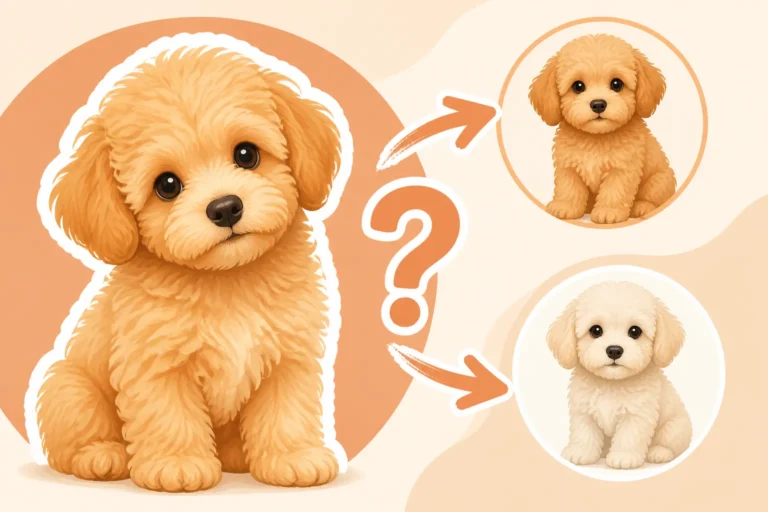
Apricot Maltipoo coat color fading occurs around six months to a year due to Poodle genetics and pigment dilution.

Maltipoo puppy coat genetics explain why white, cream, apricot, and red shades transform as the dogs grow into adulthood.

Maltipoo coat color genetics explain why these dogs feature diverse shades instead of remaining purely white like Maltese parents.

The Maltese standard demands pure white, with genes that mask other pigments, so its role in a Maltipoo’s range of colors is far more limited than many assume.

Choosing a slightly larger Maltipoo helps avoid severe health risks and expensive vet bills associated with tiny teacup puppies.

Teacup Maltipoo puppy listings and severe health risks like hypoglycemia in dogs under five pounds are explained for prospective buyers.

Breeding the smallest Maltipoos creates severe health risks for mother dogs and puppies, including difficult labor and dangerous surgeries.
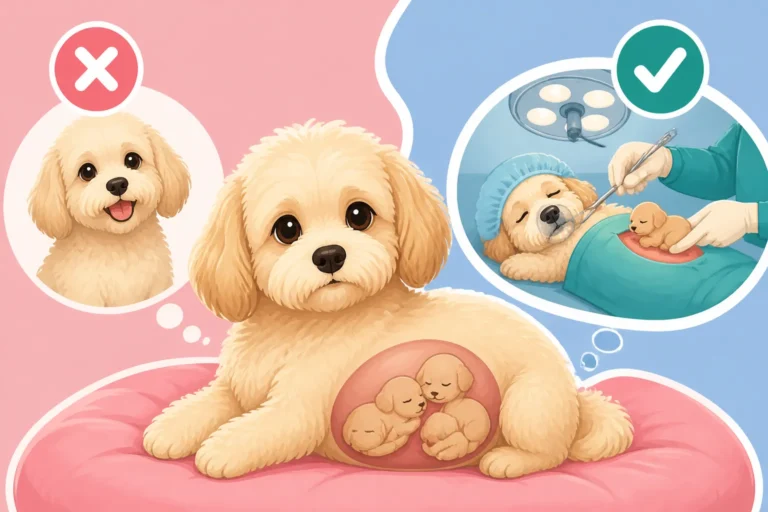
Maltipoo Cesarean sections are often necessary due to small pelvic canals and large puppy heads causing delivery complications.