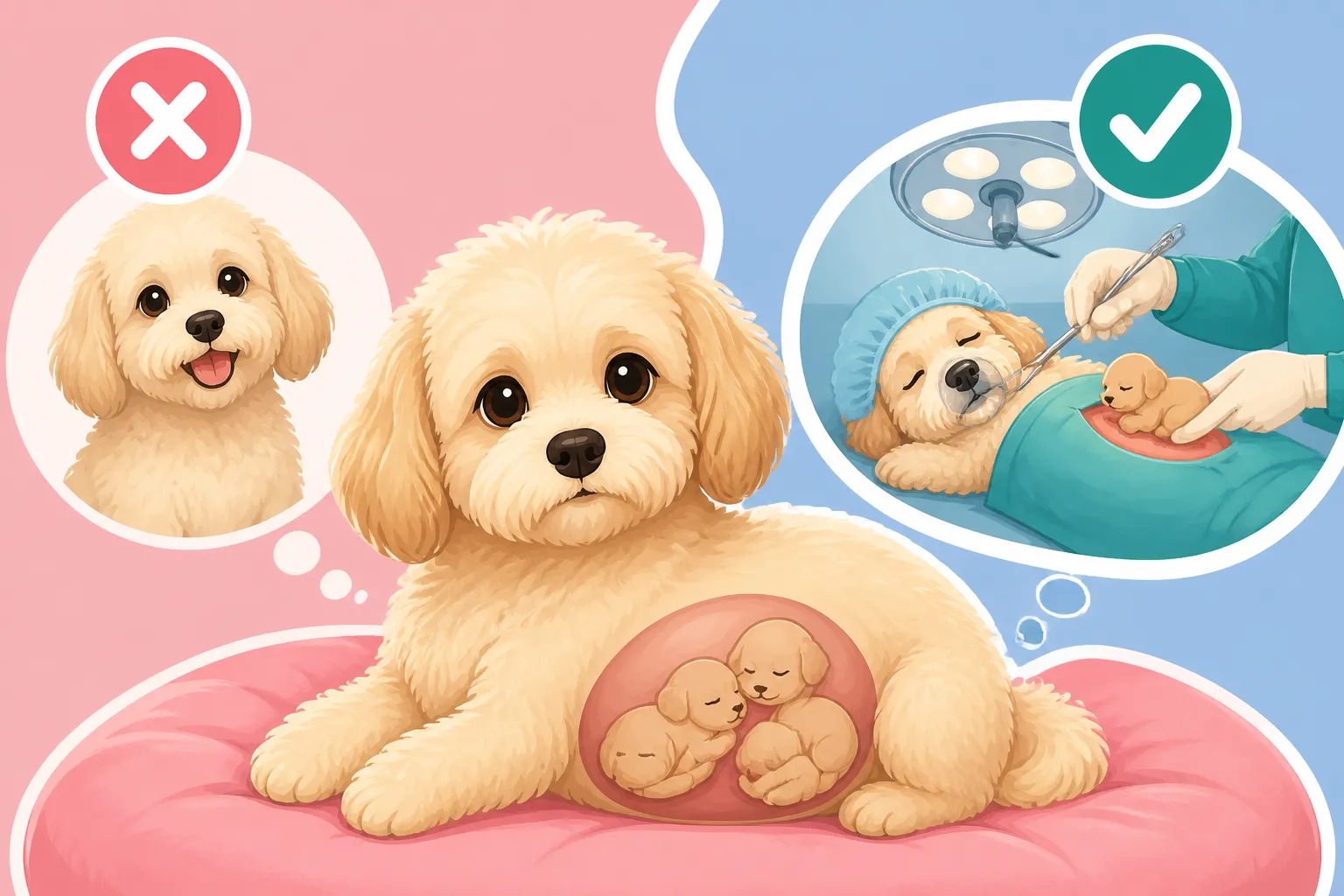
Whether a Maltipoo Needs a Cesarean
Bringing a Maltipoo puppy into the world can be an incredibly exciting time, but if you're considering breeding your beloved companion, one of the most pressing and often anxiety-inducing questions is whether she'll need a Cesarean section. It's a very real concern for owners of smaller breeds, and this guide will walk you through why C-sections are so common in Maltipoos, what you can do to prepare, and how to ensure the safest possible outcome for both mother and puppies.
Understanding the Maltipoo's Unique Anatomy and Breeding Challenges
It's no secret that Maltipoos are adored for their small stature, but this very trait, combined with their mixed heritage, can introduce significant complications when it comes to pregnancy and birth. The journey from conception to delivery for a Maltipoo isn't always straightforward, and understanding the underlying anatomical reasons can help you grasp why C-sections are often a necessary consideration, not just a last resort.
Why Size Matters So Much for Whelping
When we talk about Maltipoos, we're usually talking about a dog that falls into the toy or miniature category, often weighing under ten pounds. This small frame means a proportionately small pelvic canal, the narrow bony passage through which puppies must travel during a natural birth. Even a slightly larger-than-average puppy in a small litter can present an insurmountable challenge. It's not just about the size of the mother, though; it's also about the size of the puppies relative to her internal anatomy. Often, smaller dogs, including Maltipoos, can have puppies with surprisingly large heads compared to the mother's pelvic opening. This is a common issue known as feto-pelvic disproportion, and it's a primary reason why C-sections are so frequently needed in small breeds.
Imagine trying to push a large grape through a very narrow straw – that's often the scenario. Even if the mother has carried the puppies to term without issue, the actual act of pushing can become impossible if the puppy simply cannot fit. This isn't a sign of a weak mother or poor effort; it's a physical impossibility. Furthermore, the number of puppies can play a role. A large litter might mean smaller individual puppies, which sounds good in theory, but it also means more puppies to pass, increasing the overall stress on the mother and prolonging labor. Conversely, a very small litter (one or two puppies) can sometimes lead to larger individual puppies, which, again, exacerbates the feto-pelvic disproportion. It's a delicate balance, and for Maltipoos, that balance is often tipped towards requiring assistance. The challenge is often compounded if you're specifically interested in Whether a Teacup Maltipoo Is a Deliberate Breeding or dealing with What Breeding Smaller Costs a Maltipoo, as these scenarios push the boundaries of what is naturally possible for canine mothers.
The Maltese and Poodle Influence on Birthing
The Maltipoo is a mix of two beloved breeds: the Maltese and the Poodle. Both of these parent breeds are known for certain characteristics that can influence birthing. The Maltese, typically a very small toy breed, often has a delicate bone structure and a relatively narrow pelvis. Historically, smaller purebred dogs have been more prone to difficult births (dystocia) due to these anatomical limitations. On the other hand, Poodles, particularly the Miniature and Toy varieties, are generally known for being robust and often have fewer birthing issues than some other toy breeds. However, when you combine the genetics, you can get a varied outcome.
A Maltipoo can inherit the more delicate pelvic structure of the Maltese, or the head shape from the Poodle that might be slightly rounder, leading to a puppy that simply won't fit through the birth canal. It's truly a "coin flip" of genetics, as we often say when discussing The Coin Flip Inside Every Maltipoo Puppy. Some Maltipoos may inherit a more "Poodle-like" build, with a slightly wider pelvis, making natural birth more feasible. Others might be predominantly "Maltese-like" in their physical conformation, which could predispose them to needing a C-section. Breeders, even experienced ones, cannot always predict how these traits will combine to affect a particular female's birthing capabilities until the time comes. This genetic lottery is why comprehensive pre-breeding health evaluations are so critical, as they can help identify potential risks before a pregnancy even begins. Knowing Whether a First Cross Maltipoo Is the Healthiest won't necessarily guarantee an easier birth, as individual genetics always play a significant role.
Recognizing the Signs and Planning for a Smooth Delivery
The key to a successful and safe delivery for a Maltipoo mother and her puppies, whether natural or via C-section, lies in meticulous preparation and vigilant observation. It’s about being proactive, not reactive, and working closely with your veterinarian from the very beginning.
Pre-Breeding Health Checks and Evaluations
Before you even consider breeding your Maltipoo, a thorough veterinary examination is paramount. This isn't just a general check-up; it's a specific assessment of her reproductive health and physical suitability for carrying a litter. Your vet will perform a comprehensive physical exam, including checking for any underlying health conditions that could complicate pregnancy or birth. This might include assessing her general body condition, heart health, and any indications of potential issues like The Liver Shunt a Maltipoo Can Inherit From the Maltese or Slipping Kneecaps in a Maltipoo, which could make the physical stress of pregnancy and labor more difficult.
Beyond a general check, a crucial step for smaller breeds like Maltipoos is a pre-whelping X-ray. Typically taken in the last week of pregnancy, this X-ray serves several vital purposes. Firstly, it allows your veterinarian to get an accurate count of the puppies. This is incredibly valuable because it helps you know when labor is truly complete, ensuring no puppy is left behind. Secondly, and perhaps most importantly for C-section considerations, the X-ray can give an indication of the size of the puppies relative to the mother's pelvic canal. While not a definitive predictor, if the puppies appear very large compared to her pelvis on the X-ray, it's a strong indicator that a natural birth might be problematic, allowing you and your vet to plan for a scheduled C-section. This proactive approach can significantly reduce stress and risk during the actual delivery. A responsible breeder will take all these steps, and it’s important to understand The Four Certificates a Maltipoo Breeder Should Show to confirm proper health evaluations.
Knowing When a C-Section Becomes Necessary
Even with the best preparations, sometimes labor doesn't proceed as planned. Recognizing the signs of dystocia, or difficult labor, is critical for knowing when to intervene and head to the veterinary emergency clinic for a C-section. While a C-section might sound daunting, it can be a life-saving procedure for both the mother and her puppies.
Here are some red flags that indicate an emergency C-section might be needed:
- Prolonged Gestation: If your Maltipoo is more than 65-67 days from her last breeding, or if her temperature has dropped and she hasn't started labor within 24 hours, it's time for a vet visit.
- Weak or Ineffective Contractions: She might be having contractions, but they don't seem strong enough to produce a puppy, or they last for a long time without progress.
- More Than Two Hours Between Puppies: Once labor has actively started and a puppy has been delivered, it's concerning if more than two hours pass without another puppy arriving. This is especially true if she's still having strong contractions.
- Straining Without Production: If your Maltipoo is actively pushing and straining for 30-60 minutes without a puppy being born, it indicates an obstruction or uterine inertia (tired uterus).
- Signs of Distress: The mother is showing extreme pain, lethargy, significant bleeding, or any green or black discharge before the first puppy is born (which can indicate placental separation).
- Puppy in Distress: You can see a puppy partially emerged, but it's stuck, or you notice the puppy is unresponsive or showing signs of distress.
In any of these scenarios, time is of the essence. Don't delay calling your vet or heading to an emergency animal hospital. It's far better to err on the side of caution. Remember, your Maltipoo's small size can mean complications escalate quickly. Having an emergency kit ready, complete with your vet's number and directions to the clinic, is always a good idea. Knowing The Signs a Maltipoo Puppy Is Crashing can also give you insight into when the puppies themselves might be in danger during labor.
The Cesarean Section Process and Post-Operative Care
If a Cesarean section is deemed necessary, whether planned or emergency, knowing what to expect can help alleviate some of your anxiety. The focus will be on the safety of your Maltipoo and her new puppies, and veterinary teams are well-versed in handling these delicate situations.
What to Expect During a Planned or Emergency C-Section
A C-section for a Maltipoo involves carefully monitored anesthesia, similar to what a human might experience. Your vet will take great care to select an anesthetic protocol that is safe for both the mother and the developing puppies, as some anesthetics can cross the placental barrier. Once she is safely anesthetized, a sterile incision is made into her abdomen and then into her uterus. The puppies are gently removed one by one. As each puppy is delivered, veterinary technicians or assistants are usually on hand to immediately clear their airways, stimulate breathing, and dry them off, often rubbing them vigorously with towels to mimic the mother's licking and encourage respiration. This crucial first stage can be very hectic, but it's all focused on getting those little ones breathing and thriving.
After all puppies are delivered, the vet will carefully examine the uterus to ensure no puppies or placentas remain. The uterus is then sutured closed, followed by the abdominal incision. During this time, the mother's vital signs are continuously monitored. For smaller dogs like Maltipoos, special attention is paid to maintaining body temperature, as they can lose heat quickly under anesthesia, which relates to their general difficulty regulating temperature as discussed in Whether a Small Maltipoo Regulates Its Temperature. The goal is to get her through the surgery as quickly and safely as possible, minimizing anesthetic exposure while ensuring a thorough and sterile procedure. The entire process, from start to finish, is geared towards giving both mom and pups the best chance.
Supporting Mother and Pups After Surgery
The period immediately following a C-section is critical for recovery and bonding. Your Maltipoo will be waking up from anesthesia, feeling a bit groggy and possibly sore, and will likely have a protective cone to prevent her from licking her incision. The veterinary team will typically help her start nursing her puppies as soon as she's alert enough to do so safely. It's not uncommon for a new mother to be a little disoriented or even uninterested in her puppies right after a C-section, but with gentle encouragement and assistance, most mothers quickly warm up. You might need to help guide puppies to her teats initially.
Pain management is a vital part of her post-operative care. Your vet will prescribe appropriate pain medication to keep her comfortable, which is crucial for her to be able to relax and care for her litter. Make sure to administer these exactly as directed. You'll also need to keep a close eye on her incision site for any signs of swelling, redness, or discharge, and ensure she doesn't try to chew at the stitches. Maintaining a clean and warm environment for the family is essential. Puppies, especially small ones, cannot regulate their own body temperature well, so a whelping box with supplemental heat (like a warming lamp or pad, carefully used) is necessary. Feed the mother a high-quality puppy formula food to support milk production, and ensure she has constant access to fresh water. Items from places like Chewy can be incredibly helpful during this time, from soft recovery cones to puppy whelping supplies and specialized puppy food. Knowing How Often a Maltipoo Puppy Needs Taking Out will be important as you juggle her recovery and their needs.
Responsible Breeding Practices to Minimize C-Section Risk
While sometimes a C-section is unavoidable, responsible breeding practices can significantly reduce the likelihood of complications and the need for surgical intervention. It's about putting the health and well-being of the mother and her future offspring first.
Selecting Appropriate Mates for a Maltipoo
When planning to breed a Maltipoo, the choice of the stud dog is paramount. One of the biggest mistakes inexperienced breeders make is simply looking for another small dog, without considering the genetics behind it. To minimize the risk of feto-pelvic disproportion, it's often advisable to select a stud that is proportionate in size or even slightly smaller than the female, especially if the female has a particularly small or narrow build. This can help ensure that the puppies aren't excessively large for the mother's birth canal.
Furthermore, responsible breeders will conduct thorough health screenings on both the prospective mother and father, looking for any inheritable conditions that could be passed on to the puppies, or any physical traits that might increase birthing difficulties. This goes beyond just size; it includes evaluating the general health and conformation of both parents. For instance, understanding Whether a Maltipoo Breeder Should Show Patella Grades for both parents can indicate overall structural soundness. Discussing with experienced breeders and a reproductive veterinarian about appropriate size pairings and genetic considerations for Maltipoos is a crucial step that can make a significant difference in a successful, natural birth versus one requiring surgery. The goal is to produce healthy puppies without undue risk to the mother.
Avoiding "Teacup" Breedings for Health
The term "teacup Maltipoo" often refers to dogs that are exceptionally small, sometimes weighing as little as two to four pounds when fully grown. While incredibly adorable, breeding dogs of such diminutive size carries inherent risks that are significantly elevated compared to their slightly larger counterparts. The mother's internal organs, including her uterus and birth canal, are simply smaller, making it far more challenging for her to carry and deliver puppies naturally. Furthermore, these tiny mothers are more susceptible to complications during pregnancy, such as hypoglycemia (Hypoglycemia and the Teacup Maltipoo Puppy is a huge concern for these tiny pups) and extreme exhaustion during labor.
Responsible breeders understand that prioritizing extreme smallness can compromise the health of both the mother and her puppies. Often, the desire for a "teacup" size can lead to breeding the smallest individuals in a litter, sometimes even runts, which may have underlying health issues themselves. While there's a market for tiny dogs, it's essential to consider the ethical implications of breeding at the extreme ends of the size spectrum. Many veterinarians and ethical breeders advise against breeding "teacup" sized dogs altogether due to these elevated risks. If you are keen to understand more, researching What Breeding Runts Together Does to a Maltipoo Line can offer valuable insight. Focusing on robust, healthy toy-sized Maltipoos (5-10 lbs) rather than the absolute smallest "teacups" often leads to fewer birthing complications and overall healthier outcomes for everyone involved. For responsible pet ownership, consider if Whether a Teacup Maltipoo Should Be Bred at All aligns with your values.
Here's a comparison of natural birth vs. Cesarean section considerations for Maltipoos:
| Feature | Natural Birth (Whelping) | Cesarean Section (C-Section) |
|---|---|---|
| Ideal Scenario | Mother is healthy, pelvis is adequate, puppies are proportionate, no complications arise. | Planned due to high risk, or emergency due to dystocia. |
| Risk Factors | Feto-pelvic disproportion, uterine inertia, large puppies, small litter size. | Anesthesia risks for mother and puppies, post-op pain/infection, recovery time. |
| Preparation | Pre-whelping X-ray, monitoring temperature, whelping supplies, emergency vet contact. | Pre-whelping X-ray, scheduled surgery, post-op care plan, pain meds. |
| Duration of Labor | Can be several hours, often with breaks between puppies. | Typically 30-60 minutes for surgery itself. |
| Mother's Energy | Significant energy expenditure, can be very tiring. | Less physical exertion during delivery, but recovery from surgery. |
| Puppy Resuscitation | Mother usually handles; owner/breeder may assist. | Vet staff immediately handle each puppy's resuscitation. |
| Cost | Generally lower, but emergency vet visits add up. | Significantly higher veterinary costs. |
| Post-delivery Care | Mother takes over naturally, minimal intervention. | Monitor incision, pain management, assist nursing, warmth for puppies. |
| Overall Stress | Can be high if complications arise, requiring quick decisions. | Can be stressful due to surgery, but controlled environment. |
Ultimately, the decision for a C-section or natural birth should always be made in close consultation with your veterinarian, prioritizing the health and safety of your precious Maltipoo mother and her adorable puppies. Being prepared for either outcome is the mark of a truly caring and responsible owner. Stocking up on essential post-delivery items from trusted retailers like Chewy can help you be ready for anything.
Disclaimer
This article is for general informational purposes only and does not constitute professional advice. Laws, prices and regulations vary by location and change over time. Consult a qualified professional for guidance on your specific situation.