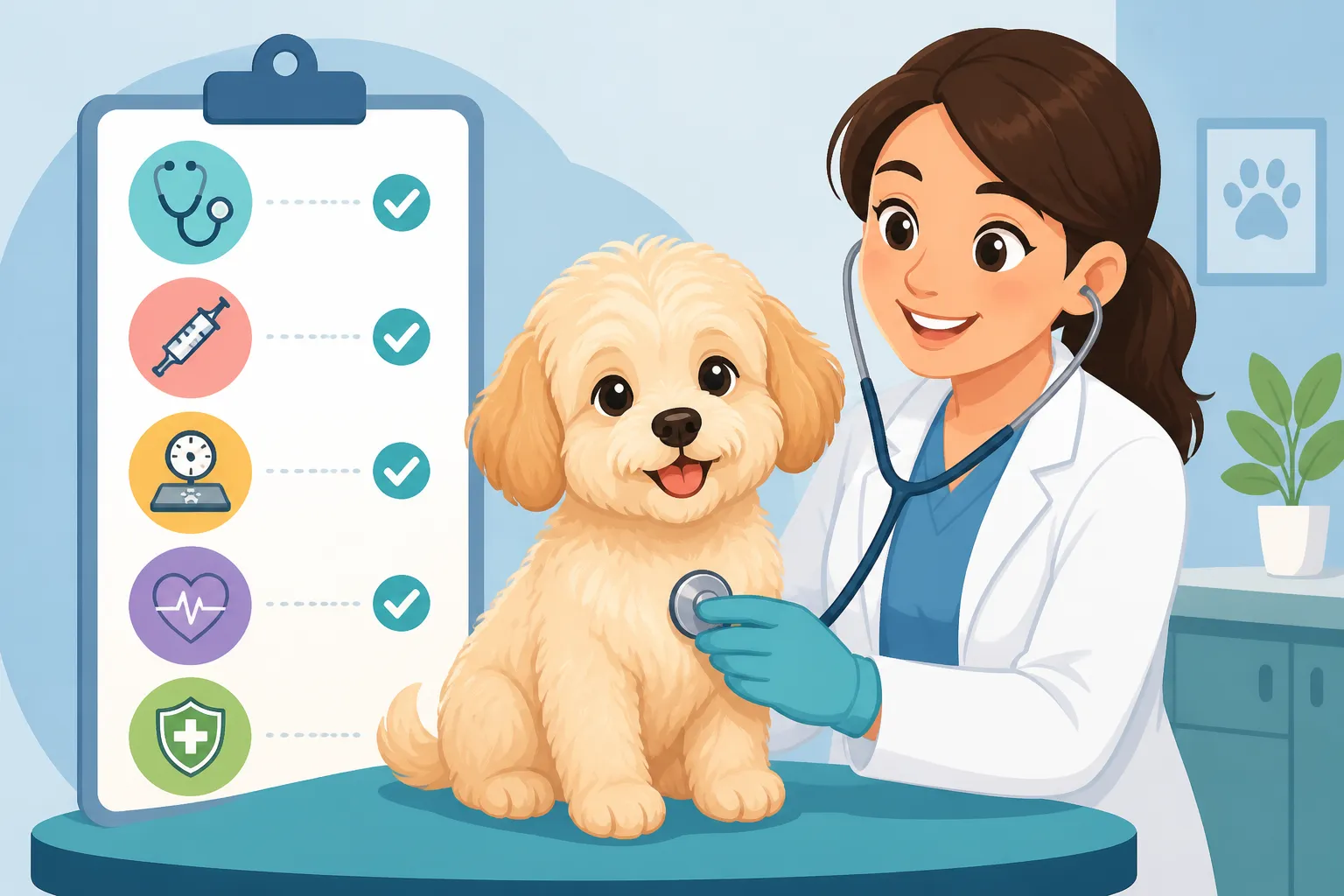
What a Maltipoo’s First Vet Visit Should Include
Bringing home a new Maltipoo puppy is an exhilarating time, full of fluffy cuddles and adorable antics. But amidst all that joy, there's often a quiet anxiety about ensuring your tiny new family member is healthy and thriving. That first vet visit isn't just a formality; it's a crucial step in laying the foundation for a long, vibrant life for your little companion, addressing everything from immediate health concerns to long-term preventative care. This guide will walk you through exactly what that initial check-up should entail.
The Critical Importance of Your Maltipoo's Initial Health Assessment
You've probably just picked up your Maltipoo, and you're already head over heels. But before you get too settled into a routine, that first trip to the veterinarian is paramount. Think of it as your puppy's inaugural health blueprint. It's not just about getting a general "all clear"; it’s about establishing a baseline for their unique health, identifying any immediate concerns, and discussing a proactive plan tailored specifically for a small breed like the Maltipoo. This foundational visit is truly where you start building a partnership with your vet, ensuring every decision you make is in the best interest of your furry friend.
Comprehensive Physical Examination
When you walk into the clinic, your veterinarian will perform a thorough head-to-tail physical examination. This isn't just a quick glance; it's a systematic check of every vital system and structure your Maltipoo possesses. They'll start by observing your puppy's general demeanor – are they alert, responsive, playful, or perhaps a little shy? Then, they'll meticulously inspect their eyes for clarity, discharge, or any signs of irritation, and their ears for cleanliness, mites, or infection. The vet will also open your Maltipoo's mouth to check their gums for healthy pink color and inspect those tiny puppy teeth, looking for any retained baby teeth or signs of an emerging dental issue, which can be surprisingly common in small breeds.
Beyond the visible, the vet will use a stethoscope to listen carefully to your Maltipoo's heart and lungs, searching for any abnormal rhythms, murmurs, or signs of respiratory issues. They'll gently palpate their abdomen to check for tenderness, enlarged organs, or hernias. A critical part of the exam for a Maltipoo involves checking their joints, particularly their kneecaps. Small breeds like Maltipoos are predisposed to conditions like patellar luxation, where the kneecap slips out of place. The vet will manipulate the leg to check for this, and understanding The Four Patella Grades and Where a Maltipoo Lands is incredibly important. This early detection can help you manage the condition and discuss future preventative measures or treatments. This comprehensive check-up helps ensure that any potential issues, whether congenital or developing, are caught as early as possible.
Parasite Screening and Prevention
Another non-negotiable part of your Maltipoo's first vet visit is a thorough screening for internal and external parasites. Puppies, no matter how carefully raised, can easily pick up worms from their mother or the environment. Your vet will likely ask you to bring a fresh stool sample, which they will analyze under a microscope to check for eggs of common intestinal parasites like roundworms, hookworms, whipworms, and giardia. If any are found, a deworming protocol will be recommended immediately. Even if the sample is clear, many vets will administer a broad-spectrum dewormer as a precautionary measure.
Beyond internal parasites, your vet will also check for external hitchhikers like fleas, ticks, and ear mites. These can cause intense discomfort, skin infections, and even transmit diseases. They'll discuss a year-round parasite prevention plan, which is absolutely essential for your Maltipoo's comfort and health. This often involves monthly oral medications or topical treatments that protect against a range of parasites. You'll want to make sure you understand the options available and choose one that fits your lifestyle and your Maltipoo’s needs. Products available through retailers like Chewy often include many reputable brands for flea, tick, and heartworm prevention, so you can easily research options suggested by your vet.
Essential Vaccinations and Microchipping
The core purpose of much of the initial vet visits for a puppy is to establish a robust immune system through vaccinations. Your tiny Maltipoo, while undeniably cute, is highly vulnerable to a host of serious, often fatal, diseases in their early months. This is why a strategic and timely vaccination schedule is so critical. Alongside vaccinations, microchipping stands out as an indispensable safety measure that could literally save your Maltipoo's life.
Puppy Vaccine Schedule
Your veterinarian will outline a specific vaccination schedule, which is usually a series of shots given over several weeks, typically starting around 6-8 weeks of age and continuing until 16 weeks or older. The core vaccines for puppies generally include:
- DHPP (Distemper, Hepatitis/Adenovirus, Parvovirus, Parainfluenza): This combination vaccine protects against four highly contagious and potentially deadly viral diseases. Parvovirus, in particular, can be devastating for puppies, causing severe gastrointestinal distress, and it's something you absolutely want to protect your Maltipoo from.
- Rabies: This vaccine is legally required in most places and protects against the fatal rabies virus. It's usually given as a single shot around 12-16 weeks of age, followed by boosters every one to three years, depending on local regulations and the specific vaccine used.
Your vet may also recommend non-core vaccines based on your Maltipoo's lifestyle and exposure risks, such as Bordetella (kennel cough), Leptospirosis, or Lyme disease. If your Maltipoo will be going to dog parks, groomers, or boarding facilities, these might be prudent additions. It's vital to stick to the recommended schedule diligently, as skipping or delaying boosters can leave your puppy vulnerable. Each booster builds on the last, providing stronger, more comprehensive protection as their young immune system matures.
The Lifesaving Power of a Microchip
Imagine the unthinkable: your precious Maltipoo slips out the door or gets lost during a walk. Given their small size, Maltipoos are often easier to miss or accidentally let out than larger dogs. This is where a microchip becomes a true lifesaver. During your first vet visit, or a subsequent one, your vet will likely recommend microchipping. This simple, quick procedure involves implanting a tiny chip, about the size of a grain of rice, just under your Maltipoo's skin, typically between the shoulder blades. It’s no more painful than a routine injection.
The microchip contains a unique identification number that can be read by a scanner, which most veterinary clinics, shelters, and animal control facilities possess. If your Maltipoo is ever found and scanned, your contact information, registered to that chip number, will allow them to be reunited with you. It's a permanent form of identification that can't be lost like a collar tag. Remember, getting the chip inserted is only half the battle; you must register it with your contact details and keep that information updated if you move or change phone numbers. It’s a small, inexpensive step that offers immense peace of mind and significantly increases the chances of a happy reunion should your Maltipoo ever go missing.
Nutritional Guidance and Weight Management Tailored for a Maltipoo
One of the most common questions new Maltipoo owners have revolves around feeding: "How much should my tiny dog eat?" It’s a valid concern, as small breeds have unique dietary needs, and getting it wrong can lead to serious health issues like hypoglycemia in puppies or obesity in adults. Your first vet visit is the perfect opportunity to get expert, tailored advice on how to fuel your furry friend correctly for a lifetime of health.
Proper Feeding for Small Breeds
Maltipoos, especially as puppies, have very fast metabolisms and small stomachs, meaning they need frequent, calorie-dense meals. This makes them particularly susceptible to hypoglycemia, a dangerous drop in blood sugar, if they go too long without food. This is why puppies, particularly the tiny ones, often need to eat three to four times a day. Your vet will discuss the best type of food – generally a high-quality small-breed puppy formula – and, crucially, the precise amount your Maltipoo needs. Forget generic measuring cups; for a Maltipoo, feeding needs to be much more exact. It's a matter of ounces, not scoops, to ensure they get enough calories without being overfed. You can learn more about this by reading Feeding a Six Pound Maltipoo by the Ounce, Not the Scoop.
The vet will also consider your Maltipoo's current weight, age, and activity level to recommend a specific daily caloric intake. Brands like Ollie often provide personalized meal plans based on your dog's specific needs, which can be a huge help in ensuring proper nutrition and avoiding both undereating and overeating. They will also discuss appropriate treats and when to transition from puppy food to adult food. Getting this right from the start can prevent many common health problems and ensure your Maltipoo maintains a healthy weight throughout their life.
Discussing Future Care and Preventative Measures
Beyond immediate feeding concerns, your first vet visit is also a chance to discuss the long-term care needs of a Maltipoo. One of the most critical aspects of their health is dental care. Small breeds are highly prone to dental disease, often starting at a young age, due to their crowded mouths. Your vet will likely emphasize the importance of daily tooth brushing and recommend products like enzymatic toothpaste specifically designed for dogs. They’ll explain what to look for as your Maltipoo grows older, the signs of dental disease, and the importance of professional dental cleanings under anesthesia when needed. Neglecting this can lead to painful infections, tooth loss, and even systemic health issues, making The Dental Bills a Maltipoo Owner Cannot Avoid a real concern if proactive measures aren't taken.
You'll also want to discuss grooming needs. Maltipoos have non-shedding coats that grow continuously, requiring regular professional grooming to prevent mats and tangles. Your vet can give you advice on how early to introduce your puppy to grooming and how to maintain their coat between appointments. They might also discuss other breed-specific concerns, such as the potential for Slipping Kneecaps in a Maltipoo or the specific eye issues that can affect Poodle mixes. This holistic discussion helps you understand the full scope of care your Maltipoo will need, empowering you to be a prepared and responsible owner.
Establishing a Long-Term Health Plan and Financial Preparedness
Bringing a Maltipoo into your life is a long-term commitment, potentially spanning The Twelve to Fifteen Years a Maltipoo Lives. This means looking beyond the initial puppy check-ups and planning for ongoing health maintenance and the financial realities of pet ownership. Your first vet visit is the perfect time to start thinking about this bigger picture, ensuring you're prepared for everything that comes with having a beloved furry family member.
Setting Up a Preventative Care Schedule
After the initial puppy vaccine series is complete, your veterinarian will help you establish a routine preventative care schedule for your Maltipoo. This typically includes annual wellness exams, even if your dog seems perfectly healthy. These yearly check-ups are vital for early detection of potential health issues, monitoring weight, discussing any behavioral changes, and staying up-to-date on booster vaccinations and parasite prevention. Regular bloodwork, especially as your Maltipoo ages, might also be recommended to check organ function and catch problems before they become serious.
Beyond veterinary visits, a comprehensive preventative care schedule for a Maltipoo should also include regular professional grooming, typically every 6-8 weeks, to keep their non-shedding coat healthy and mat-free. Daily home care, such as tooth brushing and eye cleaning, is also crucial. Your vet might even offer wellness plans, which are subscription-based packages that cover routine preventative care services like exams, vaccines, and sometimes even a dental cleaning, often at a discounted rate. These plans can help you budget for predictable costs and ensure your Maltipoo receives consistent, high-quality care.
Considering Pet Insurance
Let's be realistic: veterinary care, especially for unexpected illnesses or accidents, can be costly. Given that Maltipoos, like many small breeds, can be predisposed to certain conditions such as luxating patellas, collapsed trachea, or dental issues, preparing for potential future expenses is a wise move. This is where pet insurance comes in. Your first vet visit is an excellent time to discuss pet insurance options.
Many pet insurance providers, such as Healthy Paws, offer various plans that can cover a significant portion of veterinary bills for accidents, illnesses, and sometimes even wellness care. The key is to enroll your Maltipoo when they are young and healthy, before any conditions manifest. If a condition is considered "pre-existing" before you get insurance, it usually won't be covered. Therefore, getting coverage early is crucial. The vet can provide you with general information on what types of conditions are common in Maltipoos and why insurance might be beneficial. This proactive financial planning can alleviate a huge burden if your Maltipoo ever faces a serious health challenge. It's truly about protecting both your Maltipoo's health and your wallet. You can get more specific insights by reading Insuring a Maltipoo Before Its Knees Go.
Breeder Health Guarantees and Documentation
When you bring your Maltipoo to their first vet visit, make sure to bring all the documentation provided by your breeder or rescue. This usually includes vaccination records, deworming history, and any health guarantees or contracts. Your vet will want to review these records to ensure your puppy is up-to-date on their shots and to understand their medical history thus far.
The health guarantee is particularly important. Many reputable breeders offer a guarantee against certain congenital health defects, often for a period of one year. Your vet can help you understand the terms of this guarantee and identify if any conditions detected during the initial exam might fall under its coverage. For instance, if your Maltipoo puppy's liver values were tested, and you have those records, discussing them with your vet is important. For more on this, check out What a Maltipoo Health Guarantee Should Say. This visit also provides an opportunity to ask your vet about common genetic conditions for the Maltese and Poodle breeds, giving you insight into what to watch for in your Maltipoo as they grow. Being armed with information and having a professional review all your documentation ensures you're starting off on the best possible foot with your new furry companion.
Here’s a handy checklist for your Maltipoo’s first vet visit:
| Item to Bring / Discuss | Purpose | Why it's Important for a Maltipoo |
|---|---|---|
| Puppy paperwork | Breeder health guarantee, vaccine records, deworming history | Essential for tracking medical history and understanding guarantee terms. |
| Stool sample | Fecal test for intestinal parasites | Puppies are prone to worms, early detection prevents health issues. |
| Current food | Name, type, and amount being fed | Ensures correct caloric intake for small, fast-metabolizing breeds and avoids hypoglycemia. |
| Questions list | Your concerns about feeding, training, grooming, behavior | Address Maltipoo-specific needs: dental care, luxating patellas, house training challenges, grooming. |
| Pet insurance info | Research on providers like Healthy Paws or similar | Crucial for budgeting against potential breed-specific health issues. |
| Any odd observations | Limping, coughing, diarrhea, lack of appetite, excessive scratching | Helps vet pinpoint potential issues like patella luxation, collapsed trachea, or allergies common in Maltipoos. |
Disclaimer
This article is for general informational purposes only and does not constitute professional advice. Laws, prices and regulations vary by location and change over time. Consult a qualified professional for guidance on your specific situation.