What an Eye Exam Costs on a Maltipoo
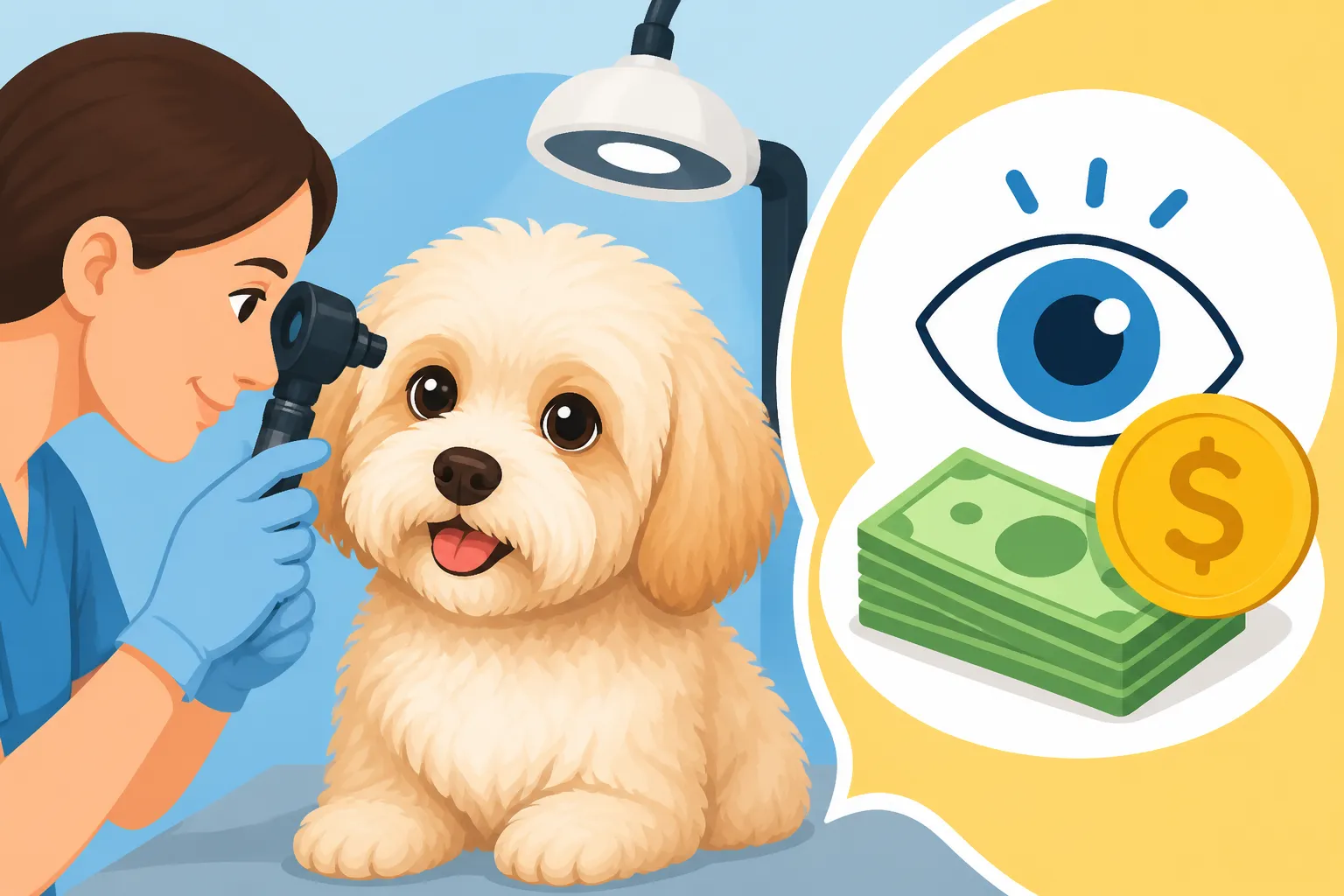
Facing an unexpected vet bill for something as seemingly simple as an eye exam can be jarring, especially when you have a tiny Maltipoo whose health feels so delicate and whose tiny eyes are often the first thing you notice. This guide will walk you through what goes into the cost of a Maltipoo eye exam, helping you understand the variables, what to expect, and how to budget for this essential part of their ongoing care.
Why Eye Health is So Critical for Your Maltipoo
It’s easy to think of eye problems as just a minor inconvenience, perhaps a little tear staining that’s more cosmetic than serious. But for our beloved Maltipoos, their eye health is intertwined with their overall quality of life and can be indicative of deeper issues. Given their genetic background, their eyes require particular attention.
Inherited Eye Conditions in Maltipoos
Maltipoos inherit traits from both the Maltese and the Poodle, and unfortunately, this can include a predisposition to certain eye conditions. The Poodle side, for instance, can pass down conditions like Progressive Retinal Atrophy (PRA), which can lead to blindness. Owners often worry about The Retinal Disease a Maltipoo Gets From the Poodle and what signs to look for. Similarly, both breeds can be prone to cataracts, which cloud the lens of the eye and impair vision, making the question of Whether a Maltipoo Gets Cataracts a common concern as they age.
Imagine your lively Maltipoo, who loves to chase a toy or greet you at the door, suddenly struggling to navigate familiar surroundings. This isn't just an inconvenience; it can be incredibly disorienting and frightening for them. Regular eye exams are vital not just for diagnosing these issues but for managing them to preserve as much vision and comfort as possible for your furry companion. Early detection can mean the difference between effective treatment and irreversible damage.
The Importance of Early Detection and Long-Term Well-being
Preventative care and early detection are absolutely key when it comes to eye health. Waiting until your Maltipoo is bumping into furniture or showing obvious signs of pain means a condition has likely progressed significantly, making treatment more complex and potentially more expensive. A routine eye exam can catch subtle changes before they become major problems. It's not just about saving money in the long run, though that's often a bonus; it's about safeguarding your Maltipoo's happiness and comfort.
Think of it like this: your vet checking your Maltipoo's eyes during their annual visit, which typically includes The Yearly Checks a Maltipoo Should Get, isn't just a formality. It's a proactive step to ensure they can continue to see the world clearly, enjoy their walks, and interact fully with their family. Being able to see is fundamental to a dog's confidence and engagement with their environment. Missing these routine checks means missing opportunities to intervene early.
The Factors Influencing Eye Exam Costs
It’s never a simple, flat fee when it comes to veterinary care, and eye exams are no exception. Several factors can influence the final cost, from the type of vet you see to the complexity of the tests required. Understanding these can help you anticipate expenses and make informed decisions.
Routine vs. Specialized Exams
The most significant factor affecting the cost of an eye exam for your Maltipoo is whether it's part of a routine check-up with your general veterinarian or a dedicated visit to a veterinary ophthalmologist.
A routine eye check by your family vet, often part of an overall wellness exam, is usually less expensive. They'll do a basic visual inspection, check for obvious signs of irritation or infection, and perhaps perform a simple tear test. This is often sufficient for monitoring general eye health and catching common issues like conjunctivitis or early signs of cataracts. For instance, if your Maltipoo has been pawing at its eyes or showing some redness, your general vet can usually diagnose and treat simple causes.
However, if your general vet suspects a more complex issue, such as a genetic condition, a deep corneal ulcer, or glaucoma, they will likely recommend a referral to a board-certified veterinary ophthalmologist. These specialists have advanced training and equipment, like slit lamps and specialized tonometers, to conduct thorough, in-depth examinations. While the expertise and diagnostic tools are invaluable, the cost for a specialist exam will naturally be higher than a routine vet visit. For a delicate breed prone to specific issues like Tear Duct Problems in a Maltipoo or advanced retinal disease, a specialist’s opinion can be critical for precise diagnosis and management.
Geographic Location and Clinic Type
Just like human healthcare, the cost of veterinary services, including eye exams, can vary dramatically based on where you live and the type of clinic you visit.
In bustling urban centers, where overheads like rent and staff salaries are higher, you can expect veterinary costs to be generally higher compared to rural areas. A state-of-the-art clinic in a major city often has more advanced equipment and a larger support staff, which also contributes to the cost structure. For example, a veterinary ophthalmologist's office in Los Angeles or New York City will likely have different pricing than one in a smaller town in the Midwest.
Beyond location, the type of clinic matters too. A small, independent private practice might have different pricing than a large corporate veterinary hospital or a university teaching hospital. University hospitals, while sometimes more expensive for certain procedures, often offer access to cutting-edge research, diagnostics, and a team of specialists collaborating on complex cases, which can be a huge benefit for intricate eye conditions. Before you even get to the clinic, it's always a good idea to call around to different practices in your area to get an estimate.
Additional Diagnostic Tests
While a visual exam is the first step, many eye conditions in Maltipoos require additional diagnostic tests to confirm a diagnosis and determine the best course of treatment. These tests add to the overall cost but are often essential for accurate care.
Common additional tests include:
- Schirmer Tear Test: This simple test measures tear production and is crucial for diagnosing Whether a Maltipoo Gets Dry Eye. It involves placing a small strip of paper in the eye for a minute to measure moisture.
- Fluorescein Stain: A non-toxic orange dye is applied to the eye to highlight any corneal abrasions or ulcers that might not be visible to the naked eye. This helps the vet see if the surface of the eye is damaged.
- Tonometry: This test measures intraocular pressure, which is vital for diagnosing glaucoma. It involves a small instrument gently touching the surface of the eye.
- Ophthalmoscopy (Direct and Indirect): Using specialized lights and lenses, the vet can examine the interior structures of the eye, like the retina and optic nerve, to detect conditions like PRA or other retinal diseases.
- Electroretinography (ERG): This advanced test measures the electrical activity of the retina in response to light, providing detailed information about its function. It's often used when retinal degeneration is suspected.
- Ocular Ultrasound: If the internal structures of the eye cannot be visualized due to cataracts or other opacities, an ultrasound can provide an image of what's inside.
Each of these tests carries its own fee, and a comprehensive exam might involve several. For instance, if your Maltipoo is squinting and tearing, your vet might start with a fluorescein stain to check for an ulcer, and if that's clear, move to a Schirmer tear test for dry eye. Understanding that these tests are not 'add-ons' but necessary diagnostic tools can help manage expectations regarding the final bill.
What to Expect During a Maltipoo Eye Exam
Walking into a vet appointment, especially for something as sensitive as eye issues, can be nerve-wracking. Knowing what will happen can ease some of that anxiety for both you and your precious Maltipoo. The process is thorough and designed to ensure nothing is missed.
The Initial Consultation
When you first arrive for your Maltipoo's eye exam, whether it’s with your general vet or a specialist, the appointment will begin with a comprehensive discussion about your dog's history and any current concerns. The vet or a veterinary technician will ask you a series of detailed questions:
- Symptoms: What specific signs have you noticed? Is your Maltipoo pawing at their eyes, squinting, experiencing discharge, or bumping into things?
- Duration: How long have these symptoms been present? Have they worsened, improved, or stayed the same?
- Medical History: Have there been any previous eye problems? What other health conditions does your Maltipoo have? Are they on any medications?
- Breed Predispositions: Knowing The Eyes a Maltipoo Gets From the Poodle helps the vet consider breed-specific conditions.
- Diet and Lifestyle: While seemingly unrelated, a holistic view helps rule out environmental factors or nutritional deficiencies. Perhaps your Maltipoo has been eating something new from Chewy or Ollie, or there have been changes to their environment.
This initial conversation is crucial. Your observations as the owner are invaluable, as you spend the most time with your Maltipoo and are often the first to notice subtle changes. Don't hesitate to share everything, even if it seems minor. This detailed history helps the vet narrow down potential causes and decide which diagnostic steps to take. They'll also perform a general physical examination to ensure there are no other obvious health issues contributing to the eye problem.
Ophthalmic Examination Steps
Once the history is taken, the actual eye examination begins. This is a multi-step process that utilizes various tools to get a complete picture of your Maltipoo's eye health. Your vet or the ophthalmologist will methodically work through each part of the eye.
First, they will typically perform a menace response and pupillary light reflex (PLR) test, checking if your Maltipoo blinks when an object approaches the eye and if the pupils constrict in response to light. These basic tests assess vision and nerve function.
Next, a visual inspection of the external eye structures – the eyelids, conjunctiva (the pink tissue lining the eyelids), and surrounding skin – will be done. They'll look for redness, swelling, discharge, or any abnormal hair growth, such as extra eyelashes that might be scratching the cornea, a condition called distichiasis.
Then, the vet will usually use a specialized instrument, often a magnifying lens with a light source (a Finoff transilluminator or a slit lamp biomicroscope if at a specialist), to closely examine the cornea (the clear front surface of the eye), the iris (the colored part), and the lens. This allows them to detect subtle changes like corneal ulcers, inflammation, or early cataracts. For instance, the slit lamp provides a magnified, three-dimensional view of the eye's anterior structures, which is critical for diagnosing nuanced conditions.
Finally, they will perform fundoscopy, using an ophthalmoscope to look at the back of the eye, specifically the retina and optic nerve. This helps identify conditions affecting vision, such as retinal atrophy or optic nerve damage. This part of the exam may require dilating your Maltipoo’s pupils with drops, which will blur their vision temporarily and make them sensitive to light, so you'll need to keep them in dim light for a few hours afterward. Your vet will explain this to you clearly.
Post-Exam Discussion and Recommendations
After the examination is complete and any necessary diagnostic tests have been performed, your vet will sit down with you to discuss their findings. This is your opportunity to ask questions and fully understand what's happening with your Maltipoo's eyes.
The vet will explain the diagnosis, whether it's a simple infection, dry eye, or a more serious condition. They will then outline the recommended treatment plan, which could include:
- Medications: Eye drops, ointments, or oral medications for infections, inflammation, or pain.
- Home Care Instructions: This might involve clearing the eyes more often or specific techniques for applying drops.
- Follow-up Appointments: For ongoing monitoring or to assess the effectiveness of treatment.
- Referral to a Specialist: If the condition requires advanced care that a general practice cannot provide.
- Preventative Measures: Advice on ongoing care, such as The Daily Face Wipe a Maltipoo Needs to manage tear staining or ways to support general eye health.
They will also discuss the prognosis – what you can expect in terms of recovery or long-term management – and any potential associated costs for treatments, medications, and future appointments. This comprehensive discussion empowers you to make the best decisions for your Maltipoo's health and budget.
Managing the Costs of Maltipoo Eye Care
The health of your Maltipoo is priceless, but vet bills can quickly add up. Understanding how to manage these costs proactively can relieve financial stress and ensure your furry friend gets the best possible care without breaking the bank.
Pet Insurance and Wellness Plans
Pet insurance has become an invaluable tool for many Maltipoo owners, offering a safety net for unexpected illnesses or accidents. When it comes to eye care, a good pet insurance policy can significantly offset the costs of diagnostic tests, specialist consultations, and treatments for more serious conditions. Companies like Healthy Paws offer comprehensive plans that could cover conditions ranging from glaucoma to cataracts, especially if the condition isn't pre-existing when you enroll your Maltipoo.
It’s crucial to research different providers and understand what their policies cover. Some plans might be accident-only, which won't help with an inherited eye disease, while others offer more robust illness and accident coverage. There are also wellness plans, sometimes offered as add-ons or standalone services, which might cover routine eye exams, vaccinations, and parasite prevention. These plans usually work on a reimbursement basis, where you pay upfront and then submit a claim. Getting your Maltipoo insured early, before any conditions manifest, is generally the best strategy to ensure coverage.
| Feature | Routine Vet Exam (General Practice) | Specialist Ophthalmologist Exam |
|---|---|---|
| Purpose | General health check, initial symptom assessment | In-depth diagnosis of complex eye conditions |
| Provider | Your primary veterinarian | Board-certified veterinary ophthalmologist |
| Equipment | Basic ophthalmoscope, magnifying lens | Slit lamp, tonometer, advanced imaging |
| Cost Expectation | Lower | Higher |
| Common Diagnoses | Conjunctivitis, mild irritation, early cataracts | Glaucoma, advanced PRA, severe ulcers |
| Referral Needed? | No, for initial visit | Yes, usually from general vet |
Preventative Care at Home
While professional vet visits are essential, a significant portion of eye care for your Maltipoo can happen right at home through consistent preventative measures. These daily habits are often inexpensive and can help reduce the frequency of vet visits for minor issues, saving you money in the long run.
One of the most common concerns for Maltipoo owners is tear staining, especially if your dog has a lighter coat. Regular cleaning is key. Use a soft, damp cloth or a pet-specific eye wipe to gently clean around your Maltipoo's eyes daily. This removes debris, crust, and excess moisture that can lead to irritation and staining. For persistent staining, your vet might recommend specific cleaning solutions, but generally, consistent wiping is your first line of defense. Knowing Whether a Blocked Tear Duct Explains a Maltipoo's Stains can help you differentiate between cosmetic and medical issues.
Nutrition also plays a role in overall health, including eye health. Ensuring your Maltipoo receives a balanced diet with essential vitamins and antioxidants can support their immune system and eye function. Look for high-quality dog foods, perhaps from a trusted brand like Chewy, which offers a wide range of options, or consider fresh food services like Ollie that provide carefully balanced meals. Sometimes, supplements containing Omega-3 fatty acids or antioxidants are recommended for eye health, but always consult your vet before adding these to your Maltipoo's diet.
Budgeting and Financial Planning
Even with pet insurance and diligent home care, veterinary costs are an unavoidable part of pet ownership. Creating a financial plan for your Maltipoo’s healthcare, including potential eye issues, can alleviate stress when bills arrive.
Consider setting up a dedicated savings account specifically for your pet's medical expenses. You could allocate a small amount each month, much like people save for their own unexpected health costs. This way, when a routine eye exam turns into a need for specialized tests or medications, you have a fund available. Many owners find value in this approach, much like those who actively save for Setting Money Aside for a Maltipoo's Teeth because they know dental care is a major expense for this breed.
Another option is to discuss payment plans with your veterinary clinic. Many clinics understand that large bills can be challenging and are willing to work with owners on installment plans, or they may accept third-party credit services designed for veterinary care. Don't be afraid to have an open conversation about costs and your financial situation; your vet's priority is your Maltipoo's health, and they often want to help you find a feasible solution. Being prepared and proactive in your financial planning means you'll never have to compromise on your beloved Maltipoo’s eye health.
Disclaimer
This article is for general informational purposes only and does not constitute professional advice. Laws, prices and regulations vary by location and change over time. Consult a qualified professional for guidance on your specific situation.