Whether a Maltipoo Breeder Will Take the Dog Back
It’s a heart-wrenching thought, isn’t it? Bringing a precious Maltipoo puppy into your home, showering them with love, and then, for whatever reason, finding yourself in a position where you might have to give them up. It's a deeply painful and often guilt-ridden experience for any dog owner. One of the first questions that often crosses your mind when facing this difficult decision is whether the breeder you got your furry family member from would even consider taking them back. This guide will walk you through the realities of breeder contracts, ethical considerations, and how to approach such a sensitive conversation, helping you understand your options during an incredibly tough time.
The Breeder Contract: Your First and Most Important Document
When you brought your Maltipoo home, you likely signed a contract. Many people skim these documents, focusing on the exciting parts like the puppy's health guarantee or vaccination schedule. However, a responsible breeder’s contract is a comprehensive agreement that often includes clauses about what happens if you can no longer care for your dog. This document isn't just a formality; it's a blueprint for your responsibilities and the breeder's commitment.
Reading the Fine Print on Rehoming Clauses
One of the most crucial sections in a well-written breeder contract will be about rehoming or relinquishment. You might find terms like "first right of refusal," "must return to breeder," or "no rehoming without breeder consent." These clauses aren't there to make your life harder; they are a sign of a breeder's lifelong dedication to the dogs they bring into the world.
For example, a "first right of refusal" clause means that if you ever need to rehome your Maltipoo, the breeder has the first option to take them back, often at no cost to you or for a minimal fee. They want to ensure their puppies never end up in shelters or unknown situations. A "must return to breeder" clause is even more explicit, legally obligating you to send the dog back to them. This ensures the breeder maintains control over their bloodlines and, more importantly, can oversee the welfare of the dog in its next home.
These clauses highlight why reputable breeders include them: welfare, reputation, and control. They’ve invested countless hours, resources, and love into raising these puppies, and they want to protect them. They also want to ensure that if a puppy has a specific health issue, such as Slipping Kneecaps in a Maltipoo or The Liver Shunt a Maltipoo Can Inherit From the Maltese, they are aware and can guide the new owners or manage the condition themselves. This level of commitment is a hallmark of ethical breeding.
When a Contract Doesn't Explicitly Cover Returns
What if you dig out your contract and find no specific rehoming clause? This can be a tricky situation. Legally, if there's no clause, you might not be obligated to return the dog to the breeder. However, there's a strong ethical responsibility that often extends beyond the written word. Most responsible breeders operate under the understanding that they are a safety net for their puppies, regardless of whether it's explicitly stated in every line of the contract.
The absence of a clause doesn't mean the breeder won't want to help. In fact, an ethical breeder will almost always want to know what’s happening with their dogs throughout their lives. They might still offer to take the Maltipoo back, help you find a new home, or provide guidance. The importance of open communication becomes paramount here. Approaching your breeder with honesty and humility, even without a clear contractual obligation, is usually the best course of action. It allows them to understand the situation and potentially step in, upholding their commitment to the well-being of the dogs they’ve bred.
Reasons a Maltipoo Might Need Rehoming (and How Breeders View Them)
Life happens, and sometimes, even with the best intentions, circumstances change. Understanding the various reasons a Maltipoo might need rehoming can help you frame your conversation with your breeder, as they often have different perspectives on these challenges.
Health Issues: When the Unforeseen Happens
One of the most heartbreaking reasons to consider rehoming a pet is unexpected health issues. Despite careful breeding, some conditions can surface. Perhaps your Maltipoo developed a severe allergy or a complex congenital condition not covered by your initial health guarantee. For instance, sometimes a puppy might develop a serious condition like White Shaker Syndrome in a Maltipoo or an autoimmune disorder.
Most reputable breeders offer a health guarantee, often outlined in your purchase agreement. This guarantee typically covers congenital or hereditary issues for a certain period, usually the first year or two. If a serious health issue arises that the guarantee covers, the breeder might offer to take the dog back, provide a replacement puppy, or contribute to veterinary costs. This is where a good contract, such as one detailing What a Maltipoo Health Guarantee Should Say, becomes invaluable.
However, even if a condition isn't covered by a guarantee, an ethical breeder will still likely want to be informed. They might have experience with certain conditions in their lines or be able to offer advice, connect you with specialists, or even help with rehoming to a family prepared for specific medical needs. This is also why many experienced owners recommend looking into pet insurance, such as through providers like Healthy Paws, early in your Maltipoo's life. It can be a true lifesaver for unexpected medical bills, preventing a health crisis from becoming a rehoming crisis.
Behavioral Challenges: More Than Just a "Bad Dog"
Sometimes, behavioral issues can overwhelm an owner. These can range from persistent housetraining problems (Why Housetraining a Maltipoo Takes Longer Than You Expect) to separation anxiety, excessive barking, or even fear-based aggression. It's easy to feel like you've failed or that your dog is "bad," but often, these are complex issues that require specific training and management.
Breeders understand that not every puppy is a perfect fit for every home, and sometimes temperaments can develop in unexpected ways. While they expect owners to invest in training and behavior modification, a truly ethical breeder will want to know if their puppy is struggling. They might offer advice, recommend professional trainers, or even have a network of previous buyers who could provide a suitable environment for a dog with specific needs. They want their puppies to thrive, and sometimes that means acknowledging a mismatch.
However, a breeder might be more amenable to a return if the behavioral issues are severe, unmanageable, and potentially traced back to genetics or early environmental factors beyond the owner's control. They might recognize if a particular puppy carries The Coin Flip Inside Every Maltipoo Puppy where one personality trait from the Maltese or Poodle side became dominant in a way that truly challenged the owner. It's a conversation that requires honesty about the efforts you've already made.
Life Changes: The Unpredictable Nature of Ownership
Life is unpredictable, and sometimes major shifts happen that make continued pet ownership impossible. Divorce, job loss, severe allergies in a new family member, relocation to a no-pets apartment, or even the arrival of a new baby can all lead to the heartbreaking decision to rehome. These are not typically issues covered by a health guarantee or breeder responsibility, but an ethical breeder's compassion often extends to these scenarios.
In these situations, the breeder's primary concern will almost always be the Maltipoo's welfare. While they might not offer a refund, they will often step up to help find a new, loving home. They have a vested interest in protecting the dogs they breed and ensuring they don't end up in high-kill shelters. This is a testament to the fact that ethical breeders view their puppies as lifelong commitments, not just transactions. They’ve poured their hearts into creating What the Maltipoo Was Bred to Be—a loving companion—and they want that intention honored.
Navigating the Conversation: Approaching Your Breeder
Approaching your breeder about rehoming your Maltipoo can feel incredibly awkward and even shameful. However, remember that an ethical breeder will appreciate your honesty and proactive communication. This is a difficult conversation, but it's essential for your Maltipoo's future.
Openness and Honesty: Building Trust
When you contact your breeder, be completely open and honest about your situation. Explain why you are considering rehoming, what steps you've already taken (e.g., vet visits, training attempts), and what your ideal outcome would be. Don't minimize the challenges or exaggerate them; simply state the facts with as much calm as you can muster.
Prepare any relevant documentation:
- Your original purchase contract.
- Veterinary records, especially if health issues are a factor.
- Notes on any training you've attempted, trainers you've consulted, or behavioral observations.
- A clear explanation of your personal circumstances if life changes are the cause.
Approaching the conversation collaboratively, rather than making demands, is key. Start by saying something like, "I'm reaching out because I'm facing a very difficult situation with [Maltipoo's Name] and I wanted to discuss the rehoming clause in our contract, or simply seek your advice and assistance." Remember, most breeders want to work with you to ensure the best for their dogs.
Discussing Options: Not Just a Full Return
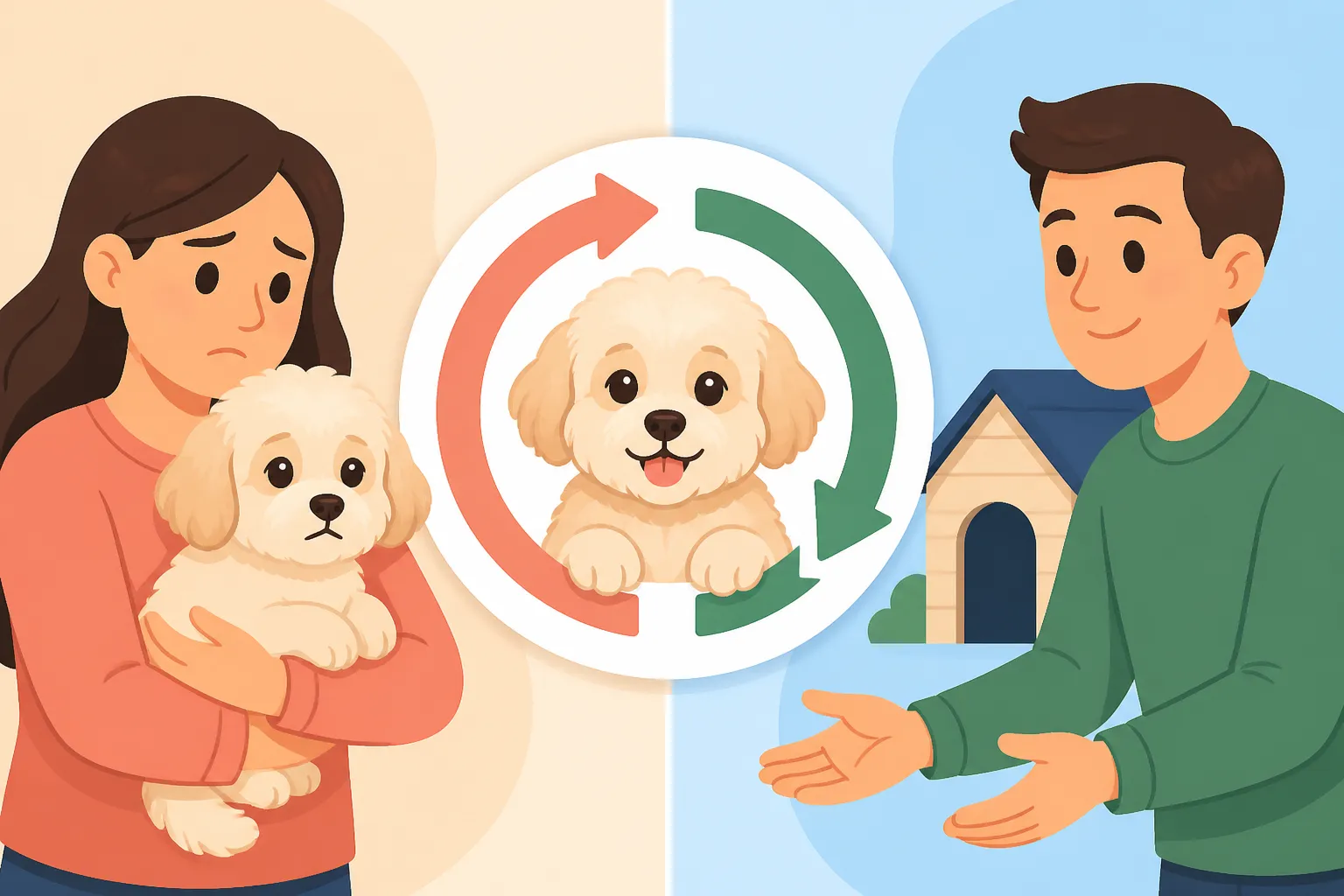
It’s important to understand that "taking the dog back" can mean several things. It might not always be a full refund or an immediate placement back into the breeder's home. The breeder might offer various solutions:
- Direct Take-Back: They might have space and be willing to take the Maltipoo back immediately. This is often the quickest and most straightforward option if it's outlined in your contract.
- Assisted Rehoming: The breeder might leverage their network of interested buyers or previous puppy owners to help find a new home. They might ask you to keep the Maltipoo while they vet potential families, then facilitate the transfer. This ensures the dog goes to a suitable, pre-approved home under the breeder's guidance.
- Temporary Foster: If the breeder doesn't have immediate space but wants to help, they might arrange for your Maltipoo to go into a temporary foster home until a permanent placement is found.
- Guidance and Resources: Even if they can't take the dog back directly, they might offer invaluable advice on how to responsibly rehome your Maltipoo, which rescues to contact, or how to screen potential new owners.
Regarding finances, be prepared for various scenarios. Your contract might specify Whether a Maltipoo Breeder Returns Money, or there might be no mention of it. If health issues covered by a guarantee are the reason for return, a refund or replacement might be part of the agreement. For other reasons, particularly if the dog is older, a refund is less likely, but the peace of mind that your dog is safe and loved can be priceless.
Alternatives to Returning to the Breeder
If, for any reason, your breeder is unable or unwilling to take your Maltipoo back (though this is rare with truly ethical breeders), you still have responsible options. Please, never resort to giving your dog away on free online marketplaces or to strangers without proper vetting. This puts your Maltipoo at immense risk.
Consider these alternatives:
- Breed-Specific Rescues: Look for Maltese or Poodle rescue organizations in your area. Many of these rescues will accept Maltipoos because of their parent breeds. They are experts in these types of dogs and will meticulously screen potential adopters.
- All-Breed Rescues: Reputable all-breed rescues also do excellent work, ensuring dogs are medically checked, spayed/neutered, and placed in carefully vetted homes.
- Rehoming Networks: There are services that help responsible owners rehome their pets directly, offering screening tools and advice.
- Friends and Family: Sometimes, a trusted friend or family member who knows your Maltipoo might be able to provide a loving home. Ensure they understand the commitment and are prepared for the specific needs of a Maltipoo, such as their grooming requirements or potential for conditions like Hypoglycemia and the Teacup Maltipoo Puppy in smaller pups.
Remember, the goal is always to find a safe, stable, and loving forever home for your Maltipoo. Your breeder should be your first call, but not your only resource if they cannot assist.
The Ethical Breeder vs. The Commercial Operation
The willingness of a breeder to take back or assist with rehoming a Maltipoo is often a strong indicator of their ethical standards. There's a vast difference between a dedicated hobby breeder and a commercial operation.
Red Flags: When a Breeder Doesn't Care
Unfortunately, not all breeders operate with the same high standards. If you encountered red flags when you originally purchased your Maltipoo, you might find similar issues now. These include:
- Lack of Contract: No written agreement at all, or a very sparse one, is a huge red flag. A legitimate breeder wants everything in writing, including what happens if you can't keep the dog.
- No Health Testing: If the breeder couldn't provide The Four Certificates a Maltipoo Breeder Should Show for the parent dogs (like patella clearances, eye exams, or genetic testing), it suggests they prioritize profit over health, making them less likely to care about a dog's long-term welfare or take it back if issues arise.
- Poor Communication Post-Sale: A breeder who disappears after the sale, or is difficult to reach, is unlikely to step up when you need rehoming assistance.
- Mass Breeding Operations: Breeders who have multiple breeds, constant litters, or can't show you the puppy's living environment are often more concerned with volume than individual dog welfare.
These types of breeders are far less likely to honor any unwritten ethical obligations or even poorly written contractual ones. If you bought your Maltipoo from such an operation, you might find yourself without support, making the alternative rehoming options even more critical.
Signs of a Responsible and Supportive Breeder
On the flip side, an ethical, responsible Maltipoo breeder will almost always be your best ally in a rehoming situation. Their practices demonstrate a lifelong commitment:
- Comprehensive Contracts: Their contract clearly outlines health guarantees, spay/neuter clauses, and rehoming procedures. They see these documents as protection for the dog.
- Lifetime Support: They invite questions, want updates, and consider themselves a resource for you for the dog’s entire life. They often provide extensive guidance on everything from training to nutrition. Many even recommend specific products from trusted sources like Chewy for all your pet needs or quality food brands like Ollie for optimal health.
- Health Focus: They carefully screen their breeding dogs, prioritize the health of their puppies, and are transparent about potential breed-specific health concerns. They are generally invested in preventing issues like The Forty Two Teeth Crowding a Maltipoo's Jaw and proactively advise on dental care, for instance.
- Concern for Placement: They thoroughly vet you before selling a puppy, asking many questions to ensure their puppies go to suitable homes. This diligence extends to finding a second suitable home if needed.
- Community Network: Many ethical breeders maintain a community of previous buyers, offering support, advice, and sometimes even a network for rehoming if a direct return isn't feasible.
In essence, an ethical breeder isn't just selling a puppy; they are placing a family member and taking responsibility for that life. They view taking back a dog, or assisting in its rehoming, not as a burden, but as a moral imperative to uphold their commitment.
When considering the stark differences between breeders, it becomes clear why selecting a responsible one is so important, not just for the initial purchase but for the lifetime of your Maltipoo.
| Feature | Ethical Breeder | Commercial Operation / Puppy Mill |
|---|---|---|
| Contract / Rehoming | Comprehensive, often includes "first right of refusal" | Minimal or no contract, no interest in rehoming |
| Health Guarantee | Clear, covers congenital issues, detailed | Vague or non-existent, difficult to enforce |
| Parent Health Testing | Provides proof of health clearances | No testing or evasive answers |
| Post-Sale Support | Offers lifelong support, advice, community | Disappears after transaction, poor communication |
| Reasons for Rehoming | Understands and assists with health, behavior, life changes | Views issues as solely buyer's problem |
| Dog's Welfare Priority | High; takes responsibility for dog's entire life | Low; primarily profit-driven, little concern for outcomes |
| Rehoming Assistance | Will likely take back, assist, or guide | Unlikely to take back, may offer no help |
Disclaimer
This article is for general informational purposes only and does not constitute professional advice. Laws, prices and regulations vary by location and change over time. Consult a qualified professional for guidance on your specific situation.