Whether a Maltipoo Regresses at Six Months
It’s a scenario many Maltipoo owners know all too well: you’ve put in months of diligent training, celebrated milestones like consistent potty breaks and a solid "sit," only to wake up one morning feeling like your sweet, well-behaved puppy has transformed into a furry, forgetful teenager. This guide is here to walk you through the common phenomenon of behavioral regression in Maltipoos around six months of age, explaining why it happens, what it looks like, and crucially, how you can navigate this challenging phase with patience and effective strategies.
The Adolescent Brain: Why Your Maltipoo Might Seem to Forget Everything
Just like human teenagers, adolescent Maltipoos go through a period of immense physical and mental change, and it’s completely normal for some of their previously learned behaviors to seem to regress or disappear altogether. This isn't your Maltipoo being stubborn or malicious; it's a genuine developmental stage often nicknamed "the teenage phase" or "second fear period." It usually kicks in around six months and can last until they're about 18 months to two years old, depending on the individual dog.
Hormonal Shifts and Brain Development
Around six months, your Maltipoo is hitting sexual maturity. Even if they're spayed or neutered around this time, the hormonal shifts leading up to that point can be pretty dramatic. Think of it as a surge of new chemicals flooding their brain, potentially impacting their focus, impulse control, and even how they perceive their environment. Their brains are literally rewiring, with some pathways becoming stronger and others temporarily less accessible. This can manifest as an inability to recall commands they knew perfectly just weeks before or a sudden reluctance to engage in training. They might be more easily distracted by sights, sounds, or smells that they previously ignored, making outdoor walks or group classes particularly frustrating.
Testing Boundaries and Growing Independence
Until now, your Maltipoo puppy has likely been a little sponge, eager to please and relatively compliant. As they enter adolescence, a natural instinct to test boundaries and assert their independence kicks in. This isn't about disrespect; it's a vital part of their development as they figure out their place in the world and their relationship with you. They might suddenly decide that coming when called is optional, or that snatching a forbidden item is more interesting than a treat. This phase is less about forgetting and more about choosing not to comply, or exploring what happens if they don't. It's a critical time for you to reinforce that you are still the reliable leader and that good choices lead to good outcomes.
Common Areas Where Maltipoos "Regress"
This adolescent phase can throw a wrench into several aspects of your Maltipoo's behavior, leading to frustration for even the most patient owner. Recognizing these common areas of regression can help you prepare and react appropriately.
Housetraining Suddenly Falters
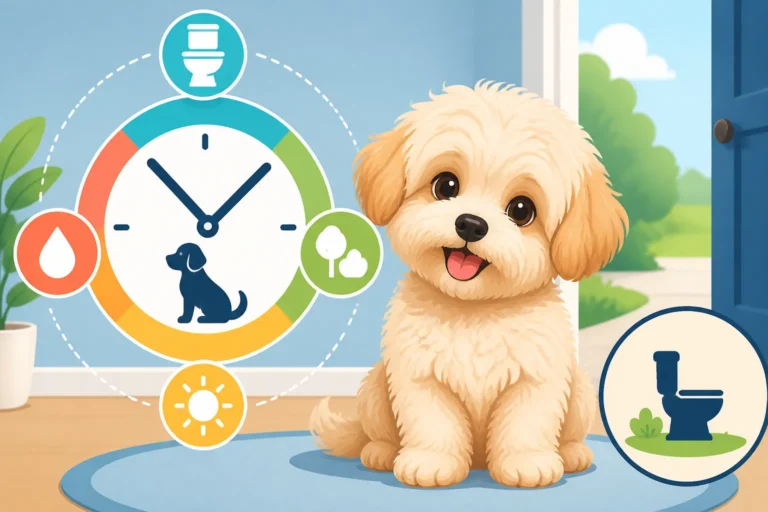
One of the most disheartening forms of regression for any owner is when a perfectly housetrained Maltipoo suddenly starts having accidents indoors again. You thought you were past this, right? It could be a full bladder on the carpet or, perhaps even more frustrating, a sneaky little pee right after they’ve just been outside. This often happens because they're either pushing boundaries, marking territory (especially unneutered males), or simply becoming more easily distracted during their outdoor potty breaks. They might get outside, sniff around, get absorbed by a leaf blowing by, and then forget the primary mission until they're back inside on your favorite rug. It feels like they're doing it on purpose, but it's usually a combination of these factors. This is a common time to rethink How Many Months Before a Maltipoo Stops Having Accidents and revisit the basics.
Selective Hearing and Command Neglect
Remember how your Maltipoo used to come bounding to you the moment you called their name, or sit patiently when asked? Now, it might feel like they've developed selective hearing. When you call, they might pause, look at you, and then deliberately turn their head away and continue sniffing that interesting patch of grass. Or they might follow a command, but with a noticeable delay, as if weighing their options. This isn't them being deaf; it's a sign of their growing independence and the testing of your leadership. Distractions become far more potent, and their focus on you wanes. This is a prime example of them exploring those boundaries we talked about, and it's a crucial time to re-establish consistency.
Increased Chewing and Destructive Behavior
While puppy chewing is usually about teething and exploration, adolescent chewing can become more destructive. Your Maltipoo might suddenly target furniture legs, shoes, or remote controls with renewed vigor. This isn't just about teething anymore; it can be a way to relieve boredom, manage anxiety, or simply explore their world with their mouth. With their adult teeth fully in, they have more powerful jaws capable of doing real damage. This is a great opportunity to redirect their chewing toward appropriate, durable toys. Consider investing in a variety of robust chew toys from places like Amazon to keep them mentally stimulated and physically satisfied.
Reactivity and Fear Periods
Many dogs go through a "second fear period" during adolescence, often coinciding with this six-month mark. Things that never bothered your Maltipoo before – a passing cyclist, a loud garbage truck, or even a new person approaching – might suddenly seem terrifying. They might bark, lunge, or cower. This is a crucial time to avoid forcing them into situations that scare them and instead, work on positive reinforcement to help them build confidence. A scary experience during this period can have a lasting impact, so gentle exposure and positive associations are key. It’s important to remember that this isn't them being "bad"; it's a natural, vulnerable phase.
Navigating the "Teenage" Phase: Strategies for Success
Dealing with a regressing Maltipoo can be frustrating, but with the right approach, you can guide them through this stage and emerge with an even stronger bond. Patience, consistency, and a sense of humor are your best tools.
Go "Back to Basics" with Training
The most effective strategy is to treat your Maltipoo as if they're a brand new puppy again in the areas where they're regressing. This means stepping up supervision, increasing potty breaks, and re-teaching commands in low-distraction environments before gradually increasing the challenge.
Housetraining:
- Frequent Potty Breaks: Take your Maltipoo out much more often than you think they need to go, especially after waking, eating, and playing.
- Supervision: Keep them on a leash indoors or in the same room as you so you can catch any signs they need to go out.
- Positive Reinforcement: Lavishly praise and reward them every single time they potty outside, even if they've had an accident indoors just minutes before. Avoid punishment for indoor accidents; it only teaches them to hide their elimination from you.
- Clean Up Thoroughly: Use an enzymatic cleaner for any accidents to completely eliminate the odor, which can otherwise attract them back to the same spot.
For more detailed strategies, you might want to review Why Housetraining a Maltipoo Takes Longer Than You Expect.
Commands:
- Short, Fun Sessions: Revisit basic commands like "sit," "stay," and "come" in very short, positive training sessions. Focus on success and keep it fun.
- High-Value Rewards: Use extra-special treats that your Maltipoo absolutely loves to motivate them.
- Reduce Distractions: Start practicing in a quiet room, then gradually move to areas with more distractions as they gain confidence and consistency.
- Leash Management: When outside, keep them on a long line so you can still reinforce "come" even if they try to bolt. Remember, Teaching a Maltipoo to Come When Called is vital for their safety.
Boost Mental Stimulation and Physical Exercise
A bored Maltipoo is often a naughty Maltipoo. Adolescents have more energy and need more mental engagement than younger puppies.
- Puzzle Toys: Invest in puzzle feeders or treat-dispensing toys that make your Maltipoo work for their food or treats. This taps into their natural problem-solving instincts.
- Interactive Play: Engage in games of fetch, tug, or hide-and-seek around the house. This builds your bond and burns off energy.
- Enrichment Walks: Instead of just routine walks, allow them time to sniff and explore. Their nose is a powerful tool for mental stimulation.
- Dog Sports: If your Maltipoo is physically sound (especially important to consider with the potential for Slipping Kneecaps in a Maltipoo), explore beginner agility, scent work, or rally obedience classes. These are fantastic for both mental and physical exercise.
Maintain a Consistent Routine
Dogs thrive on routine, and a consistent schedule can be incredibly grounding for an adolescent Maltipoo who might be feeling a bit discombobulated by their own internal changes.
| Aspect of Routine | Puppy (2-5 Months) | Adolescent (6-18 Months) |
|---|---|---|
| Feeding | 3-4 small meals, strict schedule | 2-3 meals, consistent times |
| Potty Breaks | Every 1-2 hours, after waking/eating/playing | Every 3-4 hours, still consistent after activities |
| Training | Short, frequent sessions (5-10 min) | Short, consistent sessions (10-15 min), focus on recall |
| Exercise | Multiple short walks, supervised play | Longer walks (as appropriate), structured playtime |
| Bedtime | Early, consistent | Consistent, can hold bladder longer |
Consistency in feeding, potty breaks, and training sessions helps reinforce expectations and provides a sense of security. If you're struggling with house training, revisiting How Long a Maltipoo Puppy Holds It Overnight can offer valuable insights for adjusting nighttime routines.
Manage the Environment and Prevent Bad Habits
Prevention is always easier than correction. During this "teenage phase," manage your Maltipoo's environment to set them up for success.
- Puppy Proofing (Revisited): Assume your Maltipoo will try to chew everything again. Put away shoes, secure cords, and block off access to forbidden areas.
- Crate Training: If you crate trained your Maltipoo, continue to use it as a safe, quiet space. It can be invaluable for managing their behavior when you can't supervise directly. If you're considering it, read up on Whether Crate Training Speeds a Maltipoo Up.
- Leash Manners: Don't let new pulling or lunging habits take hold. Practice loose-leash walking in quiet areas and use a comfortable harness instead of a collar to protect their delicate trachea. Why a Maltipoo Should Never Wear a Collar explains why this is so important.
Consider Professional Guidance
If you're feeling overwhelmed, don't hesitate to seek professional help. A qualified dog trainer or behaviorist can offer tailored advice and support. Sometimes an objective eye can spot things you might be missing. Many reputable trainers offer online courses or private consultations, which can be a lifeline during this trying time. For example, some programs, like BAXTER & Bella, offer comprehensive online training support that can guide you through every stage, including adolescence, right from the comfort of your home. They can help you implement strategies for things like impulse control and advanced obedience that are crucial during this phase.
When to Be Concerned: Red Flags and Seeking Help
While regression is normal, it's important to distinguish between typical adolescent challenges and more serious behavioral or health issues. There are times when you should definitely reach out to your veterinarian or a certified professional.
Sudden, Dramatic Changes in Behavior
If your Maltipoo's behavior changes very suddenly and drastically, beyond just selective hearing or a few accidents, it could be a sign of an underlying issue. This might include:
- Aggression: New growling, snapping, or biting, especially if unprovoked.
- Extreme Fear or Anxiety: Becoming constantly fearful, hiding, or showing signs of separation anxiety when you leave.
- Loss of Appetite or Lethargy: Any significant change in eating habits or energy levels.
- Compulsive Behaviors: Excessive licking, tail chasing, or pacing.
These are not typical adolescent regressions and warrant immediate professional attention.
Persistent Health Concerns
Sometimes what looks like behavioral regression is actually a symptom of a physical ailment. For instance, increased accidents indoors could be a urinary tract infection or another bladder issue, not just a behavioral challenge. Excessive chewing might be a sign of dental pain. If you notice any accompanying physical symptoms – such as straining to urinate, lethargy, limping, or excessive drooling – always consult your veterinarian first. They can rule out medical causes before you delve deeper into behavioral solutions. For issues like dental health, which can crop up even in young dogs, understanding The Forty Two Teeth Crowding a Maltipoo's Jaw is essential.
Training Isn't Working
If you've consistently applied "back to basics" strategies for several weeks or months, and you're seeing no improvement, or even a worsening of behavior, it's time for professional intervention. A good trainer can observe your interactions with your Maltipoo, identify specific triggers, and teach you more advanced techniques. They can help you understand Whether a Maltipoo Is Too Soft for Correction and guide you on positive, effective methods. Remember, training is a journey, not a destination, and sometimes we all need a little help to navigate the trickier parts of the path. Companies like BAXTER & Bella can be a great resource for ongoing training support, offering structured lessons that can help you get back on track.
Navigating your Maltipoo's "teenage phase" can be a bumpy road, but it's a temporary one. With patience, consistency, and a proactive approach, you can help your beloved companion mature into a well-adjusted, delightful adult dog.
Disclaimer
This article is for general informational purposes only and does not constitute professional advice. Laws, prices and regulations vary by location and change over time. Consult a qualified professional for guidance on your specific situation.