Whether Grooming Stress Makes a Maltipoo Snap
It's a fear many Maltipoo parents quietly harbor: that moment during grooming when your sweet, usually docile little pup suddenly lashes out. You worry if the stress is too much, if you're hurting them, or if you're simply doing something wrong. This guide aims to tackle that worry head-on, helping you understand why grooming can be so stressful for Maltipoos and, more importantly, how to prevent those fraught moments and build a positive experience for your furry friend.
Understanding the Root Causes of Grooming Stress in Maltipoos
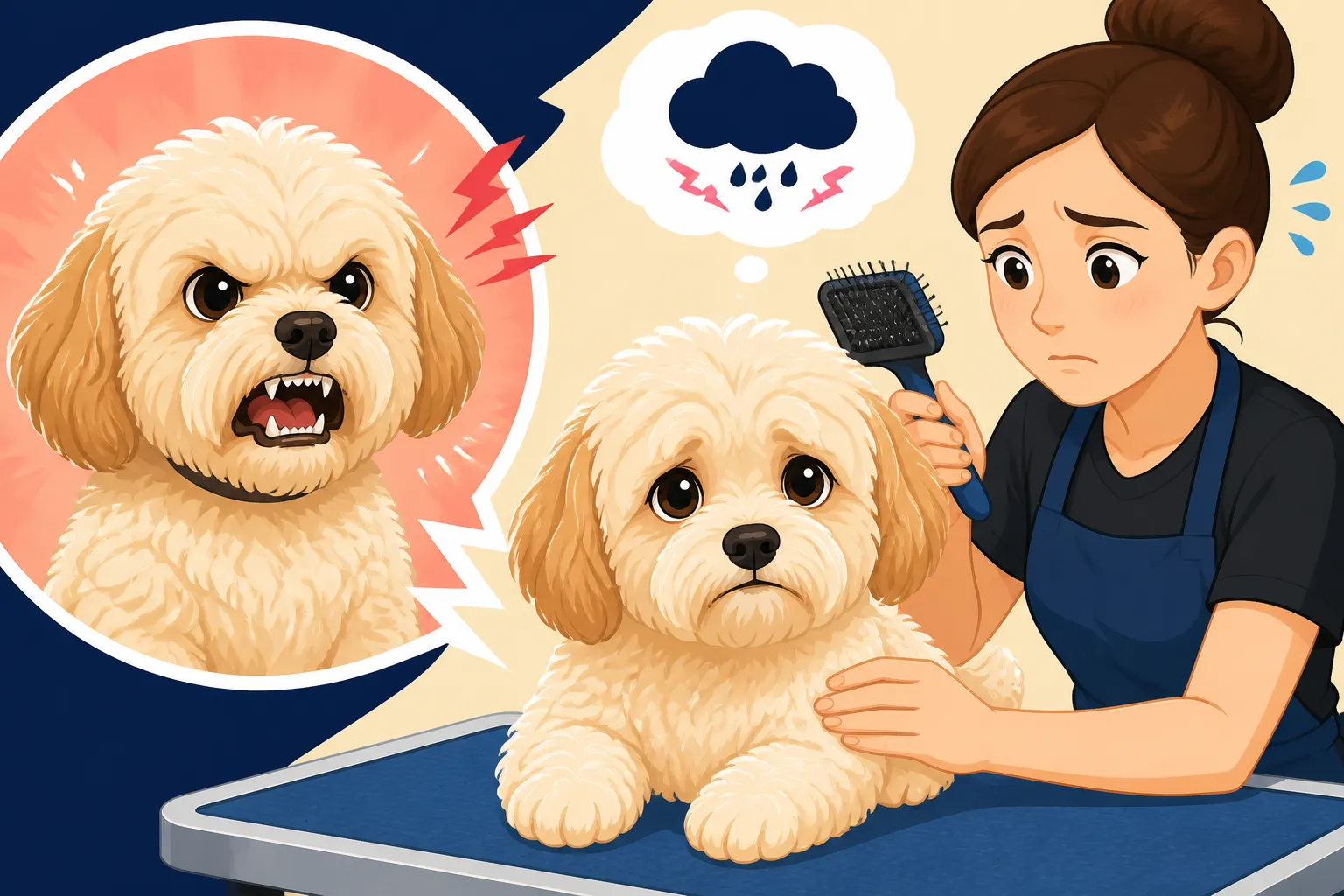
Grooming, for us, is a routine chore, but for a Maltipoo, it can be a sensory overload and a test of their patience. Their small size, delicate bodies, and often intense bond with their humans can make the process particularly challenging. When we see a "snap," it's rarely out of malice; it's almost always a symptom of overwhelming stress.
The Early Experiences (or Lack Thereof)
Imagine being handled by a giant, having strange tools touch your body, and being restrained, all without any prior positive association. This is often the reality for Maltipoos whose early experiences with grooming were either non-existent, negative, or simply not gradual enough. A Maltipoo puppy's temperament, a mix of the spirited Maltese and the intelligent Poodle, can lean either way. Some are naturally more tolerant, while others are highly sensitive.
If a puppy isn't introduced to gentle handling, nail trims, brushing, and the sound of clippers from a very young age, grooming later in life becomes a battle. Breeders who neglect this crucial socialization do their puppies a disservice. A Maltipoo who only experiences grooming as a stressful event, with rough handling, loud noises, or uncomfortable restraint, will quickly learn to associate it with fear and discomfort. This can lead to a fight-or-flight response, manifesting as nipping, growling, or even full-blown snapping. It's not about them being "bad"; it's about them feeling threatened and trying to communicate their distress. This foundation is why early, positive, and consistent handling is paramount, as discussed in Teaching a Maltipoo to Be Handled Every Two Weeks.
Physical Discomfort and Sensitivities
Maltipoos, especially those with thicker or curlier coats from their Poodle heritage, are prone to matting. When mats get tight, they pull on the skin, causing significant pain. Brushing out these mats, if not done gently and correctly, can be agonizing for the dog, making them fearful of the brush or comb. Similarly, their nails can grow quickly, and if not trimmed regularly, they can become overgrown, causing discomfort when walking and making nail trims a painful experience.
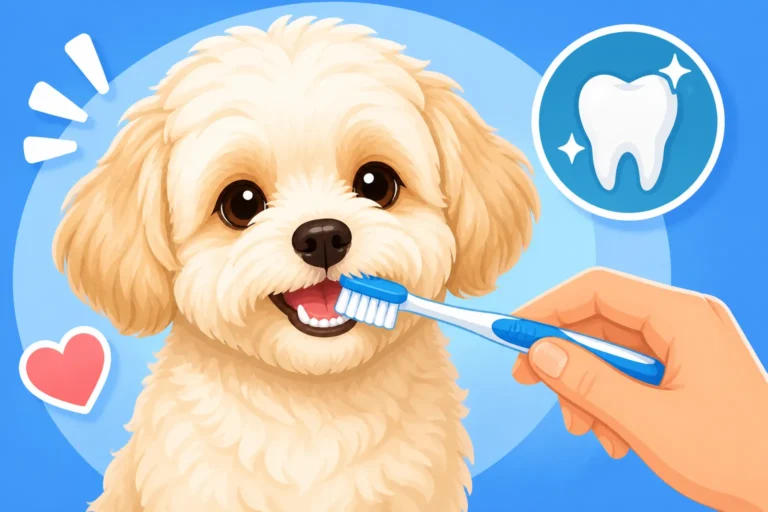
Beyond the coat and nails, Maltipoos have delicate skin and small bones. A grooming mishap, even a slight pull of hair or a nick, can be much more impactful on their tiny frame than on a larger dog. They might also have underlying conditions like slipping kneecaps or dental pain that make certain positions or handling uncomfortable. Imagine having a toothache and then someone trying to brush your teeth – you'd probably be resistant too! Sometimes, what looks like resistance is simply a cry for help because something physically hurts. Their mouths, in particular, are small, and getting a toothbrush in there or addressing retained baby teeth can be a challenge, as explored in Teaching a Maltipoo to Accept a Toothbrush.
Communication Breakdown and Fear
Dogs communicate through body language, and sometimes, in our haste to get grooming over with, we miss their subtle cues. A Maltipoo might start by licking its lips, yawning, or turning its head away. If these signals are ignored, they might escalate to freezing, trembling, or even growling. A "snap" is often the last resort, a desperate attempt to say "stop!" when all other signals have been missed or disregarded.
Fear also plays a massive role. The sound of cl clippers, the buzzing of an electric file, or the blast of a high-velocity dryer can be terrifying. For a small dog, these noises are magnified, and the sensation can be overwhelming. If a Maltipoo learns to associate grooming with fear, that fear response can become deeply ingrained. They might start showing signs of anxiety the moment you even get the grooming tools out, or when they realize they're headed to the groomer. This isn't stubbornness; it's a learned emotional response to a perceived threat.
Recognizing the Signs of Stress Before a "Snap"
Understanding your Maltipoo's body language is critical to preventing a full-blown "snap" during grooming. They are constantly communicating their emotional state, often long before they resort to biting. Learning to read these signals can help you de-escalate the situation and prevent a negative experience for both of you.
Subtle Cues and Body Language
Before your Maltipoo snaps, there's usually a whole spectrum of subtle signs indicating they're uncomfortable or stressed. These are often overlooked because they aren't as dramatic as a growl or a bite. Pay close attention to these early warnings:
- Lip Licking and Yawning: These can be signs of appeasement or stress, not necessarily hunger or tiredness. Your Maltipoo might lick their lips repeatedly or yawn when you're holding a brush near them.
- Head Turning and Averting Gaze: If your Maltipoo tries to turn their head away from the grooming tool or avoids eye contact, it's a clear signal they don't like what's happening.
- "Whale Eye": This is when you can see the whites of their eyes around the iris, giving them a wide-eyed, worried look. It indicates anxiety.
- Stiff Body Posture: A relaxed dog has a fluid, soft posture. If your Maltipoo becomes stiff, rigid, or freezes in place, it's a sign they're tensing up and uncomfortable.
- Tail Tucked or Low: A happy, confident Maltipoo usually has a high or wagging tail. A tucked tail, or one held very low and stiff, suggests fear or anxiety.
- Trembling or Shaking: While Maltipoos can shiver when cold, trembling during grooming is a classic sign of fear or stress. This is distinct from conditions like White Shaker Syndrome in a Maltipoo, but the fear-induced trembling is still a significant warning.
Ignoring these subtle cues is like missing a whispered warning; eventually, the warning will get louder. Many owners wonder if their trembling Maltipoo is cold or sick, but during grooming, it's often a sign of immense stress.
Escalating Behaviors
If the subtle cues are missed, your Maltipoo's communication will likely escalate. These behaviors are harder to miss and indicate a higher level of distress:
- Growling: This is a very clear warning signal. A low growl tells you to stop what you're doing immediately. It's a last-ditch effort before biting.
- Snapping (Air Biting): This is a warning bite, where your Maltipoo might snap their jaws closed near your hand or the grooming tool without actually making contact. It's a desperate plea to be left alone.
- Whining or Yelping: While some Maltipoos might vocalize during grooming if they're particularly sensitive, persistent whining or yelping indicates pain or extreme distress.
- Trying to Escape: If your Maltipoo actively tries to wriggle away, jump off the table, or hide, they are trying to remove themselves from the stressful situation. Restraining them further at this point can increase their anxiety.
These escalating behaviors are not defiance; they are expressions of a dog who feels trapped and overwhelmed. The moment you see these, it’s time to pause, reassess, and give your Maltipoo a break.
The Fight, Flight, or Freeze Response
When a Maltipoo is under extreme stress, they will revert to one of these primal survival responses. A "snap" is typically part of the "fight" response.
- Freeze: The dog becomes completely still, often with wide eyes. They might appear compliant, but they are actually terrified and too scared to move. This can be deceiving, as an owner might think the dog is "being good" when in reality, they are paralyzed by fear.
- Flight: The dog tries desperately to get away – pulling, wiggling, jumping, or running. This is their attempt to escape the perceived threat. If they can't flee, they might feel forced into the next response.
- Fight: This is when the dog feels there are no other options. They can't flee, and freezing isn't working, so they resort to aggression – barking, growling, lunging, and ultimately, biting or snapping. This is often the point where owners say their Maltipoo "snapped." It's a defensive mechanism, not an act of aggression.
Understanding these responses helps us realize that a Maltipoo who snaps is not a "bad" dog; they are a dog who has reached their breaking point due to fear, discomfort, or a combination of both.
Here’s a quick overview of common stress signals:
| Mild Stress Signals (Early Warnings) | Severe Stress Signals (Escalation) |
|---|---|
| Lip licking | Growling |
| Yawning (out of context) | Snapping (air biting) |
| Head turning away | Biting (making contact) |
| Averting gaze | Lunging |
| "Whale eye" | Reluctance to be touched |
| Stiff body posture | Trembling (intense) |
| Tail low or tucked | Trying to escape aggressively |
| Subtle trembling | Whining/yelping persistently |
| Piloerection (hackles up) | Vocalizing (fearful barks) |
Strategies to Minimize Grooming Stress and Prevent Snapping
The good news is that grooming stress is largely manageable with the right approach. It requires patience, consistency, and a deep understanding of your Maltipoo's individual needs and sensitivities. The goal is to transform grooming from a dreaded ordeal into a tolerable, or even enjoyable, experience.
Desensitization and Positive Reinforcement
This is the cornerstone of stress-free grooming. It involves gradually introducing your Maltipoo to grooming tools and procedures while associating them with positive experiences.
- Start Small, Go Slow: Don't try to do a full groom all at once. Begin with tiny steps. For example, just show your Maltipoo the brush, let them sniff it, and immediately give a high-value treat. Repeat this several times. Then, gently touch the brush to their back for a second, treat, and stop. Build up duration and intensity very slowly.
- Break It Down: Instead of trying to trim all nails at once, aim for one nail, then stop and reward. The next day, do another. This is especially helpful for areas they particularly dislike, such as having their face trimmed. Teaching a Maltipoo to Hold Still for Its Face is a perfect example of this.
- Positive Association: Every step of the grooming process should be paired with something positive. Use their favorite treats, praise in a happy voice, or a favorite toy. The moment they tolerate something, even for a second, reward generously. This teaches them that grooming means good things. For example, when introducing nail clippers, let them sniff, give a treat. Tap their paw with the clippers, give a treat. Only after many positive experiences do you try a tiny trim.
- Consistency is Key: Short, frequent sessions are far more effective than long, infrequent ones. Five minutes every day or every other day will yield much better results than an hour-long battle once a month. This regular handling, as discussed in How Often a Maltipoo Is Actually Handled, reinforces positive associations and keeps them accustomed to the process.
- Use Quality Tools: Invest in grooming tools designed for small, delicate breeds. A sharp, high-quality nail clipper or grinder will make the process quicker and less painful. A slicker brush and a metal comb (like those found on Amazon, for example) are essential for getting through their fine, often curly coat without pulling.
Creating a Calm and Safe Environment
The environment where you groom your Maltipoo significantly impacts their stress levels.
- Choose the Right Location: A quiet, familiar space where your Maltipoo feels safe is ideal. Avoid high-traffic areas or places with sudden loud noises. Some owners find a raised surface like a sturdy table (with a non-slip mat) helpful, as it saves your back and clearly delineates "grooming time." This aligns with the advice on Teaching a Maltipoo to Stand on a Grooming Table.
- Minimize Distractions: Turn off the TV, put your phone away, and ensure other pets or children aren't running around. Your full attention on your Maltipoo helps them feel secure.
- Calming Aids: Some Maltipoos benefit from calming music, a pheromone spray, or even a Thundershirt for mild anxiety. Never use force or yell, as this will only increase stress.
- Be Prepared: Have all your tools laid out before you start. Nothing increases a dog's anxiety more than seeing you fumbling around, searching for a comb while they're already stressed. This includes having a bounty of treats ready!
- Short Sessions, Frequent Breaks: If your Maltipoo shows signs of stress, take a break. Let them walk around, have a drink, or just snuggle. Then, if they're calmer, try another short session. Knowing they can have a break often makes them more tolerant. A quick The Two Week Face Trim a Maltipoo Needs can sometimes be broken into two short sessions.
Working with a Professional Groomer (or at Home)
Deciding whether to groom at home or use a professional is a personal choice, but either way, consistency and positive experiences are paramount.
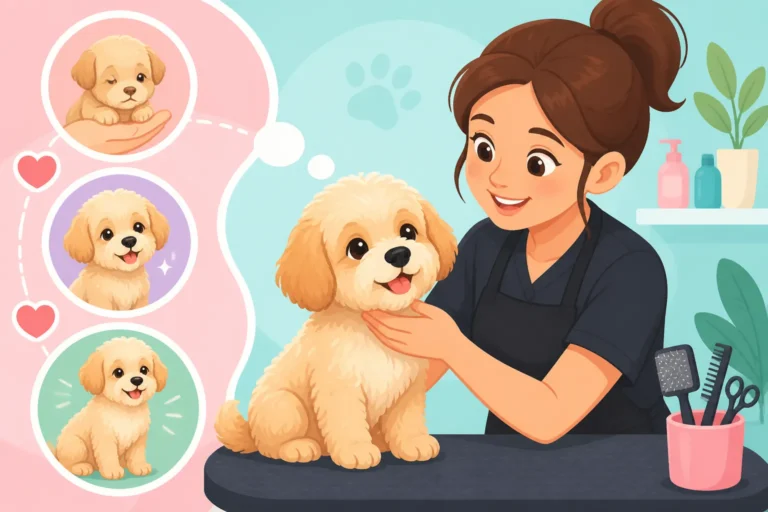
- Finding a Gentle Groomer: If you choose a professional, seek out one who specializes in small, sensitive breeds and prioritizes positive reinforcement. Look for groomers who offer "puppy intro" sessions, allowing your Maltipoo to visit, get treats, and experience the sounds without a full groom. Ask about their handling techniques and their approach to fearful dogs. A good groomer understands that sedating a Maltipoo for grooming, as discussed in Whether Sedation Is Ever Right for Grooming a Maltipoo, should be a last resort, not a routine.
- Maintaining Grooming Between Visits: Even with a professional groomer, regular home care is essential. Daily brushing prevents mats, making professional grooms less painful and therefore less stressful. Regular The Daily Face Wipe a Maltipoo Needs and ear checks also keep things manageable.
- Home Grooming Considerations: If you're committed to home grooming, invest in good quality clippers (with various blade lengths), scissors with blunt tips for safety, and an array of brushes and combs. Tools from brands available on Amazon or specialty pet stores (like some of the kits BAXTER & Bella might recommend for home training) can make a huge difference. Enroll in an online course or watch reputable tutorials to learn proper techniques to avoid accidental nicks or cuts. Remember, a single painful experience can set back weeks of positive training.
- When to Pause and Reassess: If despite your best efforts, your Maltipoo consistently displays severe stress or aggression, it's okay to take a step back. Consult with your veterinarian to rule out any underlying medical issues causing pain. Then, consider working with a certified professional dog trainer or a veterinary behaviorist who can help you implement a more structured desensitization program.
What to Do If Your Maltipoo Does Snap During Grooming
Even with the best intentions and preventative measures, a "snap" can happen. It's a frightening experience for both you and your Maltipoo, but how you react in that moment, and what you do afterward, can significantly impact future grooming experiences.
Immediate Steps to De-escalate
When a snap occurs, your primary goal is to de-escalate the situation safely for everyone involved.
- Stop Immediately: The very first thing to do is stop the grooming activity. Put down the tool you're using. Do not continue to push or force the issue. Continuing will only confirm your Maltipoo's fear that grooming is a threat, and it can escalate further.
- Create Space: If your Maltipoo is restrained (e.g., on a grooming table with a tether), gently and calmly release them. Allow them to move away from you or the grooming station. Give them a safe, quiet space to calm down. Do not physically restrain them if they are trying to get away, as this can lead to further defensive aggression.
- Assess for Injury (Yours and Theirs): Quickly check yourself for any nips or bites. If you are injured, clean and treat the wound appropriately. Then, once your Maltipoo has calmed slightly, gently check them for any accidental nicks or cuts from the grooming tools that might have caused the reaction. If there's an injury, address it with first aid or a vet visit.
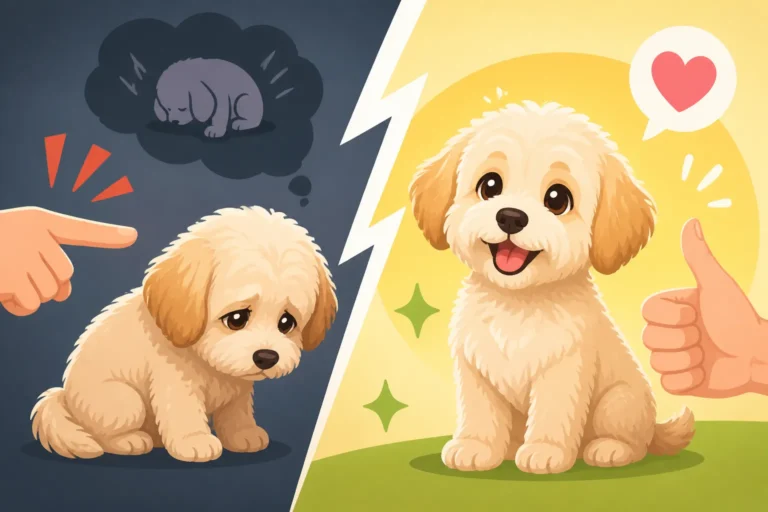
- Stay Calm: It's natural to feel frustrated, scared, or even angry when your dog snaps. However, reacting with anger, yelling, or punishment will only heighten your Maltipoo's fear and further damage your relationship. Take a deep breath. Your calm demeanor can help them calm down too.
- Re-establish Trust (Away from Grooming): Once things are calm, engage in a positive, non-grooming activity. Offer a favorite toy, a gentle snuggle on the sofa, or a short, fun game. The goal is to end the interaction on a positive note, even if grooming itself didn't go well, so your Maltipoo doesn't associate all interactions with the negative grooming event.
Long-Term Behavioral Adjustment
A snap is a symptom, not the problem itself. To truly address it, you need a long-term strategy focused on understanding and modifying the underlying fear or discomfort.
- Identify the Trigger: What exactly caused the snap? Was it the clippers near the face, the nail trim, an unexpected touch, or being held in a specific position? Try to pinpoint the exact moment or action that led to the behavior. Often, as detailed in Getting a Maltipoo Used to Clippers Near Its Eyes, specific sensitive areas are common triggers.
- Restart Desensitization from Square One (or Earlier): Go back to the very basics of desensitization, even if it means just showing the tool and treating. Focus intensely on the identified trigger areas. If the snap happened during a face trim, for example, start by simply touching their forehead, treating, and building up to holding the scissors near their face without actually trimming. This process needs to be incredibly slow and incremental.
- Change Grooming Tools or Techniques: Sometimes, a different tool can make all the difference. If clippers are too noisy, perhaps a quiet grinder for nails or hand-scissoring instead of electric clippers for certain body parts. If a specific brush pulls their hair, try a different type. Some dogs respond better to specific grooming styles, like a "puppy cut" that keeps their coat shorter and less prone to matting, thereby reducing brushing discomfort.
- Consult a Veterinarian: Always rule out pain. A snapping Maltipoo during grooming might have an undiagnosed ear infection, dental pain, orthopedic issues like Slipping Kneecaps in a Maltipoo, or even just sensitive skin. A vet check ensures you're not trying to groom a dog who is actively in pain.
- Utilize Professional Guidance: If you're struggling to make progress on your own, it's crucial to seek help. A certified professional dog trainer with experience in positive reinforcement and fear-based aggression, or a veterinary behaviorist, can provide tailored strategies. They can help you implement safe handling techniques and develop a behavior modification plan.
When to Seek Professional Help
While many grooming challenges can be overcome at home with patience, there are times when professional intervention is not just helpful, but necessary.
- Persistent Aggression: If your Maltipoo's snapping is frequent, escalating, or you feel unsafe grooming them, it's time for professional help. Don't let the problem fester; it will only become harder to resolve. This is often an overlooked issue, but Whether a Maltipoo Bites the Groomer is a serious concern that requires expert input.
- Unidentifiable Triggers: If you can't figure out what's causing the stress or what triggers the snap, a professional can observe your Maltipoo and help identify subtle cues you might be missing.
- Impact on Quality of Life: If your Maltipoo's fear of grooming is so severe that it impacts their overall well-being (e.g., they're constantly matted because you can't brush them, or they develop skin issues), professional intervention is vital for their health and comfort.
- Your Own Stress Levels: If grooming your Maltipoo is causing you significant stress, anxiety, or even fear, it's unfair to both of you to continue the cycle alone. A professional can teach you effective techniques and help you regain confidence.
Remember, a Maltipoo's snap is a cry for help. It means they're overwhelmed and afraid. With a compassionate approach, careful observation, and often, the guidance of professionals, you can help your Maltipoo overcome their grooming fears and ensure they live a happy, healthy, and well-groomed life.
Disclaimer
This article is for general informational purposes only and does not constitute professional advice. Laws, prices and regulations vary by location and change over time. Consult a qualified professional for guidance on your specific situation.