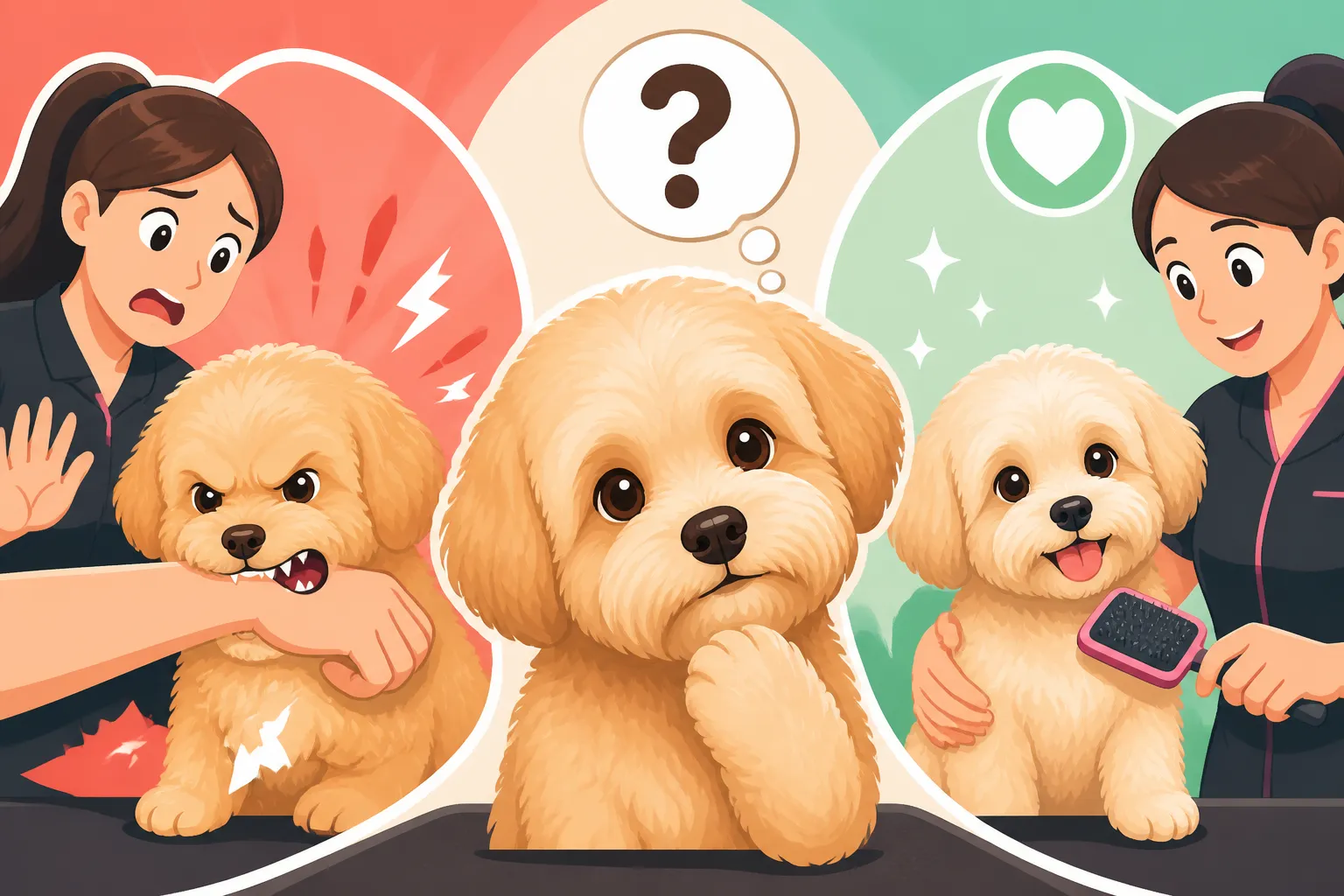
Whether a Maltipoo Bites the Groomer
It’s a scenario many Maltipoo parents dread: you drop off your fluffy little companion at the groomer, expecting them to come back looking pristine and smelling sweet, only to get a call or a report that your precious pup tried to bite them. This isn't just embarrassing; it's genuinely worrying. You love your Maltipoo, and the thought of them being stressed or aggressive is heartbreaking. This guide is here to shed light on why a Maltipoo might lash out during grooming, how you can prevent it, and what steps to take if this behavior has already started. We'll explore the real reasons behind these incidents and offer practical, empathetic advice to make grooming a more positive experience for everyone involved.
Understanding Why a Maltipoo Might Bite During Grooming
First and foremost, it's crucial to understand that a Maltipoo isn't biting out of malice or spite. These are sensitive, intelligent little dogs, and their actions are almost always rooted in fear, pain, or a lack of understanding about what’s happening to them. When a small dog feels threatened or uncomfortable, their natural instinct for self-preservation kicks in, and biting can be their only perceived defense.
Fear and Anxiety as the Root Cause
Imagine being held by a stranger, with loud noises all around you, sharp tools coming close to your face and paws, and being made to stand still in unfamiliar and sometimes uncomfortable positions. For a small Maltipoo, the grooming salon can feel like a truly terrifying place. The unfamiliar scents of other dogs, the whirring of clippers, the blast of a high-velocity dryer, and the feeling of being restrained can all contribute to immense anxiety.
Their small size, which we adore, also means they perceive potential threats differently. What might seem like a gentle hold to us can feel like an inescapable vise to a tiny dog. Previous negative experiences, even seemingly minor ones, can compound this fear, leading to a strong defensive reaction in future grooming sessions. This isn't aggression; it's a cry for safety from a dog that feels utterly overwhelmed and vulnerable.
Pain or Discomfort During Grooming
Sometimes, a Maltipoo's biting isn't purely behavioral but a direct reaction to physical discomfort or pain. This is a crucial distinction to make. Grooming involves sensitive areas like ears, paws, and the skin beneath the coat. If your Maltipoo has a hidden medical issue, the groomer's touch might inadvertently cause pain.
For example, a matted coat, especially in sensitive areas like behind the ears or in the armpits, can pull painfully on the skin when brushed or clipped. Mats Behind a Maltipoo's Ears are incredibly common and can be excruciating. Ear infections can make ear cleaning agonizing, while underlying dental pain can make handling around the mouth intolerable. Even orthopedic issues like Slipping Kneecaps in a Maltipoo could make standing on a grooming table or holding a certain position unbearable. Always consider a vet check-up to rule out any pain or medical conditions if your Maltipoo suddenly starts exhibiting defensive behavior at the groomer.
Lack of Early Socialization and Handling
Many biting incidents during grooming can be traced back to insufficient early socialization and handling during puppyhood. Maltipoos, like all dogs, need to be gradually introduced to being touched, brushed, and having their paws and ears examined from a young age. If these experiences are not positive and consistent, they can grow up to view grooming tasks as invasive and frightening.
A puppy that isn't regularly handled, brushed, or exposed to the sounds and sensations of grooming tools will likely be bewildered and scared when faced with a professional groomer. It's not about training them not to bite, but about teaching them to tolerate and even enjoy being handled and groomed. This foundational work starts at home, long before their first professional appointment. Teaching a Maltipoo to Be Handled Every Two Weeks is a practice that can pay dividends in reducing grooming anxiety down the line.
Proactive Steps to Prevent Grooming Bites
The best defense against a Maltipoo biting the groomer is a good offense: consistent, positive, and early preventative training. Starting young and making grooming a pleasant experience at home can dramatically reduce stress and defensive behaviors in the salon. This is about building trust and positive associations, rather than simply trying to suppress unwanted actions.
Desensitization and Positive Reinforcement at Home
The absolute cornerstone of preventing grooming bites is desensitizing your Maltipoo to handling and grooming tools through positive reinforcement. This means making every interaction with brushes, clippers, and even just handling their body parts, a fun and rewarding experience. Start small, with very short sessions, and always end on a positive note.
For example, take out a soft brush (many highly-rated options are available on Amazon) and let your Maltipoo sniff it. Give them a treat. Then, gently brush for a second, then another treat. Gradually increase the duration and intensity. Practice touching their paws, spreading their toes, gently touching their ears, and lifting their lips to look at their teeth. Pair every touch, every sound of a tool (even clippers or a hairdryer on a low setting from a distance), with high-value treats and praise. This teaches them that these sensations predict good things. Teaching a Maltipoo to Have Its Teeth Brushed is another excellent way to get them used to mouth handling.
Regular At-Home Grooming Routine
Beyond desensitization, establishing a regular at-home grooming routine is paramount. Maltipoos have coats that require significant upkeep to prevent matting, which can be a major source of pain and discomfort during professional grooming. Daily or every-other-day brushing with a slicker brush and a metal comb, making sure to reach all the way down to the skin, is essential.
This consistent routine not only keeps their coat healthy and pain-free but also reinforces the positive association with handling. It makes professional grooming sessions much less of a shock to their system. When your Maltipoo is used to being brushed, combed, and having their face and paws handled regularly, a professional groomer's job becomes easier and far less stressful for your dog. Remember, a well-maintained coat means less pulling and less time on the grooming table, which is a win-win for everyone involved. Don't forget The Two Week Face Trim a Maltipoo Needs to keep hair out of their eyes and help them get used to facial handling.
Enrolling in Puppy Classes or Online Training Programs
Beyond direct grooming practice, enrolling your Maltipoo in puppy socialization classes or utilizing comprehensive online training programs can build their overall confidence and resilience. These programs often include exercises that involve handling, restraint, and exposure to various sights and sounds in a controlled, positive environment.
A structured program, like those offered by BAXTER & Bella, can guide you through teaching foundational manners and building a strong bond based on trust. These resources provide step-by-step instructions on how to introduce new experiences, including handling, in a way that minimizes stress and maximizes positive outcomes. The goal is to make your Maltipoo feel secure and understand that handling is a normal, non-threatening part of life, ultimately reducing the likelihood of them feeling the need to bite out of fear during grooming or any other situation.
Strategies for Working with Your Groomer
Even with the best at-home preparation, the professional grooming environment can still be intimidating. How you choose and interact with your groomer can make a world of difference in preventing biting incidents and ensuring your Maltipoo has a safe, positive experience. It's a partnership between you, your dog, and the professional caring for them.
Choosing the Right Groomer for a Nervous Maltipoo
Selecting the right groomer is critical, especially if your Maltipoo is prone to anxiety or has had a negative experience in the past. Not all groomers have the same approach or experience with highly sensitive or fearful dogs. Look for a groomer who:
- Emphasizes patience and positive reinforcement: They should be willing to take their time, use treats, and create a calm atmosphere.
- Has experience with small, anxious breeds: Someone who understands the unique needs and sensitivities of a Maltipoo.
- Is open to "happy visits": These are short, non-grooming visits where your dog can simply come in, get treats, and get used to the sounds and smells without the pressure of a full groom.
- Allows you to stay (for initial visits): Some groomers allow owners to be present for the first few sessions to help ease the dog's anxiety, though this is not always standard practice.
- Does not use harsh restraints or force: Your dog should never be forced into a position that causes undue stress or pain.
Don't be afraid to interview potential groomers, ask about their techniques for nervous dogs, and observe their salon environment before committing.
Open Communication and Transparency
It cannot be stressed enough: be completely honest with your groomer about your Maltipoo's temperament and any past issues, including biting attempts. Withholding this information puts the groomer at risk and prevents them from adequately preparing or adjusting their approach to best suit your dog. A good groomer would much rather know upfront so they can plan accordingly and prioritize safety for themselves and your pet.
Explain what triggers your Maltipoo, which areas they are sensitive about, and what techniques (like using lots of treats or specific praise) work best for them. Provide a brief history of any previous incidents or fears. This transparency allows the groomer to tailor their methods, perhaps opting for a shorter, less intensive session, or suggesting a particular haircut that minimizes stress, such as What a Puppy Cut Looks Like on a Maltipoo. This collaborative approach builds a foundation of trust and helps ensure a safer, more positive experience for your Maltipoo.
Gradual Introduction to the Grooming Salon
For a Maltipoo with existing fears or a history of biting, a full-service groom on the first visit is often too much. Instead, work with your chosen groomer to implement a gradual introduction plan. This might involve several "happy visits" where your Maltipoo just comes in, gets some treats, and leaves.
Then, progress to very short, specific services:
- Nail trim only: A quick in-and-out, rewarding experience.
- Face trim only: Focused on a sensitive area but for a brief duration. What a Maltipoo Puppy's First Trim Costs will give you an idea of prices.
- Bath and blow-dry only: Getting them used to the sensations without the added stress of clippers.
Each successful, low-stress session helps build positive associations with the grooming salon. Over time, as your Maltipoo's confidence grows, you can gradually increase the services until they are comfortable with a full groom. This patient, step-by-step approach is far more effective than forcing a traumatic experience, which will only reinforce their fear and defensiveness.
Addressing Existing Biting Behavior
If your Maltipoo has already developed a habit of biting at the groomer, it's a clear signal that they are deeply distressed. This isn't a behavior that will simply disappear on its own; it requires a concerted effort to understand the underlying causes and implement targeted solutions. Ignoring it will only make future grooming sessions more dangerous and traumatic.
Identifying Triggers and Modifying Behavior
The first step in addressing existing biting behavior is to become a detective and pinpoint the exact triggers. Is it the sound of the clippers? The feeling of being restrained? A specific area of their body being touched (e.g., paws, ears, tail)? Is it worse when they have mats? Work with your groomer to note down exactly when and why the biting occurs. As mentioned earlier, ruling out pain with a vet visit is paramount. Whether a Maltipoo's Jaw Is Too Small for Its Teeth and related dental issues are common pain points.
Once triggers are identified, you can start a behavior modification plan. This often involves working with a certified professional dog trainer or a veterinary behaviorist who specializes in fear-based aggression. They can guide you through systematic desensitization and counter-conditioning techniques, slowly reintroducing the triggers in a positive, controlled manner, changing your Maltipoo's emotional response from fear to comfort. This is a journey, not a quick fix, and requires patience and consistency.
Muzzles and Safety Measures
While the idea of muzzling your sweet Maltipoo can be disheartening, it's sometimes a necessary and humane tool to ensure the safety of both the groomer and your dog while you work on behavior modification. A muzzle, when properly fitted and introduced positively, is a safety measure, not a punishment. It prevents bites, allowing grooming tasks to be completed without further trauma from an actual biting incident.
A basket muzzle is generally preferred over a cloth muzzle as it allows your dog to pant, drink, and even take treats, reducing stress and allowing for positive reinforcement. Introduce the muzzle slowly at home, making it a positive experience by pairing it with high-value treats. The goal is for your Maltipoo to associate the muzzle with good things, rather than fear. Your groomer might also request that you arrive with your dog already wearing a muzzle if they have a known biting history. For more information, consider Whether a Maltipoo Should Be Muzzled at the Groomer.
Considering Sedation or Veterinary Grooming
In some severe cases, where fear and biting behavior are extreme and standard behavior modification techniques are not proving effective enough, chemical sedation or veterinary-supervised grooming might be the kindest and safest option. This is not a long-term solution but can be a necessary bridge to ensure your Maltipoo receives essential grooming while also preventing further traumatization.
Your veterinarian can prescribe mild sedatives or anti-anxiety medications to be given before a grooming appointment. This helps your Maltipoo relax, reducing their anxiety and making the grooming process less stressful for everyone. In very challenging situations, some veterinary clinics offer full grooming services where a veterinarian can supervise the process and administer stronger sedation if required, ensuring optimal safety and comfort. This option should always be discussed thoroughly with your vet. For broader context on this topic, refer to Whether Sedation Is Ever Right for Grooming a Maltipoo.
Grooming Approach Comparison Table
Here's a quick look at different approaches to grooming a fearful Maltipoo:
| Approach | Description | Pros | Cons |
|---|---|---|---|
| At-Home Desensitization | Gradual, positive introduction to grooming tools and handling at home. | Builds strong positive associations, fosters trust, long-term solution. | Requires significant time and patience from owner. |
| "Happy Visits" | Short, non-grooming visits to the salon for treats and positive exposure. | Reduces salon fear, familiarizes dog with environment. | May require multiple visits before a full groom is possible. |
| Specialized Groomer | Groomer experienced with anxious dogs, uses gentle techniques and patience. | Safer, less stressful salon experience, tailored approach. | May be harder to find, potentially higher cost, appointments might be longer. |
| Muzzle Training | Acclimating your Maltipoo to wearing a basket muzzle for safety during grooming. | Ensures safety for groomer and dog, allows essential grooming to happen. | Requires positive introduction, can still be stressful if not done right. |
| Veterinary Sedation | Administering prescribed medication to calm the dog before grooming. | Can make grooming possible for severely anxious dogs, reduces immediate stress. | Medication risks, not a behavioral fix, requires vet oversight. |
| Vet Grooming | Grooming performed or supervised by a veterinarian, often with sedation. | Safest option for extreme cases, immediate medical attention if needed. | Typically more expensive, fewer options available. |
Caring for a Maltipoo involves understanding their unique needs, and sometimes that means navigating challenges like grooming anxiety. By being proactive, patient, and working closely with professionals, you can transform a potentially scary experience into a manageable, even positive, part of your Maltipoo’s life.
Disclaimer
This article is for general informational purposes only and does not constitute professional advice. Laws, prices and regulations vary by location and change over time. Consult a qualified professional for guidance on your specific situation.