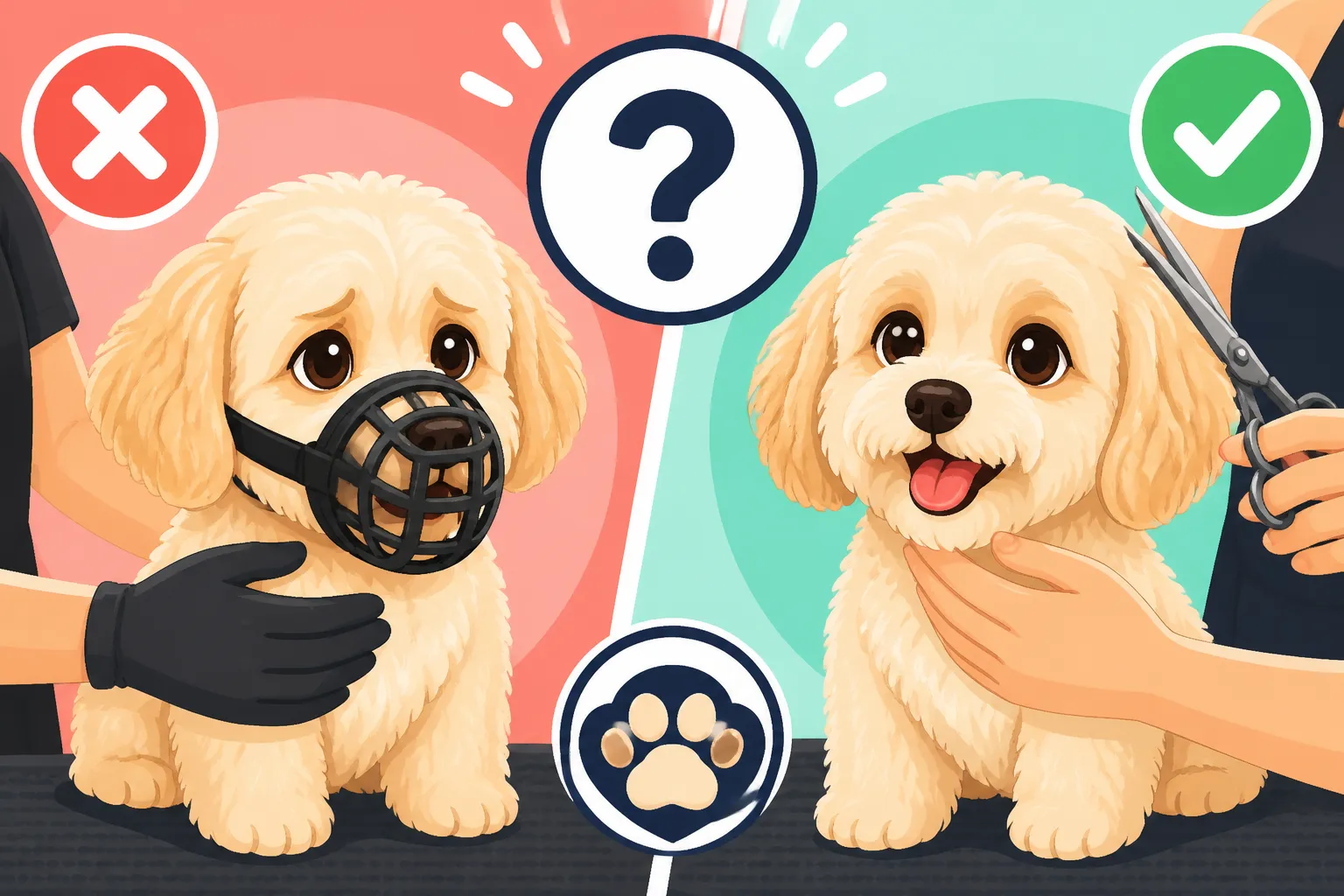
Whether a Maltipoo Should Be Muzzled at the Groomer
It’s incredibly upsetting and even a little frightening when your beloved Maltipoo, usually so sweet and cuddly, turns into a trembling, snarling, or even biting little whirlwind at the groomer. You want what's best for them, and sometimes, in the interest of safety for both your dog and their groomer, the question of muzzling comes up. This guide will gently explore the reasons behind grooming aggression and whether a muzzle is ever the right solution for your sensitive little companion.
Understanding the Root Cause of Grooming Anxiety in Maltipoos
When a Maltipoo acts out at the groomer, it's rarely about malice. More often than not, it's a cry for help, a signal that they are overwhelmed, scared, or even in pain. These little dogs are packed with personality, but also with sensitivity, and a noisy, unfamiliar grooming salon can be a truly terrifying experience if they aren't properly prepared.
The Delicate Nature of a Maltipoo's Psyche
Maltipoos inherit traits from both the intelligent Poodle and the gentle, yet sometimes stubborn, Maltese. This creates a wonderful mix, but it also means they can be incredibly sensitive. They pick up on our stress, their environment, and any discomfort almost immediately. A loud dryer, the unfamiliar scent of other dogs, the feeling of clippers vibrating against their skin – any of these can trigger a fear response. They might freeze, shake, try to escape, or, when cornered and feeling threatened, snap. It’s their way of saying, “Please stop, I can’t handle this!”
Think about it from their perspective: suddenly, a stranger is holding them down, touching their sensitive paws, pulling at their hair with a comb, and using loud, vibrating tools near their ears and eyes. For a small dog who might already be prone to anxiety, it’s a lot to process. Understanding The Coin Flip Inside Every Maltipoo Puppy's temperament is key here, as their individual personality will heavily influence how they react to such situations. Some Maltipoos are naturally more confident, while others are incredibly timid.
Lack of Early Exposure and Positive Reinforcement
One of the biggest contributors to grooming anxiety is a lack of early, positive exposure. We all want to protect our tiny puppies, but sometimes this leads to inadvertently skipping crucial socialization steps. If a Maltipoo puppy isn't gently introduced to being handled, having their paws touched, their ears examined, and brushes used on their coat from a very young age, a trip to the groomer can be a shock. They simply haven't learned that these experiences can be neutral, or even pleasant.
It’s not enough to just handle them; it needs to be a positive experience. Treats, gentle praise, and short sessions are far more effective than forcing the issue. If your Maltipoo struggles with basic handling at home, imagine how much more stressful it is with a stranger in a bustling salon. This is why it’s so important to start Teaching a Maltipoo to Be Handled Every Two Weeks and introduce them to the grooming process early. Many owners also wonder How Early a Maltipoo Should Meet a Groomer; ideally, it should be as soon as they've had all their core puppy vaccinations and can safely visit. Early, positive visits – even just for a quick nail trim and some praise – can make a world of difference.
Pain or Discomfort During Grooming
Sometimes, the aggression isn't born of fear but of actual pain. Imagine having a knot pulled through your hair, but worse, because it’s pulling at your skin. Maltipoos have intricate coats that can mat quickly, especially in areas like behind the ears, armpits, and leg joints. If your dog comes in with mats, the grooming process, even when done gently, can be genuinely painful. A sharp nip might be their only way to communicate that they hurt.
Beyond mats, other physical issues can contribute:
- Dental Pain: Small breeds like Maltipoos are notorious for dental problems. A groomer might inadvertently touch a sensitive gum or tooth while trimming around the mouth, triggering a pain response. This is why The Dental Bills a Maltipoo Owner Cannot Avoid are often significant, and regular dental care is crucial.
- Skin Irritations: Hot spots, allergies, or underlying skin infections can make touching any part of their body uncomfortable.
- Orthopedic Issues: Joint pain, like a slipping kneecap, could make certain positions painful. If the groomer needs to manipulate a leg, the dog might lash out in response to the sudden pain.
- Ear Infections: Many Maltipoos have hair growing inside their ear canals, which can trap moisture and lead to infections. Cleaning or plucking these sensitive ears can be excruciating if an infection is present.
Before considering a muzzle, always rule out pain. A vet check-up can often uncover underlying issues that, once addressed, can completely change your Maltipoo's grooming behavior.
When a Muzzle Might Be Considered: Safety and Ethics
The decision to use a muzzle on your Maltipoo at the groomer is a serious one, and it should never be taken lightly. It's a tool of last resort, primarily for safety, and never a substitute for addressing the underlying behavioral issues.
Prioritizing Safety for Groomer and Dog
A groomer’s priority is always the safety of themselves and the dogs in their care. Even a small Maltipoo's bite can be painful, break skin, and cause infection. If your Maltipoo has a history of nipping, snapping, or biting during grooming, a responsible groomer will likely insist on a muzzle, or refuse service. It’s not about being mean; it’s about preventing injury. No one wants to see a groomer hurt, or worse, see a dog get hurt because a fearful reaction led to a sudden movement or struggle.
A muzzle prevents the immediate danger of a bite, allowing the groomer to perform necessary services without fear of injury. However, it's crucial to understand that a muzzle does not magically fix the dog's anxiety or fear. It merely contains the physical manifestation of that fear. If a dog is muzzled without any other intervention, the grooming experience will still be terrifying for them, and their stress levels will remain high. This is why Whether a Maltipoo Bites the Groomer is such a critical question; a bite history almost always necessitates a muzzle until behavior improves.
Types of Muzzles and Their Appropriate Use
Not all muzzles are created equal, and choosing the right one for your Maltipoo is important.
| Muzzle Type | Description | Pros | Cons | Best Use Case |
|---|---|---|---|---|
| Fabric Muzzle | Soft nylon or mesh strap that wraps around the muzzle, holding the mouth shut. | Lightweight, inexpensive, compact. | Restricts panting, can cause overheating, cannot be worn for long periods, prevents drinking. | Short-term restraint for quick procedures, like nail trims. |
| Basket Muzzle | A cage-like structure that fits over the muzzle, allowing panting and drinking. | Allows dog to pant, drink, and take treats; can be worn longer. | Can be bulky, some dogs find them uncomfortable initially, may require more training to accept. | Longer grooming sessions, vet visits, initial muzzle training, walks. |
For grooming, a basket muzzle is often preferred if possible, especially for longer sessions, because it allows your Maltipoo to pant to regulate their body temperature, and even take small treats. This is vital for a small dog like a Maltipoo, who can overheat easily when stressed. Fabric muzzles should only be used for very brief periods, as they prevent panting, which is a dog's primary way of cooling down. You can find a variety of muzzle types and sizes on platforms like Amazon, but always prioritize a proper fit to ensure comfort and effectiveness.
The Importance of Muzzle Training
Never just slap a muzzle on your Maltipoo when you get to the groomer's. This will only amplify their fear and create a negative association. Muzzle training should be a gradual, positive process at home, long before a grooming appointment. The goal is for your Maltipoo to associate the muzzle with good things, like treats and praise, and see it as a normal, comfortable part of their routine.
Steps for Muzzle Training:
- Introduce it Positively: Let your Maltipoo sniff the muzzle. Put a high-value treat inside the muzzle and let them eat it. Repeat this several times.
- Short Duration: Once they are comfortable putting their nose into the muzzle for a treat, start fastening it for just a few seconds while they are still eating the treat. Immediately remove it and praise them.
- Increase Time Gradually: Slowly increase the time they wear the muzzle, always paired with treats, praise, or a favorite activity.
- Practice Different Situations: Once comfortable, practice wearing the muzzle for short periods during calm activities at home.
Online resources, like those offered by BAXTER & Bella, often provide excellent, step-by-step guidance on positive reinforcement methods for muzzle training, focusing on making it a comfortable experience for your dog. A well-trained dog will accept a muzzle calmly, reducing their stress significantly during necessary procedures.
Alternatives to Muzzling and Long-Term Solutions
While muzzling might be necessary for immediate safety, it's really a band-aid. The ultimate goal is to get to a place where your Maltipoo is comfortable and cooperative during grooming, minimizing or eliminating the need for a muzzle. This takes time, patience, and a multi-faceted approach.
Finding the Right Groomer
The relationship between your Maltipoo and their groomer is paramount. Not all groomers are created equal, and some are far more adept at handling anxious or fearful dogs. Look for a groomer who:
- Practices Fear-Free Grooming: This approach focuses on minimizing stress, using gentle handling, positive reinforcement, and allowing breaks.
- Works One-on-One: Some groomers offer individual appointments, reducing the noise and chaos of a busy salon.
- Allows for “Happy Visits”: These are short, non-grooming visits where your Maltipoo just comes in for treats, praise, and gentle handling, building positive associations with the environment and the groomer.
- Communicates Effectively: A good groomer will listen to your concerns, provide feedback, and work with you to create a plan.
Don't be afraid to interview groomers, ask about their methods, and even observe their salon if possible. A calm, compassionate groomer can make a world of difference. Sometimes, a mobile groomer who comes to your home can be less stressful for an anxious Maltipoo, as they are in their own familiar environment.
Desensitization and Counter-Conditioning at Home
This is the most powerful tool you have. By gradually introducing grooming tools and sensations at home, paired with high-value rewards, you can change your Maltipoo’s emotional response from fear to anticipation.
Start Small, Stay Positive:
- Touch Training: Regularly and gently touch your Maltipoo's paws, ears, tail, and face. Pair each touch with a small, delicious treat. Make it quick and pleasant.
- Brush Introduction: Let your Maltipoo sniff the brush. Touch them with it for a second, then treat. Gradually increase the duration and coverage, always ending on a positive note. Remember, consistent combing is crucial to prevent painful mats. Mats Behind a Maltipoo's Ears are a common problem area, so focus on gentle, daily brushing there.
- Clippers and Dryers: Turn on electric clippers or a hairdryer away from your dog. Treat them. Slowly move the sound closer over days or weeks, always rewarding calmness. Eventually, you might be able to touch the turned off clippers to their body, then the vibrating clippers for a second, followed by a treat.
- Face Trims: Many Maltipoos struggle with face trims. Practice Teaching a Maltipoo to Lie Still for a Face Trim by gently holding their chin, offering a treat, and building up to touching clippers or scissors (always blunt-nosed for safety) near their face.
- Dental Care: Daily brushing is vital for small breeds. If your Maltipoo resists, you’ll need to work on Teaching a Maltipoo to Accept a Toothbrush with lots of positive reinforcement.
Keep sessions very short (2-5 minutes), frequent, and always end before your Maltipoo gets stressed. The goal is to create a positive association, not to get the job done perfectly right away. Consistency is key here. Even if your Maltipoo behaves Whether a Maltipoo Behaves Better for a Stranger, home training is still important for their overall comfort.
Sedation and Veterinary Intervention
For severely anxious Maltipoos, or those with a history of extreme reactions, consulting your veterinarian is a vital step. Your vet can rule out any underlying medical conditions causing pain or discomfort. They can also discuss anti-anxiety medications or sedatives that can be given before a grooming appointment.
- Anti-Anxiety Medication: For some dogs, a prescribed medication given hours before grooming can help take the edge off their anxiety, making them more receptive to handling. These aren't sedatives, but rather help to calm their nervous system.
- Sedation: In extreme cases, or for procedures that absolutely must be done and are highly stressful, your vet might offer light sedation for grooming. This is generally reserved for situations where the dog's welfare or the groomer's safety is at significant risk. It's important to discuss the risks and benefits thoroughly with your vet, especially if you have a very small Maltipoo, as Whether a Maltipoo Under Five Pounds Can Be Anesthetized or sedated safely can be a concern, requiring careful monitoring.
Remember, medications are a tool to help facilitate training and make stressful situations more manageable, not a permanent fix. The goal remains to reduce the need for them over time through positive reinforcement and desensitization. If you're wondering Whether Sedation Is Ever Right for Grooming a Maltipoo, your vet is the best person to consult, as they can assess your dog's individual health and anxiety levels.
The Emotional Toll on Owners and Dogs
Dealing with a Maltipoo who struggles at the groomer can be emotionally taxing for everyone involved. Owners often feel a deep sense of guilt and frustration, while the dog experiences significant stress.
Managing Owner Expectations and Guilt
It's easy to fall into the trap of feeling like you've failed your Maltipoo if they need a muzzle or struggle with grooming. Please, let go of that guilt. You are doing your best, and sometimes, despite our best efforts, dogs develop anxieties. Maltipoos are incredibly sensitive, and their small size can make them feel more vulnerable. Recognizing that your dog is genuinely fearful, rather than just "naughty," is the first step toward finding solutions.
Understand that a groomer suggesting a muzzle isn't a judgment against you or your dog; it's a practical measure to ensure everyone's safety. Your goal should be to work with the groomer and your vet to create a positive path forward, not to shoulder the burden alone. It's okay to admit you need help, whether that's from a professional trainer, a fear-free groomer, or your veterinarian.
The Goal: A Calm and Cooperative Grooming Experience
Ultimately, the goal is for your Maltipoo to tolerate, and ideally, even enjoy grooming. This might seem like a distant dream if you're currently dealing with a highly reactive dog, but it is achievable with consistency and patience. A muzzle can be a crucial stepping stone in this journey, providing safety while you implement long-term behavioral changes.
Imagine a future where your Maltipoo trots into the grooming salon with a wagging tail, or comfortably allows you to perform maintenance at home. This isn't just about aesthetics; it's about their overall health and well-being. Regular grooming prevents painful matting, allows for early detection of skin issues, and keeps them comfortable. By investing the time and effort into positive reinforcement and desensitization, with a muzzle as a temporary safety net if needed, you're not just getting a clean dog – you're building trust and helping your beloved Maltipoo navigate a sometimes-scary world with more confidence.
Disclaimer
This article is for general informational purposes only and does not constitute professional advice. Laws, prices and regulations vary by location and change over time. Consult a qualified professional for guidance on your specific situation.