Whether a Female Maltipoo Is Cleaner
One of the most common questions I hear from prospective Maltipoo owners, and even those who've had dogs before, is whether a female Maltipoo is inherently cleaner than a male. It's a valid concern, especially if you're picturing a perfectly pristine home, and it stems from general assumptions about male versus female dog behavior. The truth is, while there can be some subtle differences based on sex, the real secret to a clean Maltipoo — male or female — lies far more in consistent training, meticulous care, and a proactive approach from you, their loving human. This guide will dive into what "cleaner" truly means for a Maltipoo and equip you with the knowledge to maintain a tidy home, no matter your pup's gender.
Understanding "Cleaner": What Does It Really Mean for a Maltipoo?
When people ask if a female Maltipoo is "cleaner," they're often thinking about a few specific things: house training accidents, marking behavior, general body odor, and maybe even grooming challenges. It's a reasonable assumption to make, given that many male animals, across species, are known for territorial marking. But for a Maltipoo, a dog known for being fastidious by nature (thanks to that Poodle influence!) and relatively low-shedding, these distinctions can often be exaggerated.
Dispelling the Myth: Is There a "Cleaner" Sex?
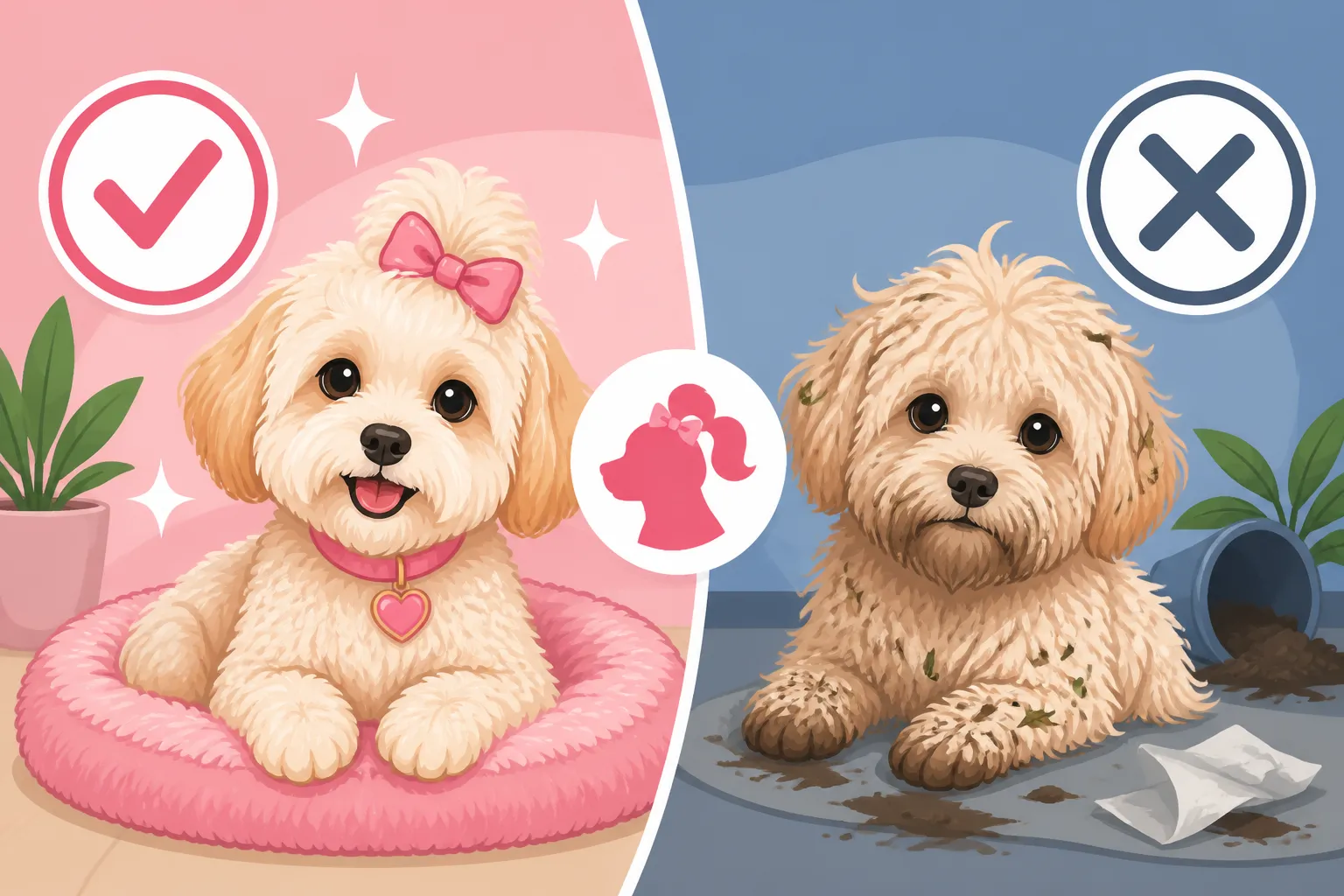
Let's get right to it: there isn't a universally "cleaner" sex when it comes to Maltipoos. Both males and females can be incredibly clean, or they can be prone to accidents and messy habits if not properly trained and cared for. The idea that females are inherently cleaner is largely a myth, often perpetuated by anecdotal evidence rather than scientific fact. Each dog is an individual, and their personality, genetics, early socialization, and your training efforts will play a far greater role in their cleanliness than whether they are a boy or a girl. Think of it less as a male vs. female issue, and more as a "well-trained and cared for vs. neglected training and care" issue. A well-socialized male Maltipoo, for instance, might be far cleaner and better behaved than a female who hasn't received adequate house training.
Factors That Truly Influence a Maltipoo's Cleanliness
Instead of focusing on sex, it’s much more productive to consider the real factors that influence a Maltipoo’s cleanliness. These include:
- Training Consistency: This is, hands down, the biggest factor. A dog that is consistently house-trained, taught good habits, and given a clear routine will be cleaner.
- Diet and Digestion: A high-quality diet leads to healthier digestion, which means more predictable potty breaks and firmer stools.
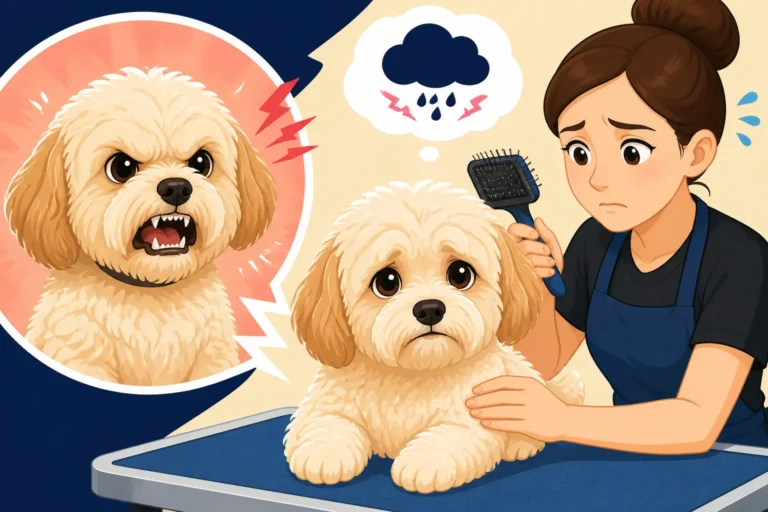
- Grooming Routine: Maltipoos, regardless of sex, need regular grooming to prevent matting, maintain coat health, and control tear staining.
- Environment: A clean living environment encourages your Maltipoo to keep it clean. Dogs generally prefer not to soil their sleeping areas.
- Health Status: Underlying health issues like urinary tract infections, digestive upset, or even mobility problems can lead to accidents and perceived "messiness."
- Individual Personality: Some Maltipoos are naturally more fastidious than others. Some might be more prone to digging or rolling in mud, regardless of their sex.
- Spay/Neuter Status: This can significantly impact marking behavior in males and eliminate heat cycles in females, both of which affect cleanliness.
Ultimately, your dedication to training and care will determine your Maltipoo's cleanliness far more than their sex ever will.
Housetraining Realities: Male vs. Female Maltipoos
When it comes to housetraining, the perception of "cleanliness" often boils down to how quickly a puppy learns to go outside and whether they develop marking habits. While there are some general trends, it's crucial to understand that these are not set in stone and can often be managed effectively.
The Urge to Mark: A Male Tendency, But Not Exclusive
It's true that unneutered male dogs are more likely to engage in territorial marking, both indoors and outdoors. This involves lifting a leg and depositing small amounts of urine to claim an area. This behavior is driven by hormones and instinct, and it can definitely contribute to a perception of "messiness" if not addressed. However, neutering a male Maltipoo often significantly reduces or even eliminates this behavior. It’s a common and effective step many owners take to curb marking.
It’s also important to note that marking isn't exclusive to males. Intact (unspayed) female Maltipoos can also mark, especially when they are in heat, signaling their availability to males. Some spayed females might also mark when stressed, anxious, or if there's another dog in the household. So, while more prevalent in males, it's not a male-only issue.
For any Maltipoo, whether male or female, consistency is key. A strict potty schedule, positive reinforcement, and immediate cleanup of accidents are vital. You can find excellent resources on training, such as those from BAXTER & Bella, which emphasize positive, consistent methods. I also recommend checking out Why Housetraining a Maltipoo Takes Longer Than You Expect for more in-depth advice on this often-frustrating process.
Bladder Control and Accidents: Beyond Gender
In terms of basic bladder control and house training success, there isn't a significant difference between male and female Maltipoos. Both sexes, especially as puppies, have small bladders and need frequent potty breaks. They can both have accidents indoors if not taken out often enough, or if they haven't fully grasped the concept of going outside.
A Maltipoo puppy, regardless of sex, typically needs to go out every 2-4 hours, more often after waking, eating, or playing. As they get older, their bladder capacity increases. How Often a Maltipoo Puppy Needs Taking Out explores this in detail. What does make a difference is:
- Your Schedule: Are you able to maintain a consistent routine?
- Their Environment: Do they have a designated potty spot? Are you using pee pads correctly, or transitioning them off?
- Reinforcement: Are you praising and rewarding them enthusiastically when they go outside?
Females might be perceived as "cleaner" during house training simply because they often squat to urinate, which is less conspicuous than a male lifting his leg. However, a female can still have a large puddle on your rug just as easily as a male. The volume of urine is similar, and both require diligent cleanup. Using enzymatic cleaners (available on Amazon) is crucial to eliminate odors that might attract your Maltipoo back to the same spot, as detailed in Cleaning Up So a Maltipoo Does Not Return to the Spot.
Female Heat Cycles and Their Impact on Cleanliness
Here's where females introduce a specific "messiness" factor that males do not: their heat cycle. Unspayed female Maltipoos typically go into heat twice a year, and during this time, they will have a bloody discharge for about 7-10 days, though the full cycle lasts around 3 weeks. This requires diligence to keep your home clean, often involving "doggy diapers" or constant supervision. This period can definitely make a female dog seem "less clean" if not managed well.
Spaying your female Maltipoo eliminates heat cycles and the associated discharge, as well as significantly reducing the risk of certain cancers. This is often a major consideration for owners concerned about cleanliness and overall health. Likewise, neutering a male can help prevent marking issues, as discussed in Whether Neutering Stops a Maltipoo Marking.
General Hygiene and Grooming Considerations
Beyond house training, general hygiene plays a huge role in how "clean" your Maltipoo feels and smells. Here, the differences between males and females are negligible, with coat type, individual habits, and your grooming efforts being the dominant factors.
Anal Glands and Grooming Needs for Both Sexes
Both male and female Maltipoos have anal glands, which can sometimes become impacted and require expression. When these glands are full or express naturally, they release a very strong, unpleasant odor. This has absolutely nothing to do with whether the dog is male or female, but rather with their diet, stool consistency, and individual anatomy. If you notice your Maltipoo "scooting" their rear on the floor, it's often a sign of anal gland issues, and your vet or groomer can help. Whether a Maltipoo's Glands Need Emptying offers more insight into this common issue.
When it comes to general cleanliness, both males and females will track in dirt, get mud on their paws, or roll in something unsavory in the yard. Their coat types—which can vary widely even within the same litter, from wavy to curly—are much more indicative of how easily they pick up debris and how quickly they might mat.
The Impact of Coat Type and Grooming Frequency
Maltipoos are known for their beautiful, non-shedding (or very low-shedding) coats. This is a huge cleanliness advantage compared to breeds that shed heavily, as you won't find tumbleweeds of dog hair floating around your house. However, this non-shedding quality also means their hair just keeps growing, making them highly prone to matting.
Regardless of sex, a Maltipoo needs consistent grooming:
- Daily Brushing: To prevent mats and tangles, especially in areas like behind the ears, under the legs, and where harnesses rub.
- Regular Baths: To keep their coat clean and fresh.
- Face Trims: Keeping a Maltipoo's Face Trimmed and Clean is vital to prevent tear staining and keep hair out of their eyes.
If a Maltipoo isn't groomed regularly, mats can form close to the skin, trapping dirt, moisture, and even leading to skin infections. This will make any Maltipoo, male or female, appear and feel far from clean. So, if you're looking for a "clean" dog, focus more on finding a reputable groomer or committing to a thorough home grooming routine, rather than on the dog's sex. Many owners find a good slicker brush and metal comb invaluable, and these are easily found on Amazon.
Managing Odor and Shedding (if any)
Maltipoos generally have very little "doggy odor," again thanks to their Poodle heritage. Any strong smell usually indicates a need for a bath, an underlying health issue (like skin allergies, ear infections, or dental disease), or impacted anal glands. These issues can affect males and females equally.
As for shedding, Maltipoos are considered hypoallergenic because they shed minimally. This is a huge win for cleanliness in the home, reducing allergens and keeping furniture cleaner. While no dog is truly 100% non-shedding, the Maltipoo comes very close, meaning less hair to vacuum and wipe off surfaces, regardless of whether your pup is a boy or a girl. This consistent low-shedding trait is a major factor in their overall "cleanliness" perception.
Strategies for a Spotless Maltipoo, Regardless of Sex
The bottom line is that a clean Maltipoo is a result of proactive ownership. By implementing consistent training and care strategies, you can ensure your home stays tidy and your furry friend remains fresh, whether they're a dashing boy or a charming girl.
Consistent Training and Schedule Adherence
This cannot be stressed enough. A consistent routine is the cornerstone of a clean Maltipoo.
- Potty Schedule: Establish a strict potty schedule from day one. Take your Maltipoo out frequently – every 2-3 hours for puppies, after waking up, eating, and playing. Even adult Maltipoos thrive on predictability. Building a Toilet Schedule Around a Maltipoo's Bladder provides an excellent framework for this.
- Positive Reinforcement: Reward success enthusiastically with praise and treats. Never punish accidents, as this can make your Maltipoo fearful of eliminating in front of you, leading to them hiding accidents.
- Crate Training: A crate can be an invaluable tool for house training. Dogs are naturally inclined not to soil their den, so a properly sized crate can help them hold their bladder. Ensure the crate is not too big, only large enough for them to stand up, turn around, and lie down comfortably. Whether Crate Training Speeds a Maltipoo Up explains how this can make a big difference.
- Command Training: Teach your Maltipoo specific potty commands like "go potty" to encourage them to eliminate on cue, especially useful in inclement weather or when you're on a tight schedule. BAXTER & Bella offers comprehensive online training programs that can guide you through these steps effectively.
Environmental Management and Proactive Cleaning
Your environment plays a huge role in supporting your Maltipoo's cleanliness.
- Designated Potty Area: Have a clear, designated spot in your yard or on your balcony for your Maltipoo to do their business. This helps establish routine and keeps other areas clean.
- Appropriate Cleaning Supplies: Invest in high-quality enzymatic cleaners for any indoor accidents. These break down the odor-causing molecules, preventing your Maltipoo from returning to the same spot. Simple soap and water won't remove the scent entirely. Many effective options are available on Amazon.
- Regular Cleanup: Pick up poop promptly in the yard to prevent tracking it indoors and maintain a hygienic outdoor space.
- Safe Indoor Space: Puppy-proof your home to prevent destructive chewing or access to areas where accidents are more likely. Consider using playpens or gates to restrict access when you can't supervise directly.
- Protection for During Heat: If you have an unspayed female, use doggy diapers during her heat cycle to manage discharge and keep your home clean. These are essential for preventing messy cleanups.
Regular Professional Grooming and Home Care
A well-groomed Maltipoo is a clean Maltipoo. This is an ongoing commitment.
- Daily Brushing: This is non-negotiable for a Maltipoo. Use a slicker brush and a metal comb to work through their coat, focusing on areas prone to matting like armpits, behind ears, and under collars/harnesses.
- Regular Baths: Bathe your Maltipoo every 2-4 weeks, or as needed, using a dog-specific shampoo and conditioner. Make sure to thoroughly dry their coat afterward to prevent skin issues and matting. The Daily Routine a Maltipoo Needs definitely includes this.
- Face, Paw, and Sanitary Trims: Learn to do these trims yourself between professional grooming appointments, or ensure your groomer does them regularly. This prevents tear staining, keeps paw pads clear of hair (which can track dirt), and maintains hygiene around their rear end.
- Ear Cleaning: Maltipoos are prone to ear infections due to their floppy ears and hair growth inside the ear canal. Clean their ears weekly with a veterinarian-approved solution.
- Dental Care: Daily tooth brushing is paramount for Maltipoos due to their crowded mouths. Poor dental hygiene can lead to bad breath and serious health problems down the line, affecting their overall "cleanliness" and health. Brushing a Maltipoo's Teeth Every Single Day outlines how important this is.
In conclusion, the idea that a female Maltipoo is inherently cleaner is more of a generalization than a hard rule. Both male and female Maltipoos can be incredibly clean companions, provided they receive consistent training, proper care, and a loving, proactive owner. Your dedication to their routine and hygiene will be the ultimate determinant of how clean your Maltipoo, and by extension, your home, truly is.
Disclaimer
This article is for general informational purposes only and does not constitute professional advice. Laws, prices and regulations vary by location and change over time. Consult a qualified professional for guidance on your specific situation.