Whether a Midday Visit Keeps a Maltipoo Clean
It’s a common scenario for many Maltipoo parents: you adore your fluffy companion, but the demands of a busy work schedule mean leaving them home for several hours a day. The worry often creeps in – will they hold it? Will there be accidents? And how do you keep your precious Maltipoo clean and comfortable when you can’t be there every moment? This guide will dive deep into whether a midday visit is truly the golden ticket to keeping your Maltipoo clean and happy, exploring the nuances of their needs and practical solutions for busy households.
The Maltipoo's Bladder and Potty Needs
Understanding your Maltipoo's unique physiology and typical habits is the first step toward effective potty management. These tiny dogs, for all their charm, come with some specific considerations that larger breeds don't always share.
Why Maltipoos Can't "Hold It" for Long
Let's be realistic: a Maltipoo's bladder is proportionate to its body size – which is to say, it's quite small! Unlike a Golden Retriever, which might comfortably hold its bladder for 8-10 hours as an adult, a Maltipoo simply doesn't have that capacity. A young Maltipoo puppy, especially one under six months, will likely need to relieve themselves every 2-4 hours, sometimes even more frequently after eating or waking up from a nap. Even a fully grown adult Maltipoo, weighing a mere 5-10 pounds, usually can't hold it for more than 6-8 hours without significant discomfort, and often, not even that long. Their fast metabolism also means they process food and water quicker, leading to more frequent urges. Expecting a small dog to "hold it" for a typical 8-9 hour workday, plus commute time, is not only unrealistic but can lead to stress, accidents, and even potential health issues like urinary tract infections. This physical limitation is a fundamental truth of owning a smaller breed. How Often a Maltipoo Puppy Needs Taking Out explores this in more detail.
The Importance of a Consistent Potty Schedule
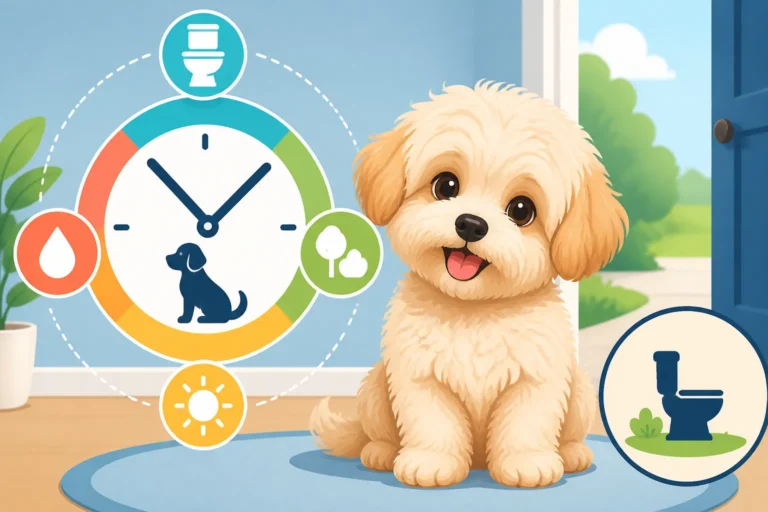
Consistency is absolutely paramount when it comes to potty training any dog, but it's especially critical for a Maltipoo. These intelligent little dogs thrive on routine and predictability. A haphazard schedule, where potty breaks happen at different times each day, only creates confusion and sets them up for failure. Think of it from their perspective: if they're not sure when the next opportunity to go outside will come, they'll be more inclined to take matters into their own paws inside the house. A consistent schedule helps them develop bladder control and signals when it’s appropriate to eliminate. This means taking them out first thing in the morning, after every meal, after naps, before bed, and whenever they show signs of needing to go (sniffing, circling, whining). When you're gone for long stretches, that consistent rhythm is broken, which is where the challenges arise.
What "Clean" Truly Means for a Maltipoo
For many owners, "keeping a Maltipoo clean" primarily means avoiding indoor accidents. And yes, that's a huge part of it! But it goes beyond just preventing urine puddles or soiled carpets. A Maltipoo's long, flowing coat, especially if it's white or light-colored, is incredibly prone to staining and irritation from urine or feces. Accidents, particularly if they happen frequently, can lead to urine scald on their delicate skin, matting in their belly or hindquarters, and an overall unpleasant odor. This requires constant vigilance and often means more frequent bathing or professional grooming, which adds to the time and cost commitments of owning such a lovely breed. Keeping their potty area clean, whether it's outside or an indoor solution, is crucial for their overall hygiene and comfort, preventing both physical discomfort and the stress that comes with being uncomfortable or feeling "dirty." Regular attention to cleanliness can also help prevent issues like the tear staining that often plagues lighter-coated Maltipoos.
The Midday Visit: A Deep Dive into its Effectiveness
For many Maltipoo owners juggling work and pet care, a midday visit seems like a logical and compassionate solution. Let's break down what it entails and its broader impact.
How a Midday Visit Works in Practice
A midday visit typically involves a trusted individual – a professional pet sitter, a friendly neighbor, a family member, or even a specialized dog walker service – coming to your home during the middle of your workday. The primary goal is to let your Maltipoo out for a much-needed potty break. This isn't just a quick dash into the yard; a good midday visit usually includes a short walk to encourage elimination, a bit of playtime or cuddle time to provide mental and physical stimulation, and a check of their food and water bowls. They might top off the water or offer a small, pre-portioned snack if your Maltipoo is on a specific feeding schedule. The duration can vary, but generally, 15-30 minutes is enough to cover these basics. For a Maltipoo puppy who needs more frequent attention, two shorter visits, or one longer one, might be necessary. It's about breaking up that long stretch of solitude and bladder retention, providing a vital relief point in their day.
Benefits Beyond Just Potty Breaks
While preventing accidents is a huge plus, the advantages of a midday visit extend far beyond just an empty bladder. First and foremost, it significantly reduces the risk of urinary tract infections, a common ailment in dogs forced to hold their urine for too long. It also helps reinforce positive house training habits. When your Maltipoo consistently gets to go outside at appropriate intervals, they learn that the outdoors is the designated potty spot, preventing confusion and regression.
Beyond the physical, midday visits offer immense psychological benefits. They break up the monotony of a long, solitary day, providing much-needed mental stimulation and social interaction. Many Maltipoos, particularly those with strong Poodle lineage, thrive on engagement and can become anxious or bored if left alone for extended periods. A quick play session or a loving pet can help alleviate Whether a Maltipoo Needs Company Most of the Day, reducing the likelihood of destructive behaviors that often stem from boredom or separation anxiety. It also allows the visitor to check on your Maltipoo's general well-being, noticing if they seem unwell, have chewed on something inappropriate, or if there are any other issues that need immediate attention. This peace of mind for you, the owner, is invaluable.
Potential Drawbacks and Considerations
While highly beneficial, midday visits aren't without their own set of considerations. The most obvious one is cost; professional pet sitting services can add a significant monthly expense to your budget. Rates vary widely by location and service, so it's wise to research local options. Reliability is another key factor. You need someone utterly trustworthy who will show up consistently and on time, rain or shine. If your sitter is frequently late or cancels, it negates the primary benefit of the service.
Another potential drawback is the introduction of a new person into your Maltipoo's routine. Some Maltipoos can be shy or anxious around strangers, especially if they haven't been well-socialized. If your Maltipoo doesn't warm up to the visitor, the visit might cause more stress than relief. Always ensure a proper introduction period, allowing your Maltipoo to get comfortable with the person before leaving them alone. Additionally, if the visitor isn't consistent with your specific training methods (e.g., using different commands or not offering rewards in the same way), it could, in theory, cause minor confusion, though the benefits of the potty break usually outweigh this risk.
| Aspect | Midday Visit Pros | Midday Visit Cons |
|---|---|---|
| Potty Training | Reinforces outdoor toileting, reduces accidents | Visitor inconsistency can cause minor confusion |
| Physical Health | Prevents UTIs, allows for stretching/movement | |
| Mental Well-being | Reduces boredom, separation anxiety, provides social interaction | Potential stress if Maltipoo is shy/anxious with strangers |
| Cost/Logistics | Peace of mind, allows owner to work full day | Can be expensive, requires finding a reliable, trustworthy person |
| Cleanliness | Prevents urine scald, keeps coat cleaner by reducing indoor accidents | |
| Monitoring | Visitor can check on dog's health and safety |
Alternatives and Complementary Strategies
A midday visit is a fantastic tool, but it's not always feasible for everyone, or it might need to be part of a broader strategy. Let's look at other ways to manage your Maltipoo's potty needs and overall well-being during your absence.
Indoor Potty Solutions: Pads and Grass Patches
For some Maltipoo owners, especially those living in apartments or facing extremely long workdays, indoor potty solutions become a necessity. Potty pads, often found on Amazon, or artificial grass patches (sometimes with real sod options for a more natural feel) can offer a designated indoor relief area. The main advantage is that your Maltipoo always has access to a place to go, preventing accidents and the associated stress and mess. This can be a lifesaver for puppies who simply can't hold it for more than a couple of hours or for older dogs with declining bladder control.
However, these solutions come with their own set of challenges. One significant concern is that they can potentially delay or even complicate outdoor house training. If your Maltipoo learns that going indoors on a pad is acceptable, they might struggle to understand why they're suddenly expected to only go outside. It can also lead to a persistent "indoor potty" habit, making it harder to break. There's also the hygiene aspect – even with pads, you're still dealing with urine and feces inside your home, requiring diligent cleaning and odor control. Whether a Maltipoo Can Use Both Indoors and Out discusses the pros and cons of this approach. While they can bridge gaps, they're rarely a perfect substitute for outdoor potty breaks.
Crate Training and Playpen Management
Crate training, when done correctly and humanely, can be a valuable tool for house training a Maltipoo. Dogs are naturally den animals and generally prefer not to soil their sleeping area. A properly sized crate – one just big enough for them to stand up, turn around, and lie down comfortably – leverages this instinct, discouraging accidents. However, it's crucial to understand that a crate is not a solution for extending bladder holding times indefinitely. It's a management tool to prevent accidents when you can't actively supervise, and it should only be used for appropriate lengths of time. What Size Crate Suits a Maltipoo Puppy is important to get right to ensure their comfort.
For longer periods, a playpen offers more space while still containing your Maltipoo. This can be especially useful for puppies or adult Maltipoos who need more room to move around but aren't yet trusted with full run of the house. You can set up a playpen with a bed on one side and an indoor potty solution (like a pad or grass patch) on the other. This gives them a designated area for relief without confining them to a tiny space for too long. However, like indoor pads, using a playpen with a potty area still means dealing with indoor elimination. Whether a Playpen Beats a Crate for a Maltipoo often depends on the length of time you're away and your dog's specific needs.
Technology and Smart Home Solutions
In our modern world, technology can offer some surprisingly helpful ways to monitor and even interact with your Maltipoo remotely. Pet cameras, many available on Amazon, allow you to check in on your furry friend throughout the day, ensuring they're safe and not in distress. Some even offer two-way audio, so you can speak to your Maltipoo, or dispense treats, which can be a nice comfort for both of you.
Automatic feeders can be useful for portion-controlled snacks or even full meals if your Maltipoo has specific dietary needs or a very early dinner. Just be sure to factor these calories into their daily intake. Beyond direct care, puzzle toys and enrichment feeders can keep your Maltipoo mentally stimulated while you're away. Filling a Kong with peanut butter or placing kibble in a treat-dispensing ball can occupy them for a good chunk of time, reducing boredom and destructive chewing. None of these entirely replace a human presence for potty breaks, but they can certainly make the time alone more manageable and pleasant for your Maltipoo.
Re-evaluating Your Schedule and Lifestyle
Sometimes, the best solution involves looking inward and re-evaluating your own daily routine. Can you adjust your work hours, even slightly, to shorten the time your Maltipoo is alone? Perhaps a partner or family member could stagger their schedule. Is working from home an option, even for a few days a week? These are significant lifestyle changes, but for many dedicated Maltipoo owners, they're worth considering to ensure their pet's well-being. The reality is that small dogs like Maltipoos, particularly as puppies, require a lot of hands-on care and attention. Ignoring their needs for long stretches can lead to behavioral problems and health issues. Understanding the commitment involved is key to providing them with a happy and healthy life.
Setting Up a Successful Midday Routine for Your Maltipoo
Once you've decided that a midday visit is the right choice for your Maltipoo, setting it up for success requires careful planning and clear communication. It's more than just handing over a key; it's about creating a seamless extension of your dog's care.
Choosing the Right Midday Care Provider
This is perhaps the most critical step. Your Maltipoo is a delicate creature, both physically and emotionally, and you need someone you implicitly trust. Start by asking for recommendations from friends, neighbors, your veterinarian, or local pet supply stores. Many communities have online groups where people share reviews of pet sitters. Look for professionals who are insured and bonded, and ideally, certified in pet first aid.
When interviewing potential caregivers, pay attention to their experience with small breeds. Do they seem comfortable handling a tiny Maltipoo? Ask about their approach to potty training reinforcement, their availability, and their backup plans in case of an emergency. Most importantly, observe how they interact with your Maltipoo during a trial visit. Does your dog seem comfortable and happy in their presence? A good connection between your Maltipoo and the visitor is non-negotiable. Don't rush this decision; finding the right person is an investment in your Maltipoo's daily happiness and safety.
Preparing Your Home for the Visit
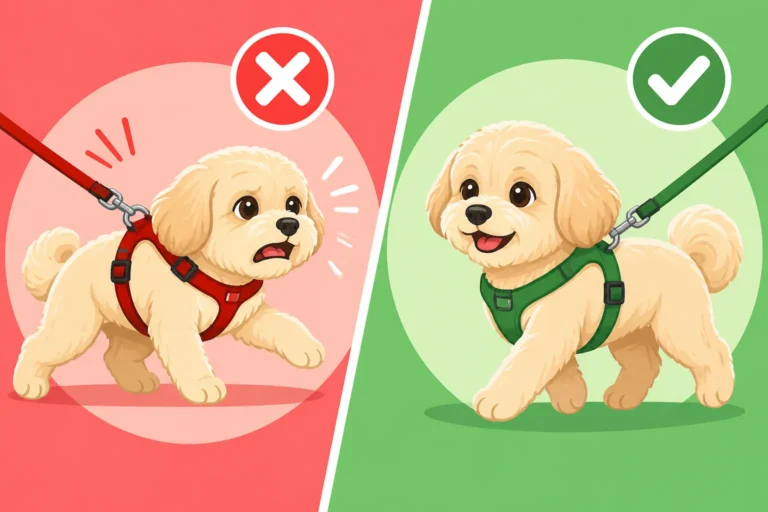
Before your caregiver arrives, make sure your home is set up for a smooth visit. First, ensure easy and safe access to your home for the sitter. This might mean a spare key, a coded lock, or clear instructions for entry. Next, prepare the designated potty area. If it's your backyard, make sure gates are secure and there are no hazards. If they'll be walking your Maltipoo, have their leash and harness easily accessible near the door.
Beyond the potty area, think about their overall environment. Make sure fresh water is readily available in a clean bowl. If your Maltipoo gets a snack during the visit, have it pre-portioned and clearly labeled. Remove any potential hazards your Maltipoo might get into while unsupervised – put away shoes, secure cabinet doors, and ensure plants are out of reach. Think like a curious Maltipoo and puppy-proof the areas they'll have access to. The less your sitter has to worry about, the more they can focus on your dog.
Communication is Key: Briefing Your Visitor
Clear and detailed instructions are vital for a successful midday visit. Create a written guide that includes:
- Your Maltipoo's name, age, and any nicknames.
- Their feeding schedule and exact portion sizes (if giving food).
- Potty commands (e.g., "Go potty!").
- Preferred walking routes or play activities.
- Any behavioral quirks or anxieties (e.g., "gets scared by loud noises," "doesn't like other dogs passing too close").
- Emergency contact information for you, your vet, and a trusted backup person.
- Any medications or specific health concerns.
Reinforce your training methods. For instance, if you use positive reinforcement with specific treats and praise words, let your sitter know. Programs like BAXTER & Bella often emphasize consistent communication and training cues across all caregivers. This consistency helps your Maltipoo understand what's expected and maintains their training progress. Leave notes about what areas of the house are off-limits or any special routines they should follow. The more information you provide, the better equipped your sitter will be to provide excellent care and ensure your Maltipoo's cleanliness and happiness.
Monitoring and Adjusting the Plan
Once the midday visits begin, it's important to monitor how things are going and be ready to adjust as needed. Regularly check in with your caregiver to get feedback on how your Maltipoo is doing. Are they happy and relaxed when the sitter arrives? Are they having accidents less frequently, or not at all? Observing your Maltipoo's behavior when you return home can also offer clues. Do they seem less stressed, less desperate for a potty break, or generally more content?
Periodically review your care plan. As your Maltipoo ages, their needs might change. A young puppy might need more frequent, shorter visits, while an older Maltipoo might just need a reliable break and a quiet companion. Be open to making tweaks to the schedule, the length of visits, or even the type of activities included. The goal is to create a dynamic system that consistently meets your Maltipoo's needs, keeping them clean, healthy, and happy throughout their life. The Yearly Checks a Maltipoo Should Get will help you keep track of their changing health needs.
Disclaimer
This article is for general informational purposes only and does not constitute professional advice. Laws, prices and regulations vary by location and change over time. Consult a qualified professional for guidance on your specific situation.