Whether a Maltipoo Guards Its Food Bowl
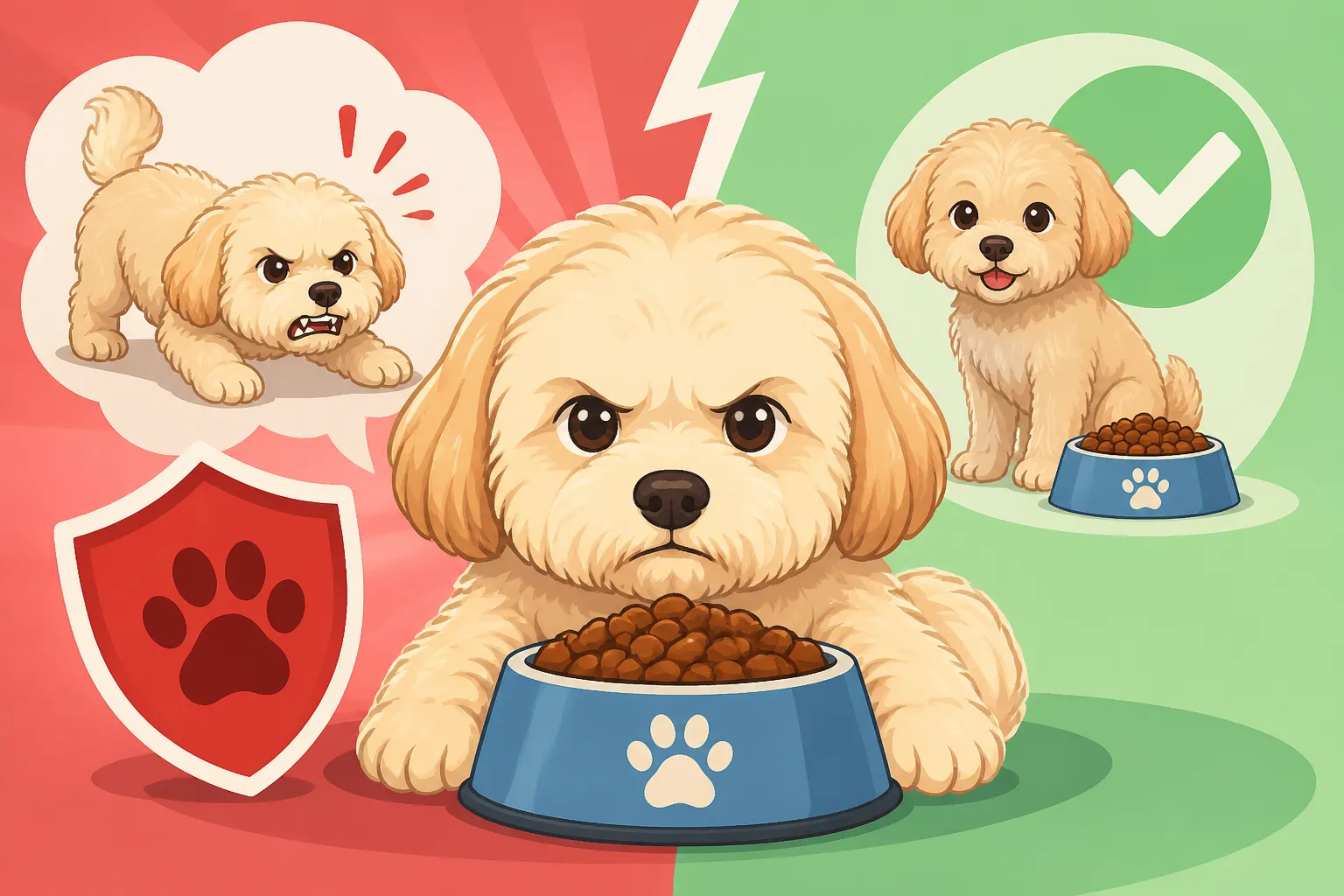
It’s a scenario many Maltipoo owners know all too well: you lean down to refill their water bowl or pick up a dropped toy near their dinner, and suddenly your sweet, fluffy companion stiffens, perhaps growls, or even snaps. This alarming behavior, known as resource guarding, particularly around food, can be incredibly distressing and confusing. This guide will help you understand why your Maltipoo might be guarding their food bowl, how to prevent it, and what steps you can take to manage it if it's already happening.
Understanding Food Guarding in Maltipoos
Food guarding isn't about your Maltipoo being "mean" or ungrateful; it's an instinctual behavior rooted deeply in their canine ancestry. While it can be shocking to experience, especially from such a small, beloved pet, understanding its origins is the first step toward addressing it effectively.
Why Small Dogs Guard Resources
At its core, resource guarding is about survival. In the wild, animals needed to protect valuable resources – food, mates, safe spaces – to ensure their continued existence. Even though our Maltipoos live pampered lives in our homes, this primal instinct hasn't been completely bred out of them. For a small dog, the perceived threat to their resources can feel even more urgent. They might feel more vulnerable due to their size, making them quicker to defend what they consider theirs. Imagine being tiny in a big world; every morsel of food feels critical. This isn't a sign of aggression, but rather a profound insecurity about losing something vital. They aren't trying to challenge your authority; they're trying to protect what they believe they need.
The Maltipoo's Unique Predispositions
Maltipoos inherit traits from both the Maltese and the Poodle, which can play a role in their guarding tendencies. Poodles, known for their intelligence and sometimes sensitive nature, can be prone to anxiety if not properly socialized and trained. A nervous or anxious dog is more likely to guard resources because they feel a greater need for control and security. The Maltese, on the other hand, can be fiercely independent and, if indulged, may develop a "spoiled" complex where they perceive certain items as exclusively theirs. When these traits combine in a Maltipoo, you might end up with a dog that is both sensitive to perceived threats and determined to hold onto what it has. Factors like early experiences, litter dynamics, and even genetics can influence how strongly this instinct manifests. Sometimes, a Maltipoo coming from a less-than-ideal breeding situation or a puppy mill might have learned to guard out of necessity, competing with littermates for meager resources.
Identifying the Early Signs
It’s crucial to recognize the subtle cues your Maltipoo might be giving before their guarding escalates. These aren't always dramatic growls or snaps right away. It can start much smaller:
- Stiffening: Your dog might freeze, becoming rigid as you approach their food bowl.
- Eating Faster: They might suddenly gulp down their food when you come near, trying to finish before you can take it.
- Eye Contact/Hard Stare: They might fix you with a hard stare, or conversely, avoid eye contact entirely, indicating tension.
- Body Blocking: Physically positioning themselves between you and the bowl.
- Low Growl or Lip Lift: These are more overt warnings, indicating they are very uncomfortable with your presence.
Paying attention to these early signals is vital. If you consistently ignore or punish these subtle warnings, your Maltipoo might feel forced to escalate their communication because their early attempts weren't understood. The goal is to address the discomfort before it turns into overt aggression. Think of it as a spectrum of communication, and you want to respond when they're at the quietest end.
Preventing Food Guarding from the Start
The best way to deal with food guarding is to prevent it from ever becoming an issue. For new Maltipoo owners, especially those navigating The First Days With a Maltipoo Puppy, establishing trust and positive associations around food from day one is paramount.
Establishing Trust and Positive Associations
From the moment you bring your Maltipoo home, you want them to associate your presence near their food with good things, not threats. Instead of simply putting the bowl down and walking away, try these techniques:
- Hand-Feeding: For the first few days, or even weeks, hand-feed portions of your Maltipoo's meals. This builds a strong connection and teaches them that your hands are a source of nourishment, not a threat. You can gradually transition to placing the food in the bowl while they eat from your hand, slowly reducing the amount you hand-feed until they are comfortable eating from the bowl with you nearby.
- "Food Fairy" Approach: While your Maltipoo is eating, occasionally walk by and drop a particularly high-value treat into their bowl. This teaches them that your approach adds to their meal, rather than taking away from it. Do this several times during each meal, walking away after dropping the treat, before returning to add another. This changes their perception of your presence from a potential threat to a bringer of extra deliciousness.
- Interactive Feeding: Use puzzle toys or slow feeders that make mealtime more engaging. This not only slows down their eating (which can reduce gulping due to anxiety) but also makes them focus on the puzzle rather than feeling defensive about a quickly disappearing resource. Many options are available on Amazon that are perfectly sized for a Maltipoo's small snout.
Consistency is key here. Every interaction around food should reinforce the idea that you are a benevolent provider. This is especially true for Training a Maltipoo Around Four Meals a Day, where frequent positive interactions are possible.
Setting Up a Safe Feeding Environment
Where your Maltipoo eats is just as important as how they eat. Small dogs, like Maltipoos, can feel vulnerable, and a noisy, high-traffic area might amplify their insecurities, leading to guarding.
- Quiet Corner: Choose a quiet, low-traffic area for your Maltipoo’s food bowl. This could be a corner of the kitchen, a laundry room, or even a designated spot in a crate. The idea is to give them a sense of security and privacy while they eat.
- No Interruptions: Teach everyone in the household, especially children, not to disturb the Maltipoo while they are eating. This means no reaching into the bowl, no petting, and no sudden loud noises. If your Maltipoo is easily startled, consider placing their bowl where they can eat without feeling constantly watched or approached.
- Separate Feeding: If you have multiple pets, feed them in separate rooms or at a safe distance from each other. Even if they usually get along, the presence of another animal can trigger guarding instincts, particularly if one dog is dominant or more insecure than the other. This ensures each dog feels secure in their own space with their own food. For a tiny Maltipoo, a much larger dog in the vicinity could be an overwhelming presence.
Involving the Family in Feeding Routines
Everyone who interacts with your Maltipoo, especially around meal times, needs to be on the same page. Inconsistency can confuse your dog and undermine your efforts.
- Unified Approach: Ensure every family member understands the "food fairy" method and practices it regularly. If one person approaches the bowl and takes it away without a positive exchange, it can undo weeks of good work. Education is paramount, particularly for young children who might not understand a dog's body language or instinctual behaviors.
- Positive Interactions Only: Emphasize that all interactions around the food bowl should be positive and predictable. If a child drops a treat into the bowl and then immediately backs away, the Maltipoo learns that a child's presence is a good thing, not a threat. BAXTER & Bella, an online puppy school, emphasizes the importance of family involvement in building a well-adjusted dog, and this certainly applies to feeding behaviors.
- Controlled Handling: Routinely practice gentle handling around your Maltipoo, not just during meals. This helps them get used to people touching them in various places. Teaching a Maltipoo to Be Handled Every Two Weeks isn't just for grooming; it builds overall confidence and tolerance for human interaction, which indirectly reduces guarding tendencies.
| Approach | Focus | Key Actions | Benefits | Potential Pitfalls |
|---|---|---|---|---|
| Proactive | Prevention, Trust-Building | Hand-feeding, "Food Fairy" method, Quiet feeding space, Consistent positive interactions from all family. | Prevents guarding from developing, fosters a secure dog, strengthens human-dog bond. | Requires consistent effort, might be missed by new owners. |
| Reactive | Management, Behavior Change | "Trade-Up" method, Desensitization, Professional help, Strict rules for family around food. | Can reduce or eliminate existing guarding, creates safer household. | Can be slow, requires patience, may not fully resolve without expert help. |
Managing and Modifying Existing Guarding Behavior
If your Maltipoo is already guarding their food, don't despair. It’s a common issue, and with patience and the right techniques, you can help them feel more secure. The key is to avoid confrontation and instead, change your dog's emotional response to your presence near their food.
The "Trade-Up" Method
This method is about teaching your Maltipoo that giving up a resource actually results in something even better. It’s highly effective because it leverages their natural drive for rewards.
- Identify High-Value Treats: Have a selection of treats your Maltipoo absolutely loves – something far more enticing than their regular kibble. Cooked chicken, tiny bits of cheese, or a special soft chew often work wonders. Remember that How Many Calories a Six Pound Maltipoo Needs means treats should be small and factored into their daily intake.
- Approach and Offer: When your Maltipoo is eating, approach slowly and calmly. Before they show any signs of guarding, offer them one of your high-value treats. Hold it out so they can see and smell it.
- Exchange and Reward: As they take the treat from your hand, gently (and quickly) pick up their food bowl. Immediately put the bowl back down with another high-value treat inside, or put the bowl back and drop a treat in right after. The goal is a quick exchange where they never feel like their bowl is being taken permanently. You're teaching them: "Hand comes near = super yummy treat + bowl comes back."
- Practice Consistently: Repeat this multiple times per meal, every single day. Over time, your Maltipoo will start to associate your hand near their bowl with getting an even better treat, rather than with losing their food. This method is all about positive reinforcement and avoiding any conflict. It's about building trust, which is often difficult for dogs that are perceived as Whether a Maltipoo Is Too Soft for Correction.
Gradual Desensitization and Counter-Conditioning
This technique involves slowly exposing your Maltipoo to the stimulus (you approaching their food) while changing their emotional response from fear/anxiety to positive anticipation.
- Start from a Distance: Begin by standing far enough away from your Maltipoo's bowl so they don't show any guarding signs when they eat. This might be across the room, or even just a few feet away.
- Positive Reinforcement from Afar: From this safe distance, toss a high-value treat towards their bowl, without actually touching it. Your goal is for the treat to land close enough for them to notice and eat it. Do this several times during their meal, then walk away.
- Slowly Reduce Distance: Over days and weeks, very gradually decrease the distance from which you toss the treats. Only move closer if your Maltipoo remains relaxed and shows no signs of guarding. If they stiffen or growl, you’ve moved too close, too fast. Back up to the distance where they were comfortable and try again.
- Introduce Controlled Movement: Once you can stand right next to them without guarding, start adding gentle movements. For example, reach down as if to pick up the bowl, but then drop a treat instead. The idea is to desensitize them to your movements around their food and counter-condition their negative reaction with a positive one. This process requires immense patience and should never involve punishment, as that can make guarding worse.
When to Seek Professional Help
There are times when food guarding behavior is too ingrained, too intense, or escalates too quickly for a typical owner to manage alone.
- Aggression Escalation: If your Maltipoo is growling consistently, snarling, snapping, or actually biting when approached, it's time to call in a professional. These behaviors are dangerous and need expert intervention.
- Lack of Progress: If you've diligently tried the methods above for several weeks and see no improvement, or the behavior seems to worsen, a certified professional dog trainer or veterinary behaviorist is your best resource. They can assess the specific triggers, your Maltipoo's temperament, and tailor a plan.
- Underlying Anxiety: Sometimes, food guarding is a symptom of broader anxiety or insecurity. A professional can help identify and address these underlying issues. For instance, a Maltipoo might be generally nervous, especially if they are a rescue dog or came from a less-than-ideal background. A trainer might also explore if Whether an Old Maltipoo Goes Blind or Deaf First is contributing to new anxieties and guarding behaviors in an older dog. Don't be ashamed to seek help; it shows you are a responsible pet owner committed to your Maltipoo's well-being. A good trainer can provide invaluable guidance and support.
Practical Tools and Strategies for Maltipoo Owners
Beyond the core training techniques, incorporating certain tools and maintaining a consistent routine can greatly support your Maltipoo in overcoming food guarding.
Choosing the Right Food Bowls and Feeding Gear
The equipment you use for feeding can subtly influence your Maltipoo's comfort and security.
- Heavy, Stable Bowls: Opt for ceramic or stainless steel bowls that are heavy and have a wide base. These are harder to tip over or push around, giving your Maltipoo a sense of stability. A flimsy plastic bowl that slides easily can increase anxiety, making them feel like their food is constantly at risk of being moved or spilled. Look for options on Amazon with non-slip bases.
- Slow Feeder Bowls: If your Maltipoo eats very quickly, a slow feeder bowl can be beneficial. Eating too fast can contribute to guarding by creating a frantic feeling around mealtime. These bowls have ridges or maze-like designs that force your dog to eat more slowly, making mealtime last longer and potentially reducing the perception of scarcity. This also helps manage their caloric intake, important for small dogs as discussed in How Many Calories a Six Pound Maltipoo Needs.
- Puzzle Toys: Beyond bowls, incorporating puzzle toys for some meals can make feeding an enrichment activity. This shifts their focus from defensively gobbling food to actively working for it, making the process more engaging and less anxiety-inducing. Products from brands like KONG are widely available and well-suited for small dogs.
Incorporating Training into Mealtime
Mealtime isn't just for eating; it's a golden opportunity for training and reinforcing good behavior. Your Maltipoo is highly motivated by food, which makes it an ideal time to teach them new things or strengthen existing commands.
- "Sit" and "Stay" Before Eating: Make your Maltipoo sit and stay for a few seconds before you put their bowl down. This establishes a routine and reinforces your role as the provider. It teaches them patience and impulse control, which can be valuable skills in reducing overall anxiety.
- "Leave It" Practice: Practice "leave it" with a less desirable item near their bowl, eventually working up to asking them to "leave it" with their food momentarily before giving them permission to eat. This strengthens their impulse control and helps them understand that "leave it" means something better is coming, or they will get the original item back with your permission. This can be a game-changer if your Maltipoo Whether a Maltipoo Works for Food or Praise.
- Positive Interruptions: During their meal, occasionally say their name, wait for them to look at you, and then immediately reward them with a small, high-value treat dropped into their bowl. This teaches them that your voice is a cue for something good, not a warning. It also ensures they are comfortable being interrupted while eating.
Maintaining Consistency for Long-Term Success
Food guarding, especially once it's established, won't disappear overnight. It requires a long-term commitment to consistent positive reinforcement and patience.
- Routine is Reassuring: Dogs thrive on routine. Stick to a consistent feeding schedule. Predictability reduces anxiety and helps your Maltipoo feel secure.
- Patience and Empathy: Remember that your Maltipoo isn't trying to be "bad." They're acting on instinct or past negative experiences. Approach every interaction with patience and empathy. Getting frustrated or punishing them will only worsen the guarding behavior. For a sensitive dog, like many Maltipoos, harsh correction can be counterproductive, as discussed in Whether a Maltipoo Is Too Soft for Correction.
- Lifelong Practice: Even after the guarding behavior has improved, continue to practice the "food fairy" method and other positive associations periodically. This reinforces the learned behavior and prevents old habits from resurfacing. This level of dedication is part of What a Maltipoo Asks of a First Time Owner.
- Observing Other Behaviors: Sometimes, guarding extends beyond food. A Maltipoo might guard toys, their bed, or even you. If you notice these behaviors, the same principles of positive association and trade-up can often be applied. Building a strong foundation of trust from the puppy stage, as highlighted in Surviving the First Week With a Maltipoo Puppy, sets the stage for a well-adjusted companion who feels secure enough not to guard their cherished possessions. Sometimes, even if you’ve tried Whether Hand Feeding Helps a Picky Maltipoo, you might encounter guarding, so staying vigilant is key.
Remember, every Maltipoo is an individual. What works quickly for one might take longer for another. The goal is a happy, secure dog who trusts you fully, even around their most prized possessions.
Disclaimer
This article is for general informational purposes only and does not constitute professional advice. Laws, prices and regulations vary by location and change over time. Consult a qualified professional for guidance on your specific situation.