Whether a Maltipoo Steals Food From a Child
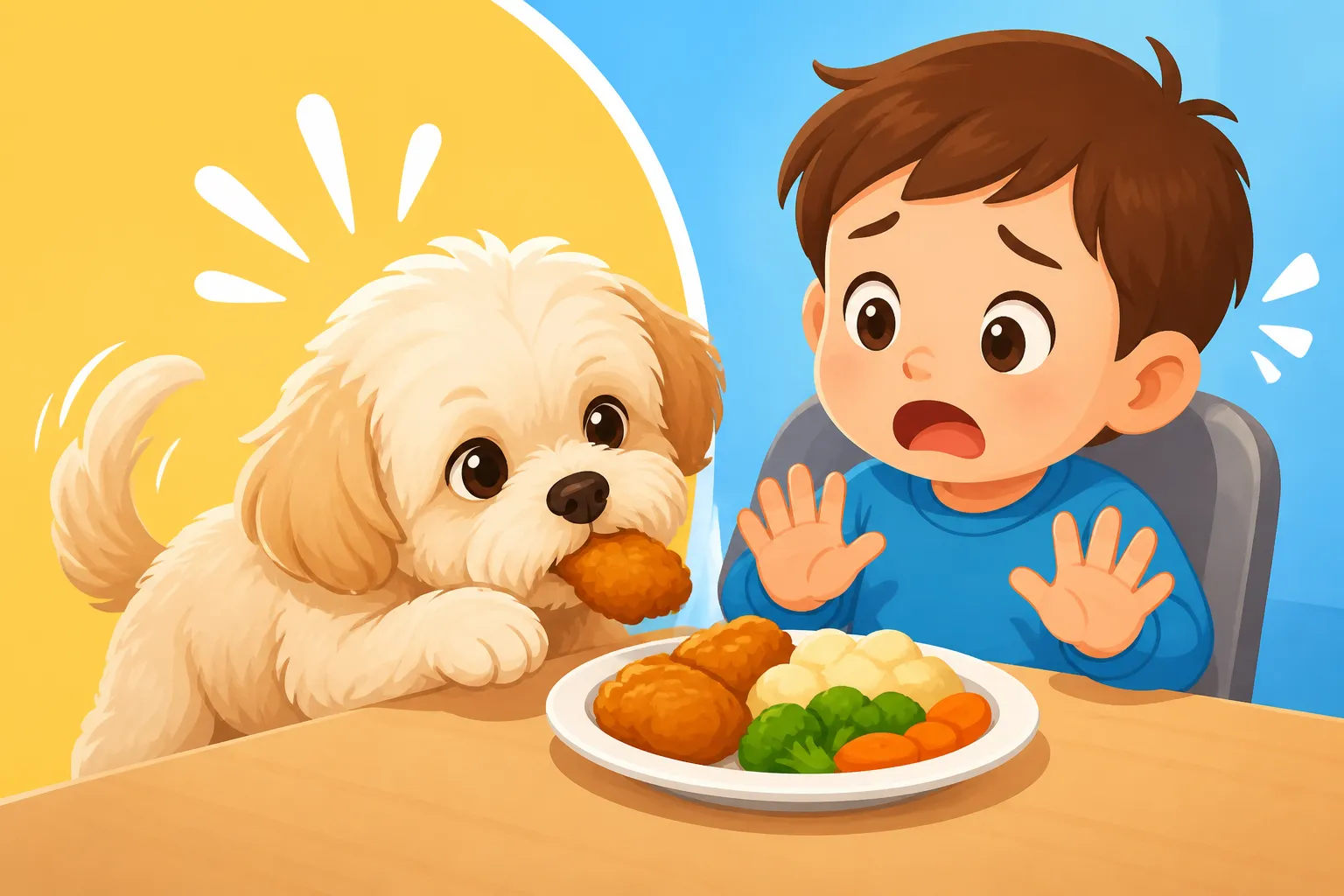
It's incredibly frustrating, and let's be honest, a little bit alarming, when your adorable Maltipoo suddenly decides that your child's lunch is fair game. You love them both dearly, but seeing your sweet pup snatch a cookie right out of tiny hands, or hover menacingly near a dropped crumb, can quickly turn mealtime into a battleground. This guide is here to help you understand why your Maltipoo might be developing these sneaky habits and, more importantly, equip you with practical, empathetic strategies to put an end to the food-stealing antics, creating a safer and happier home for everyone.
Understanding Why Your Maltipoo Might Be a Food Thief
Let's face it, dogs are opportunists by nature, and Maltipoos, with their clever Poodle genetics and sometimes stubborn Maltese streak, are no exception. When there's food involved, those natural instincts can kick into high gear, especially when delicious human snacks are within reach. It's not about being "bad"; it's about being a dog in a world full of tempting aromas and easy targets.
The Instinctual Drive for Food
Think about it: in the wild, dogs didn't get regular meal times. They scavenged, they hunted, and they took every opportunity to get calories. Even our domesticated Maltipoos carry a version of this drive. A dropped piece of toast or a half-eaten sandwich left on a low table isn't just "food" to them; it's a valuable resource they've discovered. For smaller breeds, this instinct can be even more pronounced because their bodies process food quickly, making them feel hungry more often, especially if their feeding schedule isn't perfectly calibrated. Why a Two Pound Maltipoo Cannot Skip a Meal is a very real concern, and even a slightly larger Maltipoo can feel that internal clock ticking.
Furthermore, a Maltipoo's intelligence, often inherited from their Poodle side, means they're excellent at problem-solving. If they've learned that pushing a child's hand or nudging a plate results in a dropped morsel, they'll repeat that behavior. They're not being malicious; they're simply being efficient. They've discovered a reliable (from their perspective) food source, and they'll exploit it. It’s a classic case of positive reinforcement: the act of stealing food is rewarded with, well, food!
Lack of Clear Boundaries and Training
Often, food-stealing behaviors develop because the boundaries around food aren't clear, or aren't consistently enforced. In a busy household with children, it's easy for lines to blur. Maybe sometimes the dog gets a tiny crumb from the table, or a piece of dropped food is ignored. These small inconsistencies, while seemingly harmless, can send mixed messages to your Maltipoo. They don't understand "sometimes"; they learn "if I try often enough, it works."
This is where foundational training like "leave it" and "stay" becomes crucial. If your Maltipoo hasn't mastered these commands in high-distraction environments, especially around tempting food, then they haven't been given the tools to resist their impulses. It's not fair to expect them to ignore a juicy piece of chicken if they haven't been rigorously taught how to ignore it, and rewarded for doing so. Without these clear communication signals, your Maltipoo is left to make their own decisions, and those decisions are almost always going to lean towards securing the delicious food. This lack of structure can also extend to more serious issues like Teaching a Maltipoo Not to Guard Its Bowl, where possessiveness over food can escalate.
The Role of Attention-Seeking
Sometimes, a Maltipoo isn't just after the food; they're also after the reaction. Imagine this scenario: your child is eating, the Maltipoo nudges their hand, the child squeals, and you rush over. From your pup's perspective, they just got food and a whole lot of attention. Even negative attention, like a shout or being shooed away, can still be a form of attention. If they're feeling a bit overlooked, or just bored, causing a stir around food can be an effective way to get noticed.
This behavior can become a self-fulfilling prophecy. The more they steal food or try to, the more you react, and the more they associate food-related antics with getting interaction from you. It’s a clever, albeit annoying, tactic. They learn that being sneaky around food means they're suddenly the center of attention, even if it's not the kind of attention you want to give them. It also highlights the need for consistent positive reinforcement for desired behaviors, rather than inadvertently reinforcing unwanted ones.
The Risks of Food Stealing for Both Maltipoo and Child
While the occasional stolen crumb might seem harmless, a Maltipoo habitually stealing food from a child carries significant risks for both your beloved pet and your little one. It's not just about manners; it's about safety, health, and maintaining a harmonious family dynamic.
Health Hazards for Your Maltipoo
Many human foods, even seemingly innocuous ones, can be incredibly dangerous, or even deadly, for dogs. Chocolate, grapes, raisins, onions, garlic, xylitol (a common artificial sweetener), and avocado are just a few examples of common household items that can cause severe illness or organ damage in dogs. A Maltipoo's small size means that even a tiny amount of a toxic substance can have a much more profound effect than it would on a larger breed. A single chocolate chip cookie, for instance, could be enough to cause serious issues for a small Maltipoo. For more information, you might want to review The Table Foods That Send a Maltipoo to the Vet.
Beyond toxicity, there are choking hazards. Chicken bones (which can splinter), fruit pits (like from peaches or avocados), corn cobs, or even large chunks of tough meat can easily get lodged in a Maltipoo's throat or cause internal damage. Their delicate digestive systems are also not built for rich, fatty, or spicy human foods, which can lead to severe gastrointestinal upset, vomiting, diarrhea, or even pancreatitis – a painful and potentially life-threatening inflammation of the pancreas. The financial and emotional toll of an emergency vet visit for a food-related illness is something no pet parent wants to endure.
Safety and Behavioral Concerns for Your Child
This is where the situation can get genuinely serious. When a Maltipoo steals food from a child, it creates a confrontational dynamic that can quickly lead to injury. A child, especially a very young one, doesn't understand dog body language or resource guarding. Their natural instinct will be to retrieve what's theirs. If the Maltipoo views the stolen food as a high-value resource, they might snap, snarl, or even bite to defend it. This isn't necessarily aggression in the malicious sense, but rather a natural instinct to protect what they perceive as their property. For a small dog like a Maltipoo, a bite can still break skin, cause significant fear, and create a lasting negative association between the child and the dog. You can learn more about canine communication in Whether a Maltipoo Warns Before It Snaps.
The emotional impact on a child can also be significant. They might become fearful of the dog, resentful, or develop anxieties around meal times. This can erode the loving bond you want them to share. Furthermore, it teaches the child that the dog doesn't respect their space or belongings, leading to a breakdown in trust. It's vital that children feel safe and respected in their own home, especially around their pets. For guidance on safe interactions, refer to Teaching a Child Where to Support a Maltipoo or consider the general advice in A Maltipoo in a House With Children. These situations can also highlight how Whether a Maltipoo Is Too Fragile for a Toddler isn't just about the dog's physical safety, but the child's too, if interaction isn't properly managed.
Practical Strategies to Prevent Food Stealing
Addressing food-stealing behaviors requires a multi-faceted approach that involves training, environmental management, and consistent enforcement of boundaries. It’s all about setting your Maltipoo up for success and teaching them what you do want them to do, rather than just punishing what you don’t.
Establishing Clear Rules and Supervision
Consistency is the absolute bedrock of success here. Everyone in the household, including older children, needs to be on the same page about the rules. A "zero tolerance" policy for human food from the floor or table is essential. This means no dropping scraps, no sharing, and no "just this once." Even a tiny slip-up can confuse your Maltipoo and undermine weeks of effort.
Consider creating designated "dog-free zones" during family meal times. This could be achieved with baby gates to keep your Maltipoo in another room or a designated, comfortable spot (like their crate or bed) where they can relax away from the dining area. Make this a positive experience by giving them a puzzle toy or a long-lasting chew in their designated area. Children also need explicit guidance on how to behave around the dog and food. This includes never feeding the dog from the table, not leaving plates unattended on low surfaces, and immediately picking up dropped food. Reinforce the idea that "people food is for people," and "dog food is for dogs."
Effective Training Techniques
This is where your consistent training efforts will truly pay off. Reinforce core commands like "leave it" and "stay" relentlessly, but not necessarily around the children's food at first. Start in a low-distraction environment with items that are not high-value to your dog, gradually increasing the difficulty. Practice "leave it" with a piece of kibble on the floor, rewarding them heavily when they look away or move towards you. Then progress to more tempting treats. Use these commands to teach them that ignoring enticing items leads to an even better reward from you.
Crate training can be an invaluable tool. If your Maltipoo is comfortable and happy in their crate, it provides a safe, quiet space for them during mealtimes. This prevents opportunities for food stealing and allows everyone to eat in peace. Structured meal times for your Maltipoo are also critical; Training a Maltipoo Around Four Meals a Day means that they expect their food at certain times, which can reduce their desire to seek out alternative sources. Many owners find structured online courses incredibly helpful for building these skills. Resources like BAXTER & Bella offer comprehensive, step-by-step guidance that covers everything from basic commands to more complex behavioral issues, providing excellent support for consistent training at home. For specific training tools, you can often find a wide array of excellent options like sturdy leashes, comfortable harnesses, and treat pouches on Amazon, which can enhance your training sessions.
Managing the Environment
Prevention is often the best medicine. Make it as difficult as possible for your Maltipoo to access human food. This means a concerted effort from everyone in the household. Teach children from a very young age about "clean plate club" rules – not just for health, but for pet safety. Encourage them to finish their meals and immediately place plates in the sink or dishwasher.
Any food left unattended on coffee tables, bedside tables, or low counters is an open invitation. Develop habits like putting food away immediately after cooking or eating. Use secure, pet-proof containers for snacks and leftovers. If you have a particularly persistent Maltipoo, you might even consider baby-proofing your kitchen or dining area with gates or higher surfaces. A consistent feeding schedule for your Maltipoo can also help. Knowing when their next meal is coming can reduce their scavenging drive. For instance, knowing How Often a Maltipoo Puppy Needs Taking Out for potty breaks can also influence their overall routine and behavior around the house. By being proactive and eliminating opportunities, you're not just preventing a bad habit, you're also protecting your Maltipoo from potentially harmful foods.
When to Seek Professional Help
Even with the best intentions and consistent effort, some behavioral challenges can be incredibly stubborn, or even escalate into something more serious. If your Maltipoo's food-stealing goes beyond mere opportunism or starts to involve true aggression, it's time to bring in the big guns: a professional.
Persistent or Aggressive Food Stealing
You've tried all the tips, you're consistent, your kids are on board, but your Maltipoo is still making a beeline for dropped food or even trying to snatch it directly. Or, perhaps more concerning, you've noticed that when they do get food, they show signs of resource guarding – growling, stiffening their body, snapping, or attempting to bite if anyone tries to approach or take the item away. These are red flags that indicate a deeper behavioral issue than simple mischief. This isn't just about manners anymore; it's about safety.
A Maltipoo displaying genuine resource guarding, particularly towards children, requires immediate and expert intervention. It’s a situation that can quickly become dangerous if not handled correctly. Sometimes, there might be an underlying anxiety or insecurity driving the behavior. This is complex and requires someone with a deep understanding of canine behavior to unravel. Don't feel like a failure if you reach this point; some behaviors are simply beyond the scope of even the most dedicated owner, especially if What a Maltipoo Asks of a First Time Owner is already a steep learning curve.
Consulting a Certified Professional Dog Trainer
When you're dealing with persistent or aggressive food stealing, the best course of action is to consult a certified professional dog trainer or a veterinary behaviorist. These experts have the knowledge and experience to accurately assess your Maltipoo's individual temperament, the specific triggers for their behavior, and the underlying motivations. They can observe the interactions in your home and identify nuances that you might miss.
They can then develop a tailored training plan that addresses the root cause of the problem, using positive reinforcement and gentle, effective techniques. This might involve structured desensitization exercises, counter-conditioning to change your Maltipoo's emotional response to food, or advanced obedience training to solidify control in challenging situations. They can also teach you how to safely manage situations and communicate effectively with your dog. While online programs like BAXTER & Bella provide excellent foundational training, a professional in-person trainer can offer hands-on guidance for specific, ingrained behavioral issues. Don't hesitate to reach out for this kind of specialized help; it's an investment in your family's safety and your Maltipoo's well-being. Knowing Whether a Maltipoo Owner Can Do It Without a Trainer often comes down to the severity and persistence of the issue. Sometimes, that extra layer of expertise makes all the difference.
Food Safety for Your Maltipoo: A Quick Guide
Here’s a simple table to help you remember some common safe and unsafe foods your Maltipoo might encounter, especially when those tiny hands are around.
| Category | Safe Foods (in moderation) | Unsafe Foods (avoid completely) |
|---|---|---|
| Vegetables | Carrots, green beans, peas, sweet potato (cooked, plain) | Onions, garlic, chives, leeks, wild mushrooms |
| Fruits | Apples (no seeds), bananas, blueberries, watermelon (no seeds/rind) | Grapes, raisins, cherries, avocado, citrus (large amounts) |
| Proteins | Cooked lean chicken, turkey, beef (plain, no bones) | Cooked bones (especially chicken), raw meat/eggs (risk of bacteria) |
| Dairy & Fats | Plain yogurt, small amounts of cheese (if no lactose issues) | High-fat foods, butter, ice cream, chocolate |
| Other | Plain cooked rice or pasta | Xylitol (sugar substitute), caffeine, alcohol, macadamia nuts |
Remember, even safe foods should only be given as small treats, never as a meal replacement, and always check with your vet if you're unsure about any food item.
Disclaimer
This article is for general informational purposes only and does not constitute professional advice. Laws, prices and regulations vary by location and change over time. Consult a qualified professional for guidance on your specific situation.