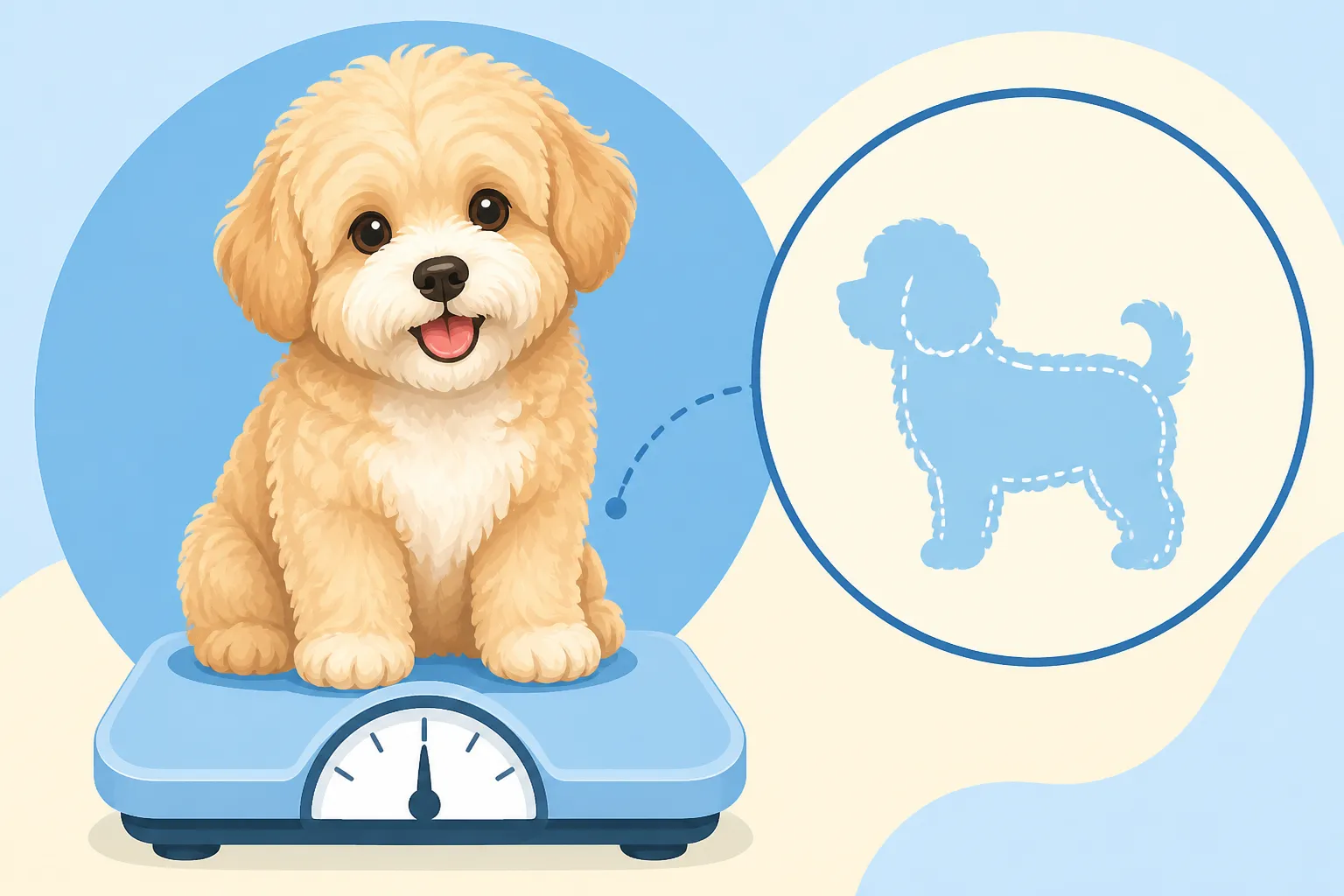
What a Six Pound Maltipoo Should Be Weighed Out
One of the most common worries I hear from new Maltipoo parents is about feeding. It feels like such a simple task, right? Just scoop some food into a bowl. But with a tiny dog like a six-pound Maltipoo, getting those portions exactly right is far more critical than you might imagine. This guide is all about breaking down why precise feeding matters so much for your small companion and, more importantly, how you can accurately weigh out their food every single time to ensure they thrive.
The Critical Importance of Precision Feeding for a Six-Pound Maltipoo
Let's face it, our Maltipoos are not built like bigger dogs. That adorable, petite frame means their bodies operate on a completely different scale, and their nutritional needs are surprisingly specific. You can't just eyeball their food or use a generic measuring cup and hope for the best. For a six-pound Maltipoo, a small error in portioning can have significant health consequences, swinging between two dangerous extremes: too little food or too much.
Why Small Dogs Are Different: Metabolism and Tiny Stomach Size
Think about it: a six-pound Maltipoo has a much higher metabolic rate relative to its body size compared to a Golden Retriever. They burn through energy incredibly quickly. This means they need a consistent, reliable supply of fuel throughout the day to keep their tiny engines running. Their small stomachs, however, aren't designed to hold large volumes of food at once. They can't just gorge themselves once a day and be fine. This creates a delicate balancing act: frequent small meals are essential to maintain stable blood sugar and energy levels, but each of those small meals has to be perfectly portioned. Too much, and you're overtaxing their system; too little, and you're risking a crash.
The Dangers of Inaccurate Portions: Underfeeding and Overfeeding
The consequences of misjudging your Maltipoo's food portions are not just minor inconveniences; they can lead to serious health issues that no pet parent wants to face.
Underfeeding: The Hypoglycemia Risk
For smaller Maltipoos, especially puppies, underfeeding isn't just about feeling a little hungry. It can quickly escalate into a life-threatening condition called hypoglycemia, or dangerously low blood sugar. Their bodies don't have large glycogen reserves like bigger dogs do. If they don't eat enough, or if they go too long between meals, their blood sugar can drop rapidly. You might see them become lethargic, wobbly, disoriented, or even collapse. It's truly terrifying to witness. That's why articles like Hypoglycemia and the Teacup Maltipoo Puppy emphasize how critical consistent feeding is for tiny pups. Even for an adult six-pound Maltipoo, missing a meal or getting consistently inadequate portions can lead to chronic low energy, poor coat condition, and a weakened immune system. It’s also why it’s so vital to remember Why a Two Pound Maltipoo Cannot Skip a Meal; even a slightly larger small dog needs consistent caloric intake.
Overfeeding: The Weight Gain Cascade
On the flip side, overfeeding your six-pound Maltipoo, even by a tiny amount, can quickly lead to weight gain and obesity. For a dog that small, an extra ounce of food a day can translate to a significant percentage of their body weight over time. And while a few extra pounds might seem harmless, it puts immense strain on their delicate joints, potentially worsening or triggering conditions like Slipping Kneecaps in a Maltipoo. Obesity also increases the risk of heart disease, diabetes, and respiratory problems. Imagine carrying an extra 20-30 pounds on your own frame – that's what an extra pound or two means for your tiny Maltipoo. It impacts their quality of life, their ability to play, and ultimately, their lifespan. Every single kibble counts!
Ditching the Scoop: How to Accurately Measure Your Maltipoo's Food by Weight
When I first brought my Maltipoo home, I used the measuring cup that came with the kibble bag. Surely, I thought, this was accurate enough. Oh, how wrong I was! This is where so many of us go astray. It’s a completely understandable mistake, but it's one we need to correct for our Maltipoos' well-being.
The Flawed Logic of Volume Measurement: Why Cups and Scoops Are Wildly Inaccurate
Here’s the thing about measuring cups and scoops: they measure volume, not weight. And when it comes to dog food, volume is incredibly deceptive. Different kibble brands, and even different formulas from the same brand, have varying densities, shapes, and sizes. A "cup" of a light, airy kibble will weigh significantly less than a "cup" of a dense, compact kibble.
Think of it like this: a cup of popcorn weighs much less than a cup of sugar, right? Same volume, vastly different weight. The same principle applies to dog food. If your bag of food says "feed 1/2 cup for a 6lb dog," that recommendation is based on the average density of their specific kibble. If you switch brands or formulas, or if your scooping technique varies (do you pack it down? level it off exactly?), you could be feeding wildly different amounts. One day it's too much, the next it's not enough, even though your scoop looks the same. This inconsistency is exactly what a small Maltipoo cannot afford.
Embracing the Kitchen Scale: Your New Best Friend for Feeding
This is the game-changer for precise feeding: a simple digital kitchen scale. You don't need anything fancy or expensive; a basic model will do the trick. Many pet parents find them on Amazon or at local kitchen stores. This tool measures by weight (grams or ounces), which is the only truly accurate way to portion out your Maltipoo's food.
Here's how to use it:
- Place the empty bowl on the scale.
- Zero out the scale (tare function). This tells the scale to ignore the weight of the bowl.
- Add your Maltipoo's food directly into the bowl until the scale shows the exact weight (in grams or ounces) that your vet or food manufacturer recommends.
It might feel a little tedious at first, but trust me, it becomes second nature very quickly. You'll gain peace of mind knowing that your Maltipoo is getting exactly the right amount of calories with every meal, every single day. This consistency is vital for maintaining their optimal weight and overall health.
Understanding Your Maltipoo's Calorie Needs: It's More Than Just a Number
Knowing the precise weight to feed your Maltipoo starts with understanding their daily caloric requirement. This isn't a one-size-fits-all number. A 6-pound, active Maltipoo puppy will need more calories per pound than a 6-pound senior Maltipoo who mostly naps. Factors like age, activity level, metabolism, and whether they are spayed/neutered all play a role.
Your veterinarian is the absolute best resource for determining your individual Maltipoo's exact daily calorie needs. They can assess your dog's current weight, body condition score, and lifestyle, and give you a specific number of calories per day. Once you have that calorie number, you'll look at your dog food bag. Most reputable brands list the caloric content per cup or per gram. For example, a bag might say "350 kcal per cup" or "3.5 kcal per gram."
Here's a simplified example of how you'd calculate:
- Let's say your vet says your 6-pound Maltipoo needs 200 calories per day.
- And your food states it has 3.5 kcal per gram.
- You would divide 200 kcal by 3.5 kcal/gram = approximately 57 grams of food per day.
This is where the kitchen scale becomes invaluable. You'll weigh out that 57 grams of food, ensuring consistent intake. For more on this, check out How Many Calories a Six Pound Maltipoo Needs. This approach removes all guesswork and provides the precision your small Maltipoo truly requires.
Crafting a Balanced Feeding Routine for Your Maltipoo
Once you've nailed down the how much, the next step is the how often and what else to consider. A consistent, well-thought-out feeding routine is just as important as accurate measurement, especially for small dogs prone to blood sugar fluctuations.
Portioning Daily Food into Multiple Meals
Because of their small stomach capacity and rapid metabolism, Maltipoos generally do much better on multiple small meals throughout the day rather than one or two large ones. This helps to keep their blood sugar stable, prevents them from getting overly hungry (which can lead to gulping food or upset stomachs), and spreads out their caloric intake effectively.
- Puppies: For very young Maltipoo puppies (under six months), three to four meals a day are often recommended. This is a critical period for preventing hypoglycemia. You'll want to review resources like Whether a Maltipoo Puppy Needs Feeding Four Times to ensure you're meeting their needs.
- Adults: Most adult Maltipoos thrive on two to three meals per day. If your Maltipoo is prone to tummy upset, is very active, or has blood sugar concerns, three meals might be better. Otherwise, two meals (morning and evening) are typically sufficient for maintaining energy and preventing extreme hunger. You'll generally see them transition from multiple puppy meals to fewer as they grow, as discussed in When a Maltipoo Drops to Two Meals.
Distribute your Maltipoo's total daily weighed-out food evenly across these meals. If your dog needs 60 grams of food per day and you're feeding twice, that's 30 grams per meal. Simple!
The Hidden Calories: Treats, Chews, and Human Food
This is where many well-intentioned pet parents inadvertently overfeed. Treats, training rewards, dental chews, and even tiny bites of human food all contain calories, and for a small Maltipoo, these "extras" can quickly add up to a significant portion of their daily intake.
It’s easy to forget that Three Treats Blow a Maltipoo's Daily Calories if you're not careful. If you give your Maltipoo five small training treats throughout the day, those calories need to be factored into their overall daily allowance. Ideally, treats should make up no more than 10% of their total daily calories.
- Training Treats: Opt for tiny, low-calorie options. You can even break larger treats into pea-sized pieces. Articles like Low Calorie Treats for a Maltipoo offer great suggestions.
- Dental Chews: While beneficial for dental health, some dental chews are surprisingly high in calories. Read the packaging carefully and adjust your Maltipoo's meal portions on days they get a chew.
- Table Scraps: My strong advice is to avoid human food scraps altogether. Not only can many human foods be toxic or unhealthy for dogs, but even safe foods are rarely nutritionally balanced for them and add empty calories. Plus, it can encourage begging, which is a habit best avoided.
Remember, every calorie counts for a six-pound Maltipoo. If you're using treats for training, deduct a small amount from their regular meal to compensate.
Monitoring Weight and Making Adjustments
Feeding isn't a set-it-and-forget-it task. Your Maltipoo's needs can change due to age, activity level shifts, or even the weather. Regular monitoring is key to keeping them at a healthy weight.
- Regular Weigh-ins: Weigh your Maltipoo regularly, perhaps once a week or every two weeks, using a small pet scale or even your kitchen scale if they'll sit still. Keep a log of their weight.
- Body Condition Score: Beyond the number on the scale, learn to assess your Maltipoo's body condition. You should be able to easily feel their ribs when you gently run your hands along their sides, without them being visible. They should have a noticeable waist when viewed from above, and a slight tuck-up from the side. If their ribs are hard to feel, they might be carrying too much weight. If they're clearly visible and sharp, they might be too thin. Feeling for a Maltipoo's Ribs provides more detail on this.
- Adjusting Portions: If you notice a gradual weight gain or loss, it’s time to adjust their daily food intake slightly. Make small changes (e.g., a 5-10% adjustment) and monitor the results over a week or two before making further changes. Always consult your vet before making significant dietary changes, especially if you see rapid or unexplained weight fluctuations.
Essential Tools and Considerations for Consistent Feeding
To truly nail down consistent and healthy feeding for your six-pound Maltipoo, you'll want to equip yourself with the right tools and keep a few key considerations in mind. These small habits and choices can make a huge difference in their long-term health and well-being.
Choosing the Right Food for Your Maltipoo's Needs
The type of food you choose plays a massive role alongside accurate portioning. Not all dog foods are created equal, and a Maltipoo, being a small breed, often benefits from formulas designed with their specific requirements in mind.
- Small Breed Specific Kibble: Many brands offer kibble specifically formulated for small breeds. These often feature smaller kibble pieces that are easier for tiny mouths to chew and may have a nutrient profile tailored to their higher metabolic rates. They are also often more calorically dense, meaning your Maltipoo gets the necessary nutrients without needing to eat a large volume of food. You might wonder, Whether Small Breed Kibble Is Worth It for a Maltipoo, and for many, the answer is yes, due to these considerations. When looking for kibble, you can easily compare options and read reviews on sites like Chewy or Amazon.
- Wet Food, Fresh Food, or Gently Cooked Diets: Some Maltipoo parents opt for wet food, fresh food, or gently cooked diets. These can be excellent options, but it’s even more crucial to know their exact caloric content per serving and weigh them accurately, as moisture content can drastically affect perceived volume. If you're looking into fresh food options, companies like Ollie specialize in nutritionally balanced, portioned meals that simplify accurate feeding by often providing clear calorie and weight guidelines for your specific dog.
- Ingredient Quality: Regardless of the type, always prioritize high-quality ingredients. Look for named meat sources as the first ingredient, whole grains, and identifiable fruits and vegetables. Avoid foods with excessive fillers, artificial colors, or preservatives.
Maintaining a Feeding Log: A Simple Yet Powerful Tool
In our busy lives, it's easy to forget exactly how much we fed or how many treats were given, especially if multiple family members are involved. This is where a simple feeding log comes in handy.
- What to Track: Jot down the date, time, exact weight of food given, any treats (and their estimated calorie count if possible), and any observations about your Maltipoo’s appetite or energy levels.
- How it Helps:
- Consistency: Ensures everyone in the household is on the same page and your Maltipoo gets consistent portions.
- Troubleshooting: If your Maltipoo is gaining or losing weight unexpectedly, or having digestive issues, the log provides a clear record to review with your vet.
- Communication with Vet: When you go for The Yearly Checks a Maltipoo Should Get, having this detailed information can be invaluable for your vet to assess their health and make informed dietary recommendations.
A simple notebook, a whiteboard on the fridge, or a free app on your phone can serve as an effective feeding log. The key is to be consistent with recording.
When to Seek Veterinary Guidance
While this guide provides comprehensive information on accurate feeding, it’s crucial to remember that your veterinarian is your primary partner in your Maltipoo’s health journey.
- Initial Calorie Assessment: Always start by getting your vet's recommendation for your Maltipoo's daily caloric intake.
- Weight Fluctuations: If your Maltipoo experiences rapid, unexplained weight loss or gain, or if you're struggling to manage their weight despite accurate feeding, it's time for a vet visit. This could indicate an underlying health issue.
- Appetite Changes: Any significant change in appetite – either refusing to eat for an extended period or suddenly developing a ravenous hunger – warrants veterinary attention.
- Dietary Switches: If you're considering a major change in your Maltipoo's diet (e.g., from kibble to raw or a different brand), discuss it with your vet first to ensure it’s appropriate for their needs and to get guidance on the transition.
By being diligent with weighing your Maltipoo’s food, understanding their caloric needs, maintaining a consistent routine, and working closely with your vet, you’ll be providing the best possible nutritional foundation for your beloved six-pound Maltipoo to live a long, happy, and healthy life.
Disclaimer
This article is for general informational purposes only and does not constitute professional advice. Laws, prices and regulations vary by location and change over time. Consult a qualified professional for guidance on your specific situation.