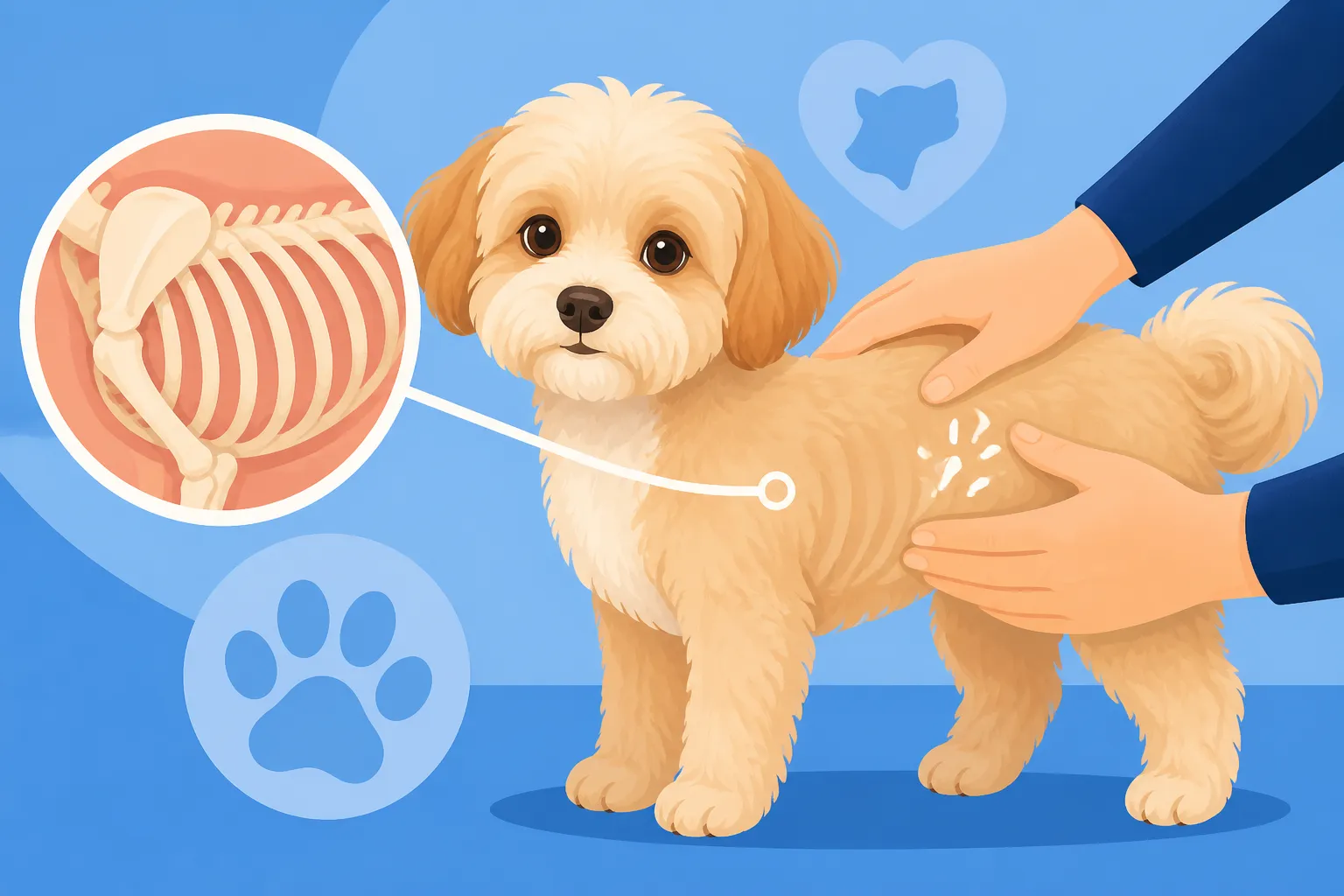
Feeling for a Maltipoo’s Ribs
It’s a common frustration for Maltipoo owners: you look at your fluffy little companion, and you just can't tell if they're carrying a little extra weight or if that soft, cloud-like coat is just really doing its job. This guide will walk you through the surprisingly simple, yet often overlooked, technique of feeling for your Maltipoo’s ribs, so you can accurately assess their body condition and ensure they’re at a healthy weight, avoiding many potential health issues down the line.
Why Feeling Your Maltipoo's Ribs Is So Important (And So Tricky!)
We all want the best for our Maltipoos, and keeping them at a healthy weight is absolutely foundational to their well-being. But let's be honest, it's easier said than done, especially with a breed as adorable and fluffy as ours! You might think a quick glance is enough, or that your vet will tell you if there's an issue, but truly understanding your dog's body condition is a continuous effort that starts at home.
The Hidden Dangers of Under and Overfeeding
It might seem contradictory, but both being underweight and overweight pose serious risks for your Maltipoo. An underweight Maltipoo, especially a tiny one, can be incredibly vulnerable to issues like Hypoglycemia and the Teacup Maltipoo Puppy, where their blood sugar can drop dangerously low if they don't get enough calories. Imagine your little one, full of life, suddenly lethargic or even collapsing because they haven't had enough to eat. It's terrifying, and something we always want to avoid. Ensuring they get How Many Ounces a Four Pound Maltipoo Eats is crucial, and that means knowing if they're actually putting on weight or wasting away.
On the flip side, an overweight Maltipoo faces a whole host of problems. Those extra pounds put undue stress on their delicate joints, potentially worsening conditions like Slipping Kneecaps in a Maltipoo, which are already a concern for small breeds. Obesity can also contribute to heart disease, diabetes, and even impact their ability to breathe comfortably, especially for those prone to Collapsing Trachea in a Maltipoo's Neck. It can even shorten their precious The Twelve to Fifteen Years a Maltipoo Lives. You're essentially loving them with food, but inadvertently setting them up for a harder life.
The "Fluff Factor" and Why Eyes Can Deceive You
Here’s where the Maltipoo’s irresistible charm becomes a slight hindrance when it comes to weight assessment: their glorious, non-shedding, fluffy coat. It’s absolutely beautiful, but it can hide a multitude of sins beneath. You might look at your Maltipoo and think they look perfectly round and cuddly, or perhaps even a bit too thin, when the reality is entirely different once you get past the fur.
I've seen so many owners, myself included at times, completely misjudge their Maltipoo’s physique because of that amazing coat. It's like trying to guess the size of a sheep under all its wool – impossible! The fluff can make a dog seem much larger than they are, masking a slender frame, or conversely, it can make an overweight dog appear only slightly plump. This "fluff factor" is why relying solely on visual cues is often misleading and why getting hands-on is essential. You need to literally feel for what's beneath the surface, past the gorgeous The Wavy Maltipoo Coat or The Curly Maltipoo Coat to the actual body.
A Step-by-Step Guide to Feeling for Your Maltipoo's Ribs
Alright, let's get down to business. This isn't a wrestling match; it's a gentle, reassuring interaction with your furry friend. The goal is to make this a comfortable experience for both of you, so you can routinely check their weight and catch any changes early.
Getting Your Maltipoo Comfortable with Touch
Before you start poking around, make sure your Maltipoo is relaxed. Pick a quiet time when they're calm and receptive to petting. Start by simply stroking their sides, giving them plenty of praise and perhaps a tiny, low-calorie treat they love. You want them to associate this kind of touch with positive feelings.
Many Maltipoos love to be held close, so if yours does, you can do this while they're nestled in your lap. Some might prefer to stand on a sturdy surface, like a grooming table or even just the floor, while you kneel beside them. Whatever their preference, ensure they feel secure. If your Maltipoo is particularly squirmy or sensitive to touch, try incorporating more general handling into your routine. Teaching a Maltipoo to Be Handled Every Two Weeks for grooming or vet visits can make this process much easier. A little patience and consistency will go a long way in making them comfortable with being gently palpated.
The Gentle Palpation Technique
Now for the actual technique. You're not trying to dig for gold; you're just gently feeling.
- Position your hands: Place both of your hands flat on either side of your Maltipoo's chest, just behind their front legs. Imagine you're giving them a gentle hug.
- Use your fingertips: Gently run your fingertips along their side, moving backward towards their tail. You're trying to locate their rib cage.
- Apply gentle pressure: As you move your hands, apply very light pressure. Think of it like feeling for the knuckles on your own hand. You should be able to feel each individual rib bone beneath the skin and muscle. Don't press hard; just enough to distinguish bone from fat or muscle.
- Practice makes perfect: It might take a few tries, especially if you're new to this or your Maltipoo has a very thick coat. The more you do it, the more familiar you'll become with what a healthy rib cage feels like.
Remember, the key here is gentle and consistent. This isn't a one-time check; it's something you should aim to do regularly, perhaps once a week, to monitor any changes.
What You Should (and Shouldn't) Feel
So, what exactly are you looking for? It's all about finding that sweet spot between feeling too much and feeling too little.
- Ideal Body Condition: When your Maltipoo is at a healthy weight, you should be able to easily feel their ribs without pressing hard, but you shouldn't see them prominently. Each rib should feel like running your fingers over the knuckles on the back of your hand. There should be a thin layer of fat and muscle covering the ribs, making them distinct but not sharp.
- Too Thin: If you can see your Maltipoo’s ribs without even touching them, or if they feel very sharp and prominent with no discernible padding, your dog is likely underweight. This is a serious concern, especially for small breeds, and you should consult your vet immediately. They might need an increase in their Feeding a Six Pound Maltipoo by the Ounce, Not the Scoop or a change in their diet.
- Overweight: If you have to press firmly to feel the ribs, or if you can't feel them at all because there's too much cushioning, your Maltipoo is likely overweight. This is a sign you need to start thinking about managing their portions and increasing their activity. This is the stage where you might need to look into Getting a Pound Off an Overweight Maltipoo.
It's a subtle distinction, but with practice, you'll get a good feel for it.
Interpreting What You Feel: Is Your Maltipoo at a Healthy Weight?
Now that you've got your hands on your Maltipoo, how do you translate that tactile information into an actual assessment of their weight? This is where understanding body condition comes in, and it's less about the number on a scale and more about their physical shape.
The Body Condition Score (BCS) Explained for Small Dogs
Veterinarians often use a Body Condition Score (BCS) system, typically on a scale of 1 to 9 (with 1 being emaciated and 9 being obese), or a simplified 1 to 5 scale (with 3 being ideal). For small dogs like Maltipoos, a score of 4-5 out of 9, or a 3 out of 5, is generally considered ideal.
Here’s a simplified breakdown of what you might feel:
| Score Category | Ribs Feel Like… | Visual Cues (Less Reliable for Maltipoos) | Action Needed |
|---|---|---|---|
| Too Thin | Easily visible and sharp, no fat cover | Ribs, spine, hip bones visible. Little to no body fat. | URGENT VET VISIT. Increase calories carefully under guidance. |
| Underweight | Easily palpable, minimal fat cover, may be visible | Ribs, spine, hip bones prominent. Minimal waist tuck. | Vet check. Gradually increase food, monitor closely. |
| Ideal | Easily palpable, slight fat cover, not visible | Ribs not visible, but easily felt. Clear waist tuck. | Maintain current How Many Calories a Six Pound Maltipoo Needs and exercise. |
| Overweight | Palpable with moderate pressure, hard to feel | Ribs barely palpable. Slight or no waist tuck. | Reduce portions slightly, increase exercise. Monitor. |
| Obese | Difficult or impossible to feel due to heavy fat | Ribs not palpable. No waist tuck, rounded abdomen. | VET VISIT. Significant diet and exercise changes needed. |
This table provides a good starting point. While visual cues are listed, always prioritize what you feel for your fluffy Maltipoo!
When to Adjust Diet and Exercise
If your assessment leans towards your Maltipoo being underweight, your first step is a vet visit. They can rule out any underlying health issues that might be causing weight loss. Once cleared, you'll work on gradually increasing their food intake. Sometimes it's as simple as making sure you're accurately weighing their food. Whether a Maltipoo Should Be Fed on a Kitchen Scale is a great question to ask yourself, as it truly ensures precision. You might even consider enriching their meals with nutrient-dense additions as recommended by your vet.
If you find your Maltipoo is carrying extra weight, it's time for some adjustments. This is not about crash diets! Small, consistent changes are key.
- Portion Control: Re-evaluate how much you're feeding. Are you measuring accurately? A standard measuring cup can be off by a surprising amount. Consider using a kitchen scale for precise measurements. Check the feeding guidelines on your dog food bag, but remember these are often just starting points and might need adjusting for your individual dog’s metabolism and activity level. Many quality small breed foods are available from retailers like Chewy or Amazon.
- Quality Treats: Cut back on high-calorie treats. Those tiny training morsels add up quickly! Look for low-calorie options or use small pieces of healthy vegetables (like green beans or carrots, in moderation) as rewards.
- Increased Activity: While Maltipoos aren't marathon runners, they still need regular exercise. The Walk a Six Pound Maltipoo Actually Needs is often more than many owners think. Even 2-3 short, brisk walks a day can make a big difference. Playtime indoors, like fetch or hide-and-seek, also counts. Just be mindful of their Whether a Maltipoo Can Be Injured by a Fall risks and avoid high-impact activities if they have any joint concerns.
- Consistency: This is perhaps the hardest part. Sticking to a routine, measuring food meticulously, and staying active is a daily commitment. Don't get discouraged if progress is slow; healthy weight loss takes time. If you use fresh food options like Ollie, be sure to follow their specific portioning guidelines which are often tailored to your dog's individual needs.
Remember, any significant dietary changes should always be discussed with your veterinarian to ensure your Maltipoo is getting all the nutrients they need without overdoing it.
Beyond the Ribs: Other Indicators of a Healthy Maltipoo Weight
While feeling for the ribs is a cornerstone of accurate weight assessment, it's not the only thing to consider. A holistic approach includes looking at other body landmarks and, crucially, observing your Maltipoo's overall vitality.
Checking the Waist and Tummy Tuck
Once you're comfortable feeling the ribs, the next areas to examine are their waist and the "tummy tuck."
- The Waist: When looking down at your Maltipoo from above, you should see a discernible waistline, an hourglass shape, behind their ribs. It shouldn't be a straight line from chest to hips, nor should it bulge out. For a fluffy Maltipoo, you might need to gently part their fur to get a better view, or feel along their sides.
- The Tummy Tuck: When looking at your Maltipoo from the side, their abdomen should gently tuck up from their rib cage to their hind legs, not hang low or appear distended. This tuck indicates good muscle tone and a lack of excessive abdominal fat. Again, that beautiful coat can hide this, so gentle palpation can help confirm what you see (or don't see!).
If you notice these areas are lacking definition or are bulging, it's a strong indicator that your Maltipoo might be carrying too much weight, even if you can just barely feel their ribs. These are particularly important to monitor as your Maltipoo ages. Caring for a Maltipoo Past Ten often means more subtle changes in body shape that can indicate weight gain. You might also find yourself needing to read up on Cutting an Old Maltipoo's Portions as It Slows to help them stay trim and healthy in their senior years.
Energy Levels and Overall Demeanor
Beyond the physical checks, your Maltipoo's behavior and energy levels can provide valuable clues about their weight and general health.
- Underweight Maltipoo: An underweight Maltipoo might seem lethargic, tire easily during playtime, or even appear a bit dull or depressed. Their coat might lose some of its luster, and they may seem colder than usual because they lack insulation. They might also be more prone to illnesses. If you're wondering What a Maltipoo's Yearly Vet Bill Comes To, preventative care, including proper nutrition, is a huge factor in keeping those costs down.
- Healthy Weight Maltipoo: A Maltipoo at an ideal weight is typically energetic, playful, and has a spring in their step. They're engaged with their surroundings, eager for walks, and have a generally bright and happy demeanor. Their eyes are clear, their coat is shiny, and they're resilient.
- Overweight Maltipoo: An overweight Maltipoo might be reluctant to play, breathe heavily after minimal exertion, or seem generally less enthusiastic. They might sleep more, move slower, and struggle with tasks like jumping onto the sofa (even if you have Whether a Maltipoo Needs Sofa Steps for them). They might also be more prone to being a Whether a Maltipoo Is a Fussy Eater as they get used to being overfed.
Keep a mental note of your Maltipoo’s typical energy levels. Any significant or sudden change, especially in conjunction with weight fluctuations, warrants a conversation with your vet. Regular monitoring, both by touch and by observation, empowers you to be your Maltipoo's best advocate for a long, happy, and healthy life.
Disclaimer
This article is for general informational purposes only and does not constitute professional advice. Laws, prices and regulations vary by location and change over time. Consult a qualified professional for guidance on your specific situation.