The Liver Shunt a Maltipoo Can Inherit From the Maltese
It's absolutely heartbreaking to imagine your precious Maltipoo puppy, full of life and boundless energy, suddenly facing a serious, hidden health challenge. Many of us fall in love with these charming, fluffy companions, often unaware of some of the very specific genetic predispositions they might carry. One of the most worrying conditions that can affect a Maltipoo, unfortunately inherited from their Maltese lineage, is a portosystemic shunt, more commonly known as a liver shunt. This guide is here to shed light on this complex issue, helping you understand what it is, how it's inherited, what signs to look for, and the pathways to diagnosis and treatment, so you can be the best advocate for your furry family member.
Understanding What a Liver Shunt Actually Is
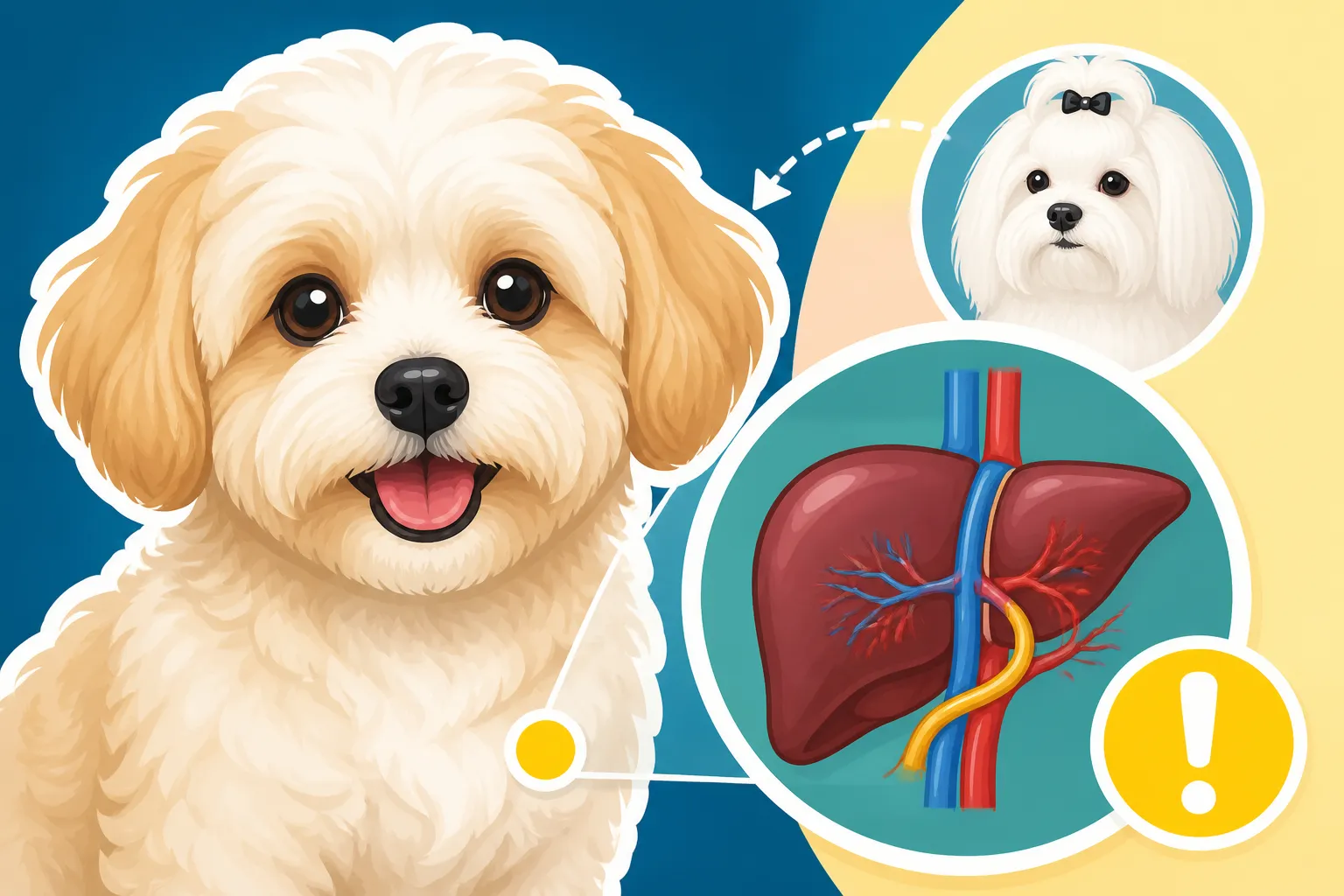
When we talk about a liver shunt, it sounds incredibly technical and daunting, but at its heart, it's a bypass. Imagine a crucial processing plant in your dog's body, the liver, which is designed to filter out toxins and nutrients from the blood. With a liver shunt, some of that blood bypasses the liver entirely, sending unfiltered, toxin-laden blood directly into the general circulation. This can have profound and often debilitating effects on a Maltipoo's health, impacting everything from their brain function to their growth. It's a condition that can manifest early in life, and understanding its mechanisms is the first step toward recognizing and addressing it.
The Liver's Crucial Role in Your Maltipoo's Health
Your Maltipoo's liver is a powerhouse, a true multi-tasker that performs hundreds of vital functions every single day. Think of it as the body's main detoxification center, a metabolic engine, and a storage facility all rolled into one. When your Maltipoo eats, the digested food travels from the intestines to the liver via a special blood vessel called the portal vein. The liver then processes these nutrients, converting them into energy, storing vitamins and minerals, producing essential proteins for blood clotting, and, most importantly, filtering out toxins like ammonia and other waste products before they reach the rest of the body. Without a properly functioning liver, these toxins build up, essentially poisoning the body slowly and systemically. It’s an organ you rarely think about until something goes wrong, but its continuous, diligent work is paramount to your dog's overall well-being and vitality.
How a Portosystemic Shunt Disrupts Normal Function
A portosystemic shunt (PSS) is essentially an abnormal blood vessel that allows blood to bypass the liver. Instead of all the blood from the digestive system flowing into the portal vein and then through the liver for processing, a shunt diverts some or all of this blood directly into the systemic circulation, which then goes straight to the heart and the rest of the body. This means that nutrients aren't properly metabolized, and harmful toxins, particularly ammonia, aren't filtered out. These toxins then circulate, especially affecting the brain, leading to a range of neurological symptoms. For a growing Maltipoo puppy, this disruption means they aren't getting the full benefit of their food, leading to stunted growth, weakness, and a general failure to thrive. It’s like having a crucial purification step skipped in a manufacturing process; the end product is flawed, and in this case, the "product" is your Maltipoo's health.
The Two Types of Liver Shunts: Congenital vs. Acquired
Liver shunts generally fall into two main categories: congenital and acquired. Congenital shunts are those your Maltipoo is born with; these are typically the type inherited from the Maltese side of their lineage, and they are usually diagnosed in puppies or young dogs. These are often single, large shunting vessels. The other type, acquired shunts, usually develop later in life. These often occur when the liver is severely diseased or damaged, leading to high blood pressure in the portal vein (portal hypertension). In response to this high pressure, the body tries to find alternative routes for blood flow, creating multiple, smaller shunting vessels (sometimes called multiple extrahepatic shunts). While congenital shunts are the primary concern for Maltipoo owners due to the genetic predisposition, it's important to understand both forms, as the implications for diagnosis, treatment, and long-term prognosis can differ significantly between them.
Why the Maltese Connection Matters for Maltipoos
The Maltipoo, being a crossbreed between a Maltese and a Poodle, inherits characteristics and predispositions from both parent breeds. While Poodles are generally robust, the Maltese breed has a known genetic propensity for liver shunts, particularly congenital portosystemic shunts. This means that any Maltipoo puppy has a chance of inheriting this predisposition. It's not a guarantee, of course, but it significantly increases the risk compared to breeds where shunts are rare. This genetic link is a critical piece of information for any prospective Maltipoo owner and highlights the importance of responsible breeding practices and thorough health screening.
Tracing the Genetic Link to the Maltese Breed
The Maltese breed has a well-documented genetic predisposition to portosystemic shunts, specifically extrahepatic (outside the liver) congenital shunts. This isn't just a random occurrence; it's a recognized inherited condition within the breed. When a Maltese parent passes on its genes to a Maltipoo puppy, there's a risk that this specific genetic vulnerability will be passed along. It doesn't mean every Maltese carries the gene or every Maltipoo from a Maltese parent will develop a shunt, but the statistical likelihood is elevated. This is why a reputable breeder will be transparent about the health history of their breeding dogs, particularly the Maltese parent, and often perform screening tests to ensure they are not passing on known genetic defects. Understanding this direct lineage link is crucial for managing expectations and preparing for potential health challenges in your Maltipoo. The topic of The Liver Shunt a Maltipoo Can Inherit From the Maltese often raises concerns that diligent breeders will address head-on.
The Importance of Breeder Transparency and Health Screening
This brings us to a really crucial point: the absolute necessity of breeder transparency and thorough health screening. When you're looking for a Maltipoo puppy, it's not enough to just fall in love with their cute face. You need to ask probing questions about the health history of both parents, especially the Maltese parent. A responsible breeder will be open about the prevalence of liver shunts in their lines and will perform specific health tests on their breeding stock to minimize the risk. This often includes bile acid tests on the parent dogs, and sometimes even on the puppies themselves before they go to their new homes. If a breeder is evasive, unwilling to share health records, or dismisses concerns about genetic conditions like liver shunts, that's a major red flag. Paying a little more for a puppy from a breeder who invests in health testing and transparency can save you immense heartache and significant veterinary bills down the line. It really pays to see the bile acid results.
Debunking the "Hybrid Vigor" Myth in Designer Breeds
There's a popular misconception, sometimes called "hybrid vigor," that crossbreeds like Maltipoos are inherently healthier than their purebred parents. While it's true that some crosses can reduce the incidence of certain breed-specific genetic diseases by diversifying the gene pool, it's not a universal shield against all inherited conditions. In the case of the Maltipoo and liver shunts, the strong genetic predisposition from the Maltese parent means that the "hybrid vigor" effect may not fully negate the risk. If both parent breeds carry genetic predispositions, the offspring can still inherit them. Therefore, simply being a Maltipoo doesn't automatically mean your dog is free from the risk of a liver shunt or other genetic health issues. Vigilance, responsible breeding, and health screenings remain paramount, regardless of whether a dog is a purebred or a crossbreed. We've talked extensively about What Breeding Smaller Costs a Maltipoo, and health issues like shunts are definitely part of that cost.
Recognizing the Subtle Signs and Symptoms
Detecting a liver shunt in a Maltipoo can be tricky because the symptoms can be vague, vary greatly between individuals, and often mimic other conditions. It's not always a sudden, dramatic collapse. Sometimes, the signs are subtle and progressive, easily mistaken for a picky eater, a slightly "off" personality, or just a small dog being a bit fragile. This is why careful observation and knowing what to look for are absolutely critical, especially in a young Maltipoo. Early recognition can make a huge difference in prognosis and treatment success.
Early Warning Signs in Maltipoo Puppies
In Maltipoo puppies, the early signs of a liver shunt are often tied to their failure to thrive. You might notice your puppy is consistently smaller than their littermates, even if they eat diligently. They may seem a bit scrawny, struggle to gain weight, and generally appear less robust. Beyond physical size, you might observe a lack of energy or lethargy that seems out of place for a playful puppy. While other puppies are zooming around, yours might be more inclined to sleep or lie down. They might also exhibit a poor appetite or be incredibly picky, turning their nose up at food, which can be particularly concerning for a small breed that is already at risk for conditions like Hypoglycemia and the Teacup Maltipoo Puppy. Vomiting or diarrhea can also be intermittent signs, often dismissed as typical puppy digestive upset, but in conjunction with other symptoms, they warrant further investigation.
Behavioral and Neurological Symptoms to Watch For
As toxins like ammonia build up in the bloodstream and reach the brain, a Maltipoo with a liver shunt can exhibit a range of concerning behavioral and neurological symptoms, a condition known as hepatic encephalopathy. You might see disoriented behavior – perhaps your dog seems confused, stares blankly into space, or walks in circles. They might press their head against walls or furniture, a classic sign of neurological distress. Seizures are also a very serious, though less common, symptom that can occur, and can be terrifying to witness. Changes in personality, such as becoming unusually aggressive, restless, or simply "not themselves," should never be ignored. Sometimes, you might even notice uncoordinated movements or a wobbly gait. These symptoms often worsen after meals, as that's when the digestive system is most active, and toxin production increases.
Physical Indicators and Digestive Issues
Beyond the behavioral and neurological signs, there are physical indicators and digestive issues that can point towards a liver shunt. Chronic or intermittent vomiting and diarrhea are common, as the digestive system struggles with improper nutrient absorption and toxin load. You might notice an increased thirst and urination, as the kidneys work harder to eliminate toxins. Blood in the urine (hematuria) or bladder stones (urates) can also develop due to the altered metabolism of certain waste products. On the physical side, a dull coat, poor muscle development, and general weakness are often observed. In severe cases, you might even see jaundice, a yellowing of the gums, skin, or whites of the eyes, though this is less common with shunts than with other liver diseases. A Maltipoo struggling to grow or maintain weight, especially when coupled with any of these other signs, is definitely a candidate for a thorough veterinary check-up.
Diagnosing a Liver Shunt: The Journey to a Definitive Answer
The journey to diagnosing a liver shunt can sometimes feel like solving a puzzle, especially because the symptoms can be so varied. It requires a systematic approach from your veterinarian, starting with basic blood tests and often progressing to more specialized diagnostics. It's a process that demands patience and a good working relationship with your vet, but reaching a definitive diagnosis is crucial for determining the best course of action and giving your Maltipoo the best chance at a healthy life.
Initial Veterinary Examination and Bloodwork
Your veterinarian will begin with a thorough physical examination, checking for any palpable abnormalities, assessing your Maltipoo's overall condition, and discussing all the symptoms you've observed. The first line of diagnostic testing usually involves routine bloodwork, including a complete blood count (CBC) and a biochemistry panel. While these tests won't directly diagnose a shunt, they can provide important clues. For instance, the biochemistry panel might reveal abnormally low levels of blood urea nitrogen (BUN) and albumin, which are produced by the liver, indicating impaired liver function. There might also be elevated liver enzymes, although this is not always consistent with a shunt. These initial tests serve as crucial stepping stones, guiding your vet towards the possibility of a liver issue and signaling the need for more specific investigations. These The Yearly Checks a Maltipoo Should Get are vital from puppyhood.
The Critical Role of Bile Acid Tests
Once initial bloodwork suggests a liver issue, the next critical step is often a bile acid test, which is far more specific for diagnosing liver shunts than standard liver enzyme tests. This test measures the bile acids in your Maltipoo's blood before and after a meal. Bile acids are produced by the liver, stored in the gallbladder, and released into the intestines to help digest fats. They are then reabsorbed into the bloodstream and sent back to the liver for reprocessing. If a liver shunt is present, bile acids bypass the liver, leading to abnormally high concentrations in the systemic circulation, particularly after a meal. A pre- and post-prandial (before and after eating) bile acid test is considered highly accurate for detecting a shunt. It's a non-invasive procedure, typically requiring a fasting blood sample, then a small meal, and another blood sample two hours later. This test is often what provides the strongest biochemical evidence for a shunt.
Advanced Imaging: Ultrasound and CT Scans
If the bile acid test strongly suggests a liver shunt, the next step is usually advanced imaging to actually visualize the abnormal blood vessel. An abdominal ultrasound, performed by an experienced veterinary radiologist, is often the first imaging choice. During an ultrasound, the specialist can sometimes identify the shunting vessel and assess the size and health of the liver. While highly useful, some shunts can be difficult to locate with ultrasound, especially if they are very small or in an unusual location.
For the most definitive diagnosis and detailed mapping of the shunt, a CT (Computed Tomography) angiogram is often recommended. This involves injecting a contrast dye into your Maltipoo's bloodstream while they are under general anesthesia, and then taking a series of detailed X-ray images. The contrast highlights the blood vessels, allowing the veterinarian to precisely locate, measure, and understand the anatomy of the shunt. This detailed mapping is absolutely invaluable if surgical correction is being considered, as it gives the surgeon a clear roadmap for the procedure. It's an investment, but it provides the clearest picture for treatment planning. When considering What an Emergency Sugar Crash Costs a Maltipoo Owner, these diagnostic costs are often just as significant.
Treatment Options and Management for Your Maltipoo
Receiving a liver shunt diagnosis for your Maltipoo is undoubtedly distressing, but it's important to remember that there are viable treatment options, both medical and surgical, that can significantly improve their quality of life. The choice of treatment depends on the type and severity of the shunt, as well as your Maltipoo's overall health and your veterinarian's recommendations. Each path requires dedication, but with proper care, many Maltipoos can live much fuller, happier lives.
Medical Management: Diet and Medication for Stability
For some Maltipoos, especially those with acquired shunts, or as an initial step to stabilize a congenital shunt patient before surgery, medical management is the chosen path. This approach focuses on minimizing toxin production and absorption, primarily through dietary changes and medication. A specialized, low-protein diet is crucial. This means reducing the amount of protein that gets broken down into ammonia, thus lessening the toxic load on the body. Your vet might recommend a prescription diet specifically formulated for liver support.
Alongside diet, medications are often prescribed. Lactulose is commonly used to reduce the absorption of ammonia from the gut. It works by making the colon more acidic, which traps ammonia, and by acting as a laxative to speed up its elimination. Antibiotics may also be used to decrease ammonia-producing bacteria in the intestines. These medical interventions don't cure the shunt, but they can effectively manage the symptoms, improve your Maltipoo's neurological signs, and buy time, sometimes even for an entire lifetime, especially if surgery isn't an option.
Surgical Correction: When and How It's Performed
For most congenital liver shunts, surgical correction offers the best long-term prognosis. The goal of surgery is to close or constrict the abnormal blood vessel, forcing the blood to flow through the liver as it should. This is a delicate procedure, often performed by a board-certified veterinary surgeon. The precise technique depends on the location and type of shunt. For extrahepatic shunts (outside the liver), the surgeon might use sutures to gradually constrict the vessel, or an ameroid constrictor. An ameroid constrictor is a small, ring-like device made of casein that is placed around the shunt. Over several weeks, the casein absorbs bodily fluids, swelling and slowly closing off the shunt, allowing the liver to adapt to the increased blood flow. This gradual closure minimizes the risk of portal hypertension, a dangerous complication.
For intrahepatic shunts (inside the liver), surgery is more complex and often involves more specialized techniques, sometimes requiring interventional radiology procedures where coils are placed within the shunt via a catheter. Surgery is a significant undertaking, and it requires careful pre-operative assessment and post-operative care, but for many Maltipoos, it can be life-changing, leading to a complete resolution of symptoms. It is vital to consider whether a Maltipoo under five pounds can safely go under anesthesia for such a complex procedure, as smaller dogs have higher anesthetic risks.
Post-Surgery Care and Long-Term Outlook
Following liver shunt surgery, your Maltipoo will require intensive post-operative care. This usually involves hospitalization for several days, pain management, intravenous fluids, and close monitoring for complications such as portal hypertension or seizures. Even if the surgery is successful, it’s not an immediate fix. The liver needs time to adapt and regenerate, and the brain needs time to clear the accumulated toxins. Therefore, your Maltipoo will likely remain on a specialized diet and some medications for several weeks or even months post-surgery.
Long-term, many Maltipoos who undergo successful surgical correction can go on to live normal, healthy lives with no further symptoms. Regular follow-up bile acid tests are often recommended to ensure the shunt has closed completely and the liver function is normalizing. However, some dogs may still require ongoing dietary management or low doses of medication, especially if a full closure wasn't possible or if there are residual effects. Pet insurance plans, such as those from Healthy Paws, can be invaluable during this period, helping to cover the significant costs associated with diagnostics, surgery, and extended post-operative care, providing immense peace of mind.
Living with a Maltipoo Diagnosed with a Liver Shunt
A diagnosis of a liver shunt doesn't mean the end of the road for your beloved Maltipoo. Whether your dog undergoes surgery or is managed medically, living with a liver shunt requires a dedicated approach to daily care. It means being extra vigilant, adapting to new routines, and working closely with your veterinarian. This commitment ensures your Maltipoo has the best possible quality of life, allowing you to cherish your time together despite the challenges.
Adapting Daily Routines and Dietary Needs
If your Maltipoo is on medical management or is recovering from surgery, adapting their daily routine, particularly their diet, is paramount. Strict adherence to a low-protein, highly digestible diet is non-negotiable. This means carefully measuring food portions, avoiding table scraps, and being mindful of treats, ensuring they are low in protein. Feeding smaller, more frequent meals throughout the day can also help manage the metabolic load on the liver and prevent spikes in ammonia levels, similar to how we might manage Why a Two Pound Maltipoo Cannot Skip a Meal to prevent hypoglycemia. This could mean feeding four smaller meals instead of two larger ones.
Beyond diet, ensuring a calm, stress-free environment can be beneficial, as stress can sometimes exacerbate neurological symptoms. Regular, gentle exercise is good, but strenuous activity, especially after meals, might need to be moderated. Consistency in schedule and environment can help reduce anxiety and promote overall well-being in a dog that may be feeling unwell or disoriented at times.
Monitoring for Complications and Regular Vet Visits
Living with a Maltipoo with a liver shunt means becoming an expert observer of your dog's health. You'll need to closely monitor for any return or worsening of symptoms, such as lethargy, disorientation, changes in appetite, or digestive upset. Keeping a detailed log of their eating habits, energy levels, and any unusual behaviors can be incredibly helpful for your vet.
Regular veterinary visits are absolutely essential, even after successful treatment. These follow-up appointments will include blood tests, particularly bile acid tests, to assess liver function and ensure that the shunt remains closed or well-managed. Your vet will also check for any developing complications, such as bladder stones, which are more common in dogs with shunts. These ongoing checks allow for quick adjustments to diet or medication, ensuring your Maltipoo's condition remains stable. Having a reliable pet insurance plan, like those offered by Healthy Paws, can truly help manage the costs of these frequent vet visits and ongoing monitoring, making long-term care more accessible.
Providing Emotional Support for Your Special Needs Dog
Caring for a Maltipoo with a liver shunt can be emotionally demanding for both you and your dog. Your Maltipoo may experience periods of discomfort, confusion, or anxiety, and they rely on you for comfort and reassurance. Providing a consistent, loving, and patient environment is key. Spend extra quality time cuddling, gently grooming, and engaging in low-key play that doesn't put undue stress on them. If your Maltipoo is experiencing neurological symptoms, they might seem "different" or less responsive, but your continued love and presence are vital.
Support groups or online communities for owners of dogs with liver shunts can also be a wonderful resource. Sharing experiences, tips, and emotional support with others who understand your journey can be incredibly validating and helpful. Remember, your Maltipoo is still your beloved companion, and with your unwavering dedication and care, they can continue to bring immense joy to your life, even with their special needs. It also helps to remember that The Twelve to Fifteen Years a Maltipoo Lives means there's a long life ahead to cherish.
Proactive Steps for Prospective Maltipoo Owners
Considering bringing a Maltipoo into your life is an exciting prospect! These charming dogs bring so much joy. However, being a responsible prospective owner means doing your homework, especially when it comes to potential health issues like liver shunts that are common in one of their parent breeds. Taking proactive steps before you even bring a puppy home can make a world of difference in preventing future heartache and significant financial strain.
What to Ask a Reputable Breeder
When you're speaking with a Maltipoo breeder, don't be shy about asking direct, detailed questions about their breeding practices and the health history of their dogs. A truly reputable breeder will welcome these questions, as it shows you're a responsible potential owner. Here's what to inquire about, specifically regarding liver shunts:
- Health Testing of Parents: Ask if both the Maltese and Poodle parents have been screened for inherited conditions, especially the Maltese parent for liver shunts. Request proof of bile acid tests for the parent dogs. If they only test for eyes or knees, and ignore the liver, that's a red flag.
- Family History: Inquire about the health history of the parent dogs' lineage. Have any littermates or previous offspring developed liver shunts?
- Puppy Screening: Ask if the puppies themselves undergo any health checks before being sent home. Some breeders may perform pre-purchase bile acid tests on puppies, which can provide early detection.
- Health Guarantee: Understand the breeder's health guarantee. What does it cover? How long does it last? Does it specifically mention liver shunts? A good guarantee offers peace of mind.
- Transparency: A reputable breeder will be happy to show you their facilities, allow you to meet the puppy's parents (at least the mother), and provide full veterinary records. If you only see the puppy in a parking lot, or they're cagey about sharing information, walk away. Remember, What a Maltipoo Breeder Takes to Reserve a Puppy often comes with an expectation of thoroughness.
Pre-Purchase Health Screening for Puppies
Beyond asking the breeder, you can take an extra proactive step yourself: arranging for a pre-purchase veterinary check-up and specific health screenings for your chosen Maltipoo puppy before finalizing the purchase. This is often done at your own vet and expense, but it’s a small price to pay for peace of mind.
Specifically, you could request a pre-purchase bile acid test for the puppy. This relatively simple blood test, as discussed earlier, is a strong indicator of potential shunt issues. While a single test isn't 100% conclusive for all types of shunts or issues, an abnormal result would certainly warrant further investigation and might influence your decision to purchase that particular puppy.
Your veterinarian can also perform a thorough physical exam to check for other common Maltipoo health concerns, such as luxating patellas (slipping kneecaps), The Forty Two Teeth Crowding a Maltipoo's Jaw, or issues with The Eyes a Maltipoo Gets From the Poodle. This comprehensive check-up ensures you're bringing home the healthiest puppy possible and are fully aware of any potential challenges from the start.
The Value of Early Detection and Prevention
The consistent theme here is the immense value of early detection and, where possible, prevention. For liver shunts in Maltipoos, early detection through responsible breeding practices, health screening, and attentive observation of symptoms can dramatically improve the prognosis. If a shunt is diagnosed early, particularly a congenital extrahepatic shunt, surgical correction can often lead to a full recovery and a normal lifespan. Delays in diagnosis, however, can lead to irreversible neurological damage, severe liver complications, and a much poorer long-term outlook.
Prevention through careful breeder selection means you're reducing the likelihood of ever facing this devastating diagnosis. While no breeder can guarantee a dog will never have health issues, choosing one who actively screens for inherited diseases like liver shunts significantly tips the odds in your favor. It's about being informed, being proactive, and ultimately, setting your Maltipoo up for the healthiest, happiest life possible.
| Diagnostic Method | What it Shows | Pros | Cons |
|---|---|---|---|
| Routine Bloodwork | Liver enzyme levels, BUN, albumin | Initial clues, widely available | Not specific to shunts, can be normal early on |
| Bile Acid Test | Liver's ability to process bile acids (pre/post meal) | Highly specific for shunts, non-invasive | Requires fasting and precise timing, not 100% conclusive for all types |
| Abdominal Ultrasound | Visualization of liver, sometimes the shunt | Non-invasive, no radiation, can detect other issues | Operator-dependent, small or intrahepatic shunts can be missed |
| CT Angiography | Detailed 3D mapping of blood vessels, shunt size/location | Most definitive for surgical planning | Requires general anesthesia, more expensive, specialized equipment |
Disclaimer
This article is intended for informational purposes only and is not a substitute for professional veterinary advice, diagnosis, or treatment. Always seek the advice of your veterinarian or other qualified animal health provider with any questions you may have regarding a medical condition. Never disregard professional veterinary advice or delay in seeking it because of something you have read in this article.