Starting Tooth Brushing on a Maltipoo Puppy
The moment you bring home a fluffy Maltipoo puppy, it's easy to get swept up in the adorable cuddles and playful antics. But behind that sweet face lies a tiny mouth that’s incredibly prone to dental problems, and many new owners feel overwhelmed by the idea of brushing such small teeth. This guide is here to walk you through exactly how to start a successful daily tooth-brushing routine for your Maltipoo puppy, setting them up for a lifetime of better oral health.
Why Daily Brushing is Non-Negotiable for Your Maltipoo Puppy
It might seem like an unnecessary chore when your Maltipoo puppy is so small and innocent, but establishing a regular dental care routine, ideally daily brushing, is one of the most impactful things you can do for their long-term health. Think of it like this: their tiny mouth is a ticking time bomb for dental disease if left unaddressed.
The Unique Challenges of a Maltipoo's Mouth
Maltipoos inherit features from both their Maltese and Poodle parents, and unfortunately, this often includes a predisposition to dental issues. Their jaws are naturally small, but they still have The Forty Two Teeth Crowding a Maltipoo's Jaw. This means that adult teeth often erupt without enough space, leading to overcrowding. When teeth are packed too tightly, food particles and plaque easily get trapped, creating perfect breeding grounds for bacteria. It’s like trying to clean between books jammed onto a shelf – nearly impossible.
Another common problem is baby teeth that do not fall out. Sometimes, the puppy teeth don't fall out on their own as the adult teeth come in. When this happens, you end up with two rows of teeth in one spot, which dramatically exacerbates the overcrowding and plaque buildup. This is a painful situation that requires veterinary intervention, typically involving extractions. The reality is, even with the best genetics, a Maltipoo's small mouth is simply not designed for all those teeth without some human help.
The Long-Term Consequences of Neglect
Ignoring your Maltipoo's oral hygiene can lead to a cascade of painful and costly problems down the line. The most prevalent issue is periodontal disease, an infection of the gums and bone surrounding the teeth. This starts with plaque, which hardens into tartar. You might notice your Maltipoo's breath getting noticeably worse – this isn't just "dog breath"; it's often a sign of bacterial overgrowth. You might wonder, Whether a Maltipoo's Breath Means Dental Disease, and the answer is usually a resounding yes.
Left untreated, periodontal disease can cause excruciating pain, loose teeth, and eventually tooth loss. Imagine having a constant toothache and being unable to tell anyone. Beyond the mouth, the bacteria from severe dental disease can enter the bloodstream and travel to vital organs, potentially causing serious issues with the heart, liver, and kidneys. It’s a sobering thought, but Whether Dental Disease Shortens a Maltipoo's Life is a very real concern for many small breeds. These issues often lead to needing professional cleanings and extractions, which are expensive and involve general anesthesia. To get a sense of what that might cost, you can look into What a Routine Maltipoo Dental Runs. Prevention truly is worth a pound of cure here.
Building a Positive Association Early On
The reason we focus on starting with a puppy is simple: they are much more adaptable than an adult dog. While you can certainly teach an old dog new tricks, introducing tooth brushing to a tiny, curious puppy is far easier than trying to convince a mature Maltipoo that a brush in their mouth is a good thing. By starting early, you're not just teaching a habit; you're building a positive association.
Imagine your Maltipoo puppy experiencing gentle handling, receiving tasty rewards, and having short, pleasant sessions. This lays the groundwork for them to view dental care as a normal, even enjoyable, part of their day. It helps them develop patience and trust during handling, which will benefit them not just during brushing but also during grooming sessions, vet visits, and any time they need careful examination. This early exposure can prevent future struggles, saving both you and your Maltipoo a lot of stress down the road.
Gathering Your Maltipoo's Dental Arsenal
Before you even think about putting a brush near your Maltipoo puppy’s mouth, you need to gather the right tools. Using human toothbrushes or toothpaste can be harmful and ineffective, so it’s crucial to invest in products specifically designed for canines.
Choosing the Right Toothbrush
For a Maltipoo puppy, size and gentleness are paramount. Their mouths are tiny, and their gums can be sensitive. You have a couple of main options:
- Finger Brushes: These slip over your finger and have soft silicone or nylon bristles. They allow for a lot of tactile feedback, which can be helpful when you’re just starting out and need to feel what you’re doing without overwhelming your puppy. Many people find that The Finger Brush That Suits a Maltipoo is a great first step because it feels less intrusive than a full toothbrush. It lets your puppy get used to the sensation of something in their mouth while giving you control and direct contact.
- Small Dog Toothbrushes: These look like miniature versions of human toothbrushes, often with angled heads and ultra-soft bristles. They offer better reach for those back molars as your puppy grows more comfortable. Some even have dual heads for different angles. The key is to find one with a head small enough to navigate their tight oral space. Brands like Virbac C.E.T. or TropiClean offer excellent options that are widely available at pet stores or online retailers like Chewy.
Start with the gentlest option, like a finger brush, and as your puppy tolerates it, you can gradually introduce a small dog toothbrush for more thorough cleaning.
Finding the Perfect Doggy Toothpaste
This is where the magic happens for many picky pups! Dog toothpaste comes in flavors specifically appealing to canines, like poultry, beef, peanut butter, or even mint. Never, ever use human toothpaste, as it contains fluoride and xylitol, which are toxic to dogs.
The best dog toothpastes are often enzymatic. These toothpastes contain enzymes that help break down plaque and bacteria, even with minimal brushing action. So, even if your technique isn't perfect, the toothpaste is still working its magic. You might be surprised to learn Whether Toothpaste Flavor Matters to a Maltipoo, but it absolutely does! A delicious flavor can make or break your brushing routine. If your Maltipoo loves the taste, they'll be much more cooperative.
You can find a wide variety of dog-specific toothpastes at any well-stocked pet supply store or online at places like Amazon. Look for veterinary-approved brands. You'll find a range of suitable products, some designed to be enzymatic, others simply palatable. Experiment a little to find a flavor your Maltipoo truly enjoys.
Other Helpful Tools for the Journey
While a toothbrush and toothpaste are your core essentials, a few other items can complement your dental routine or serve as excellent backups:
- Dental Wipes: These are textured pads that slip over your finger, infused with dental cleaning solutions. They're not a substitute for brushing, but they're fantastic for quick touch-ups or for dogs who absolutely refuse a brush. They can remove superficial plaque and keep breath fresher. To understand their limitations, you might be interested in Whether Dental Wipes Work on a Maltipoo. They're definitely better than nothing!
- Water Additives: These are liquids you add to your Maltipoo's drinking water, designed to reduce plaque and tartar buildup. They're a passive way to support oral health but should always be used in conjunction with brushing, not instead of it. Always choose a veterinary-approved brand and discuss it with your vet first to ensure it's suitable for your puppy.
- Dental Chews: Specific dental chews are formulated to help reduce plaque and tartar through mechanical action. However, be cautious – many chews are high in calories and aren't as effective as brushing. Always supervise your puppy with chews to prevent choking, and ensure they are appropriately sized for a small mouth to avoid damaging delicate teeth. While they can offer some benefits, they don't replace the effectiveness of daily brushing.
Here’s a quick overview of some common dental tools for your Maltipoo:
| Tool Type | Pros | Cons | Best For |
|---|---|---|---|
| Finger Brush | Gentle, good for puppies, tactile feedback, easy to introduce | Less thorough cleaning than a brush, may be chewed quickly | Initial introduction, very small mouths, sensitive gums |
| Small Dog Toothbrush | Better reach for back teeth, more effective plaque removal | Can be intimidating initially, harder to maneuver in tiny mouths | Established brushers, reaching all surfaces of teeth |
| Dog Toothpaste | Enzymatic action, palatable flavors, safe for ingestion | Must be dog-specific (never human paste) | Essential for effective brushing, flavor aids cooperation |
| Dental Wipes | Easy and quick, less invasive than brushing, good for on-the-go | Not as effective as brushing, superficial cleaning only | Daily maintenance, reluctant brushers, travel |
| Water Additives | Passive oral care, continuous fresh breath aid | Variable effectiveness, some dogs may dislike taste, not a standalone solution | Supplemental care, prevention, multi-pet households |
| Dental Chews | Satisfies chewing instinct, can help with mild plaque | High calories, not a substitute for brushing, choking hazard if unsupervised | Reward, occasional plaque disruption, healthy distraction |
Step-by-Step: Making Brushing a Breeze for Your Maltipoo
Now that you have your tools, it’s time to start the actual process. Remember, patience and positive reinforcement are your greatest allies. This isn't a race; it's about building a positive, lifelong habit.
The Gentle Introduction: Scent, Taste, Touch
Start slowly, aiming for short, positive interactions rather than a full cleaning right away. The goal is to make your Maltipoo associate the toothpaste and brush with good things.
- Introduce the Toothpaste First: Squeeze a tiny dab of dog toothpaste onto your finger and let your puppy lick it. Praise them enthusiastically! Repeat this a few times a day for a couple of days. You want them to think, "Oh, yummy treat time!"
- Finger Massage: Once they love the toothpaste, put a little on your finger and gently rub it along their gums and teeth. Start with just a few teeth at the front, focusing on the outside surfaces first. Lift their lip slightly, apply the paste, and gently massage. Keep it brief, just 5-10 seconds, then praise and offer another tiny lick of toothpaste or a small, delicious training treat. This step is crucial for getting them used to having your finger in their mouth.
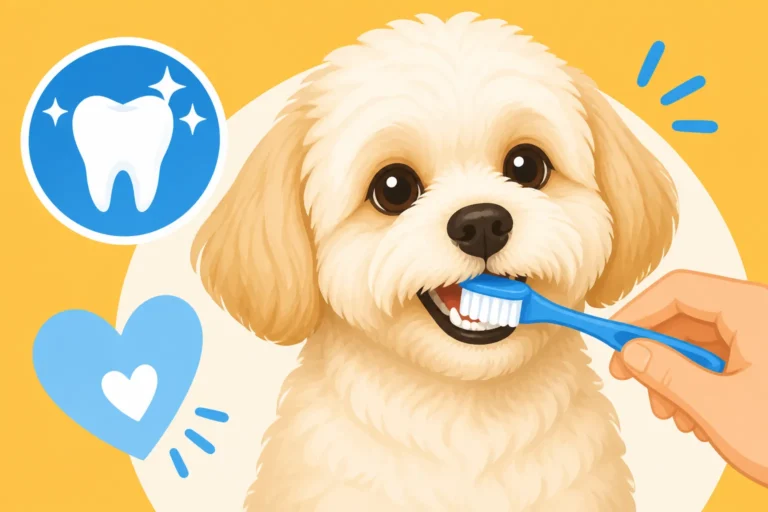
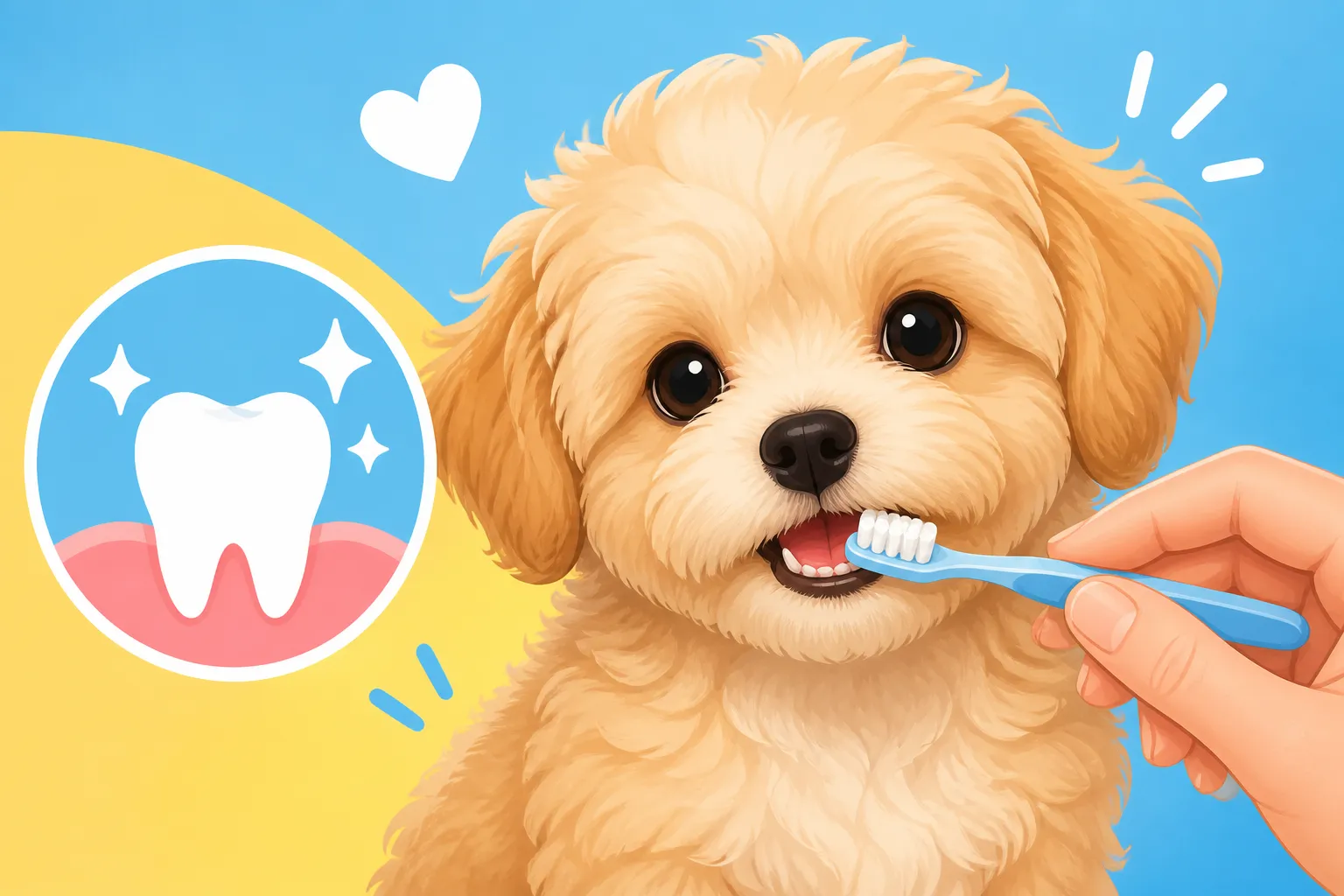
- Introduce the Brush: Once they're comfortable with your finger, put a small amount of toothpaste on the finger brush or tiny toothbrush. Let them lick the paste off the brush. Then, very gently, try to brush just one or two teeth for a second or two. Again, lavish praise and a treat immediately after.
Consistency with these gentle introductions over several days or even a week will make a huge difference. Don't push them if they're resistant; end the session on a positive note and try again later.
Mastering the Technique: Focus on the Gum Line, Back Teeth
As your Maltipoo puppy becomes more accustomed to the brush, you can gradually increase the duration and reach of your brushing sessions.
- Target the Gum Line: The most important area to brush is where the tooth meets the gum. This is where plaque accumulates and causes periodontal disease. Use small, circular motions, gently angling the bristles towards the gum line.
- Address All Surfaces, Especially the Back: Start with the outside surfaces of the upper and lower teeth, as these are usually the easiest to access. Gradually work your way to the inside surfaces. Don't forget those back molars! They are often the most problematic and hardest to reach. You might need to gently hold your Maltipoo’s muzzle to lift their lips and expose the teeth.
- Keep it Brief and Positive: Aim for 30 seconds to a minute initially, gradually building up to two minutes for a thorough cleaning of all teeth. Always follow brushing with sincere praise, a small treat, or a quick play session. End on a high note, even if you only managed a few teeth. Remember, the goal is daily consistency. If you're wondering How Often a Maltipoo's Teeth Should Be Brushed, daily truly is the gold standard for preventing serious issues.
Consistency is Your Best Friend: Integrating it into a Daily Routine
The key to long-term success is making tooth brushing a non-negotiable part of your Maltipoo's daily routine. Just like feeding or walking, it needs to become an expected event.
Choose a time of day when both you and your puppy are relaxed. For many, this might be in the evening after their last meal, or first thing in the morning. Having a designated "brushing spot" can also help, whether it's on your lap, a specific cushion, or even a small grooming table. By making it predictable, your Maltipoo will be less surprised and more accepting.
If you miss a day, don't fret! Just pick it up again the next day. The important thing is to maintain the habit as regularly as possible. Think about other routine tasks, like grooming. Just like you need to be consistent with combing to prevent mats – you might want to read The Two Week Face Trim a Maltipoo Needs for other routine care tips – dental care needs that same dedication. The consistency prevents plaque from hardening into tartar, which is much harder to remove.
Common Roadblocks and How to Overcome Them
Even with the best intentions, you might hit a snag or two when trying to establish this new habit. Don't get discouraged! There are usually ways around these challenges.
My Maltipoo Hates It! Strategies for Reluctant Brushers
It's common for puppies to initially resist having something in their mouth. If your Maltipoo is really fighting you, take a step back.
- Re-evaluate the Paste: Perhaps they don't like the flavor of the toothpaste. Try a different one! As mentioned, Whether Toothpaste Flavor Matters to a Maltipoo is a big factor in their cooperation.
- Go Back to Basics: Revert to letting them just lick the toothpaste off your finger or the brush, without any brushing motion. Slowly reintroduce the finger massage, then one or two teeth, always ending before they get truly agitated.
- Increase the Reward: Is your treat good enough? Use something incredibly high-value that they only get after brushing. A tiny piece of cheese, cooked chicken, or a special dental treat can be a powerful motivator.
- Shorten Sessions Drastically: Even 5-10 seconds of accepted brushing is a victory. Build up from there. Multiple very short sessions throughout the day can sometimes be more effective than one long, stressful one.
- Distraction: Some Maltipoos do better if you give them something else to focus on. A lick mat with a smear of peanut butter (xylitol-free, of course) can sometimes keep them still long enough for you to brush.
Remember, patience is key. Forcing them will only create a negative association and make future attempts harder.
Dealing with Puppy Biting and Chewing
Puppies explore with their mouths, and those needle-sharp puppy teeth can be painful! If your Maltipoo puppy tries to bite or chew the brush, it's usually a sign they're overstimulated or confused.
- Redirection: If they try to chew the brush, gently remove it, give them a verbal "no" in a calm voice, and then immediately offer them a suitable chew toy. Once they're happily chewing the toy, try reintroducing the brush for a quick, gentle stroke on a tooth, followed by praise.
- Timing is Everything: Ensure your puppy isn't overly tired or overly energetic when you try to brush. A calm, slightly sleepy puppy is usually more cooperative than one ready for a wrestling match.
- Protect Your Fingers: If you're using a finger brush and they're nippy, ensure your finger is protected and keep sessions very brief. If biting persists, switch to a traditional small dog toothbrush so your fingers are out of reach.
Always prioritize safety for both you and your puppy. If the biting is aggressive rather than playful, consult with a professional dog trainer or your veterinarian.
When to Seek Professional Help
There are times when despite your best efforts, you might feel completely stuck.
- Persistent Resistance or Aggression: If your Maltipoo puppy continues to show extreme resistance, fear, or even aggression during brushing attempts, it’s time to seek professional guidance. A certified professional dog trainer or a veterinary behaviorist can help you understand the root cause of the behavior and provide tailored strategies.
- Underlying Oral Issues: Sometimes, a puppy might resist brushing because they are already experiencing pain or discomfort in their mouth. This could be due to retained puppy teeth, an injury, or even an emerging dental problem. If you suspect pain, or if you notice redness, swelling, or unusual odors, schedule a vet visit immediately. Your vet can perform a thorough oral examination and address any existing issues. Early detection of problems like Whether a Maltipoo's Jaw Is Too Small for Its Teeth can make a huge difference. You'll also want to make sure you know What Tartar Looks Like on a Maltipoo so you can spot any issues quickly.
Remember, your veterinarian is an invaluable resource. They can offer advice, demonstrate proper brushing techniques, and recommend specific products suited to your Maltipoo’s needs. Starting good dental habits now will save you a world of trouble (and expense!) as your beloved Maltipoo grows.
Disclaimer
This article is for general informational purposes only and does not constitute professional advice. Laws, prices and regulations vary by location and change over time. Consult a qualified professional for guidance on your specific situation.