Whether Untrimmed Hair Scars a Maltipoo’s Cornea
It's a common worry for Maltipoo owners: that beautiful, flowing facial hair, so endearing, but also seemingly always threatening to poke into those delicate eyes. You stare at your beloved companion, trying to trim around their tiny, squirming face, and the thought nags at you: could all this constant irritation actually lead to something serious, like scarring their cornea? It’s a very real concern, and it's something many of us grapple with daily. This guide is going to walk you through exactly why your Maltipoo's facial hair needs meticulous attention, the genuine risks it poses to their precious eyesight, and what proactive steps you can take to keep them healthy and happy.
The Delicate World of a Maltipoo's Eyes
When you look at a Maltipoo, two things often stand out: their expressive eyes and their fluffy, often curly or wavy coat. While that soft hair is part of their charm, it also presents a unique set of challenges, especially around the face. Unlike some breeds with short, stiff coats, a Maltipoo’s hair grows continuously and can easily become a constant irritant if not managed correctly.
The Maltipoo's Unique Facial Hair and Eye Structure
The Maltipoo inherits its glorious coat and often prominent eyes from its parent breeds, the Maltese and the Poodle. From the Maltese, they often get that long, silky, non-shedding hair that frames their face so beautifully. From the Poodle, they can inherit a tighter curl, which, while also non-shedding, can be springy and equally prone to growing into or around the eyes. This combination means your Maltipoo's facial hair is typically very fine, soft, and constantly growing, creating a perpetual curtain around their eyes if left untrimmed.
Their eyes themselves are often quite large and prominent relative to their small skull, making them more exposed to potential irritants. Think of it like a window: the bigger the window, the more surface area there is to potentially get hit by debris. The hair acts like tiny, persistent fibers, constantly brushing against the sensitive surface of the eye. This isn't just a cosmetic issue; it's a physical interaction that can have real consequences. It’s a frustration many owners know well – trying to keep their pup’s vision clear while maintaining that adorable fluffy look. It sometimes feels like you’re fighting a losing battle against nature.
Beyond Just Tear Stains: What the Hair Can Do
Most Maltipoo owners are well-acquainted with tear stains – those reddish-brown streaks under the eyes that can be so stubborn. We often focus on managing them for aesthetic reasons, and it's true that long facial hair can trap moisture and bacteria, exacerbating staining. However, the problem goes far deeper than just discolored fur. The hair itself can act as a direct irritant to the cornea, the clear outer layer of the eye.
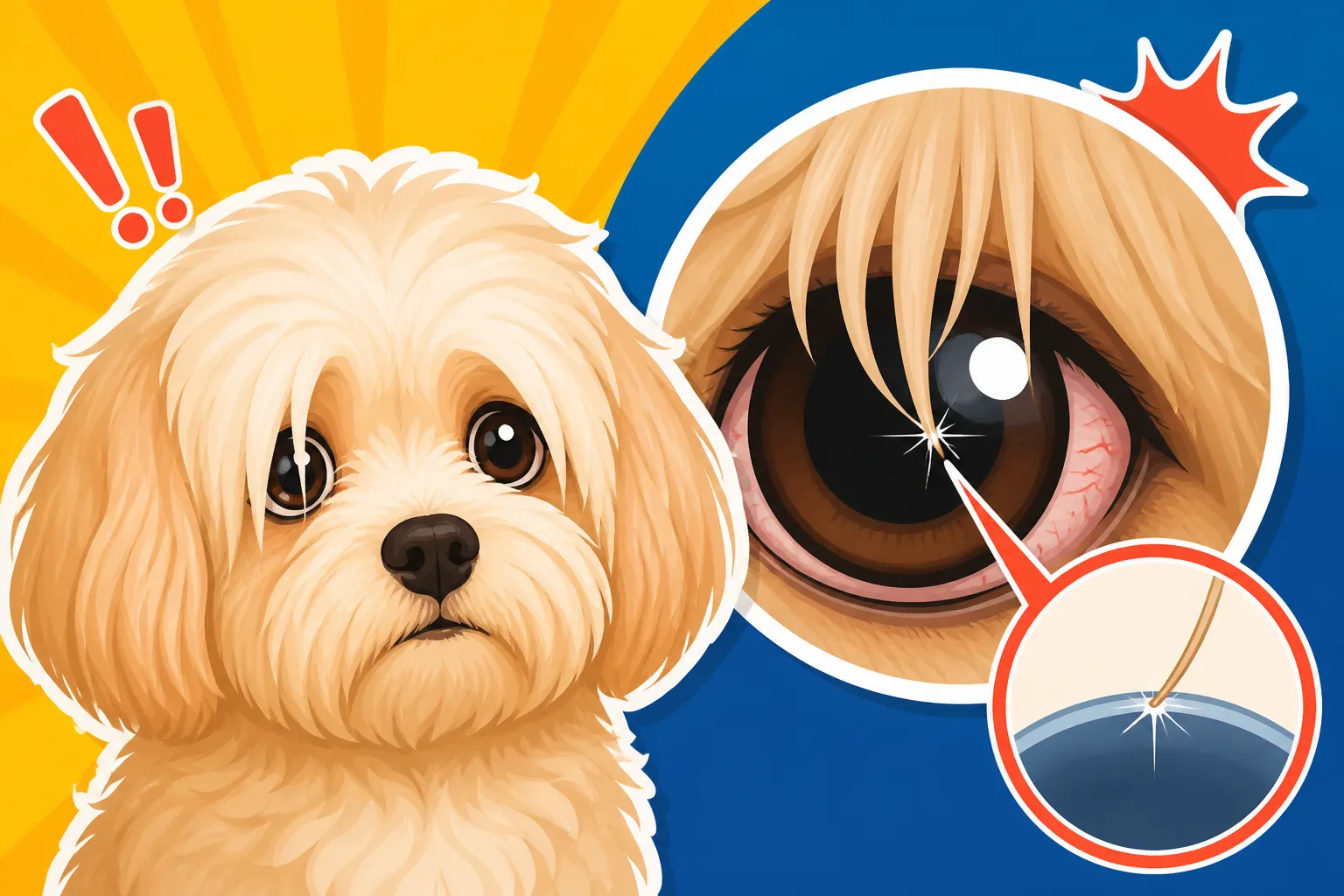
Imagine having a stray hair constantly poking your own eye, day in and day out. It would be incredibly uncomfortable, and eventually, that constant friction would cause damage. For your Maltipoo, that’s precisely what happens if the hair around their eyes is allowed to grow too long or becomes matted. Each blink, each movement, can push those soft, yet surprisingly abrasive, strands directly onto the delicate corneal surface. This isn't just a theory; it's a very real mechanism for injury. While tear stains are a visible symptom of moisture and potential irritation, the unseen irritation caused by the hair itself is what we need to prevent. You might even find yourself wondering if Tear Duct Problems in a Maltipoo could be contributing to the issue, but even with healthy tear ducts, untrimmed hair remains a risk.
Understanding Corneal Scars and Their Causes
The cornea is an incredibly important part of your dog's eye. It’s the transparent, dome-shaped surface that covers the front of the eye, playing a crucial role in focusing light and protecting the inner structures. When this delicate surface is repeatedly irritated or injured, it can lead to corneal ulcers, abrasions, and eventually, scarring. A corneal scar is essentially fibrous tissue that forms over an injured area of the cornea. Depending on its size and location, a scar can impair vision, making it appear cloudy or opaque.
How Hair Can Physically Irritate and Damage the Cornea
The primary way untrimmed facial hair damages a Maltipoo's cornea is through constant mechanical abrasion. Think of each strand of hair, especially if it's stiffened by dried tears or debris, as a tiny, persistent whip or broom. Every time your Maltipoo blinks, rubs their face, or even just moves their head, that hair can scrape across the corneal surface. These aren't necessarily deep, traumatic cuts, but rather micro-abrasions that accumulate over time.
Initially, this might just cause mild irritation, similar to having an eyelash in your own eye. Your dog might blink more, squint, or try to rub their face. But if the irritation persists, these minor scrapes can develop into more serious corneal abrasions or even ulcers. An ulcer is a deeper defect in the corneal tissue, and it's a much more significant problem that can be very painful and prone to infection. The cornea relies on a smooth, moist surface to function properly. Constant friction from hair disrupts this, leading to inflammation and cellular damage. It's a slow, insidious process that often goes unnoticed until the damage is significant, highlighting why prevention is so critical. Owners often express concern about their Maltipoo's general eye health, and it's good to know Whether a Maltipoo's Eyes Should Be Checked Yearly as part of a preventative routine.
Identifying the Signs of Corneal Irritation or Injury
As devoted Maltipoo parents, we're constantly on the lookout for anything amiss with our furry family members. When it comes to their eyes, early detection of irritation or injury is paramount. If your Maltipoo has corneal issues due to hair, you might notice a range of symptoms. One of the first and most obvious signs is increased tearing or watery eyes. This is the body's natural response to try and flush out an irritant. You might also observe excessive squinting, keeping one or both eyes partially or fully closed, which indicates pain or discomfort.
Another common sign is pawing at their face or rubbing their eyes on furniture or carpets. While this might seem like normal dog behavior, persistent rubbing, especially around the eyes, is a red flag. The white part of their eye might appear red or bloodshot, and you might even notice a cloudy or hazy appearance to the cornea itself. Sometimes, you’ll see discharge, which could be clear and watery, or thicker and yellowish if an infection has set in. Any of these signs warrant immediate attention, as what starts as minor irritation can quickly escalate into a serious condition that could impact their vision long-term.
Preventing Corneal Damage: Actionable Steps for Maltipoo Owners
The good news is that preventing corneal damage from untrimmed hair is entirely within your control. It requires diligence and a consistent grooming routine, but it's a small price to pay for your Maltipoo's comfort and vision. We all want our pups to be healthy, and these steps can make a huge difference.
The Essential Role of Regular Facial Trims
The single most effective way to prevent hair from irritating your Maltipoo's eyes is consistent, regular facial trimming. For many Maltipoos, this means a trim around the eyes every two weeks, or even weekly for fast-growing coats. Trying to maintain that perfectly fluffy "teddy bear" look without keeping the hair away from the eyes is often where problems begin. You don't need to be a professional groomer to do this at home, though many owners prefer to leave it to the experts.
If you decide to tackle it yourself, invest in good quality, blunt-nosed scissors designed for pet grooming. Always use sharp scissors to ensure a clean cut, minimizing tugging. Hold your Maltipoo securely, or have someone assist you. Gently comb the hair away from the eye, isolate the strands that are directly in the line of sight or touching the eyeball, and carefully snip them. Always point the scissors away from the eye, and only cut small amounts at a time. Some owners find small electric clippers, also with blunt edges, to be safer and less intimidating for both dog and owner. Remember, patience is key. Over time, your Maltipoo will become more accustomed to the routine. For more detailed guidance, you might find articles like The Two Week Face Trim a Maltipoo Needs or Keeping a Maltipoo's Face Trimmed and Clean incredibly helpful in establishing a routine.
Daily Eye Care and Protective Measures
Beyond regular trims, daily eye care is crucial. Even with trimmed hair, environmental dust, pollen, and simply natural eye secretions can accumulate. Gently wiping your Maltipoo's eyes each day with a soft, damp cloth or a veterinarian-approved eye wipe can help prevent buildup that might harden and become abrasive. Many specialty pet care brands offer gentle eye wipes; you can often find a good selection on platforms like Chewy or Amazon. Look for products specifically formulated to be safe for a dog's eyes.
For some Maltipoos, especially those with very long fringes, tying a small topknot can be an effective way to keep hair out of their eyes between trims. This isn't just for show; it's a functional solution. Just ensure the elastic band used is loose enough not to pull on their skin or hair too tightly, and check it regularly to prevent matting. Additionally, protecting your Maltipoo from dusty or windy environments can reduce the amount of foreign material that gets into their eyes. While we sometimes focus on Whether a Blocked Tear Duct Explains a Maltipoo's Stains, proper hair management around the eyes is often the first line of defense against irritation.
Here's a quick comparison of common eye irritants and their solutions:
| Irritant Type | Description | Potential Issues | Recommended Solution |
|---|---|---|---|
| Untrimmed Facial Hair | Fine, continuously growing hair around the eyes. | Constant abrasion, corneal scratches/ulcers, infection. | Regular trims (bi-weekly), topknots, professional grooming. |
| Dust/Debris | Environmental particles (dust, dirt, sand, pollen) entering the eye. | Minor irritation, foreign body sensation, conjunctivitis. | Daily gentle wiping, avoid dusty areas, protective eyewear (rarely). |
| Dried Tear Stains | Accumulation of dried tears, leading to crusting and potential bacterial growth. | Skin irritation, matting, can stiffen hair making it abrasive. | Daily cleaning with approved wipes, consistent trimming, address underlying causes of excessive tearing. |
| Allergens | Pollen, dander, certain foods causing allergic reactions. | Itchy, watery eyes, redness, pawing at face. | Consult vet for allergy management, antihistamines, environmental control. |
When to Seek Veterinary Attention
While preventive measures are powerful, sometimes issues still arise, or you might suspect damage has already occurred. Knowing when to escalate from home care to professional veterinary attention is critical for your Maltipoo's eye health. Don’t ever hesitate when it comes to their eyes; they are simply too precious.
Don't Delay: Recognizing When It's a Vet Emergency
It can be hard to tell if your Maltipoo's eye issue is just a minor irritation or something more serious. However, there are definite red flags that mean you need to get to the vet immediately. If you notice any sudden, severe squinting or pain, where your Maltipoo can barely open their eye, that’s an emergency. Similarly, a sudden cloudiness in the eye, a visible injury, or a dramatic change in the eye's appearance (like swelling or an unusual bulge) needs immediate veterinary assessment.
Thick, discolored discharge (yellow or green) often indicates a bacterial infection, which can worsen rapidly and lead to significant damage if not treated promptly. If your Maltipoo is persistently pawing at their eye to the point of causing self-trauma, or if the eye simply looks "off" and you can't pinpoint why, it's always best to err on the side of caution. Untreated corneal damage, whether from hair or another cause, can lead to chronic pain, permanent vision impairment, or in the worst cases, even loss of the eye. Your gut feeling is usually right when it comes to your pet's health.
What a Vet Visit Entails for Eye Issues
When you bring your Maltipoo to the vet for an eye concern, they will perform a thorough ophthalmic examination. This typically starts with a visual inspection, looking for redness, swelling, discharge, or any obvious abnormalities. A crucial step is often the fluorescein stain test. This involves applying a harmless orange dye to the eye. If there's an abrasion or ulcer on the cornea, the dye will stick to the damaged area and glow under a special blue light, making even tiny scratches visible. This is how vets confirm corneal injuries.
They may also use an ophthalmoscope to look at the inner structures of the eye, check tear production, and measure intraocular pressure to rule out conditions like glaucoma. Based on their findings, treatment can vary. For minor abrasions, they might prescribe antibiotic eye drops or ointment to prevent infection, and possibly pain medication. For ulcers, treatment might involve more intensive antibiotic therapy, serum drops made from your dog’s own blood, or even surgical intervention for very deep or non-healing ulcers. The vet will likely emphasize the importance of consistent grooming to prevent recurrence. While we can't discuss specific costs, understand that specialized eye care can be an investment, which is why preventive measures are so valuable. Preparing for potential costs, and knowing What an Eye Exam Costs on a Maltipoo, can help you make informed decisions about their care.
Keeping your Maltipoo's eyes healthy and free from irritation caused by their own beautiful hair is a commitment. But with regular grooming, daily checks, and prompt veterinary care when needed, you can ensure their world remains bright and clear.
Disclaimer
This article is for general informational purposes only and does not constitute professional advice. Laws, prices and regulations vary by location and change over time. Consult a qualified professional for guidance on your specific situation.