Whether a Maltipoo’s Nose Stays Black
One of the most charming features of a Maltipoo is often that perfectly shiny, jet-black nose, a little button that just completes their adorable face. So, it's completely understandable to feel a pang of worry, or even a bit of disappointment, if you notice that once deep black pigment starting to lighten, fade, or even turn a patchy pink. You might wonder if it’s a sign of a health issue, or if you’ve somehow done something wrong. Rest assured, while sometimes a fading nose can indicate an underlying problem, often it's a completely normal, natural occurrence, and this guide will walk you through what causes these changes, what’s normal, and when you should really pay attention.
The Allure of the Perfectly Pigmented Maltipoo Nose
There's something incredibly appealing about a Maltipoo with a strong, deep black nose. It contrasts beautifully with their often light-colored, fluffy coats, creating a striking focal point on their sweet faces. Many new Maltipoo owners have an expectation of this ideal, consistently black nose, and it's certainly what breeders often highlight in their adorable puppy pictures. It gives them that classic, polished look that we all love.
Why a Dark Nose is Often Desired
For many, a uniformly black nose is simply aesthetically pleasing. It’s seen as a sign of vitality and a reflection of the strong pigment genes inherited from their Poodle and Maltese parents. While a Maltese often has that rich black nose, the Poodle also contributes strong pigmentation, making it a common trait that people associate with a healthy, well-bred Maltipoo. When you envision your dream Maltipoo, that little black button nose is usually part of the picture, right? It just adds to their inherent cuteness and helps define their facial features.
The Genetic Blueprint for Pigmentation
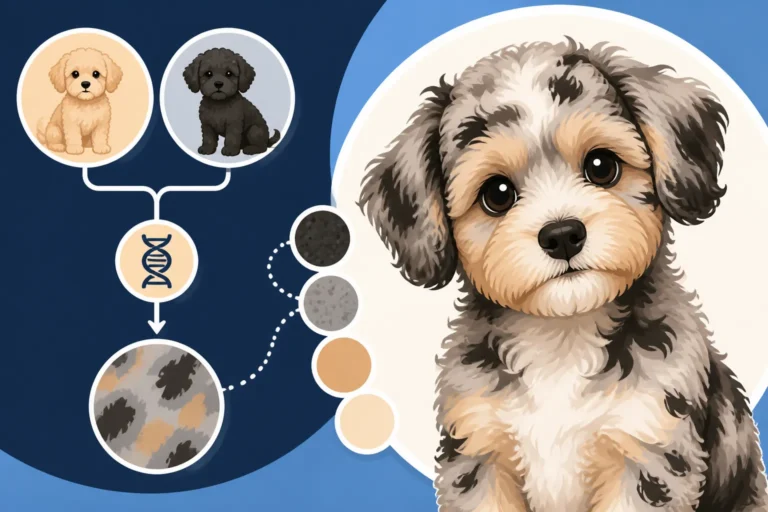
The color of your Maltipoo's nose, paw pads, and even the rims around their eyes is all dictated by genetics. Specifically, it's about the presence and distribution of melanin, the same pigment that determines their coat color. A truly black nose indicates a strong expression of eumelanin, which is responsible for black and brown pigments. Different genes control the intensity and distribution of this pigment. Sometimes, even puppies from the same litter can have varying degrees of pigment, with some having a darker nose from day one, while others might take a little longer to darken up fully. It's a complex interplay, and not always a straightforward prediction, even if both parents have perfectly black noses. This is part of the "coin flip" of genetics you get with a mixed breed like the Maltipoo.
Common Reasons a Maltipoo's Nose Might Fade
It's common for owners to notice their Maltipoo's nose changing color over time, and in many cases, it's nothing to worry about. Several factors, both environmental and physiological, can contribute to this fading. Understanding these can help you differentiate between a normal occurrence and something that might warrant a closer look.
The Phenomenon of "Snow Nose" or "Winter Nose"
This is perhaps the most common reason for a temporary lightening of a Maltipoo's nose pigment, and it often catches new owners by surprise. "Snow nose," also charmingly known as "winter nose," describes a condition where a dog's black nose turns pinkish or brownish, either partially or entirely, during the colder months. It’s thought to be due to an enzyme called tyrosinase, which is involved in melanin production, becoming less active in colder temperatures. Think of it like a human's skin getting paler in winter due to less sun exposure, but for a dog's nose!
What's fascinating about snow nose is that it almost always reverses itself. As the days grow longer and warmer in spring and summer, the nose pigment often returns to its original dark black. It’s a completely benign condition and has no health implications for your Maltipoo. So, if you notice your pup’s nose starting to look a little less charcoal and a bit more rose in January, don't panic! It’s likely just enjoying the seasonal shift. It's one of those little quirks that makes each Maltipoo unique, much like how A Maltipoo's Color Changes as It Grows for their coat.
Age-Related Pigment Loss
Just like humans develop gray hairs and wrinkles as they age, dogs can experience changes in their pigmentation over time. This is a natural part of the aging process and can certainly affect the nose. As a Maltipoo matures into their senior years, it's not uncommon for their once solid black nose to start looking a little mottled or lighter. The cells responsible for producing melanin can become less efficient, leading to a gradual loss of pigment.
This age-related fading is typically slow and progressive. You might notice it first as a faint lightening, which then becomes more noticeable over months or even years. It usually affects the entire nose rather than just specific spots, though some areas might lighten faster than others. This is a natural, physiological change, and while it might alter their appearance, it doesn't usually indicate any health problems. It's just another sign that your beloved companion is getting on in years, just like Caring for a Maltipoo Past Ten often involves noticing other subtle shifts.
Trauma and Irritation
Sometimes, a temporary lightening of the nose can be due to physical trauma or irritation. Imagine your playful Maltipoo constantly nosing around in rough terrain, or perhaps rubbing their face against abrasive surfaces. This kind of minor, superficial injury can cause a temporary loss of pigment in the affected area. It’s similar to how a cut on human skin might heal with a lighter scar initially before regaining its color.
Even something as simple as a minor scratch from playing or a slight irritation from rubbing against a food bowl could cause a temporary patch of lighter pigment. Once the irritation subsides and the tissue heals, the pigment usually returns. This is why it’s always a good idea to observe your Maltipoo for any other signs of discomfort or injury if you notice a sudden change in nose color. If your Maltipoo is prone to allergies, chronic scratching or rubbing could also be a culprit, which you might notice if you also see Allergies Behind a Maltipoo's Itching.
Exposure to Sunlight
While dogs generally love basking in the sun, excessive exposure to UV rays can sometimes affect nose pigment, particularly in dogs with already lighter-colored noses or those prone to fading. Just as prolonged sun exposure can lighten human hair, it can also have a subtle bleaching effect on your Maltipoo's nose. While a truly black nose is less likely to be "bleached" to pink, it's a factor worth considering, especially if your Maltipoo spends a lot of time outdoors in direct sunlight without shade.
This isn't typically a major concern for most Maltipoos, as their coat often provides some natural shade, and they're usually indoor companions. However, if you live in a very sunny climate and your dog loves to sunbathe on the patio, it's something to keep in mind. Protecting their nose from excessive sun can be a good habit, much like ensuring they don't [Overheat in Summer].
When to Be Concerned About a Maltipoo's Nose Color
While many reasons for a fading nose are benign, there are specific instances where a change in nose color can signal an underlying health issue. It's important for Maltipoo owners to be aware of these so they know when to seek veterinary advice. A change that is sudden, accompanied by other symptoms, or doesn't resolve naturally should always be checked out.
Dudley Nose or Hypopigmentation
A "Dudley nose" refers to a nose that is pink or flesh-colored rather than black, often due to a genetic lack of pigment. This is distinct from a "snow nose" because it's usually present from birth or early puppyhood and is permanent, not seasonal. In some cases, a dog might have a partial Dudley nose, with patches of pink alongside black. While a Dudley nose isn't a health concern in itself—it's purely cosmetic—it's worth noting.
True hypopigmentation means the cells that produce pigment simply aren't doing their job effectively from the start. This is generally a genetic trait. If your Maltipoo puppy's nose never fully darkens or is noticeably pink from a young age, it's likely a Dudley nose. It won't hurt them, but it means they'll always have that distinctive pink hue. It's helpful to know if you purchased your puppy from a reputable breeder, as they should be able to tell you about the pigmentation history in their lines and whether this is a common occurrence.
Vitiligo and Autoimmune Conditions
Vitiligo is an autoimmune disorder that causes the body to attack and destroy pigment-producing cells (melanocytes). This results in patches of depigmentation on the skin and sometimes the hair, including the nose. Unlike snow nose, vitiligo causes permanent loss of pigment. It typically appears as distinct, well-defined white or pink patches on what was once black skin or fur.
If you observe your Maltipoo developing irregular, permanent white or pink patches on their nose, lips, or around their eyes, vitiligo could be a possibility. While it can be visually striking, vitiligo is generally not painful or harmful to the dog, though sun protection might be recommended for depigmented areas of skin. However, since it's an autoimmune condition, your vet might want to do a general check-up to ensure there are no other underlying issues. The Yearly Checks a Maltipoo Should Get can help catch such conditions early.
Underlying Health Issues and Medications
Sometimes, a change in nose color can be a symptom of a more serious health problem. Certain medical conditions, though rare, can affect pigmentation. For example, some immune-mediated diseases or chronic infections might lead to changes in nose color and texture. Additionally, some medications can cause temporary or permanent changes in pigmentation as a side effect.
If your Maltipoo's nose changes color suddenly, becomes crusty, develops sores, or is accompanied by other symptoms like lethargy, appetite loss, or changes in behavior, it’s definitely time to see your veterinarian. These could be signs of:
- Discoid Lupus Erythematosus (DLE): This is an autoimmune disease that primarily affects the skin, particularly the nose. It can cause depigmentation, crusting, sores, and loss of the cobblestone texture on the nose.
- Pemphigus: Another autoimmune skin disease that can cause blistering and crusting on the nose and other areas, leading to pigment loss.
- Zinc-Responsive Dermatosis: In rare cases, a zinc deficiency can manifest as crusting, scaling, and pigment loss on the nose and other pressure points. This is more commonly seen in specific breeds, but always worth ruling out if other symptoms are present.
- Fungal Infections: Some fungal infections can cause irritation and inflammation that might temporarily affect nose pigmentation.
Always keep an eye on the overall health of your Maltipoo. Any drastic or rapid change in physical appearance, particularly when coupled with other worrying signs, means a trip to the vet is in order.
Comparing Common Nose Color Changes
To help you distinguish between the various reasons a Maltipoo's nose might change color, here's a quick comparison:
| Condition | Cause | Appearance | Permanence | Action Needed |
|---|---|---|---|---|
| Snow Nose | Reduced enzyme activity in cold | Black nose turns pinkish/brownish, especially in winter | Temporary (seasonal) | None, natural phenomenon |
| Age-Related Fading | Decreased melanin production with age | Gradual lightening, often mottled | Permanent | None, natural aging process |
| Trauma/Irritation | Minor injury, rubbing | Temporary light patch at injury site | Temporary | Monitor for healing, protect from further irritation |
| Dudley Nose | Genetic lack of pigment | Pink or flesh-colored nose, often from puppyhood | Permanent | None, purely cosmetic |
| Vitiligo | Autoimmune attack on melanocytes | Irregular, distinct white/pink patches | Permanent | Vet consultation for diagnosis, general health check |
| Health Issues (DLE/Pemphigus) | Autoimmune disease, infection | Crusting, sores, depigmentation, loss of texture | Permanent (or chronic) | Immediate vet consultation for diagnosis and treatment plan |
What You Can Do (And Can't) About Nose Pigment
When it comes to your Maltipoo's nose color, there's a mix of things you can and cannot control. Understanding these limitations and possibilities will help you manage your expectations and ensure your furry friend stays healthy and happy.
Accepting Natural Pigment Variations
The most important thing to do when you notice your Maltipoo's nose isn't as uniformly black as you once expected is to remember that natural variation is normal. Just like every human is unique, every Maltipoo has their own genetic makeup, and this includes how their pigment expresses itself. If your Maltipoo has a "snow nose" that comes and goes with the seasons, or if their nose is lightening naturally with age, there's absolutely nothing to worry about. These are simply charming characteristics that make your dog who they are!
Trying to force a truly black nose on a dog predisposed to lighter pigment due to genetics or age is usually a futile and unnecessary endeavor. Embrace their unique features. Your Maltipoo's personality, health, and happiness are far more important than the exact shade of their nose. Sometimes, accepting these little quirks is part of the joy of owning a Maltipoo, just like accepting that Whether an F1 Maltipoo's Temperament Is Predictable can be a bit of a gamble.
Diet and Supplements: Fact vs. Fiction
You might hear anecdotal advice about certain foods or supplements helping to darken a dog's nose. While a balanced, high-quality diet is crucial for overall health, including skin and coat health, there's little scientific evidence to suggest specific foods will magically turn a pink nose black if it's not genetically programmed to be so. However, ensuring your Maltipoo receives all necessary vitamins and minerals certainly supports healthy cellular function, which indirectly aids in pigment production. Products available from reputable retailers like Chewy offer a wide range of balanced kibble and fresh food options.
Some owners try supplements like kelp or spirulina, believed by some to support pigmentation. The theory is that the trace minerals in these sea vegetables might enhance pigment production. While these supplements are generally safe, always consult your veterinarian before adding anything new to your Maltipoo's diet. They can advise on appropriate dosages and whether such supplements are suitable for your individual dog, especially if your Maltipoo is on other medications or has specific health needs. For instance, sometimes Whether Supplements Do Anything for a Maltipoo's Knees is also a topic of discussion, with varying results.
Sun Protection for Sensitive Noses
If your Maltipoo has a very light nose, or if you suspect sun exposure is contributing to fading, you might consider some sun protection, especially during peak sun hours. Just like humans, dogs can get sunburned, and sensitive areas like the nose are particularly vulnerable, especially if there's less pigment there.
There are dog-safe sunscreens available that can be applied to their nose. Look for products specifically formulated for pets, as human sunscreens can contain ingredients that are toxic if ingested. Another simple solution is to ensure your Maltipoo has access to plenty of shade when outdoors. If they love to lounge in a sunny spot, consider moving their bed or providing an umbrella. This is especially true for any light-skinned areas. While many Maltipoos prefer indoors, if you have an outdoor adventurer, this is something to consider.
When to Consult Your Veterinarian
This is the most critical piece of advice: if you notice any changes in your Maltipoo's nose that concern you, especially if they are sudden, accompanied by other symptoms, or involve changes in texture (crusting, sores, bleeding, or losing the 'cobblestone' appearance), contact your veterinarian. It’s always better to be safe than sorry.
Your vet can perform a thorough examination to rule out any underlying health conditions, such as autoimmune diseases, infections, or nutritional deficiencies. They can also confirm if the change is simply a normal variation like snow nose or age-related fading, giving you peace of mind. Remember, your vet is your best resource for any health concerns, ensuring your Maltipoo lives a long, healthy, and happy life, full of all the quirky little features that make them uniquely yours. Keeping up with The Yearly Checks a Maltipoo Should Get ensures your vet is always aware of any minor changes that might become significant.
Disclaimer
This article is for general informational purposes only and does not constitute professional advice. Laws, prices and regulations vary by location and change over time. Consult a qualified professional for guidance on your specific situation.