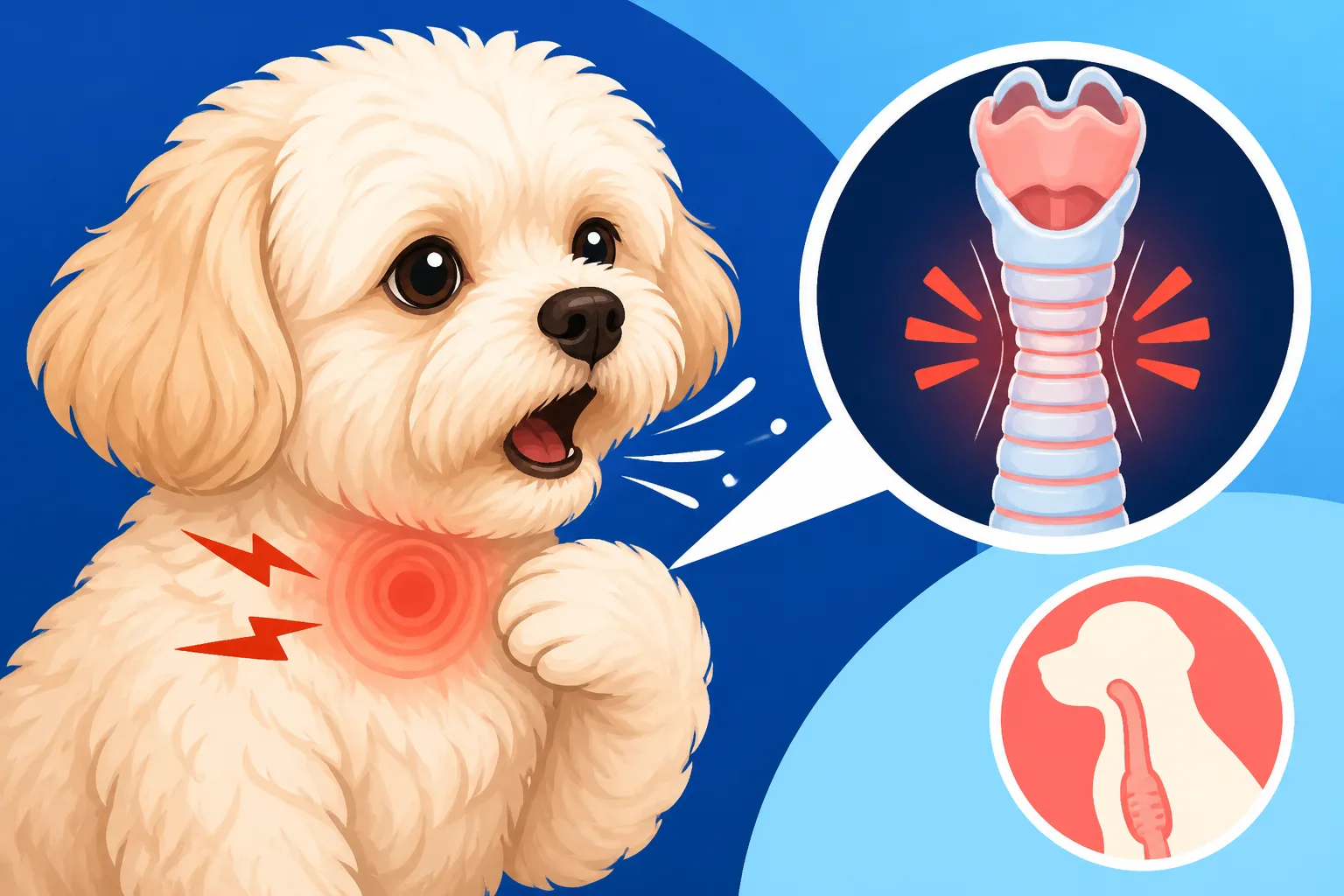
The Cough That Means a Maltipoo’s Trachea Is Collapsing
Few things are as alarming as hearing your beloved Maltipoo suddenly erupt into a violent, honking cough that sounds like they can barely breathe. It's a sound that can send shivers down any dog parent's spine, leaving you frantically wondering what's wrong and how to help. This particular cough is often the tell-tale sign of a collapsing trachea, a condition that, while common in small breeds like our Maltipoos, is understandably distressing for both dog and owner. This guide will walk you through understanding this condition, recognizing its unique cough, and exploring the paths to managing it effectively.
Understanding the Canine Trachea and Collapsing Trachea
When your Maltipoo struggles to breathe, it's natural to feel helpless and scared. Understanding the mechanics of what's happening inside their little bodies is the first step toward effective care and peace of mind. The trachea, often called the windpipe, is a vital part of their respiratory system, and when it starts to falter, it can cause significant distress.
What is the Trachea and How Does it Work?
Imagine a vacuum cleaner hose—flexible yet firm enough to stay open, allowing air to pass through easily. That's essentially what your Maltipoo's trachea is, but far more intricate. It's a tube made up of C-shaped rings of cartilage that run from the back of their throat down into their lungs. These rings are supposed to be rigid, providing a constant, open pathway for air to travel in and out. Think of them like tiny structural supports, ensuring the airway stays wide open whether your Maltipoo is sniffing around the garden or taking a deep, relaxed nap.
The open end of each C-shaped ring faces upwards, covered by a flexible membrane. This design allows the trachea to expand and contract ever so slightly during breathing, but crucially, the cartilage rings maintain its primary cylindrical shape. When your Maltipoo inhales, air rushes into the lungs, and when they exhale, air is pushed out. This entire process relies on the trachea maintaining its structural integrity. It's a delicate system, and for small breeds, certain vulnerabilities can lead to significant problems, impacting something as fundamental as the simple act of breathing.
How Collapsing Trachea Develops in Small Breeds
Unfortunately, for many small breeds, including our adorable Maltipoos, those vital cartilage rings can be weaker than they should be. This isn't usually due to injury; it's often a genetic predisposition. The cartilage simply isn't as strong or rigid, meaning it can lose its firm, C-shape over time. Instead of staying open like that sturdy vacuum hose, the rings begin to flatten, and the flexible membrane on top can start to sag into the airway.
When this happens, especially during inhalation, the pressure difference causes the weakened tracheal walls to narrow, much like a straw collapsing under suction. This narrowing obstructs airflow, making it difficult for your Maltipoo to get enough air. This condition is more prevalent in breeds like Maltipoos, Pomeranians, Yorkshire Terriers, and Chihuahuas, partly due to their genetic makeup and often exacerbated by factors like obesity, excitement, or even pressure on the neck from a collar. It's a progressive condition, meaning it can worsen over time. Understanding Whether a Maltipoo's Trachea Gets Worse With Age is crucial for managing expectations and preparing for long-term care.
Identifying the Characteristic Cough
The first, and often most frightening, symptom of a collapsing trachea is a distinct cough. It’s not your everyday clearing of the throat; it’s a sound that’s hard to ignore and even harder to forget once you’ve heard it. Recognizing this specific cough is paramount for early intervention and ensuring your Maltipoo gets the care they need.
The "Honking Goose" Cough: What it Sounds Like
When a Maltipoo is suffering from a collapsing trachea, the cough they produce is truly unique. It’s almost universally described as a dry, harsh, paroxysmal cough that sounds exactly like a "honking goose." It's not a wet, rattling cough you might hear with kennel cough, nor is it a soft hack. Instead, it's sharp, loud, and often comes in fits, almost as if your dog is trying desperately to clear something stuck in their throat, but nothing is there. The sound is caused by the air struggling to pass through the narrowed, flattened trachea, vibrating the collapsing walls as it tries to get through.
Imagine a small, distressed goose honking repeatedly, and you're pretty close to the sound. Your Maltipoo might stand with their neck extended, visibly straining, and their whole body might shake with the effort. These coughing fits can last for several seconds, sometimes even a minute or two, and can leave your little one looking quite exhausted and anxious afterward. It's a genuinely heartbreaking sound to witness, and it's a clear signal that something serious is happening with their airway.
When the Cough Appears: Triggers and Timing
The timing and triggers of this characteristic cough are also important clues. It's rarely a random, isolated event. Instead, you'll often notice the "honking goose" cough appearing or intensifying during specific situations that put extra strain on the trachea or increase airflow demands.
Common triggers include:
- Excitement: When your Maltipoo gets overly excited—perhaps greeting you after a long day, getting ready for a walk, or during playtime—their breathing rate increases, and they might start honking.
- Activity: Even moderate exercise, like a brisk walk or a short session of fetch, can bring on a coughing fit. The increased respiratory effort is often too much for the compromised trachea.
- Drinking or Eating: Sometimes, the act of swallowing or the mild irritation from food or water passing near the trachea can trigger a cough.
- Pulling on a Collar: This is a major one. Any pressure on the neck from a traditional collar can directly compress an already weakened trachea, leading to an immediate and severe coughing episode. This is precisely why it’s so important to understand Why a Maltipoo Should Never Wear a Collar and opt for a harness instead.
- Environmental Factors: High humidity, exposure to smoke (even secondhand), dust, or allergens can irritate the respiratory tract and worsen symptoms.
- Stress: Just like humans, stress can exacerbate physical conditions in dogs. A stressful situation can trigger or intensify coughing.
- Obesity: Carrying extra weight puts more strain on all bodily systems, including the respiratory system, potentially worsening tracheal collapse symptoms. This is why addressing Whether an Overweight Maltipoo Coughs More is a key part of managing the condition.
Keeping a log of when your Maltipoo coughs can be incredibly helpful for your vet in diagnosing and managing the condition.
Distinguishing from Other Coughs: Kennel Cough, Reverse Sneezing
It's easy to panic when your Maltipoo coughs, especially since other respiratory issues can present with similar symptoms. However, understanding the nuances can help you differentiate a collapsing trachea from other common ailments, though a vet diagnosis is always essential.
Let's look at some key differences:
| Symptom / Condition | Collapsing Trachea | Kennel Cough (Infectious Tracheobronchitis) | Reverse Sneezing (Pharyngeal Gag Reflex) |
|---|---|---|---|
| Sound | Dry, harsh, "honking goose" sound | Hacking, "seal-like" cough, often ends with gagging | Snorting, gasping inwards, sounds like choking |
| Onset | Often triggered by excitement, exercise, collar pressure, eating/drinking, stress | Sudden, often after exposure to other dogs | Sudden, often after excitement, eating, allergies |
| Associated Symptoms | Difficulty breathing, wheezing, lethargy, blue gums (severe) | Nasal discharge, lethargy, fever (sometimes) | None, dog usually recovers quickly and is normal afterward |
| Contagious? | No | Highly contagious | No |
| Duration | Chronic, progressive, recurring episodes | Self-limiting (1-2 weeks usually), but can lead to pneumonia | Brief, episodic, lasts seconds to a minute |
| Treatment Focus | Management of triggers, medications, possibly surgery | Rest, cough suppressants, antibiotics (secondary infection) | None usually needed, gentle massage of throat/nose |
- Kennel Cough: This is a highly contagious respiratory infection, often sounding like a hacking cough followed by a retch, as if your dog is trying to dislodge something. It's more of a "seal bark" and usually comes with other signs like nasal discharge and general malaise. Unlike a collapsing trachea, kennel cough typically resolves within a week or two, though it can sometimes lead to more serious conditions like pneumonia.
- Reverse Sneezing: This is another common sound that often gets mistaken for choking or a serious respiratory issue. The Snorting Fit a Maltipoo Owner Mistakes for Choking is usually characterized by a sudden, rapid, inward gasp or snort. It sounds like your Maltipoo is trying to suck something back up their nose. While alarming, it's generally harmless and caused by an irritation in the soft palate or pharynx. Your dog will typically stand still during an episode and then return to normal immediately after. It's distinct from the outward, forceful "honk" of a tracheal collapse cough.
If you're ever in doubt, recording your Maltipoo's cough on your phone can be immensely helpful for your veterinarian. A clear recording can give them crucial insights into the nature of the cough, even if your dog doesn't perform on cue during the clinic visit.
Other Signs and Symptoms Beyond the Cough
While the distinctive "honking goose" cough is often the most obvious indicator of a collapsing trachea, it’s not the only symptom you might notice. This condition affects your Maltipoo’s entire respiratory system and can manifest in other subtle or overt ways that point to their discomfort and difficulty breathing. Keeping an eye out for these additional signs can help you paint a clearer picture for your vet.
Changes in Breathing and Exercise Tolerance
Beyond the cough, you might start to observe more general changes in your Maltipoo’s breathing patterns and their ability to engage in activities they once enjoyed. These subtle shifts can indicate increased respiratory effort and reduced oxygen intake.
- Wheezing or Raspy Breathing: Listen closely, especially when your Maltipoo is resting or sleeping. You might hear a faint wheezing sound, a kind of high-pitched whistle, or a generally raspy quality to their breathing. This happens as air struggles to pass through the narrowed airway, much like air being forced through a constricted pipe.
- Increased Respiratory Rate: Your Maltipoo might be breathing faster than usual, even when calm. A normal resting respiratory rate for a small dog is generally between 15-30 breaths per minute. If you notice a sustained increase, it could be a sign their body is working harder to get enough oxygen.
- Open-Mouth Breathing: While dogs pant to cool down, consistent open-mouth breathing when not hot or exerting themselves can be a red flag. It means they're trying to take in as much air as possible to compensate for their compromised trachea.
- Lethargy and Reduced Stamina: Have you noticed your Maltipoo skipping playtime, becoming tired more quickly on walks, or generally showing less enthusiasm for activities they once loved? This reduced exercise tolerance is a common sign. They might be too breathless or simply too exhausted from the effort of breathing to engage in vigorous activity. What was once a joyful romp might now quickly devolve into panting and a need to rest.
- Reluctance to Walk: If your Maltipoo suddenly starts dragging their feet or refusing to go on walks, especially if they were previously enthusiastic, it could be due to discomfort or difficulty breathing. They might be trying to self-regulate their activity levels to avoid triggering a coughing fit.
These changes, especially when combined with the characteristic cough, strongly suggest an underlying respiratory issue like a collapsing trachea.
Behavioral Indicators of Discomfort
Dogs are masters at hiding pain and discomfort, but persistent breathing issues can lead to noticeable changes in their behavior and demeanor. Observing these subtle cues can give you insight into how much the condition is affecting their quality of life.
- Anxiety and Restlessness: A dog that can't breathe comfortably can become anxious and restless. They might pace, struggle to find a comfortable position, or seem generally agitated, particularly during a coughing fit or when their breathing is compromised. You might see them stretching their neck out to try and open their airway.
- Changes in Posture: Sometimes, dogs with respiratory distress will adopt specific postures to try and ease their breathing. This might include standing with their head and neck extended forward, or sitting in a "sphinx-like" position with their elbows splayed out to expand their chest cavity.
- Vocal Changes: While not always present, some Maltipoos might become quieter or, conversely, more vocal with whines or cries if they are in distress.
- Loss of Appetite: If breathing becomes too much of an effort, or if the coughing makes eating uncomfortable, your Maltipoo might show a reduced interest in food. It's harder to eat when you're struggling to breathe, and the act of swallowing can sometimes trigger coughing.
- Seeking Solitude: A dog in discomfort might withdraw and seek quiet, secluded spots away from the hustle and bustle of the household. This isn't always a sign of collapsing trachea specifically, but rather a general indicator of feeling unwell.
These behavioral changes are your Maltipoo’s way of communicating that they are not feeling well. They highlight the importance of paying attention to their overall well-being, not just their physical symptoms.
Severity Progression and Emergency Situations
Collapsing trachea is a progressive disease, meaning its severity can worsen over time. What starts as an occasional cough can escalate into more frequent, intense episodes, and in severe cases, it can lead to respiratory distress—a true emergency.
- Increased Frequency and Intensity of Coughing: Initially, your Maltipoo might only cough when extremely excited or when pressure is applied to their neck. Over time, these coughing fits might become more frequent, last longer, and be triggered by less strenuous activities.
- Cyanosis (Blue Gums): This is a critical sign of severe oxygen deprivation. If your Maltipoo's gums or tongue start to turn bluish or purplish, it means they are not getting enough oxygen into their bloodstream. This is a life-threatening emergency and requires immediate veterinary attention.
- Extreme Respiratory Distress: In a severe crisis, your Maltipoo might be gasping for air, panting rapidly and shallowly, and showing extreme effort with each breath. Their chest might heave visibly, and they might panic. Their tongue might be hanging out, and their eyes wide with fear.
- Loss of Consciousness: In the most dire situations, prolonged oxygen deprivation can lead to collapse or loss of consciousness.
If you observe any signs of severe respiratory distress or blue gums, do not delay. This is an immediate trip to the emergency vet. Keeping your Maltipoo calm, minimizing stress, and having emergency contact information readily available are crucial steps. Prompt veterinary intervention can be life-saving. Even with careful management and the support of pet insurance like Healthy Paws, understanding What an Emergency Sugar Crash Costs a Maltipoo Owner or other critical health events can help you be financially prepared for the unexpected.
Diagnosing Collapsing Trachea in Your Maltipoo
If you suspect your Maltipoo might have a collapsing trachea based on their cough and other symptoms, the next crucial step is a veterinary diagnosis. While your observations are incredibly valuable, confirming the condition and assessing its severity requires professional medical evaluation.
Initial Vet Visit and Physical Examination
Your journey to diagnosis begins with a thorough check-up at your veterinarian's office. This isn't just a quick peek; it's a comprehensive assessment of your Maltipoo's overall health and a targeted investigation into their respiratory system.
- Detailed History: Your vet will ask you a lot of questions. Be prepared to describe the cough in detail – its sound, when it started, how often it occurs, what seems to trigger it, and if you've noticed any other changes in your Maltipoo's behavior or activity levels. This is where your detailed observations (and perhaps that phone recording!) will be invaluable.
- Physical Examination: Your vet will perform a complete physical exam. They'll listen to your Maltipoo's heart and lungs using a stethoscope, checking for any murmurs or abnormal lung sounds that could indicate other underlying conditions. They’ll also carefully palpate (gently feel) your Maltipoo's trachea along the neck. Often, applying light pressure to the windpipe will elicit the characteristic honking cough, which can be a strong indicator of a collapsing trachea.
- General Health Check: Blood tests and urinalysis might be recommended to rule out other health issues, such as heart disease (which can cause a cough) or infections, and to assess your Maltipoo's overall health status before considering any treatments or further diagnostics. For instance, sometimes a cough can be attributed to conditions like heart murmurs, so ruling out other possibilities is key to an accurate diagnosis. Understanding Whether a Maltipoo Gets Heart Murmurs is part of this comprehensive approach.
This initial visit helps the vet gather crucial information and determine the best course for further diagnostic steps.
Diagnostic Imaging: X-rays, Fluoroscopy, and Endoscopy
While the physical exam can strongly suggest a collapsing trachea, definitive diagnosis and assessment of severity often require specialized imaging techniques. These methods allow your vet to visualize the trachea and observe its behavior during breathing.
- X-rays (Radiographs): Standard chest X-rays can sometimes reveal a narrowing of the trachea, particularly if the collapse is severe and affects the portion of the windpipe in the chest. However, a static X-ray only provides a snapshot in time. The trachea might collapse during one phase of breathing and appear normal during another, making X-rays less reliable for catching the collapse in action. They are, however, excellent for ruling out other respiratory or cardiac issues that could cause coughing.
- Fluoroscopy: This is often considered the gold standard for diagnosing collapsing trachea. Fluoroscopy is a real-time X-ray video that allows the vet to watch your Maltipoo's trachea as they breathe, bark, and cough. This dynamic view can clearly show the areas of the trachea that collapse during inhalation (cervical or neck portion) or exhalation (intrathoracic or chest portion). It provides an undeniable visual confirmation of the collapse and its extent.
- Endoscopy (Tracheobronchoscopy): For this procedure, a tiny camera on a flexible tube is inserted into your Maltipoo's trachea while they are under light anesthesia. This allows the vet to directly visualize the inside of the airway, assess the integrity of the cartilage rings, and identify the exact location and degree of collapse. Endoscopy also allows the vet to check for any inflammation, excess mucus, or other abnormalities in the lower airways. Due to the need for anesthesia, discussions around Whether a Maltipoo Under Four Pounds Survives Anesthesia are vital to ensure safety, particularly for smaller Maltipoos.
These imaging techniques provide the detailed information needed to confirm the diagnosis, localize the problem, and determine the grade of collapse, which is crucial for deciding on the most appropriate treatment plan.
Grading the Severity of Collapse
Once a collapsing trachea is diagnosed, veterinarians typically grade its severity. This grading system helps to standardize the diagnosis, guide treatment decisions, and give you a clearer understanding of your Maltipoo’s condition and prognosis. The grades are usually based on the degree of tracheal lumen (the open space inside the trachea) occlusion.
- Grade I (Mild Collapse): In this stage, the tracheal lumen is reduced by approximately 25%. Your Maltipoo might experience occasional coughing, often triggered by excitement or mild exertion. Symptoms might be subtle and easy to miss at first.
- Grade II (Moderate Collapse): Here, the lumen is reduced by about 50%. Coughing becomes more frequent and noticeable, and your Maltipoo might show some exercise intolerance or mild respiratory distress, especially during activity.
- Grade III (Moderate to Severe Collapse): The airway is narrowed by around 75%. At this stage, your Maltipoo will likely have chronic, persistent coughing, noticeable breathing difficulties, and may experience episodes of respiratory distress. Their quality of life will likely be significantly impacted.
- Grade IV (Severe Collapse): This is the most critical stage, with the tracheal lumen almost completely obliterated (90-100% collapse). Your Maltipoo will likely suffer from severe, persistent respiratory distress, potentially with cyanosis (blue gums), and will be at high risk of respiratory crisis.
The grade of collapse directly influences the treatment approach. Mild cases might be managed conservatively, while severe cases may warrant more aggressive interventions, including surgery. This detailed assessment ensures that the treatment plan is tailored to your Maltipoo’s specific needs and the exact nature of their condition.
Managing and Treating Collapsing Trachea
Receiving a diagnosis of collapsing trachea can be daunting, but the good news is that there are many ways to manage and treat the condition, aiming to improve your Maltipoo's quality of life and reduce their discomfort. The approach typically depends on the severity of the collapse and your Maltipoo's individual circumstances.
Conservative Management: Medications and Lifestyle Adjustments
For many Maltipoos, particularly those with mild to moderate collapsing trachea, a conservative approach focusing on medication and significant lifestyle changes can be very effective. The goal here isn't a cure, but rather to control symptoms, reduce inflammation, and prevent further progression.
- Cough Suppressants: Medications like hydrocodone, butorphanol, or dextromethorphan can help reduce the frequency and intensity of coughing fits, providing much-needed relief to your Maltipoo and allowing them to rest more comfortably. These are often prescribed to break the cycle of irritation and coughing.
- Anti-inflammatories: Steroids (like prednisone) can be used to reduce inflammation and swelling in the trachea, which further helps to open the airway. They are often prescribed for short periods during acute flare-ups or at low doses for longer-term management. Non-steroidal anti-inflammatory drugs (NSAIDs) might also be considered if inflammation is a key factor.
- Bronchodilators: These medications help to open up the smaller airways in the lungs, which can improve overall airflow and make breathing easier, especially if there's any secondary bronchial involvement.
- Antibiotics: If a secondary bacterial infection develops due to chronic inflammation or accumulated mucus, antibiotics will be prescribed to clear it up.
- Weight Management: This is incredibly important. If your Maltipoo is overweight, losing those extra pounds can significantly reduce the pressure on their respiratory system and alleviate symptoms. Even a slight reduction in weight can make a big difference in breathing ease. Work with your vet to create a safe and effective weight loss plan.
- Harness Use: This is a non-negotiable change. Abandoning neck collars in favor of a well-fitting harness is critical. A harness distributes pressure across the chest, completely removing any direct strain on the fragile trachea. This can dramatically reduce coughing episodes and prevent further tracheal damage. Understanding Whether a Harness Protects a Maltipoo's Windpipe is key to making this essential change.
- Exercise Modification: While exercise is important, strenuous activities that trigger coughing fits should be avoided. Opt for shorter, gentler walks, and avoid activities that lead to excessive panting or excitement. Knowing What Daily Cough Medication Costs a Maltipoo Owner can help you budget for ongoing medical needs, and pet insurance like Healthy Paws can be a lifesaver for these recurring expenses.
Conservative management requires consistency and close monitoring, but it can greatly improve your Maltipoo's comfort and quality of life.
Environmental Modifications to Ease Symptoms
Beyond medications and direct lifestyle changes, adjusting your Maltipoo's living environment can play a huge role in minimizing triggers and providing a more comfortable breathing space. These small changes can make a big impact on their daily well-being.
- Control Airborne Irritants:
- Smoke: Absolutely no smoking indoors, ever. Secondhand smoke is a severe irritant for dogs, especially those with respiratory issues.
- Air Fresheners/Candles: Avoid strong chemical scents from air fresheners, scented candles, or strong cleaning products, which can irritate sensitive airways.
- Dust/Allergens: Keep your home as dust-free as possible. Regular vacuuming (with a HEPA filter), cleaning, and air purifiers can help reduce airborne allergens and irritants.
- Humidity Control: In dry environments, a humidifier can add moisture to the air, which can soothe irritated airways and make breathing more comfortable. In contrast, very high humidity might feel oppressive to some dogs, so finding a comfortable balance is key.
- Temperature Regulation: Avoid extreme temperatures. Overheating can increase respiratory effort and lead to distress, so ensure your Maltipoo has access to cool, shady areas in summer. In colder weather, protect them from harsh, dry air that can irritate their trachea. A warm, calm indoor environment is ideal.
- Reduce Excitement: While we love our Maltipoos' zest for life, sudden bursts of excitement can trigger coughing fits. Try to manage situations that might lead to over-excitement, perhaps by using calm greetings or gentle redirection during playtime.
- Maintain a Calm Environment: A stress-free home contributes to overall well-being. Loud noises, sudden movements, or chaotic environments can cause anxiety, which in turn can exacerbate respiratory symptoms.
These environmental adjustments, combined with proper medical and lifestyle management, create a holistic approach to caring for a Maltipoo with collapsing trachea.
Surgical Interventions: Stents and Ring Placement
For Maltipoos with severe collapsing trachea (Grade III or IV) whose symptoms are not adequately controlled by conservative management, surgical intervention might be considered. This is a significant decision and is typically reserved for cases where the quality of life is severely compromised.
- Intraluminal Tracheal Stenting: This is a common surgical option. A veterinarian (usually a specialist) implants a self-expanding metal stent into the trachea. This mesh-like tube acts as an internal scaffold, holding the collapsed segments of the trachea open. The procedure is minimally invasive, usually performed under fluoroscopic guidance, and involves placing the stent via a catheter through the mouth.
- Pros: Can provide immediate and dramatic relief from symptoms, restoring a wide airway. Recovery is often relatively quick.
- Cons: Stents can fracture, migrate, or become covered in scar tissue over time, potentially requiring further intervention. There’s also a risk of chronic inflammation or infection around the stent. It’s a costly procedure, and understanding What Tracheal Stenting Costs on a Maltipoo is essential for owners.
- Extraluminal Ring Placement (Tracheal Plication): This surgery involves placing artificial rings (often made of polypropylene) around the outside of the collapsed portion of the trachea in the neck region. These rings provide external support to prevent the trachea from flattening. This is more invasive, requiring an incision in the neck.
- Pros: Provides permanent external support and avoids internal foreign body risks associated with stents.
- Cons: More invasive surgery, longer recovery time. It's generally only effective for collapse in the cervical (neck) portion of the trachea, not the intrathoracic (chest) portion. Risks include nerve damage, laryngeal paralysis, or complications with the surgical site.
When is surgery considered?
Surgery is usually recommended when conservative medical management has failed to control symptoms, the collapsing trachea significantly impairs the dog's breathing and quality of life, and the dog is a good anesthetic candidate. A thorough evaluation, including advanced imaging and consultation with a veterinary specialist, is crucial before making this decision. While pet insurance can help with unforeseen medical costs, Healthy Paws is a good example of a provider that can help offset the considerable expense of specialized treatments like these.
It's important to have realistic expectations. While surgery can significantly improve breathing and reduce coughing, it's not always a complete "cure," and some dogs may still require medication to manage residual symptoms or complications.
Living with a Maltipoo with Collapsing Trachea
A diagnosis of collapsing trachea doesn’t mean the end of a happy life for your Maltipoo, but it does mean a commitment to ongoing care and attention. With the right approach, many Maltipoos can live comfortable and fulfilling lives, enjoying their The Twelve to Fifteen Years a Maltipoo Lives to the fullest.
Long-Term Care and Monitoring
Managing collapsing trachea is a marathon, not a sprint. It requires continuous vigilance and a strong partnership with your veterinarian.
- Regular Veterinary Check-ups: Even if your Maltipoo is doing well, regular vet visits are crucial. Your vet will want to monitor their breathing, listen to their lungs, check their weight, and assess their overall condition. These appointments are also an opportunity to discuss any new symptoms or concerns you might have. The Yearly Checks a Maltipoo Should Get become even more critical with this condition.
- Medication Adjustments: The dosage and type of medication might need to be adjusted over time as the condition progresses or as your Maltipoo's needs change. It's a dynamic process, and your vet will work with you to find the most effective and safest regimen. Never adjust medication without consulting your vet.
- Monitor for Worsening Symptoms: Keep a close eye on your Maltipoo for any signs of worsening cough, increased breathing difficulty, lethargy, or changes in gum color. Early detection of a flare-up can allow for prompt intervention and prevent a crisis.
- Quality of Life Assessment: Regularly assess your Maltipoo's quality of life. Are they still enjoying their favorite activities (within limits)? Are they comfortable? Are they eating well? This holistic assessment helps ensure that the management plan is truly serving their best interests.
This ongoing commitment to care helps ensure your Maltipoo stays as comfortable and healthy as possible.
Preventative Measures and Risk Reduction
While some Maltipoos are predisposed to collapsing trachea due to genetics, there are definite steps you can take to prevent the condition from worsening or to reduce the likelihood of severe episodes.
- Harness Over Collar: This is the golden rule for any small dog, but especially crucial for Maltipoos. As discussed, pressure from a neck collar is a direct trigger for collapse and can cause further damage. A well-fitted harness like the Gooby Choke Free Harness or a Front-Clip Harness that distributes pressure across the chest and shoulders is a must. This simple change can make an enormous difference in protecting their delicate windpipe.
- Maintain a Healthy Weight: Obesity is a major risk factor and can significantly exacerbate symptoms of collapsing trachea. Excess fat around the neck and chest puts additional pressure on the airways, making breathing harder. Maintaining a lean body condition is one of the most impactful preventative measures you can take. Work with your vet to ensure your Maltipoo is at an ideal weight and understand how to feed them precisely.
- Avoid Environmental Irritants: Smoke, strong chemical fumes, excessive dust, and allergens can all irritate the respiratory tract and trigger coughing. Keep your home a clean, well-ventilated, and smoke-free environment. Using an air purifier can also be beneficial.
- Manage Excitement and Stress: While it's hard to completely eliminate excitement from a Maltipoo's life, learning to manage overly enthusiastic greetings or intense play can help. Teaching calm behaviors and using positive reinforcement can reduce triggers. For example, instead of rushing to greet them at the door, wait until they are calm before offering affection.
- Gentle Exercise: Focus on low-impact, consistent exercise rather than short bursts of intense activity. This keeps them fit without over-stressing their respiratory system.
By being proactive with these preventative measures, you can significantly reduce the impact of collapsing trachea on your Maltipoo's daily life.
Supporting Your Maltipoo's Quality of Life
Beyond medical and environmental management, simply being a supportive and understanding pet parent is vital for a Maltipoo living with a collapsing trachea. Their emotional well-being plays a huge role in their physical comfort.
- Provide a Low-Stress Environment: A calm and predictable home environment is beneficial. Minimizing loud noises, sudden changes, and chaotic situations can reduce anxiety, which in turn can lessen the frequency and severity of coughing episodes.
- Comfortable Resting Spots: Ensure your Maltipoo has soft, comfortable beds in various locations around the house. A donut-shaped bed or one with raised edges can sometimes help them position their neck in a way that feels more open. Elevated bowls can also make eating and drinking easier by allowing them to maintain a more natural neck posture.
- Gentle Grooming and Handling: Be extra gentle during grooming and handling, particularly around their neck. Avoid any sudden pulling or pressure on the throat area. Regular professional grooming, especially short haircuts (like a "puppy cut" or "teddy bear trim"), can help keep their coat tidy and reduce the need for extensive brushing at home, which can sometimes be stressful.
- Mental Enrichment: Even if physical exercise is limited, mental stimulation is still incredibly important. Puzzle toys, gentle training sessions, and interactive games can keep their minds sharp and engaged without taxing their respiratory system.
- Patience and Empathy: Living with a chronic condition can be frustrating for both you and your Maltipoo. There will be good days and bad days. Your patience, understanding, and unwavering love will be their greatest comfort and support. Celebrate the good days and be there for them through the difficult ones. Pet insurance, such as a policy from Healthy Paws, can provide significant peace of mind, allowing you to focus on your Maltipoo's care without constant worry about the financial burden of their chronic condition.
Disclaimer
This article is intended for informational purposes only and does not constitute veterinary advice. Always consult with a qualified veterinarian for any health concerns or before making any decisions about your pet's medical care.