Whether a Maltipoo Breaks Its Leg Easily
It’s a natural and absolutely valid concern that many Maltipoo owners grapple with: does their adorable, petite companion have bones so delicate they might break with a mere tumble? The truth is, while Maltipoos aren't as fragile as spun glass, their small stature does introduce specific risks. This guide will thoroughly explore the realities of Maltipoo bone health, common injury scenarios, and, most importantly, provide actionable steps to keep your furry friend safe and sound.
Understanding the Maltipoo's Bone Structure and Fracture Risk
When you hold a tiny Maltipoo, you can't help but feel a protective instinct kick in. Their small size makes them incredibly endearing, but it also means their skeletal structure requires a bit more understanding and care than that of a larger, more robust breed.
The Inherited Traits from Maltese and Poodle
The Maltipoo inherits its physical characteristics from both the Maltese and the Poodle, two breeds known for their elegant, yet often fine-boned, frames. Neither the Maltese nor the Toy/Miniature Poodle is considered a heavy-boned breed like a Bulldog or a Labrador. This lineage means that your Maltipoo's bones, while perfectly functional, are simply smaller and can be more susceptible to injury under certain circumstances. It's not necessarily that their bones are inherently weaker or Whether a Maltipoo's Bones Are Thinner Than Normal than those of a comparable-sized dog; rather, the consequences of a fall or impact can be more severe due to the sheer lack of mass and cushioning.
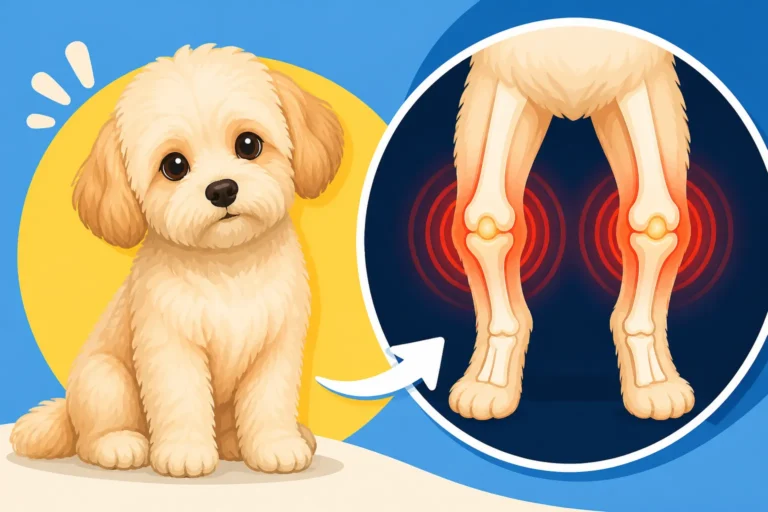
Consider the distal radius and ulna, the two long bones in your Maltipoo's forearm, just above the wrist. These are common sites for fractures in small breeds, often due to a fall or jump. Unlike larger dogs where a similar injury might just be a sprain, a tiny dog's bones can snap under less force. This isn't to say every jump off the sofa will result in a trip to the emergency vet, but it highlights the need for vigilance.
Factors That Increase Vulnerability to Fractures
Several elements can increase a Maltipoo's susceptibility to bone fractures:
- Age: Puppies, with their still-developing bones and boundless energy, are often at higher risk. Their growth plates are still open, making them vulnerable, and their coordination isn't always fully developed. Conversely, senior Maltipoos may also face increased risk due to age-related bone density loss or conditions like arthritis that affect balance and mobility.
- Size: A Maltipoo that falls into the "Teacup" category (often under 5 pounds) naturally has smaller, finer bones than a "Toy" or "Miniature" Maltipoo. The smaller the dog, the less mass there is to absorb impact, making them inherently more delicate. This is a crucial point, and it's why understanding What Breeding Smaller Costs a Maltipoo is so important.
- Nutrition: A diet lacking essential vitamins and minerals, particularly calcium and phosphorus in the correct balance, can compromise bone health. While rare with high-quality commercial dog foods, some owners inadvertently feed imbalanced homemade diets or excessive supplements, which can actually weaken bones rather than strengthen them.
- Pre-existing Conditions: Although less common, certain metabolic or genetic conditions can affect bone density and strength. Reputable breeders screen for many health issues, but it's always wise to discuss your Maltipoo's family history with your vet.
Common Types of Fractures in Small Dogs
While any bone can technically break, certain types of fractures are more frequently seen in Maltipoos and other small breeds. The aforementioned distal radius and ulna fractures are top contenders, often colloquially referred to as a "broken wrist." Other common sites include:
- Tibial and Fibular Fractures: Bones in the lower hind leg.
- Femoral Fractures: Fractures of the thigh bone, often more serious due to muscle attachments and the potential for internal damage.
- Pelvic Fractures: Less common from simple falls, but can occur from severe trauma.
Fractures can range from a hairline crack (greenstick fracture) to a complete break where the bone is displaced (compound fracture), or even a comminuted fracture where the bone shatters into multiple pieces. The type and severity dictate the treatment plan and recovery time.
Everyday Scenarios That Lead to Maltipoo Leg Injuries
Many Maltipoo leg injuries don't come from dramatic accidents, but rather from seemingly innocuous daily events that suddenly go wrong. It’s the kind of stuff that makes you replay the moment in slow motion, asking "How did that even happen?"
Falls from Furniture and Heights
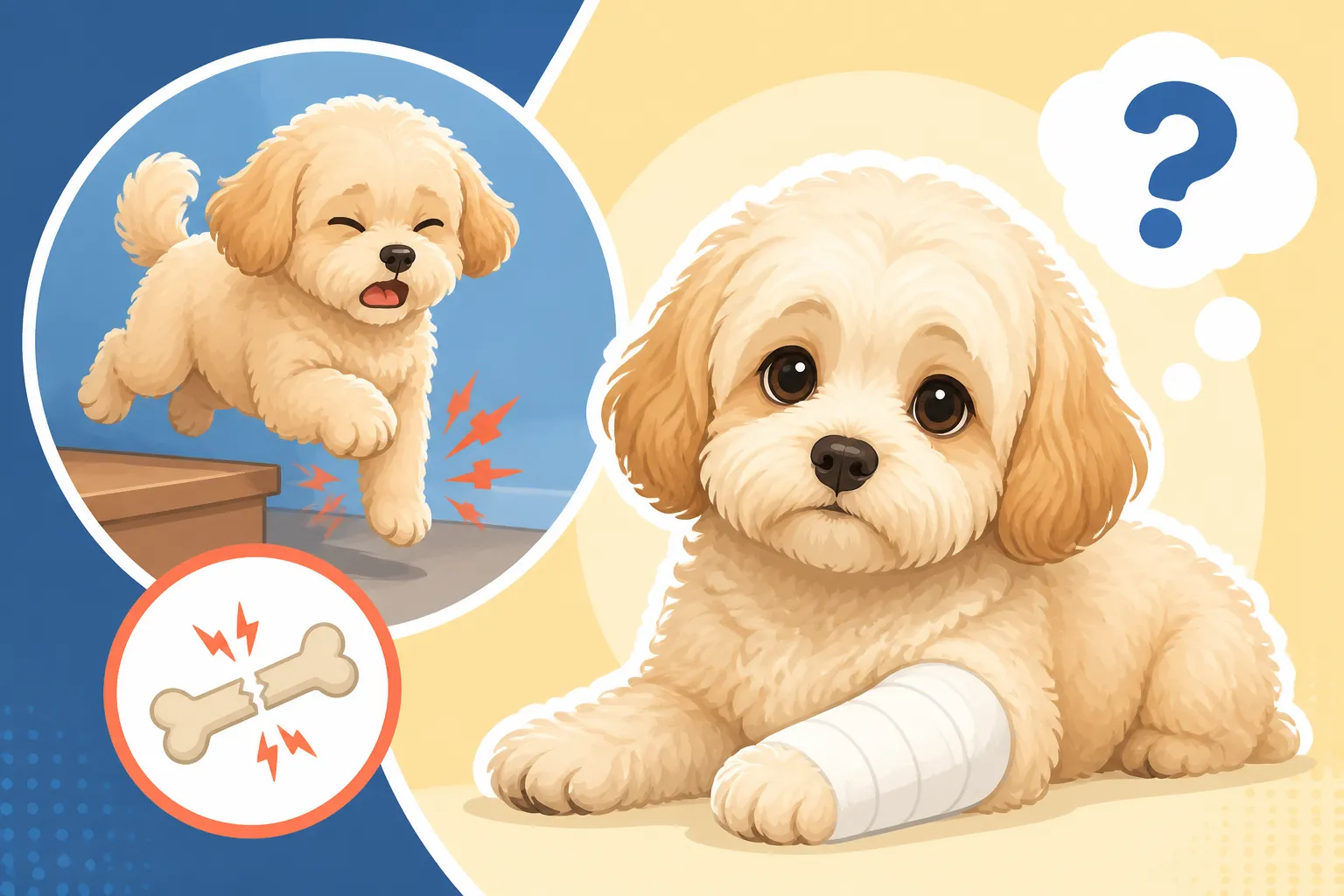
This is, hands down, one of the most common culprits. A Maltipoo, especially a spirited puppy or an excited adult, sees no danger in launching itself off a sofa, a bed, or even a chair. For a larger dog, this is a negligible impact. For a Maltipoo, the relative height can be like a human jumping from a second-story window.
Think about it:
- The Sofa Dive: Your Maltipoo is on the couch with you, hears a noise, and suddenly leaps off to investigate or greet someone at the door. The awkward landing, especially on a hard floor, can easily result in a fractured leg. This is a common situation where Whether a Maltipoo Can Be Injured by a Fall becomes a stark reality.
- Bedtime Bounces: Many Maltipoos love to sleep in bed with their owners. They might jump down in the middle of the night to use the potty or just change sleeping spots, misjudging the distance or landing badly in the dark. Whether Jumping Off a Bed Hurts a Maltipoo is a question that haunts many owners after such an incident.
- Staircase Shenanigans: While many Maltipoos can navigate stairs, a slip, a missed step, or being jostled can lead to a tumble down the entire flight. The cumulative impact is severe for their small bodies.
- Accidental Drops: Even careful owners can have a momentary lapse. A sudden doorbell, a startled jump, or just a simple misstep while carrying your Maltipoo can lead to them being accidentally dropped.
Accidents Involving People and Other Pets
These are often the most heartbreaking accidents because they involve loved ones, and no one means any harm.
- Accidental Stepping: Your Maltipoo is so small and moves so quickly, it’s all too easy for them to dart underfoot. A slight misstep from a human, particularly in a busy kitchen or hallway, can lead to a crushing injury. This isn’t a sign of neglect; it's a stark reality of having such a tiny companion.
- Children and Play: While Maltipoos can be wonderful family pets, the combination of a small, delicate dog and energetic, less-coordinated children can be risky. Children might hold them incorrectly, drop them, or engage in play that's too rough without realizing the potential for harm. Whether a Child Can Hurt a Maltipoo by Holding It is a concern every family with a Maltipoo and young kids needs to address seriously, emphasizing proper handling and supervision.
- Roughhousing with Larger Dogs: Even if your larger dog is gentle, a playful swipe of a paw, a body slam, or simply an accidental knock during zoomies can cause significant injury to a small Maltipoo. Many owners wonder Whether a Maltipoo Is Safe Around a Bigger Dog, and the answer is usually "with extreme caution and constant supervision." Even the most well-meaning big dog can unknowingly cause harm.
Sports and Play-Related Mishaps
Maltipoos, especially those with more Poodle traits, can be surprisingly athletic and enjoy a good game. However, even these activities carry risks.
- Jumping for Toys: Many Maltipoos love to leap for a thrown toy or a treat. Repeated jumping and landing, or an awkward twist in mid-air, can put undue stress on their joints and bones. Whether a Maltipoo Should Be Allowed to Jump for Toys is a common debate, but generally, it's best to keep toys low to the ground to minimize high jumps and hard landings.
- Sudden Stops and Twists: During an energetic run or a game of chase, a Maltipoo might suddenly stop, pivot, or change direction, leading to a twist or strain that could escalate to a fracture, especially if they land improperly.
- Playground Accidents: While specific dog playgrounds are designed for safety, general park environments can pose risks with uneven terrain, unexpected obstacles, or interactions with boisterous dogs.
Proactive Measures to Prevent Fractures and Ensure Safety
The good news is that with awareness and a few adjustments, you can significantly reduce the risk of your Maltipoo breaking a leg. Prevention is always better (and far less costly) than treatment!
Creating a Safe Home Environment
Your home is your Maltipoo's world, and making it safe is paramount.
- Ramps and Steps for Furniture: This is probably the single most impactful change you can make. Invest in pet-specific ramps or steps for your sofa and bed. These allow your Maltipoo to safely ascend and descend without putting stress on their joints or risking a fall. This directly addresses the dangers associated with their propensity to jump. For example, a good set of pet stairs can prevent a fall off the couch, which often sparks the question of Whether a Maltipoo Should Use Steps to the Sofa.
- Gates and Barriers: Use baby gates or pet gates to block off stairs or rooms where your Maltipoo might be unsupervised or encounter hazards. This is especially important for puppies learning coordination.
- Non-Slip Surfaces: If you have hardwood, tile, or laminate floors, consider placing rugs or runners in high-traffic areas. Slipping can lead to awkward falls and twists, increasing fracture risk. You can also use paw grips or dog socks, though some Maltipoos tolerate these better than others.
- Designated Safe Zones: When you can't actively supervise your Maltipoo, a playpen or a securely gated area with their bed, water, and toys provides a safe, contained space where they can't get into mischief or accidental falls.
- Secure Outdoor Areas: If your Maltipoo has yard access, ensure fences are secure and there are no hidden dangers like holes, steep drops, or unstable structures they could climb.
Proper Handling and Supervision
Human interaction is often a major source of accidental injury, so educating everyone in the household is key.
- Educating Children: Teach children, gently but firmly, how to properly pick up and hold a Maltipoo – supporting their chest and hindquarters with both hands. Emphasize that rough play, sudden movements, or dropping the dog are strictly off-limits. Never leave young children unsupervised with your Maltipoo.
- Conscious Carrying: When you carry your Maltipoo, always use two hands and hold them close to your body. Avoid carrying them while distracted or in crowded areas. Be mindful of sudden movements or frights that could cause them to squirm and potentially fall.
- Leash Safety: Always use a harness, not a collar, for walks. A sudden tug on a collar can injure their delicate neck and trachea. Why a Maltipoo Should Never Wear a Collar is a critical piece of advice for this breed. Keep them on a short leash in busy areas to prevent them from darting into harm's way.
- Supervised Play with Other Pets: If you have larger dogs, always supervise their interactions. Encourage calm, gentle play, and intervene if things get too boisterous. Provide separate playtimes or spaces if necessary.
Nutritional Support for Strong Bones
A healthy diet contributes significantly to overall bone strength.
- High-Quality Diet: Feed a premium small-breed specific dog food appropriate for your Maltipoo's life stage (puppy, adult, senior). These foods are formulated with the correct balance of nutrients for their specific needs. It's important to understand How Many Calories a Six Pound Maltipoo Needs to ensure they're getting proper nutrition without becoming overweight, which adds stress to their joints.
- Avoid Over-Supplementation: While a balanced diet is crucial, adding excessive calcium or other supplements without veterinary guidance can be detrimental, leading to skeletal imbalances rather than stronger bones. Always consult your vet before adding any supplements.
- Weight Management: Keep your Maltipoo at a healthy weight. Extra pounds put unnecessary stress on their joints and bones, making them more prone to injury. Regular exercise and carefully measured portions are essential for this.
Regular Vet Check-ups and Early Detection
Routine veterinary care is vital for maintaining overall health, including bone health.
- Annual Exams: The Yearly Checks a Maltipoo Should Get are not just about vaccinations. Your vet will perform a thorough physical examination, assessing your Maltipoo's gait, joints, and overall condition. They can spot early signs of issues that might predispose your dog to fractures.
- Addressing Joint Issues: Conditions like Slipping Kneecaps in a Maltipoo (patellar luxation) can indirectly increase fracture risk by affecting balance and mobility, leading to awkward falls. While not a fracture, it's a condition to be aware of. Similarly, Legg-Calve-Perthes disease, a condition affecting the hip joint, can also compromise hind leg strength and stability. Regular check-ups help identify such problems early.
Responding to a Suspected Leg Fracture in Your Maltipoo
Even with the best preventative measures, accidents can still happen. Knowing what to do in an emergency can make a significant difference in your Maltipoo's prognosis and recovery.
Recognizing the Signs of Injury
Your Maltipoo cannot tell you exactly what hurts, so you need to be attuned to their behavior. If you suspect a broken leg, look for these common signs:
- Limping or Non-Weight Bearing: This is often the most obvious sign. Your Maltipoo might hold up the injured leg, refuse to put any weight on it, or hobble noticeably.
- Pain and Vocalization: They might yelp, cry, whimper, or growl if the injured area is touched or moved.
- Swelling: The area around the break might be visibly swollen or bruised.
- Unnatural Angle or Deformity: In severe cases, the limb might appear twisted, bent at an odd angle, or otherwise deformed.
- Reluctance to Move: Your Maltipoo might become withdrawn, refuse to play, or resist being picked up.
- Licking or Chewing: They might constantly lick or chew at the injured limb.
If you observe any of these signs, it’s imperative to seek veterinary attention immediately. Do not delay, as prompt treatment improves outcomes. If you see your Maltipoo limping significantly, it's definitely time to consider Whether a Limping Maltipoo Needs X Rays.
Immediate First Aid and Transportation
Your primary goal is to keep your Maltipoo calm and prevent further injury during transport.
- Stay Calm: Panicking will only stress your dog further. Speak in a soothing voice.
- Minimize Movement: Restrict your Maltipoo's movement as much as possible. Gently place them in a small carrier or a sturdy box lined with soft blankets. If no carrier is available, carefully slide a rigid surface (like a cutting board or piece of cardboard) under their body to lift and support them, moving them as a single unit.
- Avoid Self-Splinting: Unless you are a trained veterinary professional, do not attempt to splint the leg yourself. You could cause more pain, further damage the bone, or injure nerves and blood vessels.
- Contact Your Vet: Call your regular veterinarian or the nearest emergency veterinary clinic immediately to let them know you’re on your way and describe the situation. This allows them to prepare for your arrival.
Veterinary Diagnosis and Treatment Options
Once at the vet, a clear diagnosis will be the first step.
- Diagnosis: The vet will perform a physical examination and take X-rays to confirm the fracture, determine its type, severity, and location. Sometimes, additional imaging like CT scans might be necessary for complex breaks.
- Treatment: Treatment options vary widely depending on the fracture.
- External Fixation: For simple breaks, a splint or cast might be sufficient to immobilize the limb and allow it to heal.
- Surgical Repair: For more complex, displaced, or unstable fractures, surgery is often required. This might involve using pins, plates, screws, or external fixators to stabilize the bone fragments. Procedures like What a Surgeon Does to a Maltipoo's Kneecap (though for a patellar issue) illustrate the kind of intricate surgical work small dogs often require.
- Pain Management: Your Maltipoo will be given pain medication to keep them comfortable throughout the healing process.
It’s crucial to be prepared for the financial aspect of fracture repair. Small dog fractures often require specialized veterinary care, and surgery can be quite expensive. Many owners wonder What Patella Surgery Runs on a Maltipoo, and fracture repair can be comparable or even higher. This is where pet insurance can truly be a lifesaver. Companies like Healthy Paws offer comprehensive coverage that can help mitigate the financial burden of unexpected accidents and illnesses. It's often recommended to consider Insuring a Maltipoo Before Its Knees Go or before any major health issues arise, as pre-existing conditions are typically not covered. Investing in pet insurance early can provide peace of mind should your active Maltipoo encounter an unforeseen injury.
The Road to Recovery
Healing from a fracture is a journey that requires patience and dedication.
- Post-Operative Care: If surgery was performed, strict post-operative care is essential. This includes keeping the incision clean and dry, administering all prescribed medications (antibiotics, pain relievers), and preventing your Maltipoo from licking or chewing at the wound or cast. An Elizabethan collar (cone) will likely be necessary.
- Activity Restriction: This is critical. Your Maltipoo will need strict crate rest or confinement to a small, safe area for several weeks, often months. No jumping, running, or strenuous activity is allowed to give the bone time to heal properly.
- Follow-Up Appointments: Regular vet visits and repeat X-rays will monitor the healing progress. The vet will determine when the cast or surgical implants can be removed.
- Physical Therapy: In some cases, once the bone has healed sufficiently, physical therapy or rehabilitation exercises might be recommended to help restore strength, range of motion, and muscle mass in the affected limb. This helps ensure a full and functional recovery.
Common Maltipoo Fracture Scenarios and Prevention Strategies
Here's a quick overview of typical fracture risks and what you can do about them:
| Activity/Scenario | Risk Level | Description | Prevention Strategies |
|---|---|---|---|
| Jumping off furniture | High | Common cause of distal radius/ulna fractures due to awkward landings on hard surfaces. | Provide pet ramps or steps for sofas and beds. Teach a "wait" command before jumping. Strictly supervise in rooms with high furniture. |
| Being dropped | High | Accidental drops by children or distracted adults can lead to severe impact injuries. | Educate all handlers on proper two-handed support. Never carry while distracted. Consider a sling or carrier for secure transport. Always supervise children with your Maltipoo. |
| Rough play with large dogs | High | Crushing injuries, falls, or awkward landings from impact with bigger dogs. | Supervised interactions only. Encourage calm play. Use separate play areas or times for dogs of significantly different sizes. Avoid dog parks where unknown dogs may be too boisterous. |
| Slipping on smooth floors | Medium | Twists, sprains, and sometimes fractures from loss of traction during movement. | Place rugs or runners on hardwood/tile floors in areas your Maltipoo frequents. Keep nails trimmed. Consider non-slip paw pads or booties. |
| Being stepped on | High | Unintentional but devastating crushing injuries from humans not seeing a tiny dog underfoot. | Keep your Maltipoo close and accounted for, especially in busy areas like kitchens. Consider a small bell on their collar so you hear them approaching. |
Disclaimer
This article is intended for informational purposes only and does not constitute veterinary advice. Always consult with a qualified veterinarian for any health concerns or before making any decisions about your Maltipoo's care.