Whether a Maltipoo Inherits the Maltese Shunt
It's a heartbreaking worry, isn't it? Bringing home a sweet, fluffy Maltipoo puppy, full of life and joy, only to have a nagging concern about potential health issues whispered in your ear – especially conditions like a liver shunt that are known to affect their Maltese heritage. You want to give your furry family member the best possible start, and understanding the risks, symptoms, and what to do if the unthinkable happens is a huge part of being a responsible owner. This guide is here to shed light on whether your beloved Maltipoo is truly at risk of inheriting a liver shunt, what signs to look for, and how modern veterinary medicine can help.
Unpacking the Liver Shunt Concern in Maltipoos
The liver is one of the most vital organs in any living creature, working tirelessly behind the scenes to keep the body healthy. When something goes wrong with its function, especially a congenital defect like a liver shunt, the impact can be severe and distressing for both the dog and their devoted family. For Maltipoo owners, this concern often arises due to the known predisposition in the Maltese breed, one half of their genetic makeup.
What Exactly is a Portosystemic Shunt?
To truly understand the worry, we need to grasp what a portosystemic shunt (PSS) actually is. Think of your Maltipoo's liver as the body's super-efficient filter and detox center. Every morsel of food they eat, once digested, sends nutrient-rich blood (and also toxins) from the intestines directly to the liver via a special blood vessel called the portal vein. The liver then processes these nutrients, removes harmful substances like ammonia, and sends purified blood back to the rest of the body. It’s an intricate system designed for optimal health.
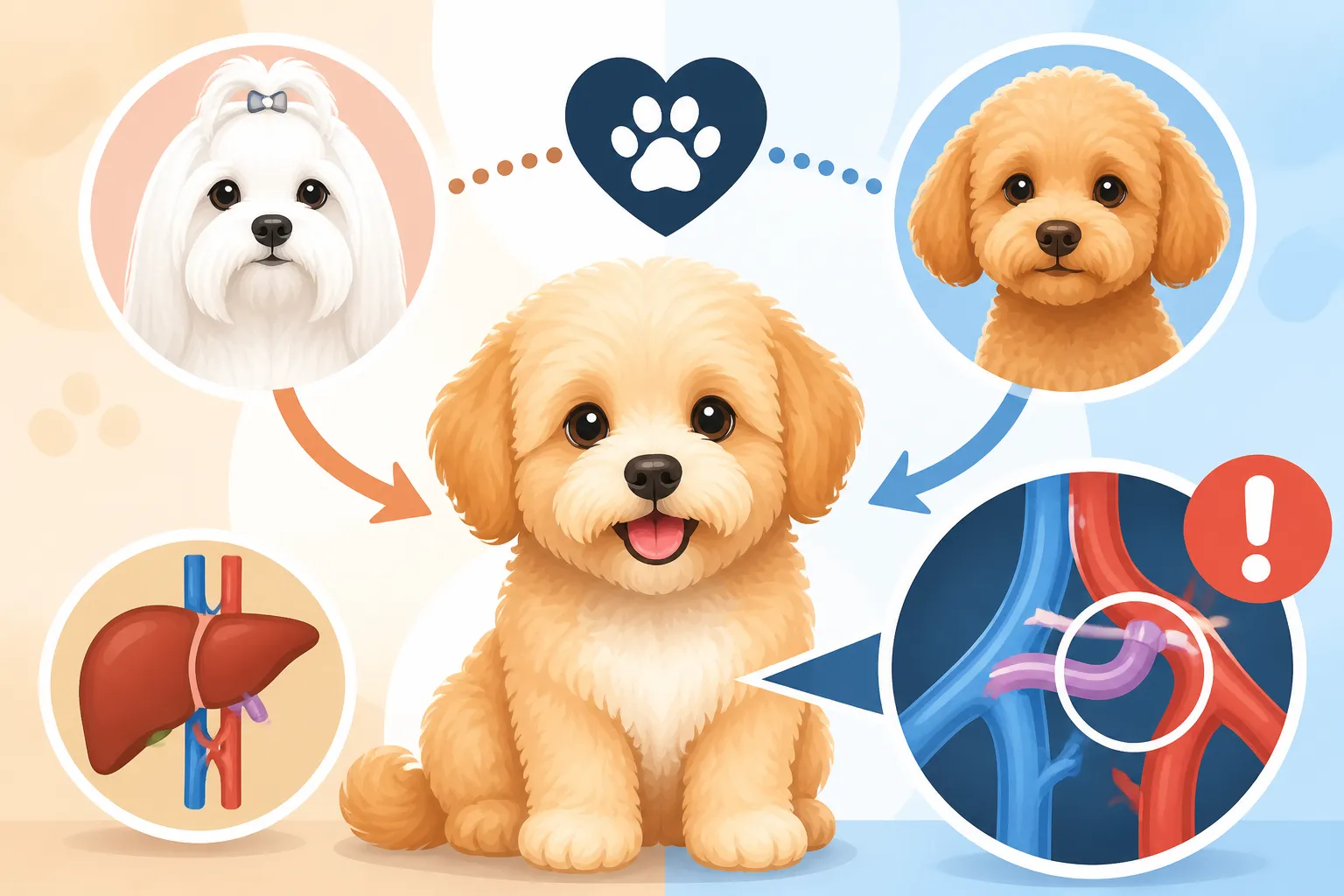
A portosystemic shunt, however, is essentially a shortcut. It's an abnormal blood vessel that bypasses the liver entirely. Instead of blood from the intestines flowing through the liver for detoxification, it goes around it, directly into the general circulation. This means that all those toxins, particularly ammonia (a byproduct of protein digestion), and other waste products that the liver is supposed to neutralize, end up circulating throughout your Maltipoo's body, affecting organs like the brain, kidneys, and gastrointestinal system. It’s like having a water filter on your tap, but a separate pipe sends dirty water straight to your drinking glass without ever touching the filter.
There are generally two types of shunts: intrahepatic and extrahepatic. Intrahepatic shunts are located inside the liver itself, meaning the abnormal vessel is contained within the liver tissue. These are more common in larger breeds and are often more challenging to treat surgically. Extrahepatic shunts, on the other hand, are located outside the liver, typically connecting the portal vein system to another vein that leads directly to the heart, bypassing the liver completely. These are far more common in smaller breeds, including the Maltese and Poodles, and therefore, potentially Maltipoos. The location and type of shunt significantly impact the complexity of diagnosis and the options available for treatment.
The Maltese Connection and Genetic Predisposition
Now, let's address the elephant in the room for many Maltipoo parents: the Maltese connection. It's no secret that purebred Maltese dogs have a higher genetic predisposition to portosystemic shunts compared to many other breeds. This isn't due to poor breeding in all cases, but rather a known inherited trait within the breed lines. For a long time, researchers have been studying the genetic markers associated with this condition in Maltese, hoping to develop more accurate screening tools.
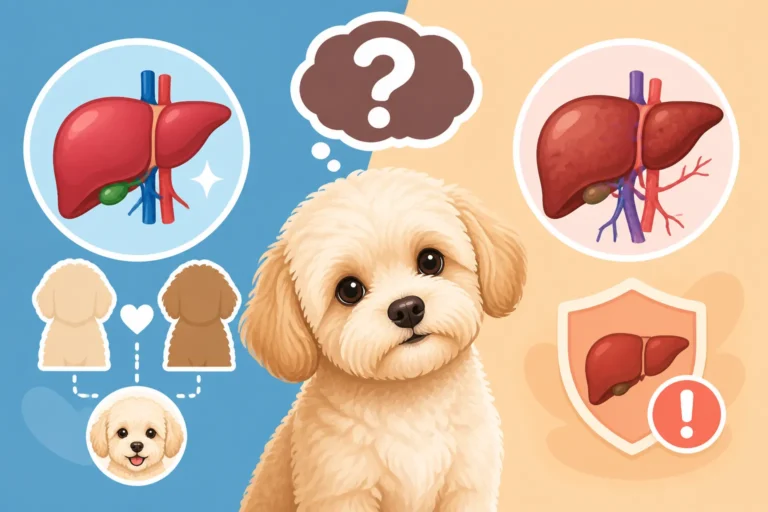
When you breed a Maltese with a Poodle to create a Maltipoo, that genetic risk from the Maltese side doesn't simply disappear. While the Poodle side might offer some dilution of certain genetic traits, it doesn't guarantee a complete shield from conditions the Maltese are prone to. Therefore, yes, a Maltipoo can inherit the predisposition for a liver shunt from its Maltese parent. It's not a certainty, but the risk is definitely there. This is why when considering a Maltipoo, understanding the health history of both parent breeds is absolutely paramount.
The term "designer dog" sometimes creates a misconception that these mixes are inherently healthier than purebreds. While hybrid vigor can indeed lead to increased robustness in some areas, it doesn't magically eliminate all inherited conditions from both parent breeds. Instead, a Maltipoo can potentially inherit health concerns from either the Maltese or the Poodle side. This is why reputable breeders for Maltipoos should be just as diligent, if not more so, in health screening their parent dogs as purebred breeders. Without proper screening, you're essentially playing a genetic lottery, and your sweet puppy could end up paying the price. For a deeper dive into the specific genetic link, you might want to read more about The Liver Shunt a Maltipoo Can Inherit From the Maltese.
Identifying the Signs and Symptoms of a Liver Shunt
Recognizing the signs of a liver shunt in your Maltipoo can be incredibly challenging because the symptoms are often vague, intermittent, and can mimic other common puppy ailments. This is especially true in the early stages, making early detection a race against time and a test of an owner's keen observation skills. Remember, your Maltipoo puppy cannot tell you what's wrong, so you need to be their advocate.
Early Warning Signs in Puppies
When you first bring home your tiny Maltipoo, you expect them to be a bundle of energy, growing quickly, and generally thriving. If you notice your puppy isn't quite hitting those milestones, it could be a subtle sign of trouble. Early warning signs of a liver shunt in puppies often revolve around their development and general well-being. They might be noticeably smaller than their littermates, sometimes described as a "runt," even if their parents are of similar sizes. This poor growth isn't just about weight; it can also affect their overall development, making them seem more fragile or less coordinated than expected.
Beyond size, you might observe a general lack of vigor. A puppy with a shunt might be more lethargic than a typical boisterous Maltipoo. They might sleep more, play less, and tire quickly during even short bursts of activity. This isn't just "being calm"; it's an underlying fatigue caused by toxins building up in their system. Gastrointestinal upset is also a common early indicator. This can manifest as intermittent vomiting, which might not be frequent enough to alarm you immediately, or episodes of diarrhea that seem to come and go. Their appetite might also be inconsistent; some puppies are quite picky eaters, while others might eat well but still fail to gain weight because their body isn't processing nutrients efficiently. Watching for these subtle clues is crucial, and it often leads concerned owners to ask, "What are The Signs a Maltipoo Puppy Has a Shunt?"
Behavioral and Neurological Manifestations
Perhaps the most alarming and distinct symptoms of a liver shunt are those affecting the brain, collectively known as hepatic encephalopathy. This occurs when the high levels of toxins, particularly ammonia, cross the blood-brain barrier and begin to affect normal brain function. For owners, these signs can be incredibly frightening to witness as your normally bright and alert Maltipoo starts behaving very strangely.
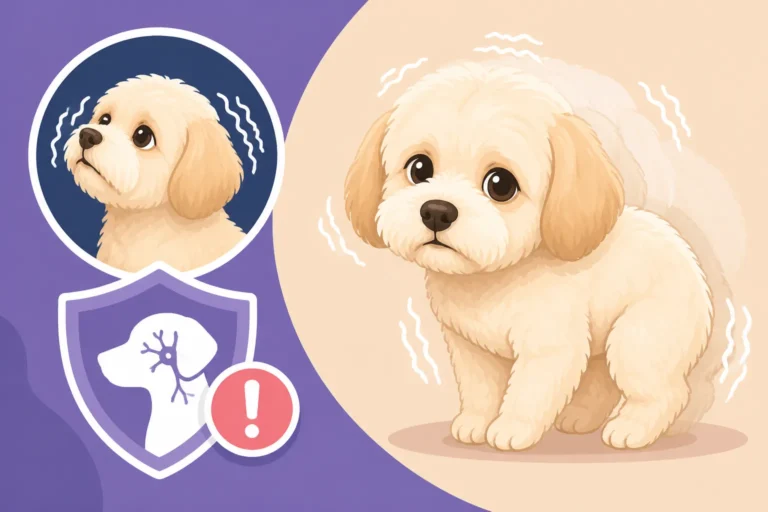
You might notice periods of confusion or disorientation. Your puppy might stare blankly, seem lost in familiar surroundings, or even walk into objects. They could begin circling aimlessly, often to one side, or press their head against a wall or furniture, a behavior known as "head-pressing." This isn't just a quirky habit; it's a desperate attempt to relieve internal pressure or discomfort. More severe neurological signs include ataxia (loss of coordination), leading to a wobbly gait or stumbling. In the most critical cases, seizures can occur. These can range from mild tremors and muscle twitching to full-blown grand mal seizures, which are terrifying for any pet owner to witness.
The tricky part is that these neurological symptoms are often intermittent. They tend to be worse after meals, especially those high in protein, because digestion produces more ammonia, which then circulates unprocessed to the brain. Your Maltipoo might appear perfectly normal for hours, then suddenly exhibit these bizarre behaviors after eating, only to return to "normal" as their body slowly manages to clear some of the toxins. This waxing and waning nature makes diagnosis difficult, as owners sometimes dismiss milder episodes or attribute them to other causes. It’s a classic example of how elusive some health issues can be in these tiny dogs.
Gastrointestinal and Urinary Clues
Beyond the visible neurological signs, a liver shunt can also manifest through more common, yet persistent, gastrointestinal and urinary issues. These symptoms are often the ones that initially prompt a vet visit, even if the underlying cause isn't immediately obvious.
One tell-tale sign is excessive thirst and urination, medically termed polydipsia and polyuria (PU/PD). Owners might notice their Maltipoo constantly emptying their water bowl and needing to go outside much more frequently, or having accidents indoors despite being house-trained. This happens because the kidneys are trying desperately to flush out the excess toxins that the liver isn't processing. Another related urinary clue is the presence of ammonium biurate crystals in the urine. These distinctive crystals form due to the metabolic imbalances caused by the shunt and can sometimes lead to bladder stones. Your vet might detect these during a routine urinalysis, which can be a key piece of the puzzle.
Digestive problems also persist. Many Maltipoos with shunts have a poor appetite or are incredibly picky eaters. They might turn their nose up at their kibble, only to nibble on a few specific treats. Even if they do eat, weight loss or an inability to gain weight is common, as their bodies struggle to absorb nutrients efficiently. Some puppies also exhibit a phenomenon called "pica," where they eat non-food items like dirt or feces, possibly due to nutritional deficiencies or a general feeling of malaise. While each of these symptoms alone could point to various minor issues, when seen together, especially with the neurological signs, they paint a strong picture of a potential liver shunt that requires immediate veterinary attention.
The Crucial Diagnostic Process for Liver Shunts
Once you've noticed concerning symptoms in your Maltipoo, the journey to a diagnosis can feel like a complex maze. Your veterinarian will play a critical role in piecing together the clues, performing various tests to pinpoint the exact issue. Early and accurate diagnosis is essential for effective treatment and better outcomes.
Initial Veterinary Examination and Bloodwork
Your diagnostic journey will typically begin with a thorough veterinary examination. Your vet will listen carefully to your observations about your Maltipoo's behavior, eating habits, growth, and any neurological episodes. During the physical exam, they'll check for any signs of poor body condition, abdominal tenderness, or other abnormalities. They might also palpate your puppy's abdomen, though shunts aren't usually detectable this way.
Following the physical, your vet will likely recommend a panel of routine blood tests. A complete blood count (CBC) can reveal anemia, which is sometimes seen with chronic illness. More importantly, a biochemistry panel will give insights into liver function and metabolic markers. With a liver shunt, several key values can be abnormal. You might see low blood urea nitrogen (BUN), which is a waste product the liver normally produces from ammonia. Low albumin levels (a protein made by the liver) and low blood glucose (sugar) are also common, as the liver struggles to perform its metabolic duties. These initial blood tests can provide strong indicators that a liver problem is at play, but they usually aren't definitive for a shunt.
To truly confirm the suspicion, your vet will likely recommend a specific test known as a bile acid test. This is considered the gold standard for screening for a liver shunt. It involves taking two blood samples: one after your Maltipoo has fasted for 12 hours (pre-prandial) and another two hours after they've eaten a small meal (post-prandial). The liver processes bile acids, and if a shunt is present, these levels will remain abnormally high in the blood because they aren't being properly absorbed and excreted by the liver. A positive bile acid test is a very strong indicator of a shunt, prompting further investigation. For a complete understanding of this crucial step, you should definitely read about The Bile Acid Test a Maltipoo Puppy Should Have.
Advanced Imaging Techniques
Once the initial bloodwork and bile acid test point strongly towards a liver shunt, the next step is to actually see the abnormal vessel and determine its exact location and configuration. This is where advanced imaging techniques come into play. These tests are vital not only for confirming the diagnosis but also for planning the most effective treatment, especially if surgery is considered.
The first advanced imaging technique often employed is an abdominal ultrasound. This non-invasive procedure uses sound waves to create images of your Maltipoo's internal organs. An experienced veterinary sonographer can often visualize the liver, the portal vein, and in many cases, the abnormal shunting vessel itself. Ultrasound can also help determine if the shunt is intrahepatic (inside the liver) or extrahepatic (outside the liver), which is critical information for surgical planning. It can also identify other related issues, such as small liver size, kidney problems, or bladder stones. While ultrasound is excellent for initial visualization, its accuracy can depend heavily on the skill of the operator and the cooperation of your tiny Maltipoo.
For the most precise and detailed mapping of a liver shunt, especially if surgery is contemplated, a CT (Computed Tomography) angiography is often recommended. This advanced imaging technique involves injecting a contrast dye into your Maltipoo's bloodstream while a CT scanner takes multiple cross-sectional X-ray images. These images are then compiled to create a highly detailed, three-dimensional view of the blood vessels, allowing the veterinary specialist to precisely identify the shunt, its exact pathway, and how it connects to other vessels. This level of detail is invaluable for a surgical team to understand the anatomy before they even begin the procedure. In some cases, other specialized tests like portography (an X-ray with contrast directly injected into the portal system) might be used, but CT angiography has largely become the preferred method for its comprehensive detail. These diagnostic steps, while sometimes costly, are absolutely essential for giving your Maltipoo the best chance at recovery.
Managing and Treating a Maltipoo with a Liver Shunt
Receiving a diagnosis of a liver shunt can be overwhelming, but it's important to remember that it's not an automatic death sentence. While serious, there are effective medical and surgical strategies available to manage and treat this condition, offering many Maltipoos a chance at a much-improved quality of life.
Medical Management: Diet and Medication
For some Maltipoos, particularly those with milder shunts or those who are not candidates for surgery (due to health status, age, or shunt complexity), medical management becomes the primary treatment approach. The goal of medical management is to reduce the production and absorption of toxins, especially ammonia, thereby alleviating the symptoms of hepatic encephalopathy. This is a lifelong commitment and requires diligent attention from the owner.
The cornerstone of medical management is a specialized low-protein diet. Protein, when digested, produces ammonia as a byproduct. By feeding a diet specifically formulated with reduced, but high-quality, protein, the amount of ammonia produced in the intestines is minimized. Your vet will recommend specific prescription diets designed for liver support, such as those from Royal Canin, Hill's Prescription Diet, or Purina Pro Plan Veterinary Diets, which are carefully balanced to provide essential nutrients without overwhelming the liver. It's crucial to stick to this diet strictly, avoiding any table scraps or treats that are not approved, as even small amounts of high-protein food can trigger a crisis.
Alongside diet, several medications are commonly used. Lactulose is a synthetic sugar that serves a dual purpose: it acts as a mild laxative to help toxins move through the digestive tract faster, and more importantly, it acidifies the colon contents, which traps ammonia ions and prevents their absorption into the bloodstream. This means more ammonia is excreted in the feces rather than circulating to the brain. Antibiotics, such as metronidazole or amoxicillin, are often prescribed to reduce the population of ammonia-producing bacteria in the gut. By targeting these bacteria, less ammonia is generated in the first place. Your vet might also prescribe anti-seizure medication if your Maltipoo experiences neurological episodes. This comprehensive medical approach, while not curative, can significantly improve the quality of life for dogs with liver shunts. It often raises questions like, "Can a Maltipoo with a shunt live a normal life with just medication?" This is a crucial discussion to have with your vet.
Surgical Intervention and Prognosis
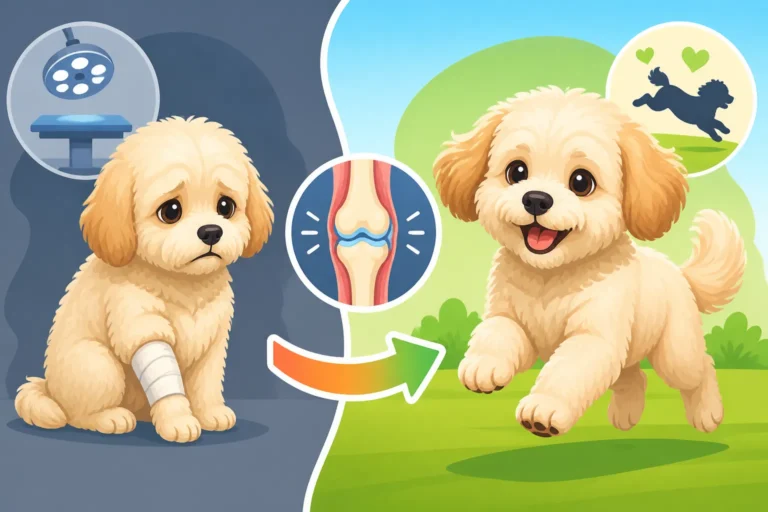
For many Maltipoos diagnosed with an extrahepatic liver shunt, surgical correction offers the best long-term prognosis and a chance for a truly normal life. The goal of surgery is to either completely close (ligate) or partially close (attenuate) the abnormal vessel, forcing blood to flow through the liver as it should.
The most common surgical approach for extrahepatic shunts is ligation or attenuation. Full ligation (completely tying off the shunt) is ideal, but it carries a risk of portal hypertension (excessively high blood pressure in the portal vein system) if the liver cannot immediately handle the sudden increase in blood flow. To mitigate this, veterinary surgeons often use an ameroid constrictor or cellophane banding. An ameroid constrictor is a metal ring with a casein protein insert that is placed around the shunt. Over several weeks, the protein slowly absorbs fluid and expands, gradually constricting the shunt until it closes completely. This slow closure allows the liver time to adapt. Cellophane banding works similarly, where a piece of cellophane wrapped around the shunt causes scar tissue to form and gradually close the vessel.
The complexities of shunt surgery, especially in tiny breeds like Maltipoos, cannot be overstated. It requires a highly skilled, board-certified veterinary surgeon and specialized equipment. Anesthesia for small dogs, particularly those under five pounds, carries its own unique risks, which is why owners often wonder Whether a Maltipoo Under Five Pounds Can Be Anesthetized. Post-operative care is also critical, involving pain management, close monitoring for complications, and a gradual transition back to a normal diet. The prognosis after successful surgery is generally excellent, with many dogs experiencing a complete resolution of symptoms and going on to live full, healthy lives. However, a small percentage of dogs may develop complications, or the liver may have sustained permanent damage. This is why following up with your vet and specialist is so important. If you're exploring this option, you'll certainly want to know Whether Shunt Surgery Works on a Maltipoo and what the long-term outlook is, including Whether a Maltipoo With a Shunt Lives Normally.
Prevention, Breeding, and Long-Term Outlook
Understanding the diagnosis and treatment options for a liver shunt is crucial, but equally important for the broader Maltipoo community is focusing on prevention through responsible breeding and preparing for the long-term commitment of care. This isn't just about one puppy; it's about the health of the breed-type as a whole.
Responsible Breeding Practices
The single most effective way to reduce the incidence of inherited conditions like portosystemic shunts in Maltipoos is through responsible breeding practices. This means that prospective Maltipoo parents should seek out breeders who are transparent, knowledgeable, and committed to the health of their breeding stock, not just the "cuteness" or "teacup" label.
A truly responsible Maltipoo breeder will not only health test their Poodle parents for common Poodle-related genetic conditions but will also rigorously screen their Maltese parent for liver shunts. This typically involves performing bile acid tests on all breeding adults, and sometimes even on litters before they go to their new homes. If a breeding dog tests positive for a shunt, or has produced puppies with shunts, they should be immediately removed from the breeding program to prevent passing on this genetic predisposition. It's not always a straightforward genetic link, but diligence is key.
Beyond health testing, responsible breeders also provide clear health guarantees and are upfront about the potential health challenges of the Maltipoo. They should be able to provide documentation, often referred to as "health certificates" or "clearances," for their breeding dogs. When you are looking for a Maltipoo, you should always ask about The Liver Shunt Test a Maltipoo Puppy Should Have and if the breeder can show you The Four Certificates a Maltipoo Breeder Should Show for both parent dogs. Avoiding breeders who rush their puppies home before eight weeks or who cannot provide extensive health documentation is crucial for minimizing the risk of inheriting serious conditions. The long-term health of your Maltipoo starts long before they ever come home with you.
Living with a Maltipoo with a Shunt
Living with a Maltipoo diagnosed with a liver shunt, whether managed medically or surgically, requires dedication, consistency, and a strong partnership with your veterinarian. Even after successful surgery, some dogs may require ongoing dietary management or medication, and regular follow-up appointments are essential to monitor their progress and overall liver health.
Regular veterinary check-ups, often including repeat bloodwork and bile acid tests, will be scheduled to ensure the shunt remains closed (post-surgery) or that medical management is effectively controlling symptoms. These The Yearly Checks a Maltipoo Should Get are critical for catching any potential recurrence or new complications early. You'll need to be vigilant about your Maltipoo's diet, ensuring they only eat approved foods and treats, and carefully administer any prescribed medications. This routine might sound demanding, but for most owners, seeing their beloved companion thrive makes every effort worthwhile.
Of course, the financial aspect of managing a liver shunt is also a significant consideration. Diagnosis, advanced imaging, potential surgery, and lifelong medication or prescription diets can quickly add up. Understanding What Liver Shunt Surgery Runs on a Maltipoo and What a Maltipoo's Yearly Vet Bill Comes To is a realistic but important part of preparing for ownership. This is precisely where pet insurance can be an absolute lifesaver. Companies like Healthy Paws offer comprehensive plans that can help alleviate the financial burden of unexpected illnesses and surgeries. Enrolling your Maltipoo in a pet insurance plan like Healthy Paws as early as possible, before any pre-existing conditions are diagnosed, can provide immense peace of mind. While Healthy Paws, like most providers, won't cover pre-existing conditions, being prepared for potential future health challenges, including those related to liver function or other genetic predispositions, is a smart move for any Maltipoo owner. It ensures you can always prioritize your dog's health without compromising your financial stability.
Summary of Liver Shunt Symptoms and Diagnostics
Understanding the key signs and the diagnostic journey for a liver shunt can empower you to act quickly if you ever suspect this condition in your Maltipoo. Here’s a quick overview:
| Category | Common Symptoms | Key Diagnostic Methods |
|---|---|---|
| Growth & General | Poor growth, smaller size than littermates, lethargy, reduced energy, failure to thrive. | Physical Examination, History Taking |
| Neurological | Confusion, disorientation, head-pressing, circling, ataxia (wobbly gait), staring blankly, seizures (often worse after meals). | Neurological Exam, Observation of behavior. |
| Gastrointestinal | Intermittent vomiting, diarrhea, poor appetite, picky eating, weight loss despite eating, pica (eating non-food items). | Fecal analysis (to rule out parasites), Blood Chemistry Panel (e.g., low BUN, albumin, glucose). |
| Urinary | Excessive thirst (polydipsia), excessive urination (polyuria), frequent accidents, presence of ammonium biurate crystals in urine, bladder stones. | Urinalysis (crystal detection), Abdominal X-rays (for stones). |
| Specific Liver | Directly points to liver dysfunction | Bile Acid Test (pre- and post-prandial): Gold standard for screening liver function. Abdominal Ultrasound: Visualizes the liver and often the shunt vessel itself. CT Angiography: Provides precise 3D mapping of the shunt for surgical planning. |
This table provides a snapshot, but always remember that each Maltipoo is an individual. If you have any concerns about your pet's health, consult with your veterinarian immediately.
Disclaimer
The information provided in this guide is intended for general informational and educational purposes only, and should not be considered as medical advice. Always consult with a qualified veterinarian or animal healthcare professional for any health concerns or before making any decisions related to your pet's health or treatment.