Whether Karo Syrup Saves a Maltipoo Puppy
There’s almost nothing more terrifying than seeing your precious Maltipoo puppy suddenly go limp, unresponsive, or start trembling uncontrollably. Many new Maltipoo owners, especially those with tiny "teacup" puppies, quickly learn about the very real and immediate danger of hypoglycemia, or low blood sugar. This guide is here to walk you through what to do in such a scary situation, focusing on how quick sugar fixes like Karo syrup can truly be a lifesaver, but also emphasizing that it's only the first step in a critical emergency.
Understanding Hypoglycemia in Maltipoo Puppies
Hypoglycemia isn't just a minor inconvenience; it's a serious medical emergency that can rapidly escalate, leading to seizures, coma, and even death if not addressed promptly. Maltipoo puppies, particularly those on the smaller side, are especially vulnerable to these sudden drops in blood sugar.
Why Small Breeds Are Prone to Sugar Crashes
It all comes down to their tiny bodies and bustling metabolisms. Small breed puppies, including Maltipoos, have less body fat and muscle mass to store glycogen, which is the body's reserve form of glucose (sugar). Their livers are also smaller and less developed, making them less efficient at producing and releasing glucose into the bloodstream as needed. Think of it like a small car with a tiny fuel tank but a powerful engine – it burns through fuel incredibly fast and needs frequent refills.
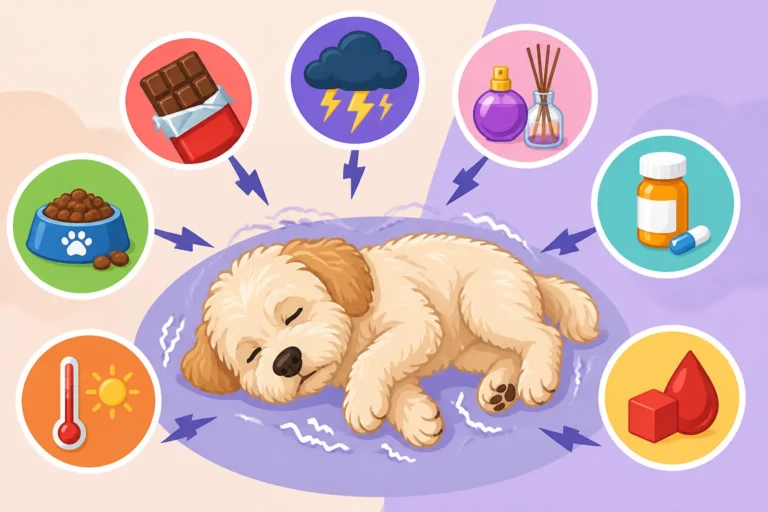
When a small Maltipoo puppy goes too long without eating, or if they experience stress, a sudden chill, or even an intense play session, their limited glucose reserves can be depleted rapidly. Their bodies struggle to keep up with the energy demands, and without enough sugar circulating, their brain and organs start to shut down. This is why you'll often hear how crucial it is for them to eat frequently; for a tiny Maltipoo, skipping even one meal can lead to a dangerous situation. This is especially true for Why a Two Pound Maltipoo Cannot Skip a Meal.
Recognizing the Warning Signs of a Drop
Knowing what to look for is your first line of defense. Hypoglycemic episodes don't always start dramatically. Often, they begin subtly and worsen quickly.
Initial signs might include a general lethargy, where your usually playful puppy seems unusually quiet, sleepy, or unwilling to engage. They might appear disoriented or confused, perhaps bumping into things or staring blankly. You might notice them walking unsteadily, almost like they're drunk, or swaying when they try to stand.
As the situation progresses, these signs become more severe. Your puppy might start trembling or shivering, even if they aren't cold. Their gums might become very pale, almost white, instead of a healthy pink. They might begin to drool excessively. In the most severe cases, your Maltipoo could collapse, go completely limp, have seizures, or fall into a coma. These are truly frightening moments for any owner, and understanding What a Hypoglycemic Episode Looks Like in a Maltipoo can help you react faster. Time is absolutely critical, and every second counts.
The Role of Karo Syrup in an Emergency
When you see those alarming signs, reaching for a readily available sugar source like Karo syrup can make all the difference. It's not a cure, but it's a vital first-aid measure that can buy you precious time.
How Quick Sugars Provide Immediate Relief
Karo syrup, or any similar simple sugar source like corn syrup or honey, works by rapidly introducing glucose directly into your puppy's bloodstream. When applied to the gums, the sugar is absorbed through the mucous membranes lining the mouth, bypassing the digestive system for a quicker effect than if it were ingested and had to be broken down. This fast absorption is crucial because the goal is to raise their blood sugar levels as quickly as possible to prevent further deterioration and protect their brain.
It's a temporary fix, like a shot of adrenaline, designed to stabilize them enough for you to get them professional veterinary care. It's important to remember that this isn't addressing the underlying cause of the sugar crash, only the immediate symptom.
Step-by-Step Guide to Administering Karo Syrup
Knowing exactly how to administer the syrup calmly and effectively can save your puppy's life.
- Gather Your Supplies: You'll need light corn syrup (like Karo syrup), honey, or even maple syrup. Avoid sugar-free syrups as they contain xylitol, which is highly toxic to dogs. Have a small spoon or your clean finger ready.
- Assess Your Puppy: Gently pick up your puppy and examine their gums. Are they pale? Are they responsive? If they're having a seizure, protect them from injuring themselves and administer the syrup as soon as it's safe.
- Administer the Syrup: Take a small amount of syrup – about a pea-sized dab for a tiny Maltipoo, or a bit more for a slightly larger one – on your finger or spoon. Carefully lift your puppy's lip and gently rub the syrup onto their gums, particularly on the inner cheek where absorption is good. Do not try to force them to swallow a large amount of liquid, as they could aspirate it into their lungs, especially if they are very weak or unresponsive. The goal is absorption through the gums.
- Monitor and Repeat (if necessary): Within a few minutes, you should start to see a change. They might start to stir, become more alert, or stop trembling. If after 5-10 minutes there's no improvement, you can apply another small dab of syrup to their gums.
- Offer Food (once alert): As soon as your puppy shows signs of recovery and is able to swallow safely, offer a small amount of their regular food, or something very palatable like a bit of plain cooked chicken or baby food (without onion or garlic). The food will provide more sustained glucose to prevent another rapid drop. If they've gone limp, these initial steps are exactly What to Do When a Maltipoo Goes Limp.
- Seek Veterinary Attention IMMEDIATELY: This is the most critical step. Even if your puppy seems to have made a full recovery after the syrup, a hypoglycemic episode is a red flag. It indicates an underlying issue that needs professional diagnosis and treatment. Call your vet or an emergency animal hospital while you are administering the syrup or immediately afterward. Do not delay.
Other Emergency Sugar Options
While Karo syrup is widely recommended, it's not the only game in town. The key is a simple, fast-acting sugar.
Honey is another excellent option. It's often readily available in most households and works similarly to Karo syrup, offering quick glucose absorption through the gums. Many owners find it slightly less sticky and easier to manage than corn syrup. Just like with Karo syrup, use a small amount, rub it on the gums, and prioritize getting your puppy to a vet.
You might also hear about commercial products like Nutri-Cal. This is a high-calorie, nutrient-dense gel specifically formulated for puppies and dogs needing an energy boost, often given to very small or sickly puppies to prevent hypoglycemia. It's a great product to have on hand for preventative measures or as a follow-up after an initial sugar crash. Many Maltipoo owners swear by Keeping Nutri-Cal on Hand for a Maltipoo Puppy for peace of mind. While it’s fantastic for proactive care, in a dire emergency, the super-fast absorption of simple sugars like Karo or honey directly on the gums might be slightly quicker than Nutri-Cal which is typically meant to be licked and swallowed. However, if Nutri-Cal is all you have, it's certainly better than nothing.
No matter which sugar source you use, the principle remains the same: immediate glucose to stabilize, followed by immediate veterinary care.
Beyond the Immediate Crisis: What to Do Next
Saving your Maltipoo puppy with Karo syrup is a victory, but it's just the beginning. The next steps are crucial for ensuring their long-term health and preventing future episodes.
When Veterinary Care is Absolutely Critical
Let's be crystal clear: administering Karo syrup is an emergency first-aid measure, not a definitive treatment. Even if your puppy appears to bounce back completely, a trip to the veterinarian or emergency animal hospital is non-negotiable. They need a professional assessment to determine why the crash happened and to prevent it from recurring.
Your vet will perform a thorough examination, including blood tests, to confirm the glucose levels and check for any underlying conditions that might predispose your Maltipoo to hypoglycemia. This could involve checking for parasitic infections, liver shunts, or other metabolic disorders. Without addressing the root cause, your puppy remains at high risk for future, potentially more severe, episodes. Don't be surprised if the vet recommends an overnight stay for monitoring, especially if the episode was severe. This vigilance is paramount, as What an Emergency Sugar Crash Costs a Maltipoo Owner can be significant if not handled promptly. Pet insurance providers like Healthy Paws can often help cover these unexpected emergency costs, providing invaluable peace of mind when your little one is in crisis.
Preventative Measures to Avoid Future Crashes
An ounce of prevention is worth a pound of cure, especially with something as serious as hypoglycemia. Establishing a strict routine is paramount for tiny Maltipoo puppies.
Firstly, frequent, small meals are non-negotiable. Puppies under four to six months old, particularly those under four pounds, should be fed at least three to four times a day. For especially small or high-risk puppies, even more frequent feedings might be necessary. It's a bit of a juggling act, but it ensures a steady supply of glucose. If you have a tiny one, understanding How Often a Teacup Maltipoo Puppy Must Eat is incredibly important.
Secondly, invest in high-quality, nutrient-dense puppy food. Look for formulas specifically designed for small breeds, as these are often more calorie-dense and easier for their tiny digestive systems to process. Measure portions precisely; don't just eyeball it.
Thirdly, manage stress and exposure to cold. Stress, whether from a new environment, car travel, or even just being overly excited, can trigger a sugar drop. Keep their environment calm and predictable. Small Maltipoos also lose body heat quickly, making them susceptible to chills, which can burn through their glucose reserves. Provide warm, comfortable bedding and consider a sweater or coat if they're particularly small or it's chilly indoors. This is something to keep in mind, as Whether Stress Triggers a Maltipoo's Sugar Crash is a common concern for Maltipoo owners.
Lastly, make sure your puppy is always well-hydrated. Dehydration can exacerbate many health issues, including contributing to a hypoglycemic state.
Long-Term Management and Monitoring
Even after your puppy has recovered and you've implemented preventative measures, continued vigilance is key.
You'll need to monitor their eating habits closely, ensuring they're finishing their meals. If they become picky or refuse food, this is a red flag that warrants immediate attention, not just waiting it out. Keep an eye on their energy levels and general demeanor. Any return of the earlier signs of lethargy, trembling, or disorientation means you need to re-evaluate their care and potentially contact your vet again.
Your veterinarian might recommend specific dietary adjustments, supplements like Nutri-Cal, or even regular at-home glucose monitoring for puppies at higher risk. As your Maltipoo grows, the risk of hypoglycemia generally decreases, as their liver matures and their body fat reserves increase. Most Maltipoos will outgrow the most acute risk by around 6-9 months of age, but it's still good to be aware. Knowing The Age a Maltipoo Grows Out of Hypoglycemia Risk can bring some relief, but consistent care remains important.
For puppies under four pounds, the risk of hypoglycemia is particularly high, and it's essential to communicate openly with your vet and even your breeder about these concerns. A reputable breeder will provide guidance on preventing these episodes, especially for The Weight at Which a Maltipoo Puppy Is at Risk.
The Realities of Owning a Hypoglycemia-Prone Maltipoo
Bringing a Maltipoo puppy into your life, especially a tiny one, means understanding and preparing for potential health challenges like hypoglycemia. It’s part of the journey and something responsible owners embrace.
The Importance of Responsible Breeding and Early Health Checks
The foundation of a healthy puppy often begins with responsible breeding practices. A good breeder will prioritize the health of their litters, which includes proactive steps to minimize the risk of hypoglycemia. They should educate new owners about the signs and prevention, and ensure puppies are eating well and stable before going to their new homes. They might even recommend specific feeding schedules or supplements like Nutri-Cal for smaller puppies.
It's also crucial for new owners to schedule a vet check-up within the first few days of bringing their Maltipoo home. This initial vet visit isn't just for vaccinations; it's a chance for a professional to assess your puppy's overall health, discuss any concerns about their size or previous feeding history, and provide tailored advice on preventing hypoglycemia.
Financial Preparedness for Emergencies
Emergencies, by their very nature, are unexpected and can be costly. A sudden trip to the emergency vet for a hypoglycemic episode, especially if it requires overnight hospitalization, can easily run into hundreds or even thousands of dollars. While Karo syrup is an inexpensive home remedy, the follow-up veterinary care is not.
This is where planning ahead makes a huge difference. Having an emergency fund specifically for your pet is always a smart move. Additionally, pet insurance can be an invaluable safety net. Companies like Healthy Paws offer comprehensive accident and illness plans that can help cover a significant portion of emergency vet bills, giving you the freedom to make medical decisions based on what's best for your puppy, rather than solely on your wallet. It’s definitely worth looking into a policy early in your puppy’s life, before any pre-existing conditions could exclude coverage for conditions like recurrent hypoglycemia.
Here’s a quick overview of immediate actions during a suspected hypoglycemic event:
| Symptom Severity & Puppy State | Immediate Action | Next Steps |
|---|---|---|
| Mild: Lethargy, quiet, unsteady walk | Dab a pea-sized amount of Karo/honey on gums. | Monitor for 5-10 mins. If improved, offer small meal. Call vet for advice/appointment. |
| Moderate: Trembling, disorientation, pale gums | Dab a pea-sized amount of Karo/honey on gums. | Monitor for 5-10 mins. Repeat if no improvement. Call emergency vet immediately while monitoring. Offer small meal if alert. |
| Severe: Collapsed, limp, seizure, unresponsive | Gently rub Karo/honey on gums. Protect from injury during seizure. | Call emergency vet immediately. Transport to vet as soon as possible, continuing to rub syrup if puppy allows. |
Remember, Karo syrup can save a Maltipoo puppy's life by giving a critical glucose boost in an emergency, but it's a bridge to professional medical care, not a substitute for it. Your quick thinking and immediate action, combined with prompt veterinary attention, offer your precious little Maltipoo the best chance at a full recovery and a long, healthy life.
Disclaimer
This article is intended for informational purposes only and does not constitute medical advice. Always consult with a qualified veterinarian for any health concerns or before making any decisions about your Maltipoo's care and treatment. In case of a medical emergency, seek immediate veterinary attention.