Which Patella Grade Needs Surgery in a Maltipoo
It’s incredibly stressful when you notice your sweet Maltipoo taking an odd step, maybe holding up a back leg for a moment, or giving a little skip as they trot along. This kind of hesitation often points to an issue with their kneecaps, a condition known as patellar luxation. Deciding if and when surgery is the right path can feel overwhelming, but understanding the different grades of this condition will empower you to make the best choice for your furry companion.
Understanding Patellar Luxation in Maltipoos
Patellar luxation is a common orthopedic problem in small breed dogs like our beloved Maltipoos. It’s essentially a fancy term for a kneecap that slips out of its normal groove. While it sounds alarming, many dogs live with it to varying degrees, but knowing when to act is key.
What is Patellar Luxation?
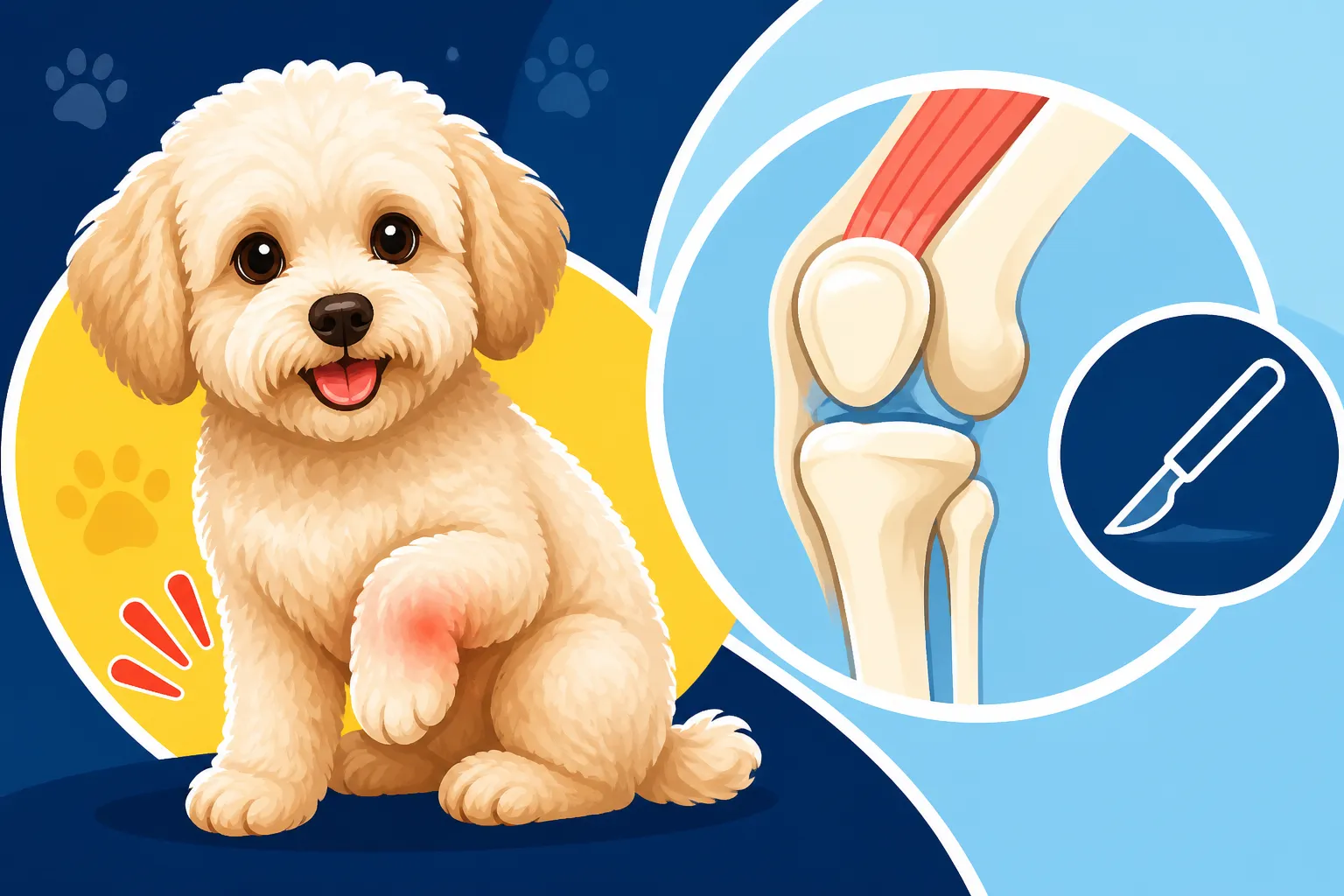
At its core, patellar luxation occurs when the patella, or kneecap, dislocates or moves out of its natural position. Normally, the kneecap sits snugly in a groove on the end of the thigh bone (femur), called the trochlear groove. It acts like a pulley, helping the leg extend. In Maltipoos, due to inherited structural abnormalities, this groove might be too shallow, or the ligaments and muscles might pull the kneecap sideways. When the kneecap pops out, it usually goes towards the inside of the leg (medial luxation), which is the most common form in small breeds.
When the kneecap slips, your Maltipoo might experience pain, a sudden lameness, or a characteristic "skip" in their gait. It can range from a minor, occasional inconvenience that self-corrects to a constant, painful displacement that severely impacts their mobility and quality of life. The severity of this slipping is categorized into different grades, which helps veterinarians determine the most appropriate course of action.
The Genetic Link and Early Signs
Unfortunately, patellar luxation is largely a hereditary condition, meaning it's passed down from parent dogs. Both the Maltese and Poodle breeds, which contribute to the Maltipoo's genetic makeup, are predisposed to this issue. This genetic predisposition means it's not something you necessarily "caused" but rather something to be aware of from the moment you welcome your Maltipoo into your home.
The signs of patellar luxation often start subtly and can appear quite early in a Maltipoo's life. Many owners first notice symptoms when their Maltipoo is still a puppy or a young adult. The Age a Maltipoo's Kneecap First Slips can vary, but it's not uncommon for it to manifest around 4 to 6 months of age, or even later as the dog matures and becomes more active. You might see your Maltipoo suddenly pick up a back leg for a few steps and then put it down as if nothing happened. This intermittent lameness, often described as a skip or hop, is a tell-tale sign. Sometimes, owners might worry, "Is my Maltipoo breaking a leg jumping off a sofa?" when they see this sudden lameness, but it's often the kneecap momentarily slipping. As the condition progresses, they might become more reluctant to jump onto furniture or even run and play with the same enthusiasm. Keeping a close eye on these early indicators is crucial for timely diagnosis and intervention.
Deciphering the Patella Grades
When a veterinarian diagnoses patellar luxation, they’ll assign a "grade" to the condition. This grading system is a standardized way to describe the severity of the kneecap's luxation, guiding both the vet and you in understanding the problem and planning the next steps. It's a critical piece of information for managing your Maltipoo's long-term health.
The Four Grades of Patellar Luxation
Understanding these grades is really the core of knowing when surgery might be needed. They describe a spectrum of severity, from a slight wobble to a complete and permanent displacement.
-
Grade I (Mild Luxation): This is the mildest form. The kneecap can be manually luxated (pushed out of its groove) by a veterinarian, but it quickly returns to its normal position on its own. Your Maltipoo might experience an occasional skip or hop, but it's infrequent and often doesn't cause significant pain or lameness. Many owners will notice The Skip in a Maltipoo's Walk That Means a Patella every now and then, but it's usually brief and self-correcting. While it's not typically painful, it's a condition that should be monitored. There's usually no obvious discomfort or lameness in everyday life, and your Maltipoo might even learn to "kick" their leg out to pop the kneecap back into place.
-
Grade II (Moderate Luxation): With Grade II, the kneecap luxates more frequently and doesn't always go back into place on its own. It might luxate spontaneously, or with movement, and then stay out until your Maltipoo extends their leg or you manually push it back. This can cause more noticeable lameness and discomfort. You might see your Maltipoo hold their leg up for a longer period. This is often the grade where the discussion about intervention truly begins, as it can significantly impact their quality of life over time if left unaddressed. The joint may also show some early signs of arthritis due to the repeated slipping.
-
Grade III (Severe Luxation): At this stage, the kneecap is luxated most of the time. It can often be manually reduced (pushed back into the groove) by a veterinarian, but it will immediately reluxate (slip out again) once pressure is released. Dogs with Grade III luxation often experience persistent lameness and a noticeable crouched gait, as the leg cannot fully extend. The constant displacement leads to significant discomfort and progressive degenerative changes in the joint, including cartilage damage and early onset arthritis. It's rare for a dog with Grade III to be comfortable or fully mobile without surgical intervention.
-
Grade IV (Permanent Luxation): This is the most severe grade. The kneecap is permanently luxated and cannot be manually reduced back into the groove. The trochlear groove is usually flat or even convex, and the underlying bone structure is often significantly deformed. Dogs with Grade IV luxation are typically severely lame and may walk with a continuous crouch, unable to extend their knee joint fully. They often experience significant pain and discomfort, and their quality of life is severely compromised. This grade almost always requires surgical correction to provide any hope for improved function and pain relief.
Diagnosing Your Maltipoo's Patella
If you've noticed any limping or skipping, your first step should always be a visit to your veterinarian. They're the experts who can properly diagnose and grade patellar luxation.
The diagnostic process usually begins with a thorough physical examination. Your vet will carefully palpate (feel) your Maltipoo's knee joint, manipulating the kneecap to assess its stability and how easily it slips in and out of the groove. They'll also check for any signs of pain, swelling, or grinding (crepitus) within the joint. This hands-on examination is often enough for a preliminary diagnosis and grading.
Beyond the physical exam, X-rays are often recommended. Whether a Limping Maltipoo Needs X Rays is a common question, and the answer is often yes, especially if surgery is being considered. While X-rays don't show the kneecap "slipping" in real-time, they provide crucial information about the underlying bone structure. They allow the vet to visualize the depth of the trochlear groove, the alignment of the femur and tibia, and to check for any degenerative joint disease (arthritis) that might have already developed. These images help confirm the diagnosis, refine the grading, and are absolutely essential for planning any surgical procedure. A precise diagnosis ensures that the most effective and appropriate treatment plan is put into place, aiming for the best possible outcome for your Maltipoo.
When Surgery Becomes Necessary
The decision to proceed with surgery for patellar luxation in your Maltipoo is a significant one, both emotionally and financially. It’s not a choice to be made lightly, and it's something you'll discuss extensively with your veterinarian. Generally, the more severe the grade, the clearer the path towards surgical intervention becomes.
Grade I and II: Conservative vs. Surgical Approaches
For Grade I luxation, surgery is almost never recommended. The slipping is too infrequent, and the dog usually experiences minimal to no pain. The focus for these mild cases is on conservative management: keeping your Maltipoo at a healthy weight to reduce stress on the joints, providing appropriate, non-impact exercise, and monitoring for any progression. Supplements might be suggested, but it's important to ask, "Whether Supplements Do Anything for a Maltipoo's Knees" — while some joint supplements can support cartilage health, they cannot correct a structural issue like a luxating patella.
Grade II is where the decision becomes more nuanced and often quite challenging for owners. Whether a Maltipoo's Kneecap Needs Operating at this stage depends on several factors:
- Frequency of luxation: How often does the kneecap slip out? If it's happening several times a day and causing repeated lameness, surgery becomes more compelling.
- Pain and discomfort: Is your Maltipoo showing clear signs of pain, such as yelping, reluctance to move, or chewing at their leg?
- Impact on quality of life: Is the condition preventing your Maltipoo from enjoying their normal activities, like playing, running, or going for walks?
- Progression of arthritis: X-rays might show early arthritic changes due to the chronic irritation. Surgery can help slow down this progression.
- Age and overall health: Younger dogs with Grade II might be better candidates for surgery to prevent future problems.
If your Maltipoo has Grade II luxation and is experiencing discomfort, frequent limping, or if the vet notes significant arthritic changes, surgery might be the best option to improve their long-term comfort and mobility. This is often where comprehensive pet insurance, like a policy from Healthy Paws, can become a lifesaver, helping to cover a significant portion of the surgical costs, which can otherwise be quite substantial.
Grade III and IV: The Strong Case for Surgery
When it comes to Grade III and Grade IV patellar luxation, the recommendation for surgery is almost always a resounding yes. These advanced grades involve significant displacement of the kneecap, leading to chronic pain, severe lameness, and progressive damage to the knee joint. Without surgical intervention, the prognosis for a good quality of life is poor.
The primary goal of surgery for these severe cases is to correct the anatomical abnormalities that cause the kneecap to luxate. What a Surgeon Does to a Maltipoo's Kneecap typically involves a combination of procedures:
- Deepening the trochlear groove: The surgeon will reshape the groove in the femur to make it deeper, creating a more secure channel for the kneecap to sit in.
- Tibial crest transposition: The tibial crest, a bony prominence where the patellar ligament attaches, might be moved to a new position to ensure the patellar ligament pulls in a straight line, keeping the kneecap properly aligned.
- Capsular overlap: The joint capsule on the side where the kneecap luxates may be tightened, while the opposite side may be released to allow for better alignment.
These procedures aim to stabilize the kneecap, alleviate pain, restore proper limb function, and halt or slow down the progression of degenerative joint disease. The cost of such specialized surgery can be considerable, so understanding what patella surgery costs on a Maltipoo is essential for planning. Many owners find that having enrolled their Maltipoo in a pet insurance plan like Healthy Paws earlier in life greatly eases the financial burden of these necessary operations.
Post-Surgery Recovery and Prognosis
Surgery is only the first step; the recovery period is equally critical for a successful outcome. Your Maltipoo will require strict rest, often confined to a small space, for several weeks. Pain management, including medication, will be crucial to keep them comfortable during this time. Physical therapy, which might involve gentle range-of-motion exercises, passive stretching, and eventually controlled walks, is vital to rebuild muscle strength and flexibility.
It's natural to wonder, "Whether a Maltipoo Recovers Fully From Knee Surgery." The good news is that with proper surgery and diligent post-operative care, many Maltipoos recover very well, often regaining excellent use of their leg and significantly improved quality of life. However, it’s also important to be aware that once one knee has been affected, there's an increased risk that the other knee might develop similar issues. Owners often ask, "Whether Both of a Maltipoo's Knees Go," and unfortunately, it's not uncommon for patellar luxation to affect both hind legs, either simultaneously or sequentially. Regular follow-up appointments with your vet will be necessary to monitor their progress and address any concerns. Again, having robust pet insurance coverage from a company like Healthy Paws can be invaluable in managing the costs associated with potential follow-up care or surgery on the second knee.
Proactive Care and Prevention
While patellar luxation often has a genetic component, there are definitely steps you can take as a responsible Maltipoo owner to manage risk factors and support your dog's joint health, potentially delaying the onset or reducing the severity of symptoms.
Managing Risk Factors
Even if your Maltipoo is genetically predisposed, environmental factors play a role in how the condition progresses.
- Maintaining a Healthy Weight: This is paramount. Every extra pound your Maltipoo carries puts additional strain on their delicate knee joints. Keeping them at an ideal body weight is one of the most effective ways to reduce stress on their knees and can significantly impact their comfort, especially if they have a low-grade luxation.
- Controlled Exercise: While regular exercise is good for overall health, high-impact activities like excessive jumping or sudden starts and stops can exacerbate patellar luxation. Opt for moderate, consistent exercise such as leash walks. Avoid situations where your Maltipoo might be jumping aggressively for toys.
- Using Ramps or Steps: Small dogs often jump on and off furniture many times a day. Each jump creates an impact on their joints. This is why you should absolutely consider, "Whether a Maltipoo Should Use Steps to the Sofa." Providing ramps or steps for access to beds and sofas can drastically reduce this repetitive impact and protect their knees over time.
- Avoiding Stairs Where Possible: Similarly, continuously going up and down stairs can put strain on their joints. While it's not always avoidable, reducing stair use where possible, or even carrying your Maltipoo down long flights of stairs, can be beneficial. It's a valid concern to ask, "Whether Stairs Damage a Maltipoo's Knees," and for a dog with a predisposition to patellar luxation, they certainly can contribute to wear and tear.
Regular Vet Check-ups
The best defense is a good offense when it comes to your Maltipoo's health. Regular veterinary check-ups are not just for vaccinations; they're essential for monitoring overall health and catching potential issues early.
During routine visits, your vet will perform a thorough physical exam, which includes palpating your Maltipoo's knees. This allows them to detect any instability or early signs of patellar luxation even before symptoms become obvious to you. If your vet identifies a Grade I luxation, early monitoring and lifestyle adjustments can often prevent it from progressing rapidly.
It’s also an opportunity for you to voice any concerns you might have, no matter how small. If you've noticed an occasional skip, a slight reluctance to jump, or anything else that seems "off" about your Maltipoo's gait, communicate it clearly to your veterinarian. Early detection and intervention, whether through conservative management or timely surgery, can make a huge difference in your Maltipoo's long-term comfort and mobility.
Patella Luxation Grades and Treatment Summary
Here's a quick overview of the patella luxation grades and the typical treatment recommendations:
| Patella Luxation Grade | Description | Common Symptoms | Typical Treatment Approach |
|---|---|---|---|
| Grade I | Kneecap can be manually luxated but returns spontaneously. | Occasional, brief "skip" or hop; usually no pain. Often unnoticed by owner. | Conservative: Weight management, controlled exercise, monitoring for progression. Surgery rarely needed. |
| Grade II | Kneecap luxates intermittently; may require manipulation or leg extension to return. | More frequent skipping/lameness; mild to moderate pain, reluctance to jump or run. | Conservative initially, often progressing to Surgical: If painful or frequent, surgery is often recommended. Consideration of age, activity level, and presence of arthritis. |
| Grade III | Kneecap is luxated most of the time; can be manually reduced but reluxates immediately. | Persistent lameness, crouched gait, significant pain and discomfort, reduced mobility. | Surgical: Strongly recommended to alleviate pain, restore function, and prevent further joint damage. |
| Grade IV | Kneecap is permanently luxated and cannot be manually reduced. | Severe, chronic lameness; inability to extend knee; extreme pain; significant bone deformation. | Surgical: Essential for any hope of improved function and pain relief. Complex surgical procedures usually required. |
Disclaimer
The information provided in this article is for general educational purposes only and should not be considered as professional veterinary advice. Always consult with a qualified veterinarian for any health concerns or before making any decisions about your Maltipoo's care, diet, or medical treatment. Individual outcomes can vary.