Whether a Maltipoo’s Jaw Breaks During a Dental
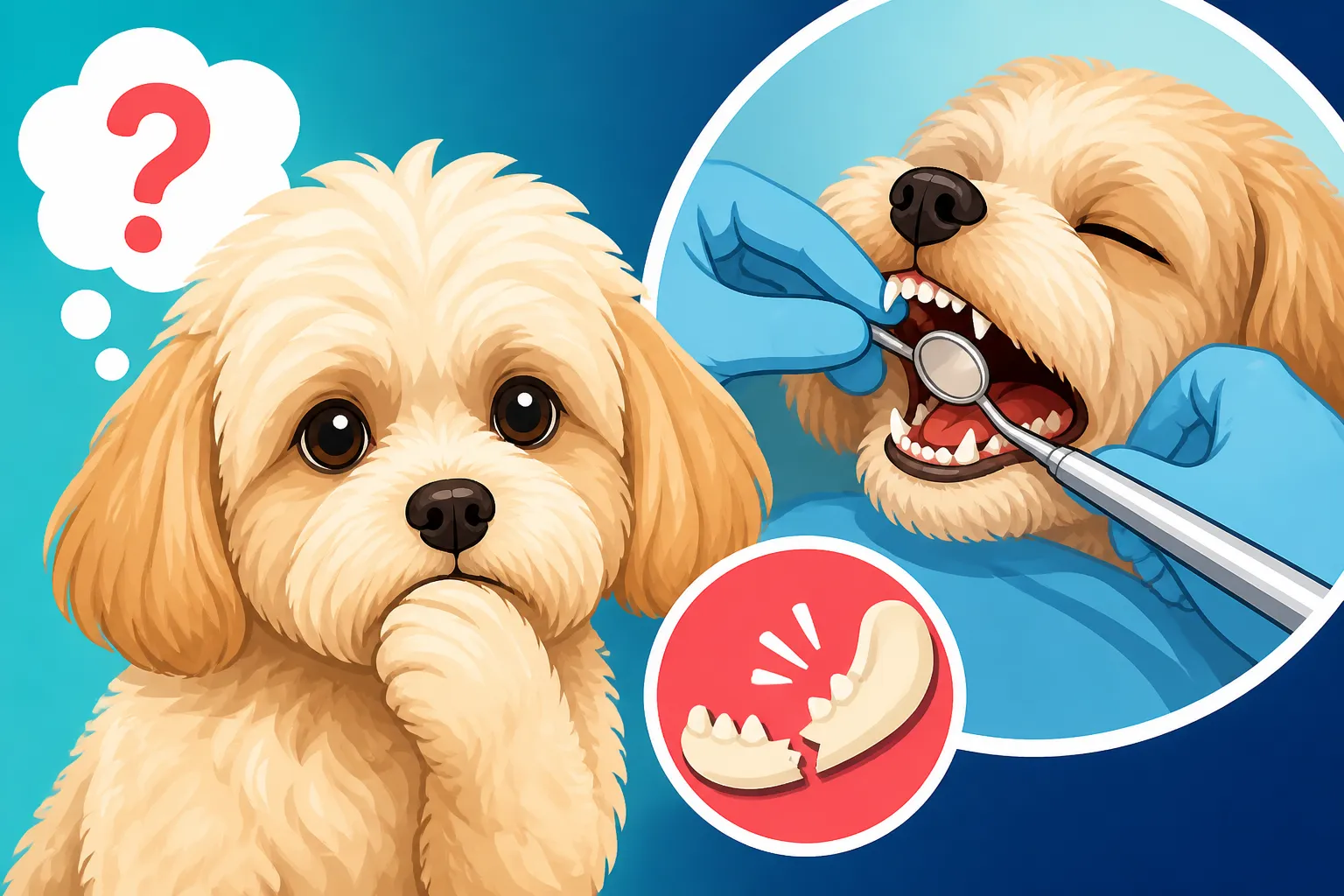
The thought of your beloved Maltipoo undergoing a dental procedure is stressful enough, but the idea of their delicate jaw breaking during the process can be absolutely terrifying. It’s a very real and valid concern for owners of small breeds, as their tiny bone structure can sometimes be surprisingly fragile. This guide is here to walk you through why this concern exists, what contributes to the risk, and most importantly, how to minimize the chances of such an unfortunate event, ensuring your furry friend gets the best possible dental care.
Understanding the Fragility of a Maltipoo's Jaw
Maltipoos, being a hybrid of Maltese and Poodle, inherit traits from both, including their small stature and sometimes delicate bone structure. While they bring immense joy, their tiny size does come with specific anatomical considerations, especially concerning their oral health.
Why Small Breeds are at Higher Risk
When we talk about small breeds like Maltipoos, their bones are naturally finer and less dense than those of larger dogs. This isn't just about their legs or ribs; it extends to their jawbones, or mandibles, too. These small, narrow mandibles are simply more susceptible to fracture compared to the robust jaws of a Golden Retriever or a German Shepherd. Imagine a tiny bird bone versus a turkey leg bone – the difference in inherent strength is substantial.
Compounding this is the issue of dental crowding. Both Maltese and Poodles are known for having relatively small mouths but a full set of 42 teeth, just like much larger dogs. This means those teeth are often packed in very tightly, sometimes even leading to a condition where their baby teeth do not fall out, creating a double row of teeth. This crowding can put uneven pressure on the jawbone and make it even thinner in certain areas. It also creates perfect little pockets for plaque and tartar to accumulate, accelerating periodontal disease, which is the number one enemy of jaw integrity in small dogs. You might be surprised to learn about The Forty Two Teeth Crowding a Maltipoo's Jaw and how it impacts their oral health.
The Impact of Periodontal Disease on Jaw Strength
Periodontal disease isn't just about bad breath or lost teeth; it's a progressive bacterial infection that can wreak havoc on the entire oral cavity, including the jawbone itself. When plaque and tartar build up on the teeth, the bacteria within them release toxins that irritate the gums, leading to gingivitis. If left untreated, this progresses to periodontitis, where the infection spreads beneath the gum line.
Here’s where the real danger to the jaw comes in: the infection starts to destroy the ligaments and bone supporting the teeth. Over time, this bone loss can become severe, especially around the roots of the teeth. The jawbone, which was already delicate, becomes significantly weakened and porous due to chronic inflammation and infection (osteomyelitis). Think of it like a piece of wood being eaten away by termites – it might look okay from the outside, but internally, it's hollowed out and incredibly fragile. In advanced cases, the bone surrounding a diseased tooth might be so compromised that even minor pressure, like that applied during a routine dental cleaning or tooth extraction, could lead to a fracture. This is particularly true for teeth like the lower canines or the larger molars in the back, where the jawbone can be alarmingly thin. This kind of bone destruction really highlights Whether Dental Disease Shortens a Maltipoo's Life.
The Dental Procedure: What Increases Risk
Even with the best intentions and skilled veterinary staff, dental procedures carry inherent risks, especially for small breeds with pre-existing conditions. Understanding these factors can help you advocate for your Maltipoo and ensure they receive the safest care possible.
The Role of Anesthesia and Monitoring
Any procedure requiring anesthesia carries some level of risk, and for a small dog like a Maltipoo, these risks can be amplified. Their tiny bodies have a smaller blood volume, can lose heat quickly (making it important to address Whether a Small Maltipoo Regulates Its Temperature), and metabolize drugs differently than larger dogs. Proper anesthesia isn't just about putting them to sleep; it's a carefully orchestrated process that involves pre-anesthetic bloodwork to check organ function, IV fluids to maintain blood pressure and hydration, and continuous monitoring throughout the procedure.
Anesthesia itself doesn't directly cause jaw fractures, but inadequate monitoring or improper drug protocols could lead to complications that indirectly increase risk. For instance, if a Maltipoo's blood pressure drops too low, it can compromise blood flow to tissues, including the jaw, potentially making it more vulnerable. While very rare, sudden movements under light anesthesia or improper positioning during the procedure could theoretically also place undue stress on a fragile jaw, though a competent veterinary team works diligently to prevent this. The key is finding a veterinary practice that prioritizes meticulous anesthetic protocols for small breeds, understanding that a Maltipoo is not a scaled-down Labrador. It’s also important to consider Whether a Maltipoo Under Four Pounds Survives Anesthesia.
Extraction Techniques and Minimizing Trauma
When a tooth needs to be extracted, the method used by the veterinarian is paramount in preventing jaw fracture. In a healthy jaw, tooth extraction involves carefully loosening the ligaments that hold the tooth in place, followed by its removal. However, with a jaw weakened by advanced periodontal disease, this process becomes far more delicate.
A skilled veterinary dentist will approach extractions in small breeds with extreme caution. They'll often use a surgical approach, which involves creating a gingival (gum) flap to expose the bone, and then using a high-speed dental drill to carefully remove a small amount of bone around the tooth roots (a technique called osteotomy) and/or section the tooth into multiple pieces before gently lifting each portion out. This minimizes the leverage and force needed to remove the tooth, thus reducing stress on the surrounding jawbone. Blindly pulling or wiggling a severely diseased tooth from a compromised jaw is a recipe for disaster. Using specialized, small instruments and gentle, controlled pressure is essential. Post-extraction X-rays are also vital to ensure that no root fragments remain, which could lead to further complications and infection. You might also want to understand What Extractions Cost on a Maltipoo given this delicate work.
Prevention and Pre-Procedure Measures
The best way to prevent a jaw fracture during a dental procedure is to avoid advanced periodontal disease in the first place, or at least manage it before it reaches a critical stage. This requires a proactive approach from both you and your veterinary team.
Regular Home Dental Care
This is truly your first line of defense. Daily dental care at home can significantly slow down the progression of periodontal disease, thereby protecting your Maltipoo's jawbone. The gold standard is daily tooth brushing. Yes, daily! Just like humans, a dog's teeth need consistent cleaning to remove plaque before it hardens into tartar. Use a soft-bristled, small dog toothbrush and enzymatic toothpaste specifically designed for pets. Starting this early, when your Maltipoo is a puppy, makes it much easier to establish a routine. You can learn more about How Often a Maltipoo's Teeth Should Be Brushed and get tips on making it a positive experience.
Beyond brushing, consider other vet-approved dental aids. These might include certain dental chews designed to scrape plaque (ensure they are appropriately sized and not too hard, as very hard chews can also cause tooth fractures), or water additives that help reduce bacteria in the mouth. Always consult your veterinarian before introducing any new dental product to ensure it's safe and effective for your Maltipoo. Products with the VOHC (Veterinary Oral Health Council) seal are generally a good starting point. Consistency is key here; a little effort every day goes a long way in preserving your Maltipoo’s oral health and the integrity of their jaw.
Pre-Dental Assessment and X-rays
Before any dental procedure, a thorough pre-dental assessment is absolutely non-negotiable, especially for a small breed like a Maltipoo. This isn't just a quick look in their mouth; it's a comprehensive evaluation under sedation or light anesthesia that includes full-mouth dental X-rays.
Dental X-rays are critical because about 60% of dental disease lies below the gum line, invisible to the naked eye. Without X-rays, your vet might miss significant bone loss, root abscesses, or other pathology that indicates a severely weakened jaw. For example, an X-ray might reveal that the bone around a particular tooth is almost entirely gone, allowing the vet to prepare for an ultra-gentle extraction technique or even decide that extraction isn't safe at all due to the risk of fracture. This imaging allows the vet to create a precise treatment plan, knowing exactly what they are dealing with before they even begin. The cost of What Pre Anesthetic Bloodwork Adds for a Maltipoo is minimal compared to the insights it provides.
Choosing an Experienced Veterinary Dental Team
Just like you wouldn't pick just any surgeon for a complex human procedure, choosing the right veterinary dental team for your Maltipoo is paramount. Look for a veterinarian or a board-certified veterinary dentist with extensive experience specifically in small breed dentistry. This isn't just about general veterinary knowledge; it's about understanding the unique challenges presented by tiny mouths and delicate bones.
An experienced team will have the appropriate specialized equipment, such as smaller dental instruments, high-frequency ultrasonic scalers that are gentle on enamel, and digital dental X-ray machines. They will also implement stringent anesthetic protocols tailored for toy breeds, including continuous monitoring of vital signs (heart rate, respiration, blood pressure, oxygen saturation, temperature), and the use of warming blankets to prevent hypothermia. Don't hesitate to ask about their experience with small breed dentals, their X-ray capabilities, and their anesthetic monitoring practices. Asking these questions upfront, even if you feel a bit awkward, is crucial for your Maltipoo's safety. When you consider What a Routine Maltipoo Dental Runs, remember that the expertise behind the cost is invaluable.
What to Expect if a Jaw Fracture Occurs
While rare with proper precautions, a jaw fracture can still occur, particularly in cases of severe pre-existing bone loss. Knowing what to expect can help you navigate this difficult situation should it arise.
Recognizing the Signs Post-Procedure
After a dental procedure, your Maltipoo will likely be a bit subdued, potentially experiencing some mild swelling or discomfort, which is normal. However, if a jaw fracture has occurred, you might notice more pronounced and specific signs. These could include severe pain, reluctance or inability to eat, excessive drooling (sometimes bloody), difficulty closing their mouth, visible asymmetry in their jawline, or swelling that seems disproportionate or isn't resolving. They might also paw at their mouth or exhibit signs of severe discomfort when you try to gently examine their face.
It's crucial to distinguish these signs from typical post-dental soreness. If you have any concerns at all, contact your veterinarian immediately. It’s always better to be overly cautious than to let a potential fracture go unaddressed. A good veterinary team will provide clear post-operative instructions and a contact number for emergencies, which is a valuable part of What an Emergency Sugar Crash Visit Costs a Maltipoo Owner if it's needed for other emergencies, too.
Treatment and Prognosis
If a jaw fracture is diagnosed, prompt treatment is essential for the best outcome. The good news is that many jaw fractures in small dogs, especially those that are "clean" breaks and not severely displaced, can heal quite well with proper management. The treatment approach will depend on the type and severity of the fracture.
Common treatment options include:
- Muzzle Stabilization: For minor, stable fractures, a custom-fitted muzzle or external splint might be used to immobilize the jaw, allowing it to heal naturally. This approach requires strict rest and a soft-food diet.
- Interdental Wiring: This involves using orthopedic wire to secure the teeth on either side of the fracture, effectively stabilizing the jaw. The wires are usually left in place for several weeks.
- Mini-Plates and Screws: In more complex or unstable fractures, tiny orthopedic plates and screws might be surgically implanted to hold the bone fragments together. This is a more invasive procedure but offers rigid stabilization.
During the recovery period, your Maltipoo will likely need pain medication, antibiotics, and a soft or liquid diet to minimize jaw movement. Regular follow-up appointments and X-rays will monitor the healing progress. The prognosis is generally good for most jaw fractures if caught early and treated appropriately, though it requires patience and diligent care from the owner. Full healing can take anywhere from 4 to 12 weeks, and ongoing monitoring might be necessary. It’s a serious situation, but with dedicated veterinary care, your Maltipoo can often make a full recovery.
Here’s a quick overview of factors affecting jaw fracture risk:
| Factor | Increases Risk | Decreases Risk |
|---|---|---|
| Breed Size | Very small breeds (under 10 lbs) | Larger breeds (over 20 lbs) |
| Periodontal Disease | Advanced bone loss, severe infection (osteomyelitis) | Healthy gums, intact bone |
| Dental Crowding | Severe crowding, retained baby teeth | Well-spaced teeth |
| Extraction Technique | Excessive force, inappropriate instruments, pulling | Surgical extraction, sectioning, gentle technique |
| Veterinary Experience | Inexperienced vet, lack of dental specialization | Experienced vet/specialist in small breed dentistry |
| Pre-Procedure Imaging | No dental X-rays | Full-mouth dental X-rays |
| Home Dental Care | Negligible or inconsistent brushing | Daily brushing, VOHC-approved products |
If you have pet insurance like Healthy Paws, it's a good idea to understand what exactly your policy covers regarding dental procedures, especially if extractions or potential complications like fractures are a concern.
Disclaimer
This article provides general information and is not a substitute for professional veterinary advice. Always consult with a qualified veterinarian for any health concerns or before making any decisions about your Maltipoo's care.