Whether Adenitis Reaches a Maltipoo From the Poodle
It's incredibly worrying when you hear about specific health conditions that can affect your beloved Maltipoo, especially when those conditions might trace back to one of their parent breeds. You might have stumbled upon information about sebaceous adenitis, often linked to Poodles, and naturally, you're wondering if your cuddly little Maltipoo could inherit this challenging skin condition. This guide will walk you through what sebaceous adenitis is, its connection to Poodles, and whether it's something Maltipoo owners need to be concerned about.
Understanding Sebaceous Adenitis in Poodles
When we talk about the health of our Maltipoos, it's always a good idea to look at the health history of their parent breeds: the Maltese and the Poodle. Sebaceous adenitis, or SA, is one of those conditions that comes up frequently in discussions about Poodle health, and for good reason. It's a challenging condition that can significantly impact a dog's quality of life.
What is Sebaceous Adenitis
Sebaceous adenitis is a relatively rare, inflammatory disease that affects the sebaceous glands in a dog's skin. These glands are responsible for producing sebum, an oily substance that helps keep the skin and coat moisturized and healthy. In dogs with SA, these glands become inflamed and are eventually destroyed. This destruction leads to a cascade of problems because the skin can no longer produce enough sebum, resulting in dry, flaky skin and significant hair loss. It's not contagious, but rather an autoimmune condition where the dog's own immune system mistakenly attacks these vital glands. Imagine your skin suddenly losing its ability to stay hydrated naturally, and you start to get an idea of the discomfort your dog might experience.
Poodle Predisposition to SA
Poodles, particularly Standard Poodles, have a known genetic predisposition to sebaceous adenitis. While it can occur in other breeds, and even mixed breeds, it's much more prevalent in Poodles. This means that within the Poodle gene pool, there are certain genetic markers that increase the likelihood of developing the condition. Both male and female Poodles can be affected, and while it often appears in young to middle-aged adults (typically between one and five years old), it can manifest at any age. The fact that it's often genetically inherited underscores the importance of responsible breeding practices and health testing within the Poodle lines. If you're looking into buying a Maltipoo, understanding this predisposition is crucial.
Recognizing the Signs in Poodles
The symptoms of sebaceous adenitis in Poodles can vary depending on the severity and whether it's the more common "long-haired" form (affecting breeds like Poodles) or a "short-haired" form. In Poodles, you'll typically notice progressive, symmetrical hair loss, especially along the back, ears, and tail. The coat might become dull, brittle, and sparse. The skin underneath will often be scaly, thickened, and sometimes greasy or waxy due to secondary skin infections.
Specific signs to look out for in a Poodle might include:
- Dry, flaky skin: This is often one of the first and most persistent symptoms. The scales can be fine or large, and sometimes stick to the hairs.
- Patchy hair loss: This usually starts on the top of the head, back, and tail, sometimes giving the dog a moth-eaten appearance.
- Dull or brittle coat: Even remaining hair can look unhealthy, lacking its natural sheen.
- Odor: Secondary bacterial or yeast infections, which are common because the compromised skin barrier allows pathogens to thrive, can lead to an unpleasant smell.
- Itching: While not always the primary symptom, many dogs will experience itching due to the dry skin or secondary infections.
- Follicular casts: These are matted hairs with waxy or scaly debris adhering to them, particularly noticeable on the back and ears.
These signs can be distressing for both the dog and their owner, and often lead to numerous vet visits trying to pinpoint the underlying issue.
The Maltipoo's Genetic Inheritance and SA Risk
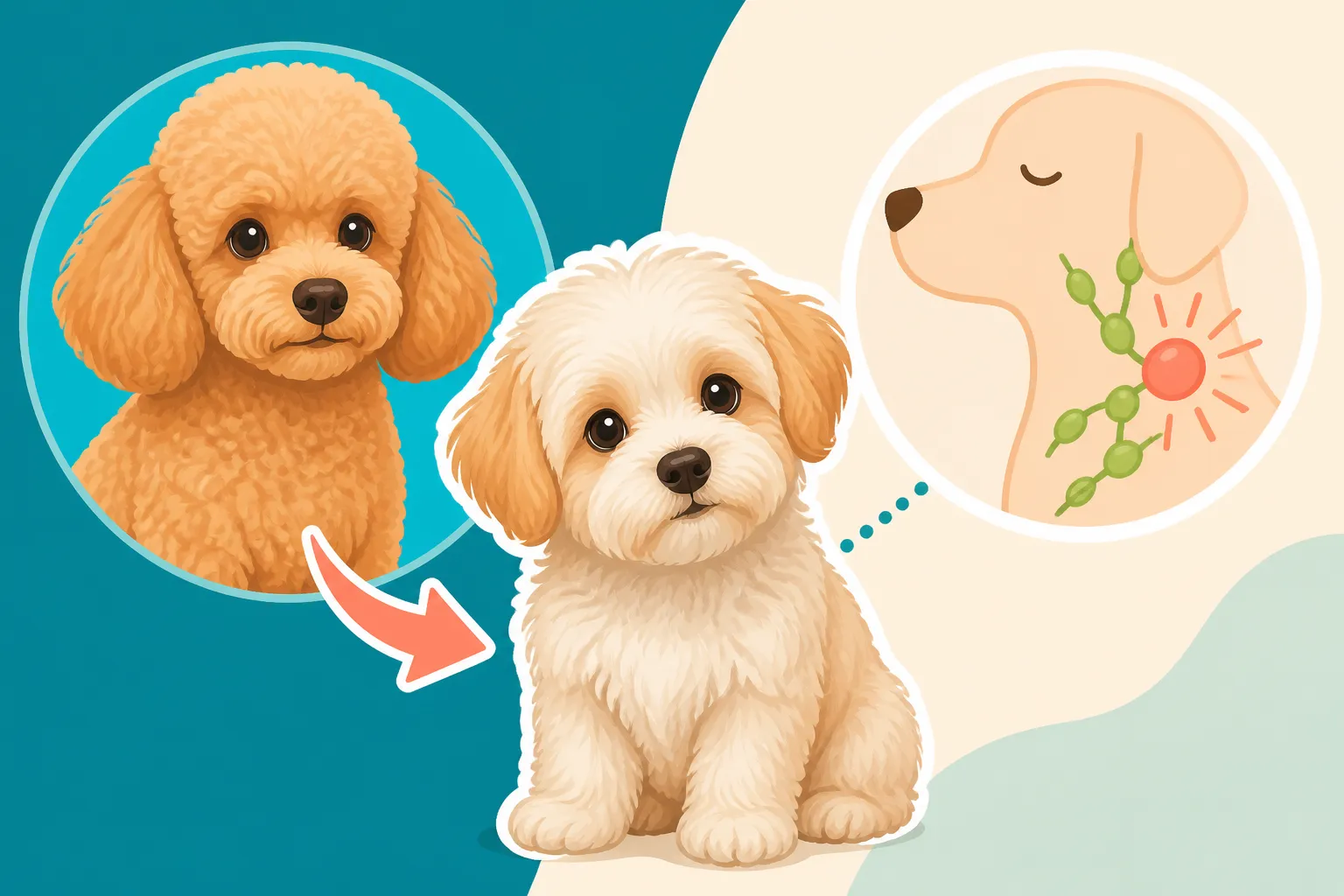
Given the Poodle's propensity for sebaceous adenitis, it's only natural for a Maltipoo owner or prospective owner to wonder how this might impact their furry friend. After all, a Maltipoo is half Poodle! The key lies in understanding how genetic traits are passed down in these delightful designer breeds.
How Genetics Work in Designer Breeds
When you mix two different purebred dogs, like a Maltese and a Poodle, the resulting offspring, an F1 Maltipoo, inherits a blend of genes from both parents. This genetic lottery means your Maltipoo could inherit more traits from the Maltese side, more from the Poodle side, or a fairly even mix.
For conditions like sebaceous adenitis, which has a genetic component, the Poodle parent's genetic health history becomes paramount. If a Poodle parent carries the genes for SA, or worse, has the condition themselves, the risk of their Maltipoo offspring developing or carrying the genes for SA increases significantly. Future generations, like F1b Maltipoos (a Maltipoo bred back to a Poodle) or Multigen Maltipoos (two Maltipoos bred together), might see a higher or lower concentration of Poodle genes, which can further influence the likelihood of inheriting breed-specific conditions. It's a complex dance of genetics, and unfortunately, it's not always a clear-cut 50/50 split.
Assessing the Risk for Your Maltipoo
The single most important factor in assessing your Maltipoo's risk for sebaceous adenitis is the health history and genetic testing of the Poodle parent. Responsible breeders will health test their breeding dogs for known genetic conditions prevalent in their breed. For Poodles, this should include screening for SA.
What does this mean for you?
- Ask about the Poodle parent's history: A good breeder should be transparent about the health of both parent dogs, including any history of SA in their Poodle lines. If the Poodle parent has never shown symptoms, and ideally has been tested clear or comes from lines known to be free of SA, your Maltipoo's risk is lower.
- Look for health clearances: While there isn't a specific "SA clearance" like there is for hip or elbow dysplasia, breeders should still be able to provide information on the general health of their Poodles and their commitment to breeding healthy dogs. Some Poodle clubs and organizations do promote screening.
- Be wary of unknown origins: If you're getting a Maltipoo from a rescue or a situation where the parentage is unknown, you simply won't have this crucial information. In such cases, you'll need to be more vigilant about potential symptoms.
- Consider the prevalence: Remember, even with a Poodle parent, SA is still relatively rare in the general dog population. The risk isn't 100% just because there's a Poodle in the lineage, but it's elevated compared to breeds not prone to it.
Understanding "What Breeding Smaller Costs a Maltipoo" often highlights the focus on size over health, which can lead to oversight of important genetic screenings. Always prioritize health.
Recognizing Potential SA Symptoms in a Maltipoo
Because Maltipoos have that lovely, often softer, wavier coat compared to a Poodle's tight curls, the signs of sebaceous adenitis might present slightly differently. However, the core symptoms related to dry skin and hair loss remain the same.
Here's what to watch for in your Maltipoo:
- Dry, flaky skin, especially under the coat: Run your fingers through their fur and check for dandruff-like flakes or dry patches directly on the skin. This might be more noticeable in areas where the coat is thinner.
- Dull, greasy, or brittle fur: Instead of the soft, fluffy coat you expect, it might feel rough, oily, or break easily.
- Patchy hair loss: This can manifest as thinning hair, particularly along the back, ears, and tail. Sometimes it might start subtly and progress slowly.
- Redness or inflammation: The skin can become irritated, red, and inflamed, often due to constant scratching or secondary infections.
- Unusual odor: If you notice a persistent, musty, or unpleasant smell emanating from their skin and coat, despite regular grooming, it could be a sign of a secondary infection taking hold.
- Itching and scratching: While itching can be a sign of many things, including "Allergies Behind a Maltipoo's Itching", persistent itching without obvious fleas or other common irritants should prompt a vet visit.
- Follicular casts: Small, white, waxy scales that cling to the hair shafts, making the coat appear matted or dirty even after brushing.
It's important not to jump to conclusions, as many of these symptoms can overlap with other common skin conditions, like allergies, fungal infections, or nutritional deficiencies. However, vigilance is key, especially if you know there's a Poodle lineage in your dog's background.
Diagnosis and Management of Sebaceous Adenitis in Maltipoos
If you notice any of the aforementioned symptoms in your Maltipoo, it's crucial to consult your veterinarian promptly. Early diagnosis and consistent management can make a significant difference in your dog's comfort and quality of life. Dealing with a chronic condition like SA can be a long journey, but it's one you don't have to face alone.
The Diagnostic Process
Diagnosing sebaceous adenitis isn't always straightforward because its symptoms can mimic other dermatological issues. Your vet will begin with a thorough physical examination and discuss your Maltipoo's medical history, including any changes in diet, environment, or grooming routines. They will likely ask about the onset and progression of the symptoms.
Here's what the diagnostic process typically involves:
- Ruling out other conditions: Before jumping to SA, your vet will want to rule out more common causes of skin and coat problems. This might include skin scrapings to check for mites, fungal cultures to detect ringworm, or allergy testing. They might also check for conditions like hypothyroidism, which can cause similar coat changes.
- Skin biopsies: The definitive diagnosis of sebaceous adenitis is made through a skin biopsy. This involves taking small samples of your Maltipoo's skin, usually under local anesthesia or light sedation, and sending them to a specialized veterinary dermatopathologist. The pathologist examines the tissue under a microscope to look for inflammation and destruction of the sebaceous glands, which is the hallmark of SA.
- Blood tests: While not diagnostic for SA itself, blood tests might be performed to check for any underlying systemic issues or to assess your dog's overall health before treatment begins.
Receiving a diagnosis can feel overwhelming, but knowing exactly what you're dealing with is the first step toward effective management. You might also want to look into "The Yearly Checks a Maltipoo Should Get" to ensure comprehensive care.
Treatment and Long-Term Care Strategies
Unfortunately, there's no cure for sebaceous adenitis, as the sebaceous glands are often permanently destroyed. However, the condition can be effectively managed with ongoing treatment to improve skin health, minimize symptoms, and prevent secondary infections. The goal is to replace the missing sebum and reduce inflammation.
Treatment plans are usually tailored to your Maltipoo's specific needs and the severity of their condition, but generally involve a combination of:
- Topical therapies: These are the cornerstone of SA management. They aim to hydrate the skin, remove scales, and replace the missing oils.
- Specialized shampoos: Your vet might prescribe or recommend shampoos containing ingredients like sulfur, salicylic acid, or benzoyl peroxide to help exfoliate the skin and reduce scaling.
- Conditioners and rinses: Medicated conditioners or emollient rinses are vital for moisturizing the skin and coat.
- Oil soaks: Regular oil treatments, often using mineral oil, baby oil, or specific veterinary oil products, are very effective. The oil is applied to the coat and skin, left on for several hours (sometimes overnight), and then rinsed off with a degreasing shampoo. This helps loosen scales and deeply moisturize the skin. These oil soaks can be quite time-consuming, but the results can be dramatic.
- Oral medications:
- Omega-3 fatty acid supplements: These can help reduce inflammation and improve skin barrier function.
- Corticosteroids: In some cases, short courses of oral steroids might be used to reduce severe inflammation during flare-ups, but long-term use is typically avoided due to side effects.
- Immunosuppressants: For more severe or unresponsive cases, medications like cyclosporine may be prescribed to modulate the immune system and prevent it from attacking the glands.
- Antibiotics/Antifungals: If secondary bacterial or yeast infections are present, your vet will prescribe appropriate oral or topical antibiotics or antifungals.
- Dietary support: While diet isn't a cure, a high-quality diet rich in essential fatty acids can support overall skin health. Your vet might also discuss specific therapeutic diets if allergies are a concurrent issue.
It’s a commitment, requiring patience and a consistent routine, but many Maltipoos with SA can lead comfortable lives with diligent care.
Living with a Maltipoo with SA
Living with a Maltipoo diagnosed with sebaceous adenitis means embracing a new routine focused on their skin and coat health. It can feel like a lot at first, but it quickly becomes part of your regular care for them. The good news is that with dedicated management, many dogs with SA can achieve a good quality of life.
Here's what to expect and how to make it easier:
- Grooming as therapy: Regular bathing and conditioning, especially the oil soaks, will become a central part of your grooming routine. You'll need appropriate shampoos and conditioners, and possibly a good grooming table for comfortable access. Learn "Teaching a Maltipoo to Stand on a Grooming Table" early on, as this will be a frequent occurrence.
- Monitoring for secondary infections: Because their skin barrier is compromised, Maltipoos with SA are more prone to bacterial and yeast infections. You'll need to be vigilant for signs like increased redness, odor, itching, or new pustules, and address them with your vet promptly.
- Environmental considerations: Keep your Maltipoo comfortable. Avoiding extreme temperatures can help their skin, and providing a clean, allergen-free environment is always beneficial.
- Patience and consistency: SA is a chronic condition, so there will be good days and bad days. Stick to the treatment plan, and don't get discouraged if you don't see immediate results. Consistency is key.
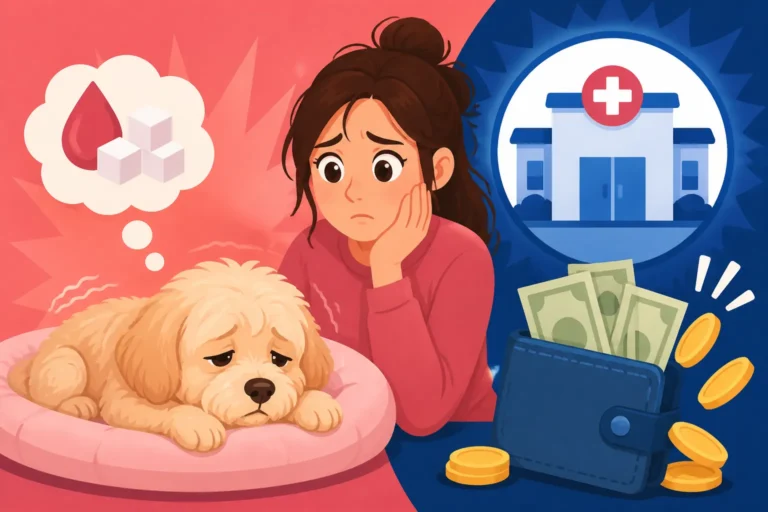
- Financial commitment: The ongoing cost of specialized shampoos, conditioners, medications, and vet visits can add up. This is where pet insurance can be a huge help. Companies like Healthy Paws offer coverage that can significantly reduce the financial burden of managing chronic conditions, allowing you to focus on your Maltipoo's health without constantly worrying about the bills. It's smart to have a plan in place for "What an Emergency Sugar Crash Costs a Maltipoo Owner" or other health issues, and a good insurance policy covers unexpected illnesses and ongoing treatments.
The emotional toll of seeing your dog uncomfortable can be tough, but remember, you are providing them with the best care possible, and that makes all the difference.
Proactive Steps for Maltipoo Owners
While we can't completely eliminate the risk of genetic conditions, there are certainly proactive steps Maltipoo owners can take to minimize the chances of their dog developing sebaceous adenitis or other health issues. It really comes down to informed choices and consistent care.
Choosing a Reputable Breeder
This is perhaps the single most impactful step you can take when bringing a Maltipoo into your home. A reputable breeder prioritizes the health and well-being of their dogs above all else. When it comes to a condition like sebaceous adenitis, particularly because of the Poodle lineage, here's what to look for:
- Health Testing and Clearances: A responsible Poodle breeder will conduct comprehensive health screenings on their breeding stock. While a direct genetic test for SA isn't as common or definitive as for some other conditions, they should be able to provide details about the health history of the Poodle parent and their lineage, specifically addressing any known incidence of SA. Ask specifically if SA has appeared in their Poodle lines.
- Transparency: A good breeder will be open and honest about any potential health concerns in their lines, even if it's something they're actively working to eliminate. They should be willing to share vet records and allow you to meet the parent dogs, especially the Poodle sire if possible.
- Contract and Health Guarantee: Reputable breeders often provide a health guarantee that covers genetic conditions. Read this carefully to understand what it entails.
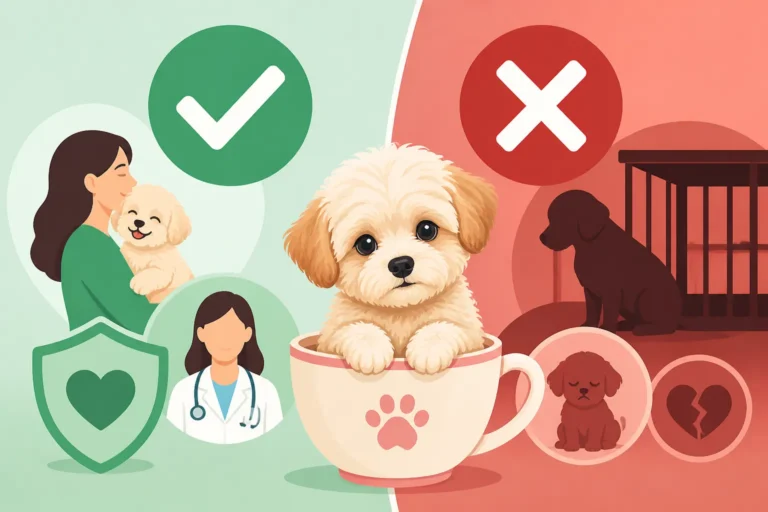
- Questioning "Teacup" Labels: Be cautious of breeders who emphasize "teacup" sizes over health. "Whether a Teacup Maltipoo Ever Stops Being at Risk" for various health issues is a serious consideration, as extreme miniaturization can often lead to more fragility and potential health problems.
Investing in a puppy from a responsible breeder is an investment in their long-term health and happiness.
Regular Veterinary Check-ups and Preventative Care
Once your Maltipoo is home, regular veterinary care becomes your first line of defense against any health problems, including sebaceous adenitis.
- Routine Annual Exams: These check-ups are vital. Your vet will perform a comprehensive physical examination, which includes checking their skin and coat thoroughly. They can spot subtle changes you might miss at home.
- Open Communication: Don't hesitate to discuss any concerns you have with your vet, no matter how small they seem. If you notice persistent itching, flakiness, or changes in coat texture, bring it up. Early detection is key for managing chronic conditions.
- Vaccinations and Parasite Prevention: While not directly related to SA, keeping your Maltipoo healthy overall strengthens their immune system and prevents other issues that could complicate a diagnosis or treatment of a skin condition.
- Professional Advice: Your vet is your best resource for tailored advice on diet, supplements, and grooming specific to your Maltipoo's needs, especially if they have any predisposition to certain conditions.
Maintaining Optimal Coat and Skin Health
Even if your Maltipoo never develops SA, maintaining their unique coat and delicate skin is a lifelong commitment. Their Poodle heritage gives them a non-shedding, often curly or wavy coat that requires diligent care.
- Consistent Grooming: Regular brushing (daily or every other day) is essential to prevent mats and tangles, which can trap moisture and debris against the skin, leading to irritation and infections. Understanding "The Two Week Face Trim a Maltipoo Needs" is also crucial for preventing eye irritation and staining.
- Proper Bathing: Use high-quality, gentle dog shampoos and conditioners. Avoid human products that can strip natural oils and irritate their skin. Don't over-bathe, as this can also dry out the skin, but a regular schedule (every 3-4 weeks for many Maltipoos) is usually beneficial.
- Balanced Nutrition: A high-quality diet rich in omega fatty acids, vitamins, and minerals supports healthy skin and a shiny coat. Discuss specific dietary needs with your vet.
- Environmental Control: Protect your Maltipoo from harsh environmental elements. Excessive sun exposure, very dry air, or exposure to irritants can all impact skin health. Ensuring your "Whether a Maltipoo Needs a Sweater Indoors" in colder months can help prevent dry skin from circulating heat.
By being proactive in your choices and consistent in your care, you give your Maltipoo the best possible chance at a long, healthy, and comfortable life, regardless of their genetic predispositions.
| Symptom Category | Sebaceous Adenitis (SA) | General Allergies (e.g., Environmental, Food) | Fungal Infection (e.g., Ringworm) |
|---|---|---|---|
| Hair Loss | Patchy, symmetrical, progressive; dull/brittle coat | Patchy, often secondary to scratching/licking; coat may be greasy | Circular, focal patches of hair loss; brittle hairs |
| Skin Texture | Dry, scaly, thickened, sometimes greasy/waxy | Red, inflamed, sometimes bumpy, can be greasy or dry | Red, scaly, often crusty, sometimes raised lesions |
| Odor | Often present due to secondary infections | May be present due to secondary infections | Earthy or musty odor if severe |
| Itching | Variable, can be significant if secondary infection | Usually intense and persistent | Variable, can be itchy |
| Location | Typically back, head, ears, tail (Poodles) | Paws, belly, ears, groin, armpits | Any area, often head, ears, paws, legs |
| Other Signs | Follicular casts (waxy debris on hairs) | Licking, chewing, paw chewing, ear infections | Scaling, crusting, potential zoonotic spread to humans |
Disclaimer
The information provided in this article is intended for general knowledge and informational purposes only, and does not constitute medical advice for pets. Always consult with a qualified veterinarian for any health concerns or before making any decisions about your Maltipoo's care and treatment. This content is not a substitute for professional veterinary diagnosis or treatment.