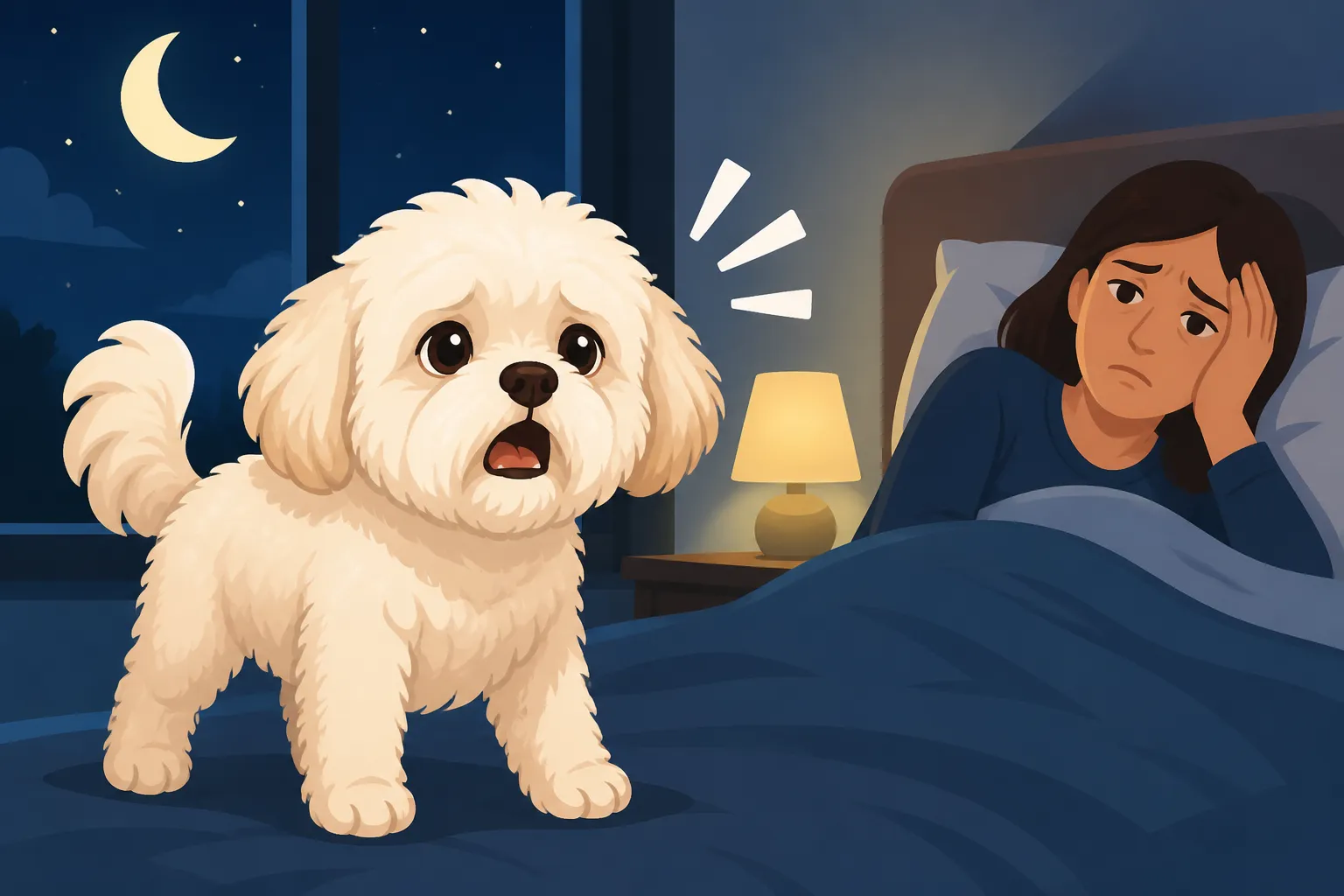
An Old Maltipoo That Will Not Settle at Night
It’s utterly heartbreaking when your beloved senior Maltipoo, who once snuggled peacefully through the night, starts pacing, whining, or just can’t seem to get comfortable after dark. This shift can be incredibly stressful for both of you, leaving you exhausted and worried about their well-being. You might find yourself wandering the house with them at 3 AM, desperate for a solution, wondering what suddenly changed. This guide will explore the common reasons why an old Maltipoo might not settle at night and offer practical strategies to bring peace back to your evenings for everyone.
Understanding Why Senior Maltipoos Struggle at Night
Watching your once spry Maltipoo slow down with age is tough enough, but when their nights become restless, it adds a whole new layer of concern. It’s easy to feel helpless, especially when they seem fine during the day only to become a different dog after sunset. The truth is, there are many reasons why an older dog might start struggling with sleep, ranging from natural age-related changes to underlying medical conditions that require veterinary attention. Understanding these possibilities is the first step toward helping your furry companion.
The Aging Process and Sleep Patterns
Just like humans, dogs experience changes in their sleep cycles as they age. What was once a solid eight to ten hours of uninterrupted slumber can become fragmented. You might notice your Maltipoo waking more frequently, appearing disoriented, or simply unable to find a comfortable position. This isn't always a sign of a serious illness; sometimes, it's just the natural progression of getting older. Their internal clock, known as the circadian rhythm, can become disrupted, leading to daytime napping and nighttime alertness. Their need for sleep might not decrease, but the quality and structure of it certainly can. They might drowse more during the day, making them less tired at night, or their deep sleep stages might become shorter, leading to easier awakenings. It's a frustrating cycle that can leave both you and your Maltipoo feeling perpetually weary.
Distinguishing Normal Aging from Health Concerns
While some nighttime restlessness can be attributed to normal aging, it's crucial to differentiate this from symptoms of an underlying health problem. If your Maltipoo's behavior changes abruptly, or if the restlessness is accompanied by other signs like increased thirst, accidents indoors, or vocalization, it’s a red flag that warrants a vet visit. A simple shift in sleep patterns might mean they need a different bedtime routine, but consistent pacing, panting, or apparent discomfort points to something more. Never assume new, concerning behaviors are "just old age" without a professional diagnosis. Their comfort and quality of life depend on you being proactive. After all, the health and lifespan of your beloved pet often depend on early intervention.
Common Medical Conditions Disrupting Nighttime Peace
When an old Maltipoo can't settle, medical issues are often at the root. Many conditions common in senior dogs can cause discomfort, pain, anxiety, or confusion that peaks during the quiet hours of the night. It's not about being "naughty" or "stubborn"; it's about genuine physical or cognitive challenges that prevent them from resting.
Pain and Discomfort from Arthritis or Other Ailments
One of the most common culprits for nighttime restlessness in older Maltipoos is pain, particularly from arthritis. As joints wear down over time, movement becomes stiff and sore. While they might push through it during the day, the stillness of night can make aches and pains more noticeable and intense. Imagine trying to get comfortable with aching joints – it’s a constant struggle. Your Maltipoo might pace endlessly trying to find a position that doesn’t hurt, or they might whine softly when shifting. Other sources of pain, like dental disease, back issues, or even undiagnosed injuries, can also contribute. Ensuring your Maltipoo is comfortable is paramount, and this often involves a thorough check-up with your vet to identify any sources of pain. They might recommend pain management strategies, anti-inflammatory medications, or even supplements to support joint health. Don't forget that even minor discomfort can be magnified during the stillness of night. Discussing potential solutions with your vet, and perhaps considering a pet insurance provider like Healthy Paws, can help manage these ongoing costs.
Cognitive Dysfunction Syndrome Canine Alzheimer's
Another significant factor in nighttime agitation is Canine Cognitive Dysfunction Syndrome (CDS), often referred to as "doggy Alzheimer's." This condition affects an older dog's brain function, leading to symptoms like disorientation, changes in sleep-wake cycles, anxiety, and house-soiling. Dogs with CDS often exhibit "sundowning," meaning their symptoms worsen as evening approaches and throughout the night. They might pace aimlessly, stare at walls, get stuck in corners, or vocalize without an obvious reason. It's a disorienting and often frightening experience for them, and it can be incredibly upsetting for you to witness. While there's no cure for CDS, early diagnosis allows for interventions like specific diets, supplements, and medications that can help manage symptoms and improve their quality of life. This is why paying attention to any subtle changes in their behavior, especially at night, is so important, and why regular yearly checks are vital for senior dogs.
Urinary Incontinence and Increased Thirst
As Maltipoos age, kidney function can sometimes decline, leading to increased thirst and more frequent urination. This means more trips outside, often during the night, which disrupts their sleep and yours. Additionally, muscle weakness can lead to urinary incontinence, where they leak urine involuntarily while sleeping. Waking up in a wet bed is uncomfortable and confusing for them, leading to restlessness and a desire to move to a dry spot. This can make them anxious about having an accident, further compounding their inability to settle. If you notice your Maltipoo drinking more water, having accidents indoors, or constantly needing to go outside during the night, it's essential to have them checked by your veterinarian. They can assess kidney function and bladder control and recommend treatments like medication or dietary changes. This issue is particularly frustrating for owners but entirely manageable with proper veterinary guidance.
Vision and Hearing Loss Impacting Security
Imagine waking up in the dark in a place you can barely see or hear. That’s often the reality for older Maltipoos experiencing age-related vision and hearing loss. This can make them feel insecure and disoriented, especially at night when their remaining senses are less effective. They might be unable to navigate their familiar surroundings, leading to bumping into furniture, getting stuck, or simply feeling lost. The quiet of the night, once soothing, can become unsettling if they can’t hear your comforting presence or familiar sounds. This can manifest as barking, whining, or pacing, as they seek reassurance or try to make sense of their environment. While you can't restore their senses, you can adapt their living space to make it safer and more predictable. Simple adjustments, like nightlights or maintaining furniture in consistent locations, can make a huge difference in their confidence and ability to settle. Consider also how whether an old Maltipoo goes blind or deaf first might impact their overall comfort and navigation.
Behavioral and Environmental Factors Contributing to Restlessness
Sometimes, it's not a severe medical condition but rather subtle shifts in their daily life or environment that throw a senior Maltipoo off balance. These factors might seem minor to us, but for a creature of habit, they can be incredibly disruptive. Addressing these non-medical causes can often bring significant improvements to their nighttime routines.
Changes in Routine or Environment
Maltipoos, especially as they get older, thrive on routine. Any disruption to their usual schedule can have a ripple effect, impacting their sleep patterns. This could be something as seemingly small as a new feeding time, a different walking schedule, or even a change in who puts them to bed. Major life changes, like moving to a new home, a new person or pet joining the household, or the loss of a companion, can be profoundly unsettling. A vacation, even for a few days, can throw them completely off course. Their internal clock relies on predictability, and when that's disturbed, their body simply doesn't know when it's time to wind down. Establishing and strictly adhering to a consistent daily and nightly routine is one of the most powerful tools you have to help them settle. This includes consistent mealtimes, potty breaks, and a clear bedtime ritual that signals it's time to rest.
Anxiety and Sundowning Syndrome
Anxiety isn't just a human emotion; dogs experience it too, and it can be particularly pronounced in senior Maltipoos. This anxiety can stem from various sources, including cognitive decline (CDS), fear of losing their senses, or even separation anxiety if they become more clingy in old age. "Sundowning" is a term often used to describe increased confusion, anxiety, and agitation that appears in the late afternoon and continues into the night. Dogs with sundowning might pace, whine, bark, pant excessively, or even try to escape. They seem restless and distressed, often unable to relax or respond to comfort. This isn't willful defiance; it's a genuine state of distress. Managing anxiety might involve a combination of environmental enrichment, calming techniques, pheromone diffusers, or even anti-anxiety medications prescribed by your vet. If you've ever dealt with an anxious dog, you know how utterly draining it can be for everyone involved, so addressing it head-on is vital.
Diet and Exercise Routines
What your Maltipoo eats and how much activity they get during the day also play a huge role in their nighttime serenity. Feeding them too close to bedtime can lead to indigestion or increased need for potty breaks, especially if they have whether a Maltipoo's kidneys fail with age or other urinary issues. Conversely, going to bed too hungry could also make them restless. It’s all about balance. Similarly, while older dogs need less intense exercise than puppies, they still need mental and physical stimulation during the day. A Maltipoo that spends all day napping might simply not be tired enough to sleep soundly through the night. Gentle, consistent walks and short play sessions can help burn off excess energy and provide mental engagement. However, over-exercising an arthritic senior can make pain worse, so finding the right balance is key. Consider cutting an old Maltipoo's portions as it slows to prevent weight gain, which can exacerbate joint pain. Discuss dietary changes or supplements with your vet, and perhaps research specialized senior dog foods that support brain health or joint function.
Strategies for Promoting Nighttime Calm in Your Senior Maltipoo
After understanding the potential reasons for your old Maltipoo's nighttime restlessness, the next step is to implement practical strategies. This often involves a multi-pronged approach, combining environmental adjustments, routine changes, and professional veterinary guidance. Your goal is to create an environment that promotes security, comfort, and peaceful sleep.
Optimizing Their Sleep Environment
Creating the perfect sleep sanctuary for your senior Maltipoo is crucial. Start with their bed: is it orthopedic and supportive enough for aching joints? As Maltipoos age, they often develop conditions like arthritis, making a plush, supportive bed indispensable. Memory foam or gel-infused beds can relieve pressure points and make it easier for them to get comfortable. Consider placing their bed in a quiet, draft-free area, perhaps away from busy hallways or noisy windows. Some senior dogs prefer a slightly elevated bed to keep them warm and avoid cold floors. For dogs with vision impairment, keeping the environment consistent and adding a nightlight can prevent disorientation. If your Maltipoo is particularly anxious, a calming dog bed with raised edges might offer a sense of security. Also, ensure the room temperature is comfortable; keeping an old Maltipoo warm and comfortable is essential, as small dogs can lose body heat quickly. Blankets or even a dog sweater for very cold nights might make a difference.
Establishing a Consistent Evening Routine
A predictable evening routine is a powerful tool for signaling to your Maltipoo that it's time to wind down. This routine should ideally start an hour or two before bedtime and be consistent every single night. It might include a final, short potty break outside, a quiet cuddle session, a gentle brushing to grooming an old Maltipoo and relieve any itching, or even a soft massage. Avoid exciting play or stimulating activities close to bedtime. If they're prone to anxiety, consider using a calming pheromone diffuser in their sleep area or playing soft, classical music. Some owners find giving a small, easily digestible snack a little while before bed can help settle tummies and prevent nighttime hunger pangs. The key is repetition: the more consistent you are, the more your Maltipoo will associate these actions with peaceful sleep. This routine helps reinforce their natural circadian rhythm, guiding them towards rest.
Consulting Your Veterinarian for a Comprehensive Plan
Ultimately, the most important step in addressing nighttime restlessness is a comprehensive visit to your veterinarian. Even if you suspect behavioral causes, it's vital to rule out any underlying medical conditions first. Be prepared to discuss all aspects of your Maltipoo's behavior, including when the restlessness started, what it looks like, and any other changes you’ve noticed. Your vet might recommend blood tests to check organ function, particularly the kidneys and liver, as well as a full physical exam to check for pain or discomfort. They can also assess for signs of Canine Cognitive Dysfunction Syndrome. Based on their findings, they might suggest specific medications for pain, anxiety, or incontinence, or recommend dietary changes or supplements. For chronic conditions, they might discuss long-term management strategies. Don't hesitate to ask about specialist referrals if needed. Having pet insurance, like a plan from Healthy Paws, can certainly ease the financial burden of these diagnostic tests and ongoing treatments. A partnership with your vet is crucial to developing the most effective and humane plan for your beloved senior Maltipoo. The goal is to maximize their comfort and enjoyment during the twelve to fifteen years a Maltipoo lives.
Disclaimer
The information provided in this article is for general informational purposes only and is not a substitute for professional veterinary advice. Always consult with a qualified veterinarian for any health concerns or before making any decisions related to your Maltipoo's medical care or treatment.