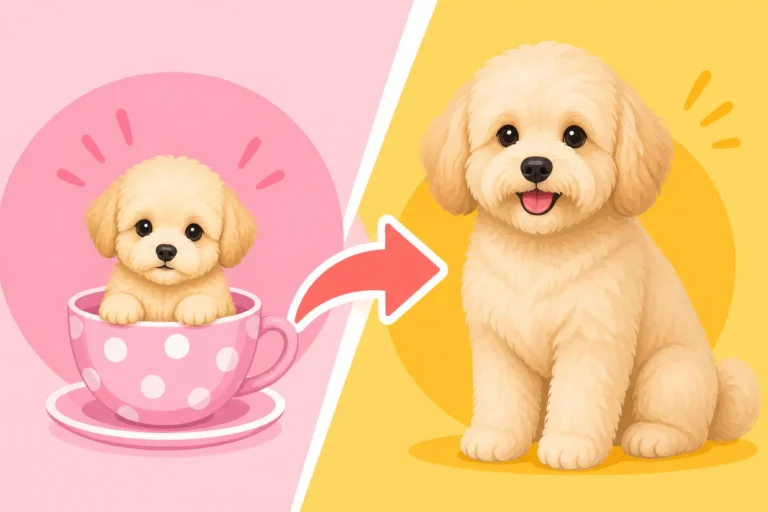
Whether a Maltipoo Under Four Pounds Is Priced Higher
It’s a common misconception, especially when looking for a small dog like a Maltipoo, that the tiny ones—the ones barely weighing a few pounds—must be the most valuable, and therefore, the most expensive. Many prospective puppy parents find themselves wondering if that adorable Maltipoo under four pounds comes with an even heftier price tag. This guide will delve into the pricing dynamics of smaller Maltipoos and explore whether their diminutive size genuinely dictates a higher cost, examining what truly influences breeder pricing and the real considerations for owning a very small dog.
The Allure and Pricing of "Teacup" Maltipoos
There's no denying the magnetic appeal of a truly tiny Maltipoo. We see photos and videos of these little fluffballs, often referred to as "teacups," and our hearts just melt. It's a natural leap to assume that something so delicate and rare must command a premium price. Often, you'll see breeders listing these smaller dogs at significantly higher figures than their slightly larger littermates, leveraging that "teacup" label. But is this premium truly justified, or is it more a reflection of market demand and perceived rarity?
Many breeders will market a Maltipoo puppy that is projected to be under four or five pounds as an elite "teacup" size, attaching a higher price tag to this designation. However, it’s important to understand that "teacup" is not an official breed size recognized by any major kennel club or veterinary association; it's a marketing term. While some Maltipoos naturally mature at a very small weight, others labeled "teacup" might simply be the runts of a litter or puppies whose growth was stunted, intentionally or unintentionally. The perceived value of a "teacup" often comes from the idea of exclusivity and cuteness, rather than from actual breeding excellence or superior health. In fact, sometimes the opposite is true. You might wonder, for instance, Whether Teacup Means Anything on a Maltipoo Medically.
When you see a price jump for a Maltipoo under four pounds, it’s rarely because that specific dog required more specialized care from birth. More often, it's a reflection of the breeder anticipating that a smaller size will appeal to a segment of buyers willing to pay more. It's crucial to look beyond the size label and understand the true factors that contribute to a healthy, well-adjusted puppy, which we'll discuss in the next section.
What Truly Influences a Maltipoo's Price (Beyond Size)
While size can play a role in what a breeder asks for a Maltipoo, it's far from the only, or even the most important, factor. Reputable breeders consider a multitude of elements when setting their prices. Understanding these can help you discern whether you're paying for quality or just a marketing buzzword.
Breeder Reputation and Health Testing
The reputation of the breeder is paramount. A responsible breeder invests heavily in the health and well-being of their breeding dogs and puppies. This includes comprehensive health testing for the parent dogs, such as patella evaluations, eye clearances, and often genetic tests for conditions common in Maltese and Poodles. For instance, testing for a The Liver Shunt a Maltipoo Can Inherit From the Maltese is a sign of a diligent breeder. These tests are expensive but vital for producing healthy puppies. Breeders who conduct such testing, provide proper veterinary care for their puppies (vaccinations, deworming, vet checks), and offer a health guarantee will naturally have higher prices. This isn't about size; it's about ethical breeding practices that reduce the risk of costly health issues down the line. You can learn more about these critical evaluations by reading The Four Certificates a Maltipoo Breeder Should Show.
Pedigree and Parentage
The lineage of the parent dogs can also influence the price. If the Maltese or Poodle parents come from champion lines, or have exceptional temperaments and health clearances, this can add to the puppy's cost. This isn't just about bragging rights; it often indicates a consistent breeding program focused on desirable traits. The specific generation of the Maltipoo (F1, F1B, etc.) can also factor in, as some generations are believed to have more predictable coats or temperaments, though this is debated.
Location and Demand
Just like real estate, puppy prices can vary by geographic location. Breeders in areas with a high demand for Maltipoos and fewer reputable breeders might charge more. The overall economic climate and local cost of living can also play a part. Demand for specific colors, like a rare red or phantom, can sometimes drive prices up, although a reputable breeder focuses on health and temperament first, not just color trends.
Included Services and Support
A higher price might also include more than just the puppy. Some breeders offer extensive puppy packs, initial supplies from places like Chewy, microchipping, initial training resources, or ongoing support and advice for the life of the dog. While these aren't directly related to the puppy's size, they add value to the overall purchase and can be factored into the price.
Here’s a quick comparison of what drives Maltipoo pricing:
| Factor | Impact on Price | Why it Matters |
|---|---|---|
| "Teacup" Size | Often leads to higher price | Perceived rarity, cuteness, market demand |
| Breeder Reputation | Higher price | Investment in health, ethical practices, experience |
| Health Testing | Higher price | Reduces risk of expensive hereditary conditions |
| Parent Pedigree | Can lead to higher price | Quality lineage, consistent traits, show potential |
| Demand/Location | Varies (can be higher or lower) | Market trends, local competition, economic factors |
| Included Services | Adds to price | Value-added extras like vet checks, starter kits |
The Hidden Costs and Risks of a Smaller Maltipoo
While a very small Maltipoo might initially appeal due to its delicate appearance, it's crucial to understand that an extremely petite size can come with significant health challenges and higher long-term costs. The initial purchase price is often just the tip of the iceberg when it comes to owning a tiny dog.
Increased Health Vulnerabilities
Maltipoos under four pounds, especially those under three pounds, are often more fragile. They are at a heightened risk for a range of health issues that can be incredibly serious and expensive to treat.
- Hypoglycemia: Tiny puppies are especially prone to Hypoglycemia and the Teacup Maltipoo Puppy. Their small bodies struggle to regulate blood sugar, and skipping even one meal can lead to a dangerous sugar crash. This requires constant vigilance and emergency care, which can be costly. You might find yourself needing to know What an Emergency Sugar Crash Costs a Maltipoo Owner for immediate vet visits.
- Slipping Kneecaps (Luxating Patella): Small breeds are notorious for Slipping Kneecaps in a Maltipoo. While any size Maltipoo can experience this, the smaller and more delicately built they are, the more susceptible they can be. This condition can range from mild to severe, sometimes requiring expensive surgery. You can read more about The Age a Maltipoo's Kneecap First Slips.
- Fragile Bones and Injuries: A Maltipoo under four pounds is incredibly delicate. A simple fall from a sofa or even being accidentally stepped on can result in serious injury or broken bones. Their tiny size makes them much more vulnerable to household accidents. You may need to consider Whether a Maltipoo Can Be Injured by a Fall.
- Anesthesia Risk: Very small dogs face higher risks when undergoing anesthesia for routine procedures like spaying/neutering or dental cleanings. Vets often recommend specialized monitoring and careful drug protocols, which can increase the cost of these necessary procedures. This is a critical consideration if you're wondering Whether a Maltipoo Under Four Pounds Survives Anesthesia.
Specialized Care and Equipment
Beyond vet bills, a very small Maltipoo often requires more specialized daily care and specific equipment.
- Feeding: Feeding a Six Pound Maltipoo by the Ounce, Not the Scoop is common advice, and for a smaller dog, this precision is even more critical. They need frequent, small meals to maintain blood sugar, and specific high-quality food. Brands like Ollie, which offer customized fresh food plans, can be excellent for providing precise nutrition to tiny dogs, but these premium options often come at a higher price than standard kibble.
- Temperature Regulation: Tiny Maltipoos struggle to regulate their body temperature, making them prone to getting too cold. This means they often need sweaters or special bedding, even indoors, as explored in Why a Maltipoo Shivers Indoors.
- Safety Gear: Special carriers, slings, and small, soft harnesses are essential for their safety, whether at home or out and about. Their tiny size means extra precautions must be taken to prevent injury.
- Pet Insurance: Given the increased health risks, robust pet insurance is almost a necessity for a very small Maltipoo. Companies like Healthy Paws offer plans that can provide peace of mind and help cover the often-exorbitant costs of emergency vet visits and chronic conditions. Getting Insuring a Maltipoo Before Its Knees Go is a wise move, as pre-existing conditions are typically not covered.
Ultimately, while the initial purchase price of a very small Maltipoo might be higher, the true financial impact often lies in the ongoing care and potential medical expenses throughout their lifespan. It's a significant commitment that goes far beyond the breeder's asking price.
Making an Informed Decision: Value vs. Perceived Value
When considering a Maltipoo, especially one under four pounds, it’s essential to distinguish between actual value and perceived value. The perceived value of a tiny "teacup" can be high due to its cuteness and rarity, but the true value of any dog lies in its health, temperament, and the responsible breeding practices behind it.
Focusing solely on the smallest puppy in a litter can lead you down a path of emotional decisions rather than practical ones. Instead, prioritize finding a reputable breeder who focuses on the health and genetics of their lines, regardless of the projected adult size. Ask about health clearances for the parents, temperament of the dam and sire, and what kind of support they offer. A breeder who proudly shares their health testing results for both parents, including patella grades and genetic screening, is demonstrating true value.
Consider the long-term commitment. A Maltipoo, regardless of size, can live The Twelve to Fifteen Years a Maltipoo Lives. Over that lifespan, health issues for a very tiny dog can add up significantly, easily eclipsing the initial price difference. Investing in pet insurance from a reliable provider like Healthy Paws as soon as you bring your puppy home can be a financial lifeline, helping to manage those unforeseen costs.
While a Maltipoo under four pounds might come with a higher initial price tag, this premium often reflects market trends and desirability rather than superior health or breeding. The most important thing is to choose a healthy, well-socialized puppy from a responsible breeder, understanding that smaller dogs often carry higher inherent health risks and associated care costs throughout their lives. Prioritizing health over size will ultimately lead to a happier, healthier companion for many years to come.
Disclaimer
This article is for general informational purposes only and does not constitute professional advice. Laws, prices and regulations vary by location and change over time. Consult a qualified professional for guidance on your specific situation.