Whether a Maltipoo Contract Covers Liver Shunts
Bringing home a Maltipoo puppy is a truly joyous occasion, filled with dreams of cuddles, playful antics, and years of unconditional love. However, the excitement can quickly turn to anxiety when concerns about your new family member's health arise, especially for something as serious as a liver shunt. Many hopeful owners assume their purchase contract will protect them from such devastating news, but the reality of what these contracts actually cover can be a harsh awakening. This guide will walk you through the nuances of Maltipoo purchase agreements, specifically regarding liver shunts, and help you understand your rights and options.
The Serious Reality of Liver Shunts in Maltipoos
It's heartbreaking to imagine your tiny, adorable Maltipoo puppy struggling with a serious internal condition, but liver shunts are a very real concern for some small breeds, including the Maltese component of our beloved Maltipoos. Understanding what a liver shunt is and why it's such a critical issue is the first step in appreciating the importance of a comprehensive health contract.
What a Liver Shunt Means for Your Maltipoo's Health
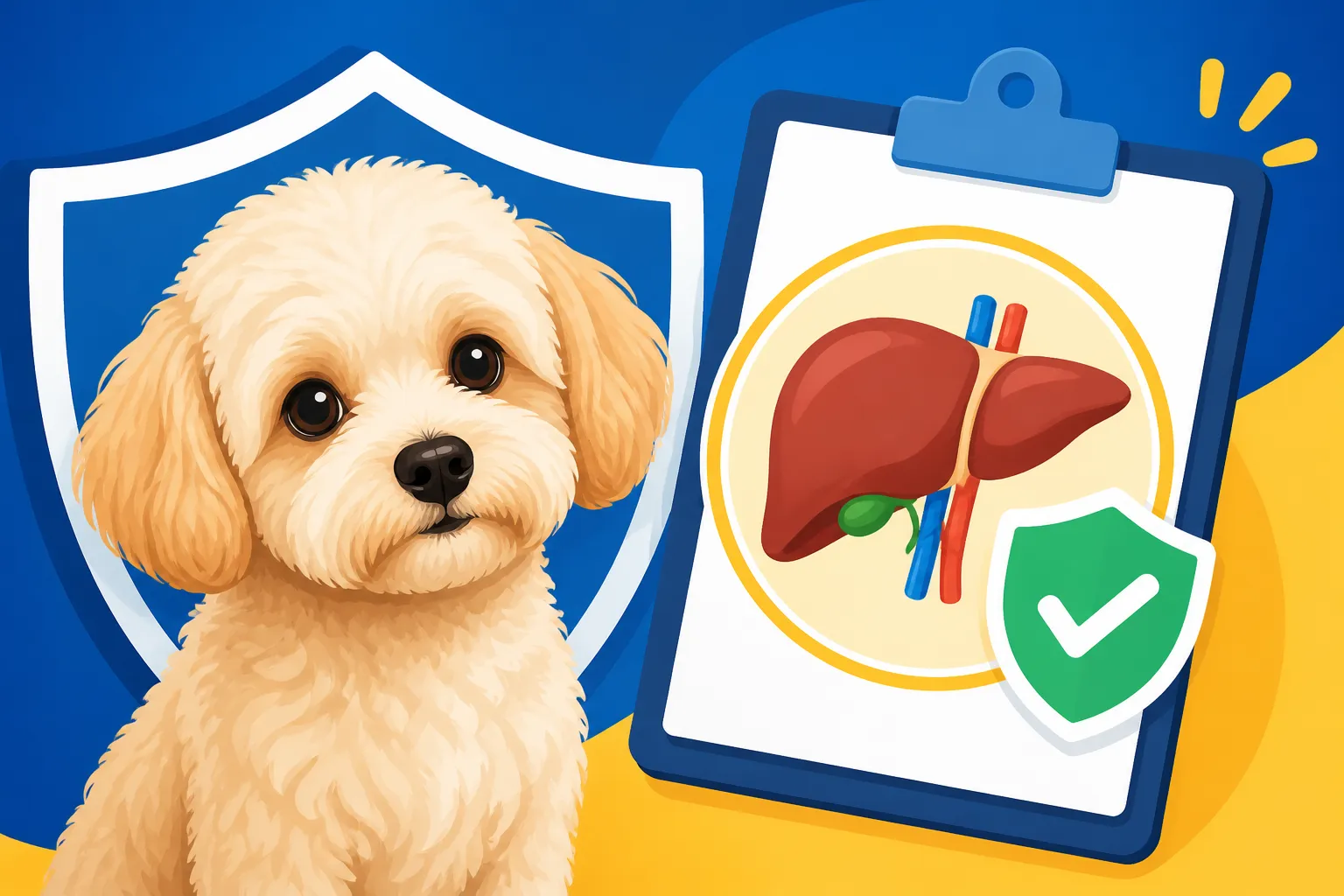
A portosystemic shunt, more commonly known as a liver shunt, is a congenital (present from birth) condition where an abnormal blood vessel allows blood to bypass the liver. Normally, the liver acts as a filter, removing toxins from the blood before it circulates throughout the body. When a shunt is present, these toxins, which can include ammonia, build up in the bloodstream, leading to a range of severe health problems.
Imagine your Maltipoo's body trying to function with unfiltered blood constantly flowing through it. Puppies with liver shunts often exhibit symptoms like poor growth, lethargy, vomiting, diarrhea, and sometimes even neurological issues such as disorientation, seizures, or a drunken gait, especially after eating. These signs can be subtle at first, easily mistaken for general puppy ailments or stress, but they progressively worsen without intervention. The severity can vary, but for many puppies, it's a life-threatening condition that requires significant medical attention. You can read more about this complex issue in our article on The Liver Shunt a Maltipoo Can Inherit From the Maltese.
Why Liver Shunts Are a Breeder's Difficult Challenge
For breeders, liver shunts present a unique and difficult challenge. While not all shunts are strictly genetic, there is a known predisposition in certain breeds, making it a condition that responsible breeders actively try to screen for and avoid. The fact that it's congenital means the puppy is born with it, a direct result of their breeding. This puts a significant ethical and financial burden on the breeder when a diagnosis occurs.
The diagnosis itself often involves specialized tests, like bile acid tests or sometimes even advanced imaging. If confirmed, treatment options range from lifelong dietary management and medication to complex and costly surgery to close the shunt. The expense associated with diagnosing and treating a liver shunt can be astronomical, potentially running into many thousands of dollars. This financial reality, coupled with the emotional stress of a sick puppy, is why specific clauses about congenital defects like liver shunts are so vital in a purchase contract. A breeder who has thoroughly screened their lines and provides clear, fair guarantees demonstrates a commitment not just to their puppies, but to the families who adopt them.
Deciphering Your Maltipoo's Health Contract
The purchase contract you sign with a breeder isn't just a receipt; it's a legally binding document that outlines the responsibilities of both parties. However, not all contracts are created equal, and understanding the fine print, especially regarding serious conditions like liver shunts, is crucial. Many owners assume a general "health guarantee" covers everything, only to find out it has significant limitations.
Standard vs. Specific Health Guarantees
Most reputable breeders will offer some form of health guarantee, but the scope of this guarantee can differ wildly.
-
Standard (or "Wellness") Guarantees: These are common and typically cover the initial few days or weeks after you bring your puppy home. They usually state that the puppy is free from contagious diseases and appears generally healthy upon arrival. You're almost always required to have a licensed veterinarian examine your puppy within a very short timeframe – often 48 to 72 hours – to validate this initial health. If a serious, obvious illness is found within this period, the contract might allow for a return, exchange, or partial refund. However, many congenital conditions, including some liver shunts, might not present clear symptoms within such a narrow window. A puppy might seem perfectly fine during this initial check, only for issues to emerge weeks or months later.
-
Genetic or Congenital Defect Guarantees: This is where the distinction becomes critical for conditions like liver shunts. A stronger contract will specifically address genetic or congenital defects. These guarantees typically last longer, often for one or two years, or sometimes even up to the puppy's full lifespan. They might promise to replace the puppy, offer a partial refund, or contribute to veterinary expenses if a life-threatening genetic condition is diagnosed by a certified veterinarian. It's important to look for explicit mention of congenital conditions, and ideally, a list of specific conditions that are covered, or a broad statement covering all life-threatening congenital defects. Without this specificity, a standard health guarantee is unlikely to cover the long-term implications and costs of a liver shunt.
The "Window of Opportunity" and the Hidden Illness
One of the biggest pitfalls in many pet contracts is the "window of opportunity" clause. This mandates a vet check within a very short period after purchase. For a liver shunt, this can be problematic. A puppy might have a shunt, but the symptoms may not be severe or obvious enough for a routine veterinary check to detect it at eight or ten weeks of age. Some shunts are mild and only cause intermittent symptoms, or they may worsen as the puppy grows and its body's demands increase.
Imagine bringing your puppy home, ecstatic. You take them for their vet check within three days, as the contract stipulates. The vet says they look good, maybe a bit shy, but otherwise healthy. You breathe a sigh of relief. Then, a few months down the line, your puppy starts exhibiting unusual neurological signs, or struggles to gain weight. After a battery of expensive tests, including a The Bile Acid Test a Maltipoo Puppy Should Have, the devastating diagnosis of a liver shunt is made. At this point, the initial "health guarantee" window has long closed, and you might find yourself without recourse, facing immense veterinary bills. This scenario is unfortunately common and highlights why detailed, long-term genetic guarantees are so important.
Common Limitations and Exclusions to Watch For
Even contracts with genetic guarantees often come with fine print that can limit their applicability. Here are some common limitations and exclusions:
- Replacement Only vs. Medical Costs: Many contracts will offer a replacement puppy if a covered condition is found, but they won't cover the cost of veterinary treatment for the original puppy. For many owners, the thought of returning a beloved, sick puppy is unthinkable. They want to treat their dog, not replace it. Ensure the contract specifies if medical costs are covered, and to what extent.
- Conditions Diagnosed After a Certain Age: As mentioned, a genetic guarantee might have an age limit, say, one or two years. A liver shunt diagnosed at 2.5 years, even if congenital, might fall outside this window.
- Requires Specific Testing: Some contracts might require specific, often expensive, diagnostic tests to confirm a genetic condition, and these tests themselves might not be covered.
- Proof of Continued Veterinary Care: Breeders often include clauses requiring you to provide proof of regular veterinary care (vaccinations, wellness checks) to keep the guarantee valid. This is reasonable but important to note.
- Exclusions for "Teacup" or "Tiny" Sizes: Some breeders, particularly those selling very small Maltipoos (often termed "teacup"), might have clauses that exclude certain health issues common in extremely small dogs, such as hypoglycemia or fragile bones, citing the inherent risks of breeding for tiny size. While a liver shunt isn't directly related to size, it's an example of how specific exclusions can appear. Read more about the implications of small size in Whether a Teacup Maltipoo Means Anything on a Maltipoo Medically.
Here’s a table summarizing what you might find in different types of breeder contracts:
| Contract Type | Typical Duration | Coverage for Liver Shunt (Likelihood) | Common Conditions Covered | Common Exclusions/Limitations |
|---|---|---|---|---|
| Standard Health/Wellness | 48-72 hours | Very Low | Parvo, Distemper, kennel cough | Congenital defects, conditions not apparent within 72 hours |
| Limited Genetic Guarantee | 6-12 months | Low to Moderate | Some genetic issues, but often vague | Conditions diagnosed after age limit, vet costs not included |
| Comprehensive Genetic Guarantee | 1-2 years (or more) | Moderate to High | Specific congenital defects (e.g., liver shunt, patella issues) | May require specific diagnostics, caps on medical cost reimbursement |
| No Written Contract | None | None | None | Everything |
What to Do If Your Contract Doesn't Cover a Liver Shunt
The unfortunate truth is that many Maltipoo owners find themselves with a diagnosis of a liver shunt, only to discover their contract offers little to no financial relief. This is a incredibly stressful situation, but there are steps you can take both before and after a diagnosis.
Proactive Steps Before Bringing Your Puppy Home
The best offense is a good defense, as they say. Before you even fall in love with a specific puppy, be an advocate for your future pet.
- Ask Direct Questions: Don't be shy. Ask the breeder specifically about their policy on congenital defects, particularly liver shunts. Ask if they perform bile acid tests on their breeding stock or puppies, or if they've ever had a puppy diagnosed with a shunt. A transparent breeder will appreciate your thoroughness. Ask to see documentation of health clearances for the parent dogs. This is part of The Four Certificates a Maltipoo Breeder Should Show.
- Demand a Written, Detailed Contract: Never purchase a puppy without a written contract. Ensure it clearly states what happens if a congenital defect like a liver shunt is diagnosed. Does it offer a full refund? A replacement puppy? A contribution to vet bills? What is the timeframe for such a claim? Be wary if a breeder tries to dismiss these concerns or offers only a verbal agreement.
- Understand the "As Is" Risk: If a breeder only offers a basic 48-72 hour health guarantee and no specific genetic coverage, you are essentially buying the puppy "as is" after that initial vet check. You assume all financial responsibility for any congenital conditions that develop later. This is a significant risk, especially for a breed prone to certain genetic issues. Sometimes, a suspiciously low price for a Maltipoo, such as The Maltipoo Advertised at Four Hundred Dollars, can be a red flag for a lack of comprehensive health guarantees.
- Consider Early Health Testing: A highly proactive step would be to discuss with your vet the possibility of a The Liver Shunt Test a Maltipoo Puppy Should Have soon after bringing your puppy home, within the initial health guarantee window, if you have strong concerns or if the contract is vague. This might be an added expense, but it could offer peace of mind or identify issues early.
Navigating a Liver Shunt Diagnosis with a Limited Contract
If you've already brought your Maltipoo home and received a liver shunt diagnosis, and your contract doesn't offer explicit coverage, the situation becomes more challenging.
- Review Your Contract Meticulously: Go over every single clause, even the ones that seemed irrelevant at first. Look for any ambiguity that might be interpreted in your favor. Note any specific timeframes or requirements you need to meet.
- Communicate with the Breeder: Even if the contract is weak, contact the breeder immediately. Present them with the veterinary diagnosis and any supporting documentation. Sometimes, a breeder may choose to help out of goodwill, even if not legally obligated. Their reputation is important, and they may wish to avoid negative publicity. Be polite but firm in your communication. Keep detailed records of all correspondence.
- Seek Legal Advice (With Caution): In some severe cases, if the financial burden is overwhelming and you believe the breeder was negligent or misrepresented the puppy's health, you might consider consulting an attorney. However, legal action can be very costly and time-consuming, often exceeding the cost of the puppy itself and potentially even the initial veterinary bills. Many pet owners find that the emotional toll and financial investment of a lawsuit are not worth the potential outcome, especially if the contract is clearly against them.
- Focus on Your Puppy's Care: Ultimately, your primary concern will be your Maltipoo's well-being. Work closely with your veterinarian to understand all treatment options, from dietary management and medications to surgery. Getting a second opinion from a specialist might be wise given the complexity of the condition.
The Lifesaving Role of Pet Insurance
This brings us to one of the most crucial safeguards: pet insurance. While it won't retroactively cover a pre-existing condition, it's an absolute lifesaver for future unexpected health crises. If you enroll your Maltipoo puppy in a comprehensive pet insurance plan before any symptoms of a liver shunt appear or before it's officially diagnosed, there's a good chance it could be covered.
Companies like Healthy Paws offer robust plans that cover accidents and illnesses, which would typically include conditions like liver shunts if they are not pre-existing. The key is to get insurance early, ideally the week you bring your puppy home, so that any waiting periods pass before potential issues arise. Many owners realize the value of pet insurance only after facing a massive vet bill, lamenting that they wish they had signed up earlier. Think of it like homeowner's insurance; you hope you never need it, but you're profoundly grateful when you do. Read our comprehensive guide on Insuring a Maltipoo Before Its Knees Go to understand more about getting pet insurance for your dog.
Beyond insurance, ensure you have reliable sources for your Maltipoo's daily needs. Retailers like Chewy offer a wide range of specialized diets that might be recommended for a dog with a liver shunt, and services like Ollie provide fresh, human-grade food which some owners prefer for dogs with sensitive systems. Having access to these resources can make managing a complex health condition a bit easier.
Beyond the Contract: Your Options and Responsibilities
When faced with a liver shunt diagnosis, the contract's limitations can feel like a dead end. However, your journey with your Maltipoo is far from over. There are still many avenues to explore for their care and for your own well-being.
Medical Management and Treatment Costs
A liver shunt diagnosis often means embarking on a significant medical journey. For some Maltipoos, particularly those with less severe shunts, medical management can be effective. This typically involves a low-protein, liver-friendly diet to reduce the production of toxins, along with medications like lactulose (to reduce ammonia absorption) and antibiotics (to manage gut bacteria). This is a lifelong commitment, and while it might keep costs lower than surgery initially, the ongoing expenses for prescription food and medications can add up over time.
For many, however, surgery is the best, if not only, option for a long-term positive outcome. Liver shunt surgery is a specialized procedure, often performed by a veterinary surgeon, to either ligate (tie off) or attenuate (constrict) the abnormal blood vessel. The goal is to redirect blood flow through the liver. This surgery is complex and requires meticulous post-operative care. The costs associated with such a procedure are substantial, easily reaching several thousand dollars, and that's before accounting for pre-surgical diagnostics, specialist consultations, and recovery care. You can delve deeper into the specifics in our articles on What Shunt Surgery Costs on a Maltipoo and Whether Shunt Surgery Works on a Maltipoo. Anesthesia itself can be a concern for small dogs; consider our insights on Whether a Maltipoo Under Four Pounds Survives Anesthesia.
The Emotional and Financial Toll
It's impossible to discuss serious health issues like liver shunts without acknowledging the profound emotional and financial toll they take on owners. The initial joy of a new puppy is replaced by worry, stress, and guilt. The financial strain can be immense, forcing owners to make difficult decisions about their pet's care. It’s natural to feel overwhelmed, frustrated, and even angry at the situation, especially if you feel unprotected by your breeder's contract.
Remember, these feelings are valid. You're not just dealing with a sick pet; you're dealing with a significant emotional and financial crisis. It's okay to grieve the loss of the "healthy puppy" dream and to feel the weight of the responsibility. Many owners find themselves dipping into savings, opening credit lines, or even crowdfunding to cover the costs, hoping for the best for their furry companion. The thought of losing your puppy, or having to put them through immense medical intervention at a young age, is truly heartbreaking.
Finding Support and Resources
You don't have to face this challenge alone. There are resources available that can offer support, both emotional and practical:
- Veterinary Team: Your vet is your most important ally. Don't hesitate to ask questions, explore all options, and discuss payment plans or financial assistance programs they might be aware of.
- Online Communities and Support Groups: Many online forums and social media groups dedicated to Maltipoo owners or specific health conditions like liver shunts exist. Connecting with others who have gone through similar experiences can provide invaluable emotional support, practical advice, and sometimes even recommendations for specialists.
- Breed-Specific Rescues: While your Maltipoo isn't a purebred, Maltese rescues and Poodle rescues sometimes assist with Maltipoo health issues, or they may be able to direct you to organizations that help with vet bills for specific conditions. These groups often have networks of experienced volunteers and can offer guidance.
- Financial Aid Programs: In some areas, there are charitable organizations that offer financial assistance for pet owners facing large veterinary bills. These are often disease-specific or income-based, so it’s worth researching what’s available in your region.
Facing a liver shunt diagnosis is incredibly tough, and a weak contract only adds to the burden. However, with careful planning, proactive questions, and a robust pet insurance policy, you can be better prepared to navigate whatever health challenges your beloved Maltipoo may face. The bond you share with your dog is priceless, and understanding how to protect their health – and your peace of mind – is part of being a responsible and loving owner.
Disclaimer
This article is for general informational purposes only and does not constitute professional advice. Laws, prices and regulations vary by location and change over time. Consult a qualified professional for guidance on your specific situation.