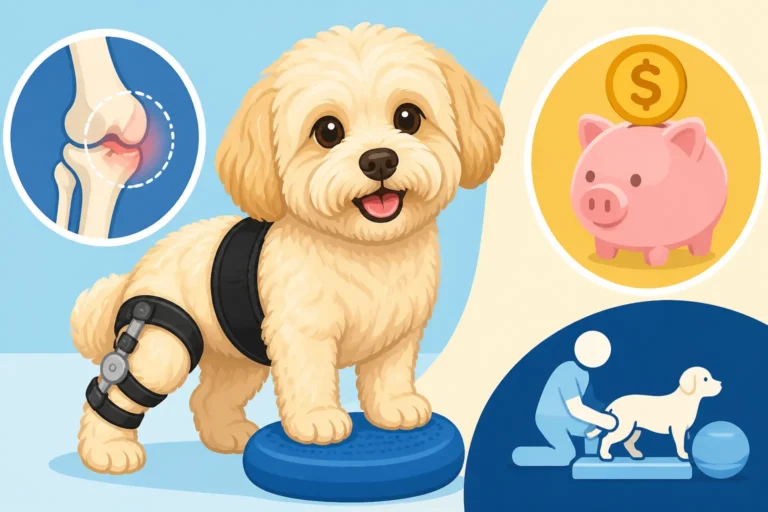
The Health Testing a Maltipoo Price Should Cover
It's incredibly frustrating when you're excitedly looking for a Maltipoo puppy, only to find wildly varying prices and conflicting information about what those prices actually cover. Many prospective owners get caught up in the allure of a cute face and a lower price tag, not realizing that a "bargain" often means cutting corners on crucial health testing. This guide aims to demystify what health testing truly means for a Maltipoo and why a higher upfront cost for a well-bred puppy is an investment in a healthier, happier future for your furry family member.
Understanding the Maltipoo Price Tag: More Than Just "Cute"
Bringing a Maltipoo into your life is a significant decision, and naturally, one of the first things people look at is the price. It's easy to see a huge range, from what seems like an unbelievably low figure to prices that feel like buying a small car. This wide variance often stems from what, or what isn't, included in that initial price. Many people don't realize that a significant portion of a responsible breeder's cost goes into ensuring the health and genetic soundness of their puppies long before they ever leave for their new homes.
The Temptation of a "Bargain" Puppy
Who doesn't love a good deal? The problem is, when it comes to living, breathing creatures like Maltipoo puppies, a "bargain" can quickly turn into a financial and emotional nightmare down the line. It's so tempting to choose the puppy that's a few hundred or even a thousand dollars less than others you've seen. You might think, "They're all just puppies, right? How different can they be?" But this is where the critical difference lies. Breeders who sell puppies for significantly less might be skipping essential steps, such as proper veterinary care for the parents, quality nutrition, socialization, and most importantly, health testing. These shortcuts might save a breeder money initially, but they offload a massive potential burden onto the unsuspecting new owner. You could end up with a puppy prone to serious, expensive, and heartbreaking health issues that could have been screened for and avoided.
Why Health Testing Adds Value (and Cost)
Think of health testing as preventative maintenance for a living being. Just like you wouldn't buy a car without knowing its service history or an appliance without a warranty, investing in a Maltipoo from health-tested parents is about minimizing future risks. The Maltese and Poodle, the parent breeds of the Maltipoo, are predisposed to certain genetic conditions. Responsible breeders diligently screen their breeding dogs for these conditions before they breed them. This involves specialized tests, vet consultations, and sometimes genetic panels, all of which come with their own costs. These costs are then naturally factored into the puppy's price. However, this upfront investment is designed to save you potentially thousands of dollars in vet bills, surgeries, medications, and emotional distress over the lifetime of your dog. It's about ensuring that your Maltipoo has the best possible chance at a long, healthy life.
Essential Health Tests for the Poodle Parent
The Poodle half of your Maltipoo brings many wonderful traits, including intelligence and that lovely non-shedding coat. However, Poodles also carry genetic predispositions to certain health conditions that a responsible breeder should screen for. Understanding these tests gives you the power to ask informed questions and ensure your potential puppy comes from a solid foundation.
Eye Health: PRA and Other Concerns
Progressive Retinal Atrophy (PRA) is a degenerative eye disease that can lead to blindness in Poodles, and therefore, in Maltipoos. There are different forms of PRA, with prcd-PRA being one of the most common. A reputable breeder will have their Poodle breeding stock tested for this condition. This is typically a DNA test that can determine if a dog is clear, a carrier, or affected. A "clear" result means the dog does not carry the gene for prcd-PRA and cannot pass it on to offspring. Understanding The Retinal Disease a Maltipoo Gets From the Poodle is crucial for prospective owners. Beyond PRA, regular veterinary eye exams by a board-certified veterinary ophthalmologist are also common for breeding Poodles to check for other inherited eye conditions like cataracts or glaucoma, even if they aren't directly genetic DNA tests. These exams are important because they can catch issues before they become severe, and ensure that only dogs with healthy eyes are part of the breeding program.
Orthopedic Screening: Patellar Luxation and Legg-Calve-Perthes
Small breeds, including Poodles, can be prone to orthopedic issues, with patellar luxation being a primary concern. This condition, often referred to as "slipping kneecaps," is when the kneecap (patella) moves out of its normal groove. It can range from mild, causing an occasional skip in your dog's gait, to severe, requiring surgical correction. Breeders should have their Poodle parents evaluated by a veterinarian who can manually assess the patellas and assign a grade. You can learn more about Slipping Kneecaps in a Maltipoo and The Four Patella Grades and Where a Maltipoo Lands. Another orthopedic concern is Legg-Calve-Perthes disease, a condition affecting the hip joint where the head of the femur degenerates. While less common than patellar luxation, it's still a concern in smaller breeds. Reputable breeders may screen for this through X-rays and careful physical examinations. These screenings help ensure that parents are structurally sound and less likely to pass on these painful conditions to their puppies.
Genetic Conditions to Look For
Beyond eyes and orthopedics, there are several other genetic conditions common in Poodles that a thorough breeder will screen for. Von Willebrand's Disease (vWD) is a bleeding disorder, similar to hemophilia in humans. A simple DNA test can identify if a dog is clear, a carrier, or affected. Thyroid disease, specifically autoimmune thyroiditis, is another concern. While often diagnosed later in life, breeding dogs can be screened for thyroid function to ensure healthy levels. While less common in Toy Poodles, Addison's disease (hypoadrenocorticism) can also affect the breed. Responsible breeders keep track of their lines and may perform testing if there's a history in their dogs. Being proactive with these genetic screenings greatly reduces the risk of your Maltipoo developing these complex and often lifelong conditions, saving you untold stress and financial burden later on.
Crucial Health Screenings for the Maltese Parent
The Maltese parent contributes that famously luxurious coat and a sweet, affectionate disposition to the Maltipoo. Like the Poodle, the Maltese also has its own set of health concerns that diligent breeders will address through testing, primarily focusing on liver, dental, and cardiac health.
Liver Health: Portosystemic Shunt
One of the most significant health concerns associated with the Maltese breed is a Portosystemic Shunt (PSS), often simply called a liver shunt. This is a congenital condition where an abnormal blood vessel allows blood to bypass the liver, preventing toxins from being filtered out. Symptoms can range from poor growth and neurological issues to seizures. It's a serious condition that can be life-threatening and often requires complex and costly surgery. A responsible breeder should have their Maltese breeding dogs, and ideally their puppies, screened for liver shunts. The most common screening method for puppies is a bile acid test. You should definitely ask The Liver Shunt Test a Maltipoo Puppy Should Have and understand The Liver Shunt a Maltipoo Can Inherit From the Maltese. This test helps identify puppies at risk, allowing for early intervention and ensuring that affected dogs are not bred.
Dental Health Predispositions
While not a "test" in the same way as a genetic panel, a good breeder is acutely aware of the dental challenges faced by small breeds like the Maltese. Their tiny mouths can be overcrowded, leading to retained puppy teeth and rapid tartar buildup. While you might wonder about The Forty Two Teeth Crowding a Maltipoo's Jaw, this isn't about specific genetic tests as much as it is about careful observation and proactive care. Breeders should examine their breeding dogs' mouths regularly for signs of overcrowding, malocclusion (improper bite), and dental disease. They should also provide appropriate dental care, ensuring their breeding dogs have healthy mouths. While most dental issues manifest over time, a breeder who prioritizes dental health in their breeding stock is showing a commitment to the overall well-being of their line. Early intervention and good dental hygiene practices from puppyhood can make a huge difference in preventing severe dental disease, which can lead to other systemic health problems.
Cardiac Concerns: Mitral Valve Disease
Heart conditions, particularly Mitral Valve Disease (MVD), are a concern in many small breeds, including the Maltese. MVD is a progressive condition where the mitral valve in the heart weakens and doesn't close properly, leading to a "leak" and eventually heart failure. While MVD is often an age-related condition, there can be a hereditary component that predisposes some dogs to develop it earlier or more severely. Responsible breeders will have their Maltese breeding dogs undergo regular cardiac examinations by a veterinary cardiologist. This typically involves auscultation (listening to the heart) for murmurs and potentially echocardiograms (ultrasounds of the heart) to assess valve function. Ensuring that breeding dogs have healthy hearts helps reduce the likelihood of passing on predispositions to heart conditions that can significantly impact a Maltipoo's quality of life and longevity.
Beyond Parentage: Maltipoo-Specific Considerations
While specific health tests often tie back to the parent breeds, some considerations are particularly relevant due to the Maltipoo's small size, especially the "teacup" varieties. These aren't always about specific genetic tests, but about understanding inherent vulnerabilities and how a responsible breeder manages them.
Hypoglycemia Risk in Puppies
One of the most critical concerns for tiny Maltipoo puppies, especially those under five pounds, is hypoglycemia, or low blood sugar. Their small bodies have less fat and muscle reserves to maintain stable blood sugar levels, making them vulnerable to crashing if they don't eat regularly or experience stress. This isn't a genetic disease that can be "tested" for in the parents, but rather a physiological vulnerability due to size. A good breeder will be hyper-vigilant about preventing hypoglycemia in their puppies, providing frequent small meals and educating new owners thoroughly. Knowing about Hypoglycemia and the Teacup Maltipoo Puppy and Why a Two Pound Maltipoo Cannot Skip a Meal is paramount. If you've ever wondered What an Emergency Sugar Crash Costs a Maltipoo Owner, it can be a significant and terrifying expense, highlighting why a breeder who understands and manages this risk is invaluable.
Tracheal Health
Collapsing trachea is another condition often seen in small breeds, and Maltipoos are no exception. This is where the cartilage rings of the trachea (windpipe) weaken and flatten, making it difficult for the dog to breathe. It often presents as a characteristic "honking" cough, especially when excited, pulling on a collar, or drinking water too quickly. While there isn't a definitive genetic test for tracheal collapse, breeders should be aware of any history of the condition in their lines. They should also advise new owners on preventative measures, such as using a harness instead of a collar to protect the delicate windpipe. Read more about Collapsing Trachea in a Maltipoo's Neck for comprehensive information. A breeder who minimizes stress on the trachea during handling and transportation demonstrates good care practices, even if they can't "test" directly for the condition in their breeding dogs.
Understanding the Open Fontanel
Some tiny Maltipoo puppies, particularly those leaning more towards the Maltese side or exceptionally small individuals, may have an open fontanel, sometimes referred to as a "soft spot" on their skull. This is similar to a baby's soft spot. While it often closes as the puppy matures, in some cases, especially in very tiny dogs, it may remain open or be larger than ideal. An open fontanel can make the puppy more vulnerable to head injuries. Again, this isn't something that breeders "test" for in the same way as a genetic disease, but a careful vet examination of puppies before placement should note if a fontanel is open and assess its size. A breeder should be transparent about this and guide owners on appropriate handling and protection for a puppy with this delicate feature. This awareness is especially important when considering Whether a Maltipoo Under Four Pounds Survives Anesthesia, as tiny dogs require specialized care.
What a Reputable Breeder Should Provide
So, you understand why health testing is important. Now, what does that look like in practice? A reputable Maltipoo breeder won't just tell you they do health testing; they'll be eager to show you the proof. This transparency is a hallmark of someone who genuinely cares about the health of their puppies and their future families.
Proof of Parentage Health Clearances
When you inquire about a puppy, a responsible breeder should be able to provide documentation for the health clearances of both the Maltese and Poodle parents. This isn't just a vague assurance; it's actual paperwork. For genetic tests like PRA or vWD, this means printed reports from veterinary genetics laboratories, clearly stating the parent dog's name, microchip number, and the results (e.g., "Clear," "Carrier"). For orthopedic evaluations like patellar luxation, you should see official veterinary examination forms or certifications that state the grade of the patellas. For cardiac and eye exams by specialists, you'll see reports signed by the board-certified veterinary ophthalmologist or cardiologist. Don't be shy about asking to see these documents. A breeder who hesitates or makes excuses is a red flag. They should be proud to show you how much care and expense they've invested in their breeding program. For example, if they're testing for liver shunts, you'd want to see documentation that supports bile acid testing.
The Health Guarantee: What to Look For
Beyond showing you the parentage health clearances, a reputable breeder will offer a written health guarantee with your puppy. This guarantee should typically cover genetic conditions for a specified period, often one to two years. It should clearly outline what happens if a puppy develops a covered genetic disease within that timeframe. Some guarantees might offer a replacement puppy, while others might offer partial reimbursement for veterinary costs. Be realistic about what a health guarantee can cover; it can't guarantee a dog will never get sick, but it should protect you against inherited diseases that should have been screened for. Read the guarantee carefully and ask for clarification on any points you don't understand. A good guarantee is a sign that the breeder stands behind their puppies and is confident in their breeding practices. Make sure you understand the terms, especially if the guarantee discusses conditions like Whether a Maltipoo's Kneecap Needs Operating or other surgical needs.
Asking the Right Questions
Part of your due diligence as a prospective owner is asking the right questions. Don't feel like you're being intrusive; you're making a long-term commitment. In addition to asking to see health clearances, inquire about the breeder's philosophy on health and genetic diversity. Ask about the health history of previous litters from the same parents. What are their vaccination protocols for puppies? How do they handle socialization? What kind of food do they feed (many responsible breeders feed high-quality diets like those from Ollie or purchase premium kibble from retailers like Chewy)? A breeder should be happy to answer these questions thoughtfully and thoroughly. They should also ask you plenty of questions to ensure their puppy is going to a good home. This two-way interview process is essential for a successful placement and shows that the breeder prioritizes their puppies' well-being over a quick sale.
| Health Concern | Parent Breed Origin (Typical) | Type of Screening/Test | What a Breeder Provides |
|---|---|---|---|
| Progressive Retinal Atrophy (PRA) | Poodle | DNA Test | Genetic lab report (Clear/Carrier/Affected) |
| Patellar Luxation | Poodle/Maltese (Small breeds in general) | Veterinary Physical Exam | OFA or vet certification with grade |
| Portosystemic Shunt (PSS) | Maltese | Bile Acid Test (Puppies) | Lab results showing bile acid levels |
| Von Willebrand's Disease (vWD) | Poodle | DNA Test | Genetic lab report (Clear/Carrier/Affected) |
| Cardiac Health (e.g., MVD) | Maltese | Veterinary Cardiology Exam (Auscultation/Echo) | Cardiologist report (clear/murmur noted) |
| Dental Structure/Health | Maltese (Small breeds in general) | Visual Inspection, Vet Check | Vet check noting dental health, breeder observations |
The Cost of Not Testing: A Hidden Financial Burden
It's tempting to save money upfront by choosing a cheaper Maltipoo puppy from a breeder who doesn't emphasize health testing. However, this "saving" is almost always short-sighted and can lead to significantly higher costs – both financial and emotional – down the road. What you save on the purchase price, you could easily pay back tenfold in veterinary bills and heartache.
Emergency Vet Visits and Ongoing Treatment
When a puppy from untested parents develops a genetic condition, the costs can be astronomical. Imagine discovering your Maltipoo has a severe liver shunt, requiring specialized surgery and lifelong dietary management. Or perhaps chronic patellar luxation that needs expensive orthopedic surgery, potentially on both knees, followed by rehabilitation. Conditions like severe PRA leading to blindness might not require surgery, but they necessitate significant adjustments to your home and lifestyle. These aren't just one-off vet visits; they can involve extensive diagnostics, specialist consultations, medications, physical therapy, and even emergency care if symptoms become acute. Many of these issues begin to manifest as the puppy grows, well past the point of a typical breeder's general health guarantee. Having a good pet insurance plan from providers like Healthy Paws can certainly help mitigate some of these costs, but a pre-existing condition (which inherited diseases often are if not identified early) can be excluded from coverage.
The Emotional Toll of Illness
Beyond the financial strain, dealing with a chronically ill or genetically compromised pet takes a profound emotional toll. Watching your beloved Maltipoo suffer through pain, discomfort, or loss of sight is heartbreaking. The stress of constant vet appointments, administering medications, and the worry about their future can impact your entire family. It can strain relationships and create immense anxiety. The joy you anticipated from your new puppy can be overshadowed by the burden of their health issues. Many owners find themselves facing agonizing decisions about quality of life and costly treatments that they are not financially or emotionally prepared for. This is the hidden cost that far outweighs any initial savings on the puppy's purchase price.
Investing in Prevention
Choosing a Maltipoo from health-tested parents is an investment in prevention. It doesn't guarantee a completely problem-free life – no living creature comes with such an assurance – but it significantly stacks the odds in your favor. It means the breeder has actively tried to eliminate known genetic risks from their lines. This thoughtful approach reduces the likelihood of encountering devastating and expensive health issues. When you factor in potential surgical costs, long-term medication, specialized diets, and the emotional impact of a sick pet, paying a bit more upfront for a health-tested puppy starts to look like the most economical and humane choice in the long run. It's about giving your Maltipoo the best possible start and ensuring you can enjoy many happy, healthy years together, rather than spending them at the vet's office.
Disclaimer
This article is for general informational purposes only and does not constitute professional advice. Laws, prices and regulations vary by location and change over time. Consult a qualified professional for guidance on your specific situation.