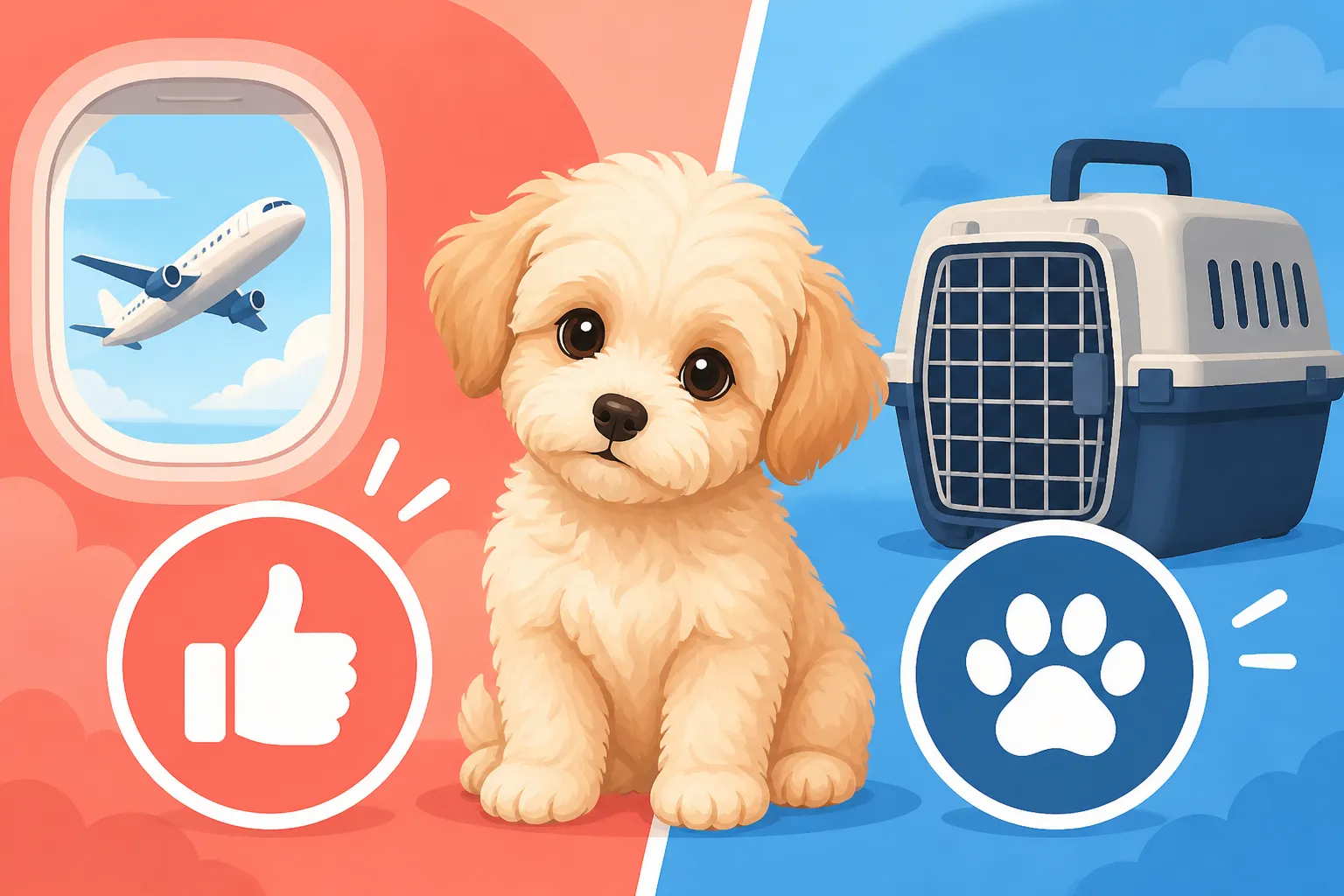
Whether a Maltipoo Puppy Should Fly
Bringing home a new Maltipoo puppy is an incredibly exciting time, full of dreams of cuddles and playtime. But for many, especially those who live far from their breeder, the question of how to get that precious little fluffball home quickly turns into a serious dilemma: should a Maltipoo puppy fly? The truth is, while it might seem like the quickest and most convenient option, putting a tiny, vulnerable Maltipoo puppy on a plane carries significant risks that every prospective owner needs to understand before making such a critical decision.
The Unique Vulnerabilities of a Maltipoo Puppy During Air Travel
When you're considering air travel for any puppy, it's essential to remember that they are not just tiny versions of adult dogs. They have underdeveloped immune systems, fragile bodies, and specific needs that make air travel, especially solo, a genuinely risky proposition. For a Maltipoo, these risks are often amplified due to their small size and genetic predispositions.
Hypoglycemia Risk and Stress
One of the biggest concerns for a young Maltipoo puppy is hypoglycemia, or dangerously low blood sugar. These tiny little dogs, especially those under five pounds, have very little fat reserves and can burn through their energy stores incredibly quickly. Missing even one meal or enduring prolonged stress can send their blood sugar plummeting, leading to a life-threatening emergency. Why a Two Pound Maltipoo Cannot Skip a Meal goes into detail on just how critical regular feeding is.
Imagine a Maltipoo puppy, maybe just eight to ten weeks old, taken from the only home it's ever known. It's placed in a carrier, subjected to strange noises, unfamiliar smells, and the loud, rumbling vibrations of an airport and an airplane. This alone is a massive stressor. Add to that the potential for delays, missed feedings, or just the inability to settle and eat in such an environment, and you have a recipe for disaster. A puppy might refuse to eat due to anxiety, or simply burn more calories trying to cope with the new environment. This can quickly trigger a hypoglycemic episode, which can manifest as lethargy, wobbliness, disorientation, and in severe cases, seizures and coma. You can learn more about What a Hypoglycemic Episode Looks Like in a Maltipoo to recognize the signs.
Respiratory Concerns and Small Size
Maltipoos, inheriting traits from both Maltese and Poodles, can be prone to respiratory sensitivities. One notable concern, particularly in smaller breeds, is a collapsing trachea. While more commonly seen in older dogs, the stress and potential constriction of a travel carrier, especially if the puppy is struggling or if the carrier isn't perfectly sized, could exacerbate any underlying tracheal weakness.
The air pressure changes during flight, coupled with the recirculated air in the cabin (or worse, the fluctuating temperatures and air quality in cargo), can put undue strain on a puppy's delicate respiratory system. Their tiny lungs are just not as robust as those of a fully grown, larger dog. A puppy might also experience motion sickness, leading to vomiting, which can further dehydrate them and compromise their health during a journey where immediate veterinary care is impossible. Understanding conditions like Collapsing Trachea in a Maltipoo's Neck helps highlight the fragility of their airways.
Temperature Regulation Challenges
Another significant challenge for very small dogs like Maltipoos is their inability to effectively regulate their body temperature. Puppies, in general, are not great at this, but a tiny Maltipoo has a much higher surface-area-to-volume ratio than a larger dog, meaning they lose heat much faster. Whether a Small Maltipoo Regulates Its Temperature explains this in more depth.
In an airport terminal, a climate-controlled cabin, or, most dangerously, an unheated or overheated cargo hold, a Maltipoo puppy can quickly become hypothermic or suffer from heatstroke. A draft from an air vent, a delay on the tarmac, or even just the ambient temperature being slightly off can be perilous. They can't just put on a sweater or shed a layer; they rely entirely on their environment and their human caretakers to maintain a safe body temperature. This constant vulnerability makes any travel scenario without direct, constant supervision incredibly risky.
Airline Policies and the Reality of Pet Travel
Navigating airline policies for pet travel can feel like a labyrinth, and for good reason—airlines have strict rules that often don't truly account for the specific fragility of a young Maltipoo puppy. It's not just about booking a ticket; it's about understanding the nuances of their regulations and how they apply to such a vulnerable passenger.
Cabin vs. Cargo: A Stark Choice
For small dogs, most airlines offer two primary ways to travel: in the cabin with you, or in cargo. For a Maltipoo puppy, the choice is clear: if flying is absolutely unavoidable, the cabin is the only option that offers a semblance of safety.
- In-Cabin Travel: This means your puppy travels with you, under the seat in front of you, in an approved carrier. The critical advantage here is that you are present. You can monitor their breathing, offer comfort, and provide small amounts of water or food if allowed and if they are willing to take it. You have some control over their immediate environment. However, even in the cabin, puppies are confined, subjected to noise, pressure changes, and the inability to go to the bathroom for hours. This is still a significant stressor for an eight-week-old Maltipoo.
- Cargo Travel: This is almost universally discouraged for Maltipoo puppies. In cargo, your puppy would be placed in a pressurized, climate-controlled (theoretically) hold beneath the passenger cabin. They would be alone, often exposed to extreme temperatures during tarmac transfers, loud noises, and the movements of other baggage. The "climate control" can be unreliable, and if something goes wrong, no one is there to help your puppy until the plane lands. The risk of injury, illness, and even death is significantly higher in cargo, especially for tiny breeds prone to Hypoglycemia and the Teacup Maltipoo Puppy. Many airlines also have seasonal restrictions for live animal cargo due to temperature extremes, which could ground your puppy's travel plans unexpectedly.
Breed and Size Restrictions
Airlines have stringent rules about the size and weight of carriers allowed in the cabin, and therefore the size of the dog that can fit comfortably inside. While Maltipoos are small, it's crucial to check the exact dimensions for your specific airline and the aircraft you'll be flying on, as these can vary. Your Maltipoo puppy needs to be able to stand up, turn around, and lie down naturally within the carrier.
Furthermore, some airlines have outright breed restrictions, often targeting brachycephalic (short-nosed) breeds like Pugs or Bulldogs due to their breathing difficulties. While Maltipoos typically don't fall into this category, if your particular puppy has a very short snout (more like the Maltese side), or if they are extremely small and fragile, some airlines or even individual gate agents might deem them too vulnerable to fly. It's always best to call the airline directly and get specific policies in writing or noted on your booking.
Age and Health Requirements
Most airlines and states require puppies to be at least eight weeks old, sometimes even older (like ten or twelve weeks), to fly. This is primarily for their health and ability to withstand the stress. More importantly, puppies typically need a health certificate issued by a licensed veterinarian within a short window (usually 10 days) of travel, confirming they are healthy enough to fly and free from contagious diseases. This vet visit is critical, but it's just a snapshot of health, not a guarantee against the unexpected.
For a young Maltipoo puppy, whose immune system is still developing, being exposed to an airport environment with countless people and other animals also presents a risk of contracting illnesses like kennel cough or parvovirus. Puppies usually haven't completed their full series of vaccinations by eight or ten weeks, leaving them more susceptible. The cost and stress of potential vet emergencies after travel can be significant, as detailed in What an Emergency Sugar Crash Costs a Maltipoo Owner.
Safer Alternatives to Flying Your Maltipoo Puppy
Given the multitude of risks associated with flying a tiny Maltipoo puppy, it's understandable why many reputable breeders and experienced owners strongly advocate for alternative transportation methods. These options prioritize the puppy's health and well-being, which should always be the top concern.
Driving Yourself: The Gold Standard
If possible, driving to pick up your Maltipoo puppy is, hands down, the safest and least stressful option. It gives you complete control over the journey and allows for immediate response to your puppy's needs.
Here’s why driving is so much better:
- Regular Breaks: You can stop as often as needed for potty breaks, feeding times, and comfort. You control the schedule, not an airline. This is crucial to prevent Whether Stress Triggers a Maltipoo's Sugar Crash.
- Constant Monitoring: Your puppy can be in a secure crate or carrier right beside you, allowing you to see and hear them at all times. You can easily offer water, a small meal, or just a reassuring touch.
- Temperature Control: Your car's climate control means your puppy stays warm in winter and cool in summer, avoiding the extreme temperature fluctuations of an airport tarmac.
- Familiarity: You can pack familiar blankets, toys, and even a t-shirt with your scent on it to make the carrier feel more secure and less overwhelming for the puppy.
- Emergency Preparedness: You can easily keep an emergency kit handy, including high-calorie nutritional paste like Nutri-Cal (essential for preventing hypoglycemia, as discussed in Keeping Nutri-Cal on Hand for a Maltipoo Puppy), water, food, and basic first aid supplies.
Before you set out, make sure your vehicle is prepared. Line the carrier with absorbent pads, have plenty of fresh water, and pre-measure meals. Plan your route to include pet-friendly rest stops. This journey becomes the first bonding experience, rather than a harrowing ordeal.
Professional Ground Transport
For distances too far to drive yourself, or if you simply cannot take the time off, a professional ground transport service specializing in live animal transport can be an excellent alternative. These services are specifically designed to minimize stress and maximize safety for pets.
What to look for in a good ground transport service:
- Pet-Specific Vehicles: Look for services that use climate-controlled vans or cars, not just regular vehicles. They often have crates secured safely and comfortable bedding.
- Experienced Handlers: Professional transporters are trained to recognize signs of stress or illness in animals. They know how to handle puppies, ensure regular feeding and potty breaks, and provide comfort.
- Limited Animals: The best services transport a limited number of animals at a time, often prioritizing individual attention. Avoid services that pack many animals into one vehicle without proper supervision or space.
- Reputation and References: Always check reviews, ask for references, and ensure they are insured and licensed. A truly professional service will be transparent about their procedures and experience.
While this option can be more expensive than flying, the peace of mind knowing your Maltipoo puppy is traveling safely and comfortably, with someone dedicated to their well-being, is often worth the investment. It minimizes the risks that flying presents to their delicate system.
Breeder Pick-Up or Nanny Service
Some breeders offer to personally deliver puppies, especially if they are traveling to a dog show or have other business in your area. This is a fantastic option as the puppy is with someone it knows and trusts, who understands its routine and needs.
Another, albeit often costly, option is a "pet nanny" service. This involves a person flying with your puppy in the cabin as their personal carry-on. The nanny handles all the logistics, ensures the puppy is comfortable, and provides constant supervision. The puppy never leaves their sight, receives regular attention, and avoids the stress of being handled by multiple airport staff or being left alone in cargo. While a luxury service, for those who prioritize the absolute least stressful journey, it's an option to consider.
Preparing for Any Necessary Travel
Sometimes, despite all the best intentions, flying is the only feasible option for bringing your Maltipoo puppy home. In such cases, meticulous preparation is not just recommended, it's absolutely critical for mitigating risks. While no amount of preparation can eliminate all the inherent dangers of air travel for a vulnerable puppy, it can significantly improve their chances of a safer journey.
Vet Check and Documentation
This is your first, and arguably most important, step. Schedule a comprehensive veterinary check-up for your Maltipoo puppy within 7-10 days of your travel date. The veterinarian will assess the puppy's overall health, check for any signs of illness, and ensure all vaccinations are up to date (or as up to date as they can be for their age). This visit is where you’ll obtain the mandatory health certificate required by the airline and any specific state regulations.
During this visit, discuss the travel plans in detail with your vet. Ask about potential risks like Whether Stress Triggers a Maltipoo's Sugar Crash and how to prevent it. Your vet can provide specific advice on keeping your puppy calm and healthy during the journey. Ensure your puppy is also microchipped before travel, as this provides a vital form of identification should they become separated from you, and update the registration with your contact information immediately. It's a small step that offers a huge layer of security.
Carrier Preparation and Comfort
The travel carrier will be your Maltipoo's safe haven during the journey, so making it as comfortable and secure as possible is paramount. Choose an airline-approved soft-sided carrier that fits under the seat in front of you. It must be well-ventilated and large enough for your puppy to stand, turn around, and lie down comfortably without being cramped.
Here’s how to set up the ultimate travel den:
- Familiar Scents: Line the carrier with a soft blanket or towel that smells like their previous home or their littermates. This familiar scent can provide immense comfort and reduce anxiety. Add a small, favorite toy.
- Absorbent Layers: Place an absorbent pee pad underneath the bedding in case of accidents. Even a house-trained puppy can have an accident due to stress or fear.
- Hydration: Attach a small, spill-proof water bottle to the inside of the carrier door. While in the air, you can discreetly offer water by opening the dispenser spout. Avoid a bowl of water, as it will surely spill.
- Identification: Clearly label the carrier with your name, phone number, and destination address. Attach a "Live Animal" tag if the airline doesn't provide one, and include a picture of your puppy.
Consider letting your puppy spend some time in the carrier at home in the days leading up to travel, with the door open, to get used to it. Make it a positive space with treats and praise. This familiarization can significantly reduce stress on travel day.
Emergency Kit and Nutrition
A well-stocked emergency kit is non-negotiable for flying with a Maltipoo puppy. Even if you don't anticipate problems, it's always better to be overprepared.
Your kit should include:
- High-Calorie Supplement: This is critical for preventing hypoglycemia. A product like Nutri-Cal or a similar high-calorie, palatable paste should be on hand. You can dab a small amount on your puppy's gums if they seem lethargic or refuse to eat. Keeping Nutri-Cal on Hand for a Maltipoo Puppy highlights its importance.
- Pre-Measured Food: Pack small, sealed bags of your puppy's regular kibble, precisely measured for at least two meals beyond the expected travel time. Changes in food can upset delicate puppy stomachs, so stick to what they know.
- Bottled Water: A small bottle of water for refills, if allowed, or to moisten kibble if your puppy is reluctant to eat.
- Cleaning Supplies: Paper towels, wet wipes, and a small plastic bag for waste in case of accidents.
- Comfort Items: An extra small blanket, in case the cabin is chilly, and a few small, soft treats they enjoy.
- Important Documents: Keep copies of your puppy's health certificate, vaccination records, and any airline pet travel approvals with you in your carry-on, not checked luggage.
During the flight, try to feed your puppy small amounts if the airline permits and if they show interest. Even a few pieces of kibble or a lick of Nutri-Cal can help keep their blood sugar stable. Remember that Whether a Maltipoo Puppy Should Be Fed Overnight emphasizes their need for frequent meals, so planning for a long travel day is paramount.
Here's a quick comparison of popular options:
| Travel Method | Pros | Cons | Cost (General Shape) | Maltipoo Puppy Safety |
|---|---|---|---|---|
| Flying (In-Cabin) | Quickest travel time, owner supervision, climate-controlled cabin | High stress, confined space, limited breaks, exposure to pathogens, potential for delays | Moderate to High | Moderate Risk |
| Flying (Cargo) | Faster than driving for long distances (often only option for larger dogs) | No owner supervision, extreme temperature risks, loud noises, high stress, high risk of injury/illness | Moderate to High | High Risk |
| Driving Yourself | Full owner control, frequent breaks, familiar environment, temperature control | Can be very time-consuming for long distances, requires personal vehicle, physical strain on owner | Low (Fuel/Lodging) | Lowest Risk |
| Ground Transport | Professional care, specialized vehicles, regular breaks, less stressful for puppy | Can be slower than flying, often more expensive than driving, finding reputable service is key | Moderate to High | Low Risk |
| Pet Nanny Service | Constant one-on-one supervision, in-cabin, least stressful flight option | Most expensive option, limited availability | Very High | Very Low Risk |
When planning your puppy's journey, prioritize their health and safety above all else. For Maltipoo puppies, with their specific vulnerabilities, thinking beyond the fastest route is not just a suggestion, it's a responsible choice. Should you decide to fly, ensuring your pet is well-covered by insurance from providers like Healthy Paws can provide peace of mind for unforeseen circumstances or vet bills. And for all your pet supply needs, from carriers to specialized small breed food, retailers like Chewy offer a wide selection to help you prepare. Even food services like Ollie can be great for ensuring consistent nutrition once your puppy is home and settled.
Disclaimer
This article is for general informational purposes only and does not constitute professional advice. Laws, prices and regulations vary by location and change over time. Consult a qualified professional for guidance on your specific situation.