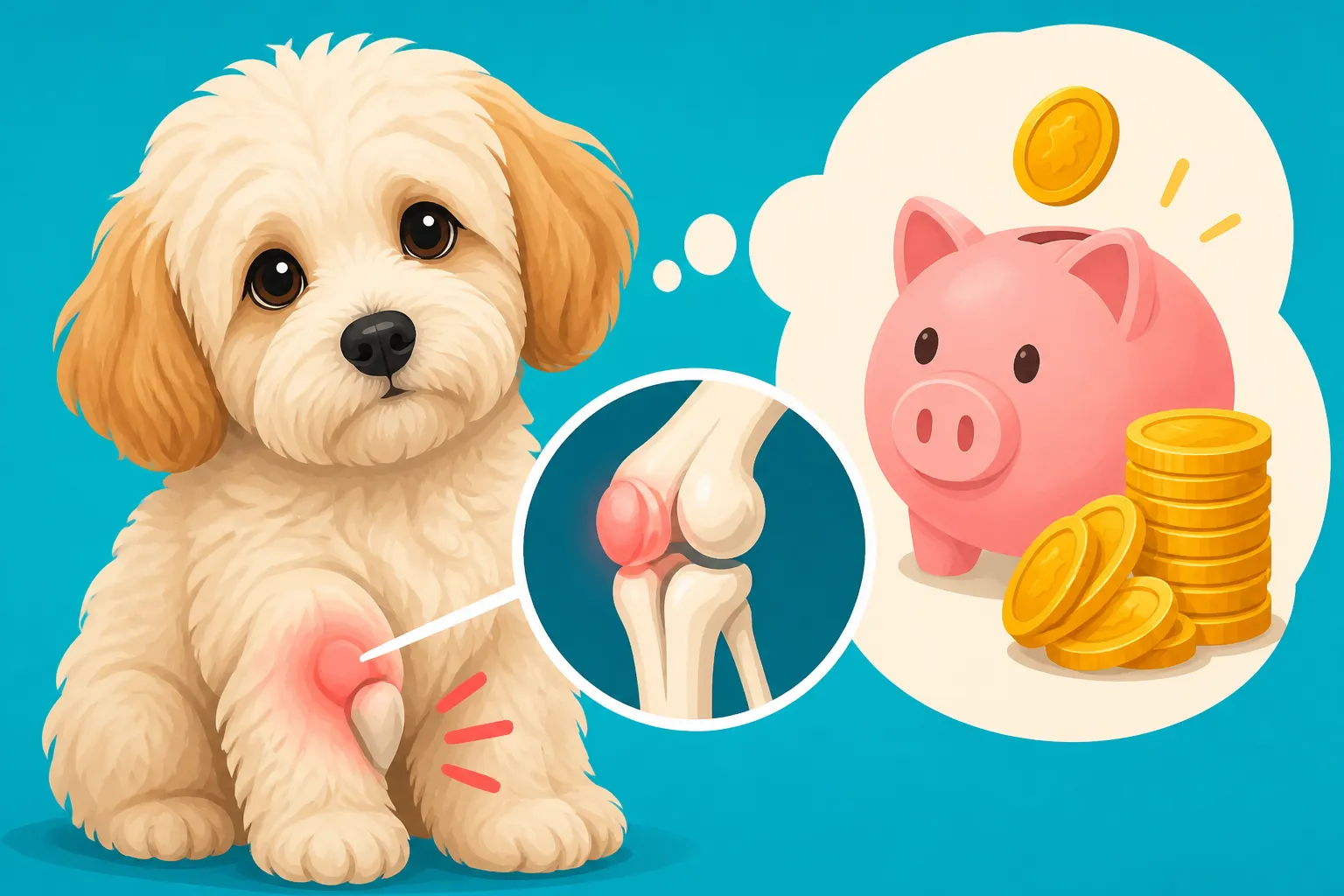
What Patella Surgery Costs on One Maltipoo Knee
The moment your beloved Maltipoo starts skipping on a leg or holding it up, a wave of panic can wash over you. Is it just a stumble, or is it something more serious like a luxating patella? The thought of surgery, and more importantly, the cost associated with it, can be incredibly daunting. This guide is here to shed light on what you can expect financially if your Maltipoo needs patella surgery on one knee, helping you prepare for the journey ahead.
Understanding Patellar Luxation in Maltipoos and Why Surgery Might Be Needed
It’s heartbreaking to see your bouncy, playful Maltipoo suddenly favor a leg or hesitate before jumping. Patellar luxation, often called a "slipped kneecap," is a surprisingly common orthopedic issue in small breeds, and our sweet Maltipoos are definitely on the list of those predisposed. It’s not just a minor inconvenience; for many dogs, it can lead to pain, arthritis, and a significantly reduced quality of life if left untreated.
What is Patellar Luxation and How Does It Affect Maltipoos?
Imagine your kneecap, or patella, being a small bone that normally rides in a shallow groove at the end of the thigh bone (femur). In patellar luxation, this kneecap periodically (or sometimes permanently) slips out of that groove, either to the inside (medial luxation) or the outside (lateral luxation) of the leg. This slipping causes discomfort, pain, and an abnormal gait. For Maltipoos, given their small size, delicate bone structure, and genetic inheritance from their Maltese and Poodle parents, this condition is a frequent concern. It can manifest as early as puppyhood or develop later in life. You might notice your Maltipoo suddenly "skipping" a step, holding up a back leg for a few strides, or crying out in pain. Over time, this constant slipping can wear away the cartilage in the joint, leading to chronic pain and debilitating arthritis. It’s a progressive condition, meaning it usually gets worse without intervention. If you've ever seen your dog do that funny little hop, that’s often the classic sign. For a deeper dive into the tell-tale signs, you might find this helpful: The skip in a Maltipoo's walk that means a patella.
When Surgery Becomes the Recommended Path
While mild cases of patellar luxation (often Grade 1) might be managed with conservative methods like weight control, anti-inflammatory medications, and restricted activity, many Maltipoos will eventually require surgery. Your veterinarian will grade the luxation from 1 to 4, with Grade 1 being the mildest and Grade 4 being the most severe, where the kneecap is permanently dislocated. Generally, if your Maltipoo is experiencing pain, has a consistent limp, or has a Grade 2, 3, or 4 luxation, surgery becomes the most effective and often necessary solution to restore function and prevent further joint damage. The decision for surgery is a thoughtful one, made in consultation with your vet, considering your dog's age, overall health, and the severity of their condition. It's about giving them the best chance at a pain-free, active life. Understanding the grading system can really help you grasp the urgency and necessity of surgery, so take a look at Which Patella Grade Needs Surgery in a Maltipoo.
Breaking Down the Costs of Patella Surgery for One Maltipoo Knee
When facing the prospect of surgery, the immediate question on many owners' minds is, "How much will this cost?" It’s a valid concern, as veterinary surgery can be a significant financial undertaking. It's not just the surgeon's fee; there are many components that contribute to the final bill, each essential for a successful outcome for your furry family member.
The Core Surgical Procedure Costs
The actual surgical procedure itself is often the largest portion of the total cost. This encompasses the surgeon's fees, the cost of anesthesia and monitoring throughout the operation, and the use of the operating room and specialized surgical equipment. For patella repair, the surgeon typically deepens the trochlear groove where the kneecap sits, repositions the patella, and may tighten or loosen ligaments to ensure it stays in place. This intricate work requires a skilled hand and specialized training. The cost will vary depending on your geographical location – a veterinary orthopedic specialist in a major metropolitan area will likely have higher fees than a general practitioner in a rural setting, for example. The complexity of the specific repair needed for your Maltipoo’s knee, based on the severity of the luxation, can also influence the surgeon’s time and, therefore, the fee. To understand more about what exactly happens during the procedure, check out What a Surgeon Does to a Maltipoo's Kneecap.
Pre-Operative Assessments and Diagnostics
Before your Maltipoo even enters the operating room, there's a crucial phase of pre-operative assessments. These steps are vital for ensuring your dog is healthy enough for anesthesia and surgery. This usually includes a thorough physical examination, a complete blood panel to check organ function and blood cell counts, and often chest X-rays to screen for any underlying heart or lung conditions. For small breeds like Maltipoos, who can sometimes have heart murmurs or other sensitivities, a cardiology consult might even be recommended to assess anesthetic risk. These diagnostic tests aren't optional extras; they're foundational to your Maltipoo's safety during and after the procedure. It's an investment in minimizing risks and catching any potential issues before they become problems. The cost of these diagnostics can add a notable amount to your overall bill. We know our little Maltipoos can be delicate, and ensuring they are ready for anesthesia is paramount. It’s a common worry for owners, and you might find more information here: What Pre Anesthetic Bloodwork Adds for a Maltipoo. Another related concern is Whether a Maltipoo Under Five Pounds Can Be Anesthetized, which highlights the need for meticulous pre-op care.
Post-Operative Care and Rehabilitation
The journey doesn't end when your Maltipoo wakes up from surgery. Post-operative care and rehabilitation are equally critical for a full and successful recovery. This phase involves several elements that contribute to the overall cost. You'll likely need to purchase medications, including pain relievers, anti-inflammatory drugs, and sometimes antibiotics. There will be multiple follow-up vet visits to check the incision site, remove sutures, and assess initial healing progress. For many dogs, especially those needing to regain full strength and mobility, physical therapy is highly recommended. This can involve structured exercises, hydrotherapy (swimming), or controlled leash walks. These sessions can be ongoing for several weeks or even months and will add to the total expense. Some vets might include a few follow-up checks in their surgical package, but extensive rehabilitation will almost certainly be an additional cost. The commitment to this post-op phase is immense, both in time and money, but it directly impacts the long-term success of the surgery. For specifics on these rehabilitation costs, consider looking at Physiotherapy After Maltipoo Knee Surgery Costs.
Factors That Influence the Overall Bill for Your Maltipoo's Knee Surgery
It would be so much simpler if there were a fixed price tag for patella surgery, but unfortunately, the cost can fluctuate quite a bit. Several factors come into play, making each dog's situation unique. Understanding these variables can help you better anticipate and plan for the financial commitment.
Geographical Location and Veterinary Specialization
Just like human medical procedures, the cost of veterinary surgery can vary significantly based on where you live. Veterinary clinics in high cost-of-living areas, such as major cities, typically have higher overheads, which translates to higher prices for services. Conversely, clinics in more rural or suburban areas might offer the same procedure at a lower rate. Beyond geography, the type of veterinary professional performing the surgery also impacts the cost. An experienced board-certified veterinary orthopedic surgeon, who has undergone extensive additional training, will naturally charge more for their expertise than a general practice veterinarian. While a general vet may perform routine patella surgeries, for more complex cases or for owners seeking the highest level of specialized care, consulting an orthopedic specialist is often recommended, and their fees will reflect that specialization.
Severity of the Condition and Additional Complications
The "grade" of your Maltipoo's patellar luxation plays a significant role in the complexity of the surgery and, therefore, its cost. A Grade 2 luxation, where the kneecap occasionally slips, might require a less extensive procedure than a Grade 4 luxation, where the kneecap is permanently dislocated and may have caused significant damage to the joint over time. More severe cases can require more advanced surgical techniques, additional hardware, or longer operating times, all of which drive up the price. Furthermore, unforeseen complications during or after surgery, such as an infection, issues with surgical implants, or a re-luxation of the patella, can necessitate additional treatments, medications, or even a second surgery, massively increasing the total bill. This is why a comprehensive pre-operative assessment is so important, though not all complications can be predicted. It's a tough reality, but sometimes, a more severely affected knee simply requires a more intensive and costly repair. It's also worth noting that it's not uncommon for Maltipoos to develop luxation in both knees. While operating on both at the same time is sometimes an option, it also means a significantly higher initial cost. You can learn more about this scenario here: What Doing Both of a Maltipoo's Knees Costs.
The Role of Pet Insurance and Financial Planning
For many pet owners, pet insurance can be an absolute lifesaver when faced with unexpected and costly veterinary procedures like patella surgery. A good pet insurance policy can cover a substantial percentage of surgical fees, diagnostic tests, medications, and even rehabilitation costs, significantly reducing your out-of-pocket expenses. However, it's critical to understand that pet insurance typically operates on an "accident and illness" model, meaning it covers conditions that arise after your policy begins and after any waiting periods have passed. Pre-existing conditions, which patellar luxation would be if diagnosed before you get insurance, are generally not covered. This underscores the importance of obtaining pet insurance early in your Maltipoo's life, ideally when they are still a puppy and free of known conditions. Companies like Healthy Paws offer various plans that can help manage these costs, but you must check their specific terms and conditions regarding waiting periods and coverage limits for orthopedic conditions. While insurance can't erase the emotional stress, it can certainly alleviate the financial burden. Planning ahead is key, as highlighted in Insuring a Maltipoo Before Its Knees Go and The Week a Maltipoo Puppy Should Be Insured. It's vital to research specific policies to understand Whether Insurance Covers a Maltipoo's Patella before you need to make a claim.
Preparing for the Financial Impact of Your Maltipoo's Patella Surgery
Navigating the costs of patella surgery can feel overwhelming, but with careful preparation and proactive planning, you can make the process smoother for both you and your Maltipoo. It's not just about finding the money; it's about being informed and making the best decisions for your dog's future.
Getting Quotes and Understanding the Estimates
One of the most practical steps you can take is to get detailed estimates from several different veterinary clinics, especially if you have access to both general practices and specialty orthopedic centers. Don't be shy about asking for an itemized breakdown of costs, including surgeon's fees, anesthesia, pre-operative bloodwork, X-rays, hospitalization, medications, and any anticipated follow-up visits. Ask if rehabilitation costs are included or estimated separately. Understanding exactly what's covered in each quote will help you compare apples to apples. This also gives you the opportunity to ask crucial questions about the surgeon's experience, the types of anesthesia monitoring used, and the level of post-operative care provided. Some veterinary hospitals may also offer payment plans or work with third-party financing options, which can help spread out the cost over time. It's a big decision, and being thoroughly informed financially is a huge part of it. While not directly about surgery, the principle of financial planning for vet care is consistent across different issues, so you might consider Setting Money Aside for a Maltipoo's Teeth as a broader guideline.
Long-Term Outlook and Preventing Future Issues
While the immediate concern is the cost of surgery, it's also important to consider the long-term outlook for your Maltipoo and how to prevent future issues. A successful patella surgery can dramatically improve your dog's quality of life, allowing them to run, play, and move without pain for many years to come. Most Maltipoos recover very well and regain full use of their leg after surgery and proper rehabilitation. For more on this, you can read Whether a Maltipoo Recovers Fully From Knee Surgery.
However, the risk of luxation in the other knee always exists, as the predisposition is often genetic. Maintaining a healthy weight for your Maltipoo is paramount to reduce stress on all joints. Regular, appropriate exercise (avoiding high-impact activities during recovery and afterward if advised) is also crucial. Installing pet steps or ramps to help your Maltipoo get on and off furniture can also reduce strain on their knees. Consider Whether a Maltipoo Should Use Steps to the Sofa. Proactive management and ongoing care are essential for keeping your furry friend healthy and minimizing the chances of needing additional costly procedures down the line.
Here’s a general overview of the potential cost components for patella surgery on one knee:
| Cost Component | Description | Typical Cost Impact (Shape of Cost) |
|---|---|---|
| Pre-Operative Care | Initial exams, blood work (hematology, chemistry), urinalysis, X-rays of the affected limb and chest. May include cardiology consult. | Moderate to Significant |
| Surgical Procedure | Surgeon's fees, anesthesia administration and monitoring, operating room use, sterile supplies, any specific implants or materials required for the repair. | Major (often the largest single component) |
| Hospitalization | Overnight stays for initial recovery, pain management, IV fluids, and veterinary observation post-surgery. | Moderate |
| Medications | Take-home pain relievers, anti-inflammatory drugs, and antibiotics to prevent infection during the recovery period. | Minor to Moderate |
| Post-Operative Visits | Multiple follow-up examinations with the veterinarian to check incision healing, remove sutures, and assess early rehabilitation progress. | Minor (sometimes bundled with surgery fee or low fee) |
| Rehabilitation | Physical therapy sessions (e.g., laser therapy, hydrotherapy, therapeutic exercises) crucial for regaining strength, flexibility, and proper gait. | Varies (can be significant if ongoing for many weeks) |
| Potential Complications | Costs associated with treating unforeseen issues like infection, re-injury, or the need for revision surgery. | Highly Variable (can be very expensive if they arise) |
Disclaimer
This article is for general informational purposes only and does not constitute professional advice. Laws, prices and regulations vary by location and change over time. Consult a qualified professional for guidance on your specific situation.