What a Surgeon Does to a Maltipoo’s Kneecap
Discovering that your precious Maltipoo has a luxating patella, or a slipping kneecap, can be incredibly distressing. You see that tell-tale skip in their step, or worse, they might hold a leg up, and your mind immediately jumps to "surgery." It's natural to feel overwhelmed and scared about what that actually entails for such a tiny, beloved dog. This guide is here to walk you through exactly what a surgeon does to a Maltipoo's kneecap during this procedure, helping you understand the steps involved and what to expect.
Understanding Patellar Luxation in Maltipoos
Patellar luxation is a common orthopedic issue, especially in smaller breeds like our beloved Maltipoos. It's not just a minor inconvenience; it can cause discomfort, pain, and, if left untreated, can lead to more severe conditions like arthritis or even rupture of the cranial cruciate ligament (similar to an ACL tear in humans). Understanding what's happening inside your Maltipoo's knee is the first step toward making informed decisions.
The Mechanics of a Slipping Kneecap
Imagine your Maltipoo's kneecap, or patella, sitting snugly in a groove at the end of their thigh bone (femur). This groove is called the trochlear groove, and it acts like a track for the kneecap to slide up and down smoothly when your dog walks, runs, or jumps. In patellar luxation, this kneecap pops out of its groove. It can slip either to the inside (medial luxation, which is more common in small dogs) or to the outside (lateral luxation).
When the patella slips, it can prevent the knee from extending properly, leading to that characteristic skip or bunny hop gait you might observe. Your dog might suddenly yelp, hold up a leg for a few steps, and then put it down as if nothing happened, because the kneecap has, on its own, slipped back into place. However, with repeated luxations, the cartilage in the joint can wear down, the groove itself can become shallower, and the surrounding soft tissues can stretch, making the problem progressively worse. This is a condition many owners discover their dog has when they read about Slipping Kneecaps in a Maltipoo.
Why Maltipoos Are Prone to Patellar Luxation
Maltipoos inherit traits from both their Maltese and Poodle parents, and unfortunately, both breeds are predisposed to patellar luxation. This condition is primarily genetic, meaning it's something they're born with, even if symptoms don't appear until later in life. It's often due to an anatomical abnormality where the trochlear groove isn't deep enough, or the alignment of the bones in the leg isn't quite right.
Smaller Maltipoos, particularly those weighing under 8-10 pounds, seem to be at a higher risk, and the condition can manifest at various ages. Some puppies show signs very early on, while others might not develop noticeable symptoms until they are adults. The severity is typically graded on a scale of 1 to 4. For more context on this, you might want to learn about The Four Patella Grades and Where a Maltipoo Lands. Grade 1 might involve occasional, easily correctable slips, while Grade 4 means the kneecap is permanently dislocated and cannot be manually put back into place, causing significant lameness and pain.
When Surgery Becomes Necessary
The decision to proceed with surgery for your Maltipoo's luxating patella is a significant one, often fraught with worry. It’s not a choice made lightly, and it typically involves careful consideration of several factors, including the severity of the luxation, the dog's age, and their overall quality of life. Owners often wonder Whether a Maltipoo's Kneecap Needs Operating.
Assessing the Severity and Impact
Not every Maltipoo with a luxating patella requires surgery. For Grade 1 luxation, where the kneecap rarely slips and causes minimal discomfort, your vet might recommend conservative management. This could include weight management to reduce stress on the joints, anti-inflammatory medications during flare-ups, and supplements aimed at joint health. Regular monitoring is key in these cases to ensure the condition isn't progressing.
However, once the luxation reaches Grade 2 or higher, or if a Grade 1 luxation is causing persistent pain, lameness, or affecting your Maltipoo's ability to live a normal, active life, surgery usually becomes the recommended course of action. If your Maltipoo frequently holds up a leg, refuses to bear weight, or shows clear signs of pain, these are strong indicators that surgical intervention is necessary. The goal of surgery is not just to alleviate pain but to prevent further joint damage and the onset of debilitating arthritis down the line. It's important to remember that this condition can show up quite young, so understanding The Age a Maltipoo's Kneecap First Slips can help you recognize early signs.
The Consultation Process and Pre-Surgical Preparations
Once your primary veterinarian diagnoses patellar luxation, they will likely refer you to a board-certified veterinary orthopedic surgeon. This specialist has extensive training and experience in bone and joint conditions. During the consultation, the surgeon will perform a thorough physical examination, feeling the kneecap and manipulating the leg to assess the degree of luxation and any accompanying issues. X-rays will be taken to get a clear picture of the bone structure, assess the depth of the trochlear groove, and check for any signs of arthritis or other abnormalities. Sometimes, if there are concerns about other underlying conditions, more advanced imaging like a CT scan might be recommended.
Before surgery, your Maltipoo will undergo pre-anesthetic blood work to ensure they are healthy enough for anesthesia and the procedure itself. This is particularly crucial for small breeds. The veterinary team will provide detailed instructions on fasting before surgery and any medications to be administered or withheld. This is also a good time to ensure you have considered pet insurance, such as through a provider like Healthy Paws, as surgical procedures can be costly, and proactive enrollment can help with unexpected expenses. For more information on financial aspects, you might want to research What Patella Surgery Costs on a Six Pound Maltipoo.
The Surgical Procedure: What Happens in the Operating Room
When it comes to surgical correction for a luxating patella, the primary goal is to stabilize the kneecap and ensure it remains within its trochlear groove. There isn't just one single technique; often, a combination of procedures is used, tailored to your Maltipoo's specific anatomical needs. The surgeon will determine the best approach based on the individual findings during the examination and diagnostic imaging.
Deepening the Trochlear Groove (Trochleoplasty)
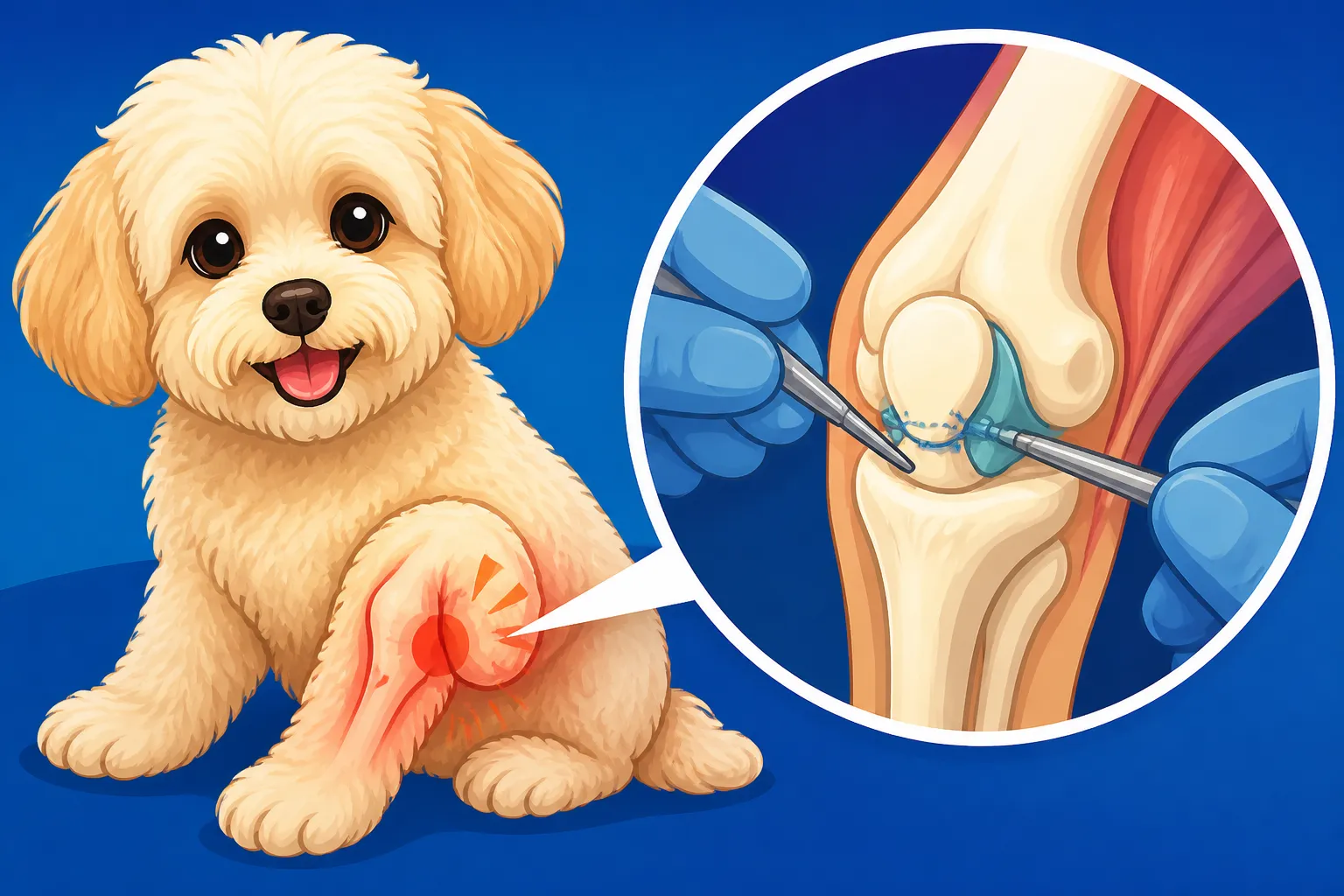
One of the most common reasons a Maltipoo's kneecap slips is a shallow trochlear groove in the femur. If this is the case, the surgeon will perform a procedure called a trochleoplasty (also known as a trochlear wedge resection or block recession). This involves carefully cutting a wedge or block of bone out of the trochlear groove, deepening it to create a more secure channel for the patella.
Once the desired depth is achieved, the wedge or block of cartilage and bone is put back into place. This effectively creates a deeper "track" for the kneecap, preventing it from slipping sideways. The surgeon is incredibly precise, ensuring the groove is deep enough to hold the patella but not so deep that it causes unnecessary friction or discomfort. This is a foundational step in many patella luxation repairs and is crucial for long-term stability.
Realignment of the Tibial Tuberosity (Tibial Tuberosity Transposition)
Often, the problem isn't just a shallow groove, but also that the attachment point of the patellar ligament on the shin bone (tibia) is out of alignment. This attachment point is called the tibial tuberosity. If it's shifted too far inwards or outwards, it pulls the kneecap with it, causing it to luxate. In such cases, the surgeon will perform a tibial tuberosity transposition.
This procedure involves carefully cutting a section of bone containing the tibial tuberosity from the shin bone. This bony segment is then moved to the correct position, realigning the patellar ligament so it pulls the kneecap straight into the newly deepened trochlear groove. Once repositioned, the bone segment is secured with surgical pins or wires that usually remain permanently in place. This realignment is critical to ensuring the kneecap tracks correctly, making the entire knee joint more stable.
Soft Tissue Release and Tightening
In addition to bone work, the surgeon will also address the soft tissues surrounding the kneecap. Over time, when the kneecap repeatedly slips to one side, the joint capsule and ligaments on that side can become stretched and loose, while the tissues on the opposite side can become tight and contracted.
The surgeon will typically perform a "release" on the tight side (a lateral release for medial luxation, for instance) to allow the kneecap to move more freely into its proper position. Conversely, they may "imbricate" or tighten the loose tissues on the side opposite the luxation, providing additional support and helping to hold the kneecap in place. This combination of bony correction and soft tissue adjustment creates a balanced and stable knee joint, vastly improving the chances of a successful long-term outcome. During a long procedure like this, your veterinary team, possibly with support from a robust pet insurance plan like Healthy Paws, ensures your Maltipoo is closely monitored.
Life After Surgery: Recovery and Long-Term Care
The surgery itself is only part of the journey. The recovery period is crucial for your Maltipoo's successful return to full function and requires dedication and patience from you as their owner. A solid post-operative plan is essential.
Immediate Post-Operative Care and Pain Management
After surgery, your Maltipoo will typically stay overnight at the veterinary hospital for close monitoring. They will receive pain medication to keep them comfortable, which is vital for encouraging proper healing and preventing them from bearing too much weight on the leg too soon. You'll be sent home with oral pain medications, and possibly anti-inflammatory drugs and antibiotics.
It's critical to restrict your Maltipoo's activity severely for the first few weeks. This means no running, jumping, or climbing stairs. Leash walks for potty breaks will be brief and controlled. Keeping them calm and confined to a small, safe space (like a crate or a small room) is paramount to allow the surgical site to heal without disruption. Preventing excessive movement helps the bone and soft tissues to mend properly. This controlled environment is critical to avoid any setbacks.
Rehabilitation and Physical Therapy
Once the initial healing phase is complete, typically around 2-4 weeks post-surgery, your veterinarian or surgeon will likely recommend a course of rehabilitation or physical therapy. This isn't just about getting your Maltipoo moving again; it's about rebuilding muscle strength, improving range of motion, and ensuring proper gait mechanics.
Physical therapy often includes a variety of exercises, such as passive range of motion (gently flexing and extending the knee), controlled leash walks on soft surfaces, balance exercises, and sometimes even hydrotherapy (underwater treadmill). These exercises are gradually increased in intensity and duration as your Maltipoo gains strength and confidence. Consistency with these exercises is key to a full recovery and helps ensure that Whether a Maltipoo Recovers Fully From Knee Surgery has a positive answer. Some pet owners find that having pet insurance, such as through Healthy Paws, can help cover the ongoing costs of rehabilitation, which can add up over several weeks or months.
Long-Term Management and Prevention of Future Issues
Even after a successful surgery and rehabilitation, long-term care remains important. Regular follow-up appointments with your vet or surgeon will be necessary to monitor the knee joint and ensure no new issues arise. Many Maltipoo owners eventually discover What Physiotherapy After Maltipoo Knee Surgery Costs, and it's a worthwhile investment.
Maintaining a healthy weight for your Maltipoo is crucial, as excess pounds put additional stress on all joints, including the surgically repaired knee. Continue with joint supplements if recommended by your vet. While surgery significantly improves stability, protecting their joints from high-impact activities, like jumping off furniture, is still wise. Consider using pet stairs or ramps to help your Maltipoo access elevated surfaces, a strategy also helpful to avoid conditions like Whether a Maltipoo Breaks Its Leg Easily or if you're concerned about Whether a Maltipoo Should Use Steps to the Sofa. With proper surgical intervention and diligent post-operative care, many Maltipoos go on to live active, pain-free lives.
| Surgical Procedure Component | What It Addresses | How It's Done | Expected Outcome |
|---|---|---|---|
| Trochleoplasty | Shallow femoral trochlear groove | Deepening the groove by removing and repositioning a wedge or block of bone. | Provides a secure channel for the patella. |
| Tibial Tuberosity Transposition | Misaligned patellar ligament attachment on tibia | Cutting and repositioning the bone segment where the patellar ligament attaches, securing it with pins/wires. | Realigns patella to track centrally in the groove. |
| Soft Tissue Release/Imbrication | Stretched or contracted joint capsule/ligaments | Releasing tight tissues and tightening loose tissues on opposite sides of the joint to balance tension. | Optimizes tension, prevents redislocation. |
| Capsular Overlap (less common) | Extremely loose joint capsule | Overlapping and suturing portions of the joint capsule to further tighten and stabilize the joint. | Adds extra stability in cases of severe laxity. |
Disclaimer
This article is intended for informational purposes only and does not constitute medical advice. Always consult with a qualified veterinary professional for any health concerns or before making any decisions about your Maltipoo's care. Surgical procedures carry risks, and individual outcomes can vary.