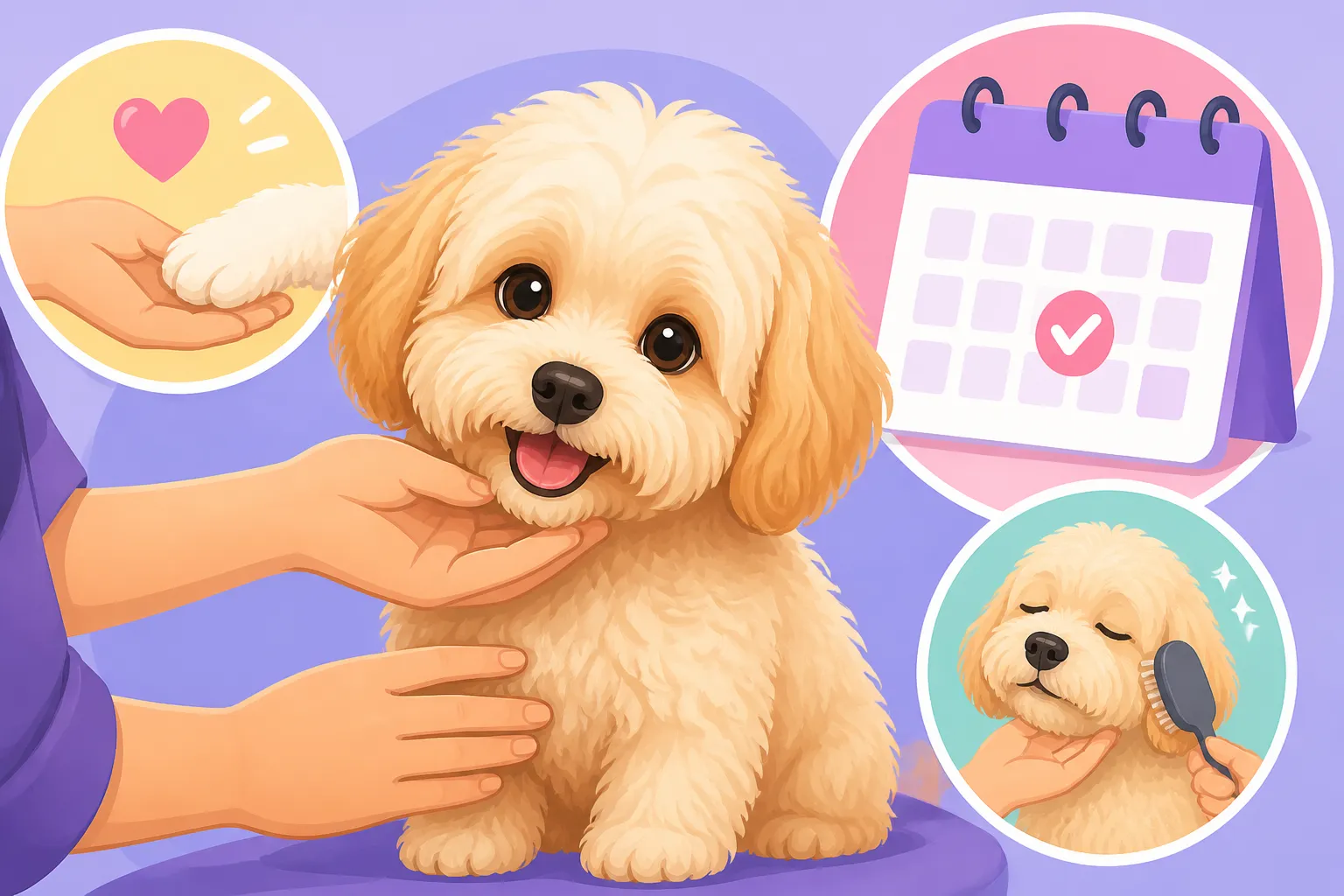
Teaching a Maltipoo to Be Handled Every Two Weeks
If you're a Maltipoo owner, you know the struggle: trying to trim a nail, clean an ear, or brush out a mat can feel like wrestling a greased pig. That sweet, fluffy little face can turn into a squirming, nipping bundle of resistance the moment you try to do something necessary for their health. This guide is here to walk you through how to teach your Maltipoo to not just tolerate, but truly accept and even enjoy being handled every two weeks, turning a stressful chore into a positive bonding experience.
Why Regular Handling Isn't Just for the Groomer Anymore
It's easy to think that handling is just for fancy show dogs or that groomers magically take care of everything. But for a Maltipoo, regular, gentle handling at home is absolutely crucial for their well-being, far beyond just keeping them looking tidy. It's about health, comfort, and preventing small issues from becoming big, expensive, and painful problems.
The Hidden Dangers of Untouched Maltipoos
When your Maltipoo isn't accustomed to being touched, simple care tasks become monumental struggles. Imagine trying to check for a suspicious lump, administer medication, or clean a minor wound when your dog is terrified of your touch. This resistance can escalate quickly. For example, a small mat behind the ear, left untended because your Maltipoo won't let you near it, can quickly grow into a painful pelt that pulls on their delicate skin, potentially leading to skin infections or requiring a full, uncomfortable shave under anesthesia. Similarly, overgrown nails, a common issue in small breeds like Maltipoos, can curl under, causing immense pain, splaying their toes, and even affecting their gait. If they're not used to having their paws handled, getting those nails trimmed becomes a traumatizing event for everyone involved, often necessitating a vet visit just for a nail trim, which adds stress and cost.
Beyond the physical, there's a huge emotional toll. A dog that fears handling can become anxious and defensive, making vet visits incredibly stressful. The vet might struggle to perform a routine examination, take a temperature, or draw blood, increasing the risk of injury to both the dog and the staff. This can lead to a cycle of negative associations, where every trip to the clinic becomes a nightmare, not just for a potentially sick dog, but for its owner too. You want your dog to see you as a source of comfort and care, not as someone who constantly initiates scary, unpleasant procedures.
The Critical "Every Two Weeks" Cycle
For Maltipoos, an "every two weeks" schedule for certain types of handling isn't just a suggestion; it's often a necessity. Their unique coat, a blend of the Maltese and Poodle, is prone to matting more than many other breeds. Waiting too long between thorough comb-throughs – say, three or four weeks – can mean the difference between easily detangling a few knots and needing professional de-matting or even shaving. Beyond the coat, their fast-growing nails require attention. Left too long, the quick (the blood vessel inside the nail) will grow with the nail, making it impossible to trim them short without causing pain and bleeding. A two-week schedule allows for small, regular trims that keep the quick receded and the nails at a healthy length.
Furthermore, ears and teeth also benefit from this consistent attention. Maltipoos, like Poodles, can have hair growing inside their ear canals, which can trap moisture and debris, making them prone to ear infections. A quick check and gentle cleaning every fortnight can catch issues before they fester. Similarly, small breeds are notoriously susceptible to dental disease. Brushing their teeth daily is ideal, but a thorough oral check every two weeks allows you to spot early signs of plaque, tartar, or gum inflammation, which can save them from painful extractions down the line. It's about proactive care, catching problems when they're small and manageable, before they turn into major health concerns.
Building a Foundation of Trust, Not Fear
The ultimate goal of regular handling isn't just about getting the job done; it's about fostering a relationship with your Maltipoo built on trust and positive experiences. If every time you reach for them, it's associated with something unpleasant, they will naturally learn to evade your touch. Instead, by consistently pairing handling with rewards and gentle reinforcement, you teach them that your touch is safe, predictable, and often leads to good things. This is especially true for Maltipoos, which tend to be sensitive and intelligent dogs. They pick up on your energy, your tone of voice, and your intentions very quickly.
When you approach handling with patience and a calm demeanor, your Maltipoo learns to relax. They begin to understand that being held still, having their paws examined, or their ears cleaned isn't a threat, but just another part of their routine that ends with praise and a tasty reward. This foundation of trust is invaluable, not only for grooming and vet visits but for their overall emotional security. A dog that trusts its owner to handle them gently is a more confident, well-adjusted companion. It means they'll be less likely to react defensively if a child accidentally steps on their paw or if a stranger gently pets them, making them safer and more pleasant to be around in various situations.
Starting Young: The Puppy's First Lessons in Gentle Touch
Bringing home a Maltipoo puppy is an exciting time, but it's also the perfect window to start establishing positive associations with handling. Their early experiences will shape their attitude towards grooming, vet visits, and even casual touch for the rest of their lives. Starting early makes a world of difference.
The "Touch and Treat" Method for Tiny Paws
From the very first day your Maltipoo puppy comes home, you can begin the "touch and treat" method. This is a simple but incredibly powerful technique for desensitization. Start by gently touching a part of your puppy's body—their paw, an ear, their tail—for just a second or two, then immediately follow it with a high-value treat and verbal praise. Don't push it. If they tolerate it, repeat. If they pull away, stop, wait a moment, and try again with an even lighter touch, or try a different, less sensitive area. The key is to keep the touch brief and positive. You want them to think, "Oh, a touch on my paw means a yummy treat!" Over time, you can gradually increase the duration and intensity of the touch.
For example, when you pick up a tiny paw, gently hold it for a few seconds, then release and offer a small piece of cooked chicken or cheese. Once they are comfortable with you holding their paw, you can start gently manipulating their toes, then touching their nails, always rewarding immediately after each step. Do this several times a day in short bursts. Don't wait until you need to trim their nails; practice simply touching and rewarding. This method can also be used for introducing tooth brushing. For detailed steps, you can look into guides like Starting Tooth Brushing on a Maltipoo Puppy. Remember, patience is paramount. You're building a lifetime of acceptance, not trying to achieve perfection in one session.
Introducing Tools: Brushes, Combs, and Nail Clippers
Once your Maltipoo puppy is comfortable with your hands touching them, it's time to introduce the actual grooming tools. This needs to be done gradually and positively. Start by simply showing them the tool – let them sniff it. If they approach it calmly, give them a treat. Don't use the tool yet. Just let them see it and associate it with good things. Next, place the tool on the floor near them while they're eating a meal or chewing a favorite toy, so they see it as a non-threatening part of their environment. You can find essential grooming tools by checking resources like The Kit Needed to Groom a Maltipoo at Home.
When you're ready to use a tool, make the first contact incredibly brief and gentle, always followed by a reward. For instance, touch a nail clipper to one nail (without actually clipping), then immediately treat. Or, make one gentle stroke with a soft brush, then treat. The sound of clippers can be startling, so you might even "clip" a piece of uncooked pasta or a Q-tip nearby, then immediately reward your puppy, so they associate the sound with something positive. Gradually increase the number of strokes or the number of nails you touch the clipper to, always keeping it positive and stopping before your puppy shows signs of stress. This slow, steady introduction prevents them from developing a fear of the tools themselves, which can be a major hurdle later on.
Short, Sweet, and Frequent Sessions
With a Maltipoo puppy, their attention span is famously short. Trying to force a long grooming session will quickly backfire and create negative associations. Instead, aim for multiple, very short sessions throughout the day. We're talking 30 seconds to a minute at a time, especially in the beginning. These mini-sessions are much more effective than one long, drawn-out battle. For instance, you could do a quick paw check and treat while you're watching TV, a gentle ear rub and treat during cuddle time, or a few brush strokes while they're relaxing on your lap.
The key is frequency and consistency. The more often they experience positive, brief handling, the faster they will generalize that all handling is okay. Think about how often a puppy needs to go outside – similarly, frequent positive interactions are critical for training their acceptance of touch. You might find guidance on similar principles in articles such as How Often a Maltipoo Puppy Needs Taking Out. These short bursts prevent boredom or discomfort from setting in, and they build up a strong history of positive reinforcement. Always end on a good note, even if it means doing just one more tiny step and rewarding heavily. This leaves your puppy feeling successful and happy, making them more willing to participate in the next session.
Mastering the Head-to-Tail Routine: What to Touch and How
Once your Maltipoo has a good foundation, it’s time to expand into a full, systematic handling routine. The goal is to touch every part of their body regularly, mimicking what a groomer or vet would do, but in a gentle, reassuring way at home. This isn't just about grooming; it's about familiarity and comfort with inspection.
The Delicate Face: Eyes, Ears, and Muzzle
The face is often the most sensitive area for a Maltipoo, but it's also where crucial care is needed. Their expressive eyes are prone to tear staining, and the hair around them needs regular trimming to prevent irritation. Start by gently cupping their chin and lifting their head. With your thumb and forefinger, gently spread the hair around one eye, inspecting for redness, discharge, or debris. Use a soft, damp cloth or a specialized tear stain wipe to gently clean the area. Pair this with immediate praise and a high-value treat. Repeat for the other eye. For more guidance on teaching your Maltipoo to tolerate facial handling, consult Teaching a Maltipoo to Hold Still for Its Face.
Next, move to the ears. Maltipoos have floppy ears that can trap moisture, leading to infections. Gently lift an ear flap, peer inside, and give it a quick sniff – a foul odor or excessive discharge indicates a problem that needs veterinary attention. If all looks good, gently rub the base of the ear canal, and perhaps use a vet-approved ear cleaning solution if advised by your vet. Again, keep it positive and brief, rewarding generously. For more in-depth advice on ear care, see Teaching a Maltipoo to Accept Ear Cleaning. Finally, the muzzle and mouth area are vital for dental health. Gently lift their lips to inspect their gums and teeth for plaque buildup, redness, or any broken teeth. Even a quick check and rub of the gums, followed by a treat, contributes to their acceptance of oral care.
Paws and Nails: A Common Battleground
For many Maltipoos, paw handling and nail trims are the ultimate challenge. The sensitive pads and the sensation of clipping can be very unnerving. Approach this by sitting on the floor with your Maltipoo or placing them on a non-slip surface at a comfortable height, like a grooming table. Start by gently massaging their leg, working your way down to the paw. Pick up one paw, gently manipulating each toe and nail. Reward heavily for calm acceptance. Once they tolerate this, you can introduce the nail clippers or grinder. Rather than trying to do all nails at once, aim for one or two at a time, always treating immediately after each successful clip or grind.
The key is to take tiny slivers off the nail regularly, rather than attempting large trims that risk hitting the quick. If you do accidentally nick the quick, don't panic. Apply styptic powder and remain calm; your reaction can be more alarming than the minor pain itself. Rebuild trust with positive interactions focused solely on paw massage and treats for a few days before attempting a trim again. Some owners find that a Dremel-style grinder is less frightening than clippers, as it's a continuous vibration rather than a sudden snip. Whichever tool you use, consistency is key. For tips on managing nail trims, check out Cutting a Maltipoo's Nails on a Shaking Dog. Regular, gentle handling of their paws from puppyhood makes all the difference in preventing this from becoming a lifelong battle.
Body Basics: Brushing, Checking Skin, and Handling Sensitive Areas
The main event for a Maltipoo's coat is thorough brushing and combing. Their fluffy, often curly or wavy double coat is a magnet for mats if not tended to diligently. Use a slicker brush to gently go through their coat, starting at the skin and working outwards in small sections. Pay extra attention to common matting areas like behind the ears, under the armpits, and where their legs meet their body. After brushing, follow up with a metal comb to ensure you've removed all tangles. If the comb glides through, you've done a good job. If it catches, go back with the slicker brush until the comb passes through smoothly. Detailed guidance can be found in Combing a Maltipoo Down to the Skin.
While brushing, take the opportunity to perform a full body check. Run your hands over your Maltipoo's entire body, feeling for any lumps, bumps, tender spots, or skin irritations. Lift their tail and check the area underneath, making sure it's clean and healthy. Feel along their spine and ribs to monitor their weight. Gently check their belly and groin areas, which can be sensitive. If you find a mat, don't yank it. Instead, try to work it out gently with your fingers, a de-matting spray, and a comb, or use a de-matting tool. If it's too tight or painful, it's better to consult a professional groomer or vet than cause your Maltipoo distress. By making these body checks part of your regular handling routine, you become familiar with what's normal for your dog, allowing you to quickly spot any changes that might require veterinary attention.
Essential Tools and Aids for Stress-Free Handling
Making handling a positive experience for your Maltipoo often involves more than just your hands and good intentions. Having the right equipment and knowing how to use aids effectively can dramatically reduce stress and increase cooperation for both of you. These tools aren't just for professionals; they're invaluable for home care too.
Grooming Tables and Safe Restraints
While it might seem excessive for a small dog, a grooming table can be a game-changer for regular handling and grooming sessions. Its primary benefit is elevation, which means you're not hunching over, straining your back, or chasing your Maltipoo around the floor. More importantly, it signals to your dog that "this is grooming time." The consistent location and height can help them understand the routine. For more information on teaching your Maltipoo to acclimate to this, read Teaching a Maltipoo to Stand on a Grooming Table. Most grooming tables come with a grooming arm and a loop (tether) that goes around your dog's neck or waist. This restraint is not for force; it's for safety. It keeps your Maltipoo from jumping off the table and injuring themselves and helps them stay in one spot.
When using a grooming loop, ensure it's snug enough that they can't slip out, but loose enough to be comfortable and not constrict their breathing. Never leave your Maltipoo unattended on a grooming table, even for a second, as they could still injure themselves if they panic or try to jump. Introduce the table and loop gradually, pairing it with treats and praise. Start with just getting them on the table, then introducing the loop for a few seconds, always rewarding their calm demeanor. Over time, the table becomes their designated "spa zone," a place where they expect to be handled, and where good things (like treats) happen.
Positive Reinforcement: Treats, Toys, and Praise
Positive reinforcement is the cornerstone of successful handling training. For a Maltipoo, this means making every touch, every manipulation, and every step of the grooming process a rewarding experience. Treats are often the most effective motivator, especially high-value treats that your dog doesn't get at any other time (think small pieces of cooked chicken, cheese, or specialized training treats). Use them liberally in the beginning, paired with enthusiastic verbal praise ("Good boy!" "Yes!"). The moment your Maltipoo tolerates a touch, even for a split second, reward them.
Toys can also be used as a reward for some dogs, especially if they have a favorite squeaky toy or tug rope. The trick is to find what motivates your individual Maltipoo the most. Some dogs live for food, others for a quick game of fetch, and some just want your undivided attention and loving praise. Understand that your energy is also a form of reinforcement. A calm, confident demeanor from you helps your Maltipoo feel secure. Avoid scolding or punishing during handling, as this will quickly undo all your positive efforts and create fear. Instead, if they resist, simply stop, wait, and try again when they are calmer, or try an easier step. You can explore this concept further in Whether a Maltipoo Works for Food or Praise. The goal is to create such a strong positive association that they eagerly anticipate handling sessions.
Grooming Supplies for the Maltipoo's Unique Needs
Having the right grooming supplies designed for a Maltipoo's delicate skin and specific coat type is vital. Invest in a good quality slicker brush with fine, bent wire bristles that can penetrate their dense coat without scratching their skin. A metal comb, with both wide and narrow teeth, is essential for checking for mats down to the skin. For nails, choose small dog nail clippers (guillotine or scissor style) or a Dremel-style grinder, whichever you feel more comfortable with. Don't forget styptic powder, just in case of a quick cut.
For their eyes, specific tear stain removers or gentle eye wipes can help manage the staining common in light-colored Maltipoos. For ears, a vet-recommended ear cleaner and cotton balls or swabs (never push anything deep into the ear canal) are essential if your dog has ear hair or is prone to wax buildup. When it comes to shampoo, choose a gentle, tearless formula designed for puppies or sensitive skin. Always ensure all products are specifically formulated and safe for dogs. Many of these items are readily available online through retailers like Amazon, allowing you to stock up on quality tools for your at-home grooming kit. Resources like Shampoos That Suit a Maltipoo's Coat can help you make informed choices about appropriate products for your Maltipoo. Having these tools ready and in good condition makes your regular handling routine much more efficient and comfortable for your furry friend.
Overcoming Resistance: When Your Maltipoo Says "No Thanks!"
Even with the best intentions and early training, some Maltipoos might still resist certain aspects of handling. It's crucial to address this resistance with understanding and strategy, rather than force, to prevent negative associations from taking root.
Identifying the Root Cause: Fear, Pain, or Lack of Training?
When your Maltipoo pulls away, growls, nips, or otherwise resists handling, the first step is to figure out why. Is it simply a lack of positive early exposure, meaning they haven't learned to associate handling with good things? This is often the easiest to fix with consistent positive reinforcement. However, sometimes resistance stems from fear. Perhaps they had a negative experience in the past, or a particular sensation (like the sound of clippers) is genuinely frightening. In these cases, a very slow, systematic desensitization process is needed.
Most importantly, you must rule out pain or discomfort. A Maltipoo might resist having their paw touched because of an injured toe, an ingrown nail, or even arthritis. They might resist ear cleaning if they have an ear infection, or brushing if they have a skin irritation or matted fur pulling on their skin. Any sudden change in behavior, or a persistent aversion to a specific type of touch, should prompt a visit to your veterinarian. They can perform a thorough examination to rule out any underlying medical conditions. If your Maltipoo is shaking during handling, for example, it's vital to know if it's fear or a sign of pain, as discussed in articles like Whether a Shaking Maltipoo Is in Pain. Never assume it's just stubbornness; always consider their comfort first.
Desensitization and Counter-Conditioning for Specific Aversions
Once you've ruled out pain, if your Maltipoo still has a strong aversion to a particular touch or grooming tool, desensitization and counter-conditioning are your best friends. Desensitization means gradually exposing your dog to the feared stimulus (e.g., the nail clipper) at a very low intensity, so low that they don't react negatively. Counter-conditioning means changing their emotional response from negative (fear, anxiety) to positive (happiness, anticipation) by pairing the stimulus with something they love, like high-value treats.
Let's say your Maltipoo hates nail trims. Start by simply having the clippers in the same room, far away, while they eat dinner. If they don't react, great! Next session, move the clippers a little closer. Then, just touch the clippers to their paw (no clipping), then immediately treat. Over days or weeks, you'll slowly build up to touching each nail, then making the clipping motion (without actually clipping), then clipping just one tiny sliver, always rewarding calmness. If at any point they show signs of fear or stress (tensing, pulling away, lip licking), you've gone too fast. Go back a step to where they were comfortable and proceed even more slowly. It’s about teaching them that the scary thing predicts yummy treats and no harm. Remember, Maltipoos can be quite sensitive, and punishment or harsh corrections will only exacerbate their fear. You can find more about sensitive handling in Whether a Maltipoo Is Too Soft for Correction.
Seeking Professional Help: Trainers and Behaviorists
Sometimes, despite your best efforts, resistance can be deeply ingrained or become too challenging to manage on your own. This is where professional help becomes invaluable. A certified professional dog trainer or a veterinary behaviorist has the expertise to assess your Maltipoo's specific fears and develop a tailored plan. They can observe your interactions, identify subtle body language cues you might be missing, and guide you through the desensitization and counter-conditioning process more effectively. They also have tools and techniques for managing severe anxiety, such as recommending calming supplements or, in some cases, even medication if the fear is overwhelming.
Don't view seeking professional help as a failure on your part. It's an act of responsible pet ownership, prioritizing your Maltipoo's emotional well-being and ensuring their necessary care can be performed without extreme stress. An experienced trainer can teach you how to handle your dog safely and kindly, making future vet visits and grooming sessions much more pleasant for everyone involved. Online resources like BAXTER & Bella offer structured training programs and support that can be particularly helpful for owners working on specific behavioral challenges like handling resistance from home, providing expert guidance right to your living room. Asking for help means you want the best for your furry companion, and that's always commendable. For those wondering if they can do it alone, consider Whether a Maltipoo Owner Can Do It Without a Trainer.
Consistency is Key: Maintaining the Routine for a Lifetime
You've put in the work, and your Maltipoo is now a handling superstar. Congratulations! But the journey doesn't end there. Consistency is the secret sauce that ensures these positive habits last a lifetime. Life happens, routines get disrupted, and it's easy to let things slide. However, for a Maltipoo, maintaining that bi-weekly (or more frequent) handling routine is crucial for their continued health and happiness.
The Daily Mini-Sessions that Reinforce Trust
While a comprehensive head-to-tail check might be a bi-weekly affair, daily mini-sessions are the glue that holds everything together. These aren't full-blown grooming sessions; they're brief, positive interactions that reinforce your Maltipoo's comfort with touch. Think about incorporating quick touches into your everyday routine: a gentle ear rub while you're cuddling on the sofa, a brief paw massage before you head out for a walk, or lifting their lips for a quick tooth check before their evening meal. These moments should always be associated with praise and affection, even if a treat isn't always involved.
These small, consistent positive touches prevent your Maltipoo from regressing and ensure they never associate your hands only with "big" grooming events. It's about maintaining that open line of communication and trust. They learn that your hands are always safe, always gentle, and always associated with good feelings. This daily reinforcement builds a robust foundation that can withstand occasional disruptions to the full bi-weekly routine. For more ideas on integrating handling into your daily life, consider insights from The Daily Routine a Maltipoo Needs. These brief, positive encounters also allow you to spot potential issues early, like a new mat forming or a small cut on a paw, before they become more serious.
Adapting the Routine for a Senior Maltipoo
As your Maltipoo ages, their needs and tolerance for handling may change. An older dog might develop arthritis, making certain positions uncomfortable, or their eyesight and hearing might diminish, making them more easily startled. You'll need to adapt your handling routine to accommodate these changes with extra patience and gentleness. For example, an arthritic Maltipoo might struggle to stand on a grooming table for long periods. Instead, consider grooming them while they are lying comfortably on a soft mat on the floor, or break up the session into even shorter segments. You might find useful techniques in Grooming an Arthritic Maltipoo in Short Sessions.
Be mindful of sensitive joints. Support their limbs gently and avoid any forceful movements. If their hearing is failing, approach them gently from the front so they can see you coming and aren't startled. If their eyesight isn't what it used to be, rely more on verbal cues and gentle touch to guide them. Senior dogs may also be more prone to skin issues, lumps, or dental problems, making your regular checks even more critical. The goal remains the same: to provide necessary care while minimizing discomfort and stress, ensuring their golden years are as comfortable and dignified as possible. Their trust in you is even more vital as they become more vulnerable.
Making Handling a Bonding Experience
Ultimately, teaching your Maltipoo to be handled every two weeks is much more than just a task; it's an opportunity for profound bonding. When done correctly, with patience, positive reinforcement, and love, handling transforms from a chore into a shared activity that strengthens the connection between you and your furry friend. It’s a time when you’re fully focused on them, giving them your undivided attention, and showering them with praise and affection.
Think of it as a special kind of communication, a way to show your Maltipoo that you care for them, keep them safe, and ensure their comfort. When they willingly present a paw for a nail trim or lean into your hand as you comb their coat, it’s a clear sign of their trust and affection. This deep bond makes all the effort worthwhile, creating a happier, healthier, and more confident Maltipoo who truly enjoys spending time with you, even when it involves their biannual "spa day."
| Handling Task | Why It's Important | Quick Tip for Success |
|---|---|---|
| Paws & Nails | Prevents pain, ingrown nails, gait issues, and expensive vet trims. | Trim tiny bits regularly (every 1-2 weeks), not large chunks. |
| Ears | Prevents infections, monitors for odors or discharge, especially with ear hair. | Lift, sniff, and gently wipe outer ear every few days. |
| Eyes | Prevents tear staining, clears debris, checks for irritation or discharge. | Gently wipe with a damp cloth daily, trim surrounding hair. |
| Mouth & Teeth | Prevents dental disease, pain, bad breath, and costly extractions. | Lift lips to inspect, aim for daily brushing. |
| Coat Brushing | Prevents mats, skin irritation, allows for skin checks. | Use slicker brush and metal comb to skin, focus on mat-prone areas. |
| Body Inspection | Identifies lumps, bumps, tender spots, parasites, or skin issues early. | Run hands over entire body while cuddling, feel for changes. |
Disclaimer
This article is for general informational purposes only and does not constitute professional advice. Laws, prices and regulations vary by location and change over time. Consult a qualified professional for guidance on your specific situation.