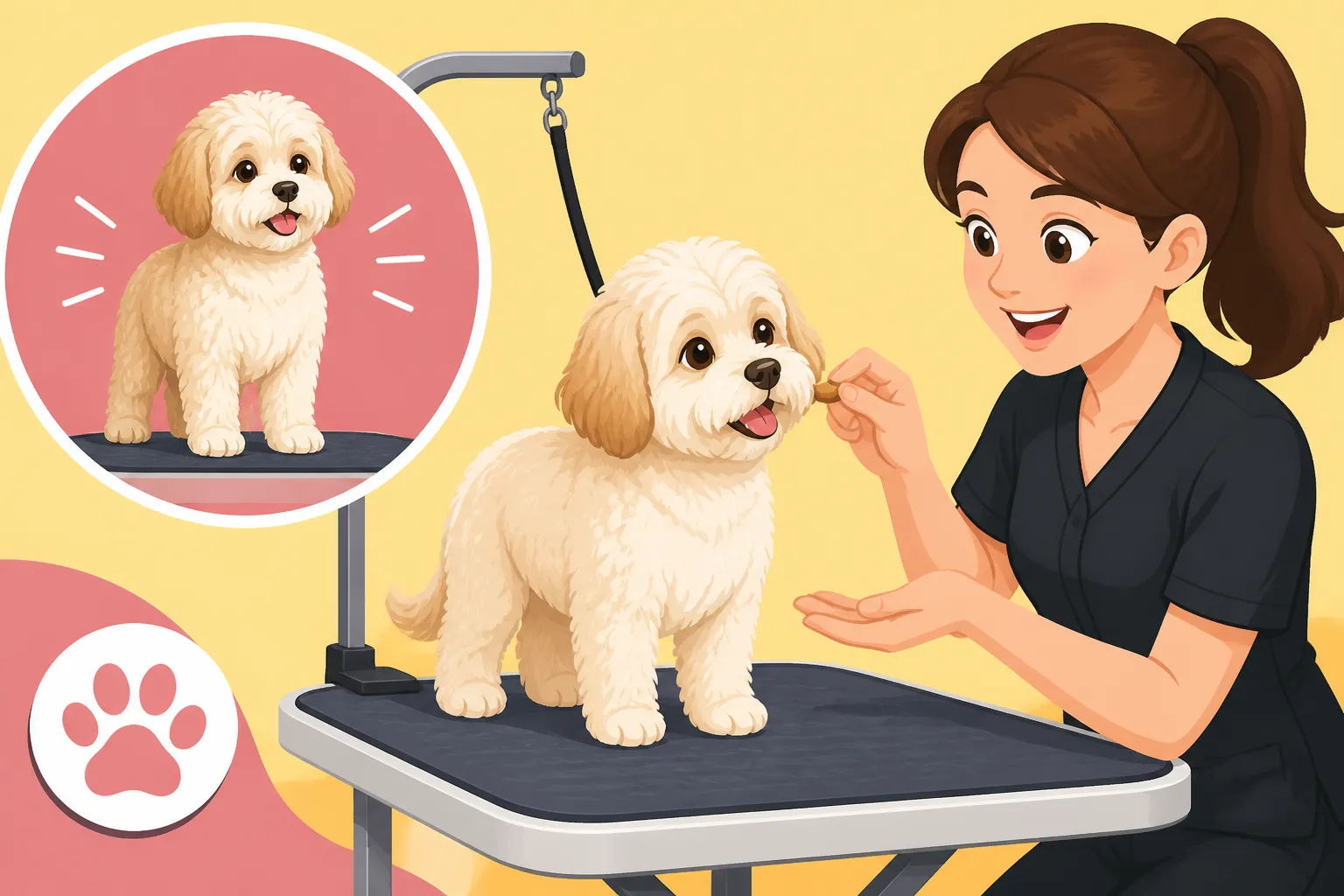
Teaching a Maltipoo to Stand on a Grooming Table
One of the most common frustrations Maltipoo owners face, especially those with energetic or anxious pups, is the struggle during grooming sessions. Many adorable Maltipoos turn into wiggling, snapping, or terrified bundles of fur the moment they're placed on a grooming table, making what should be a routine part of their care a stressful ordeal for everyone involved. This comprehensive guide will walk you through proven techniques to gently and effectively teach your Maltipoo to stand calmly and confidently on a grooming table, transforming dreaded groom days into manageable, even pleasant, experiences.
The Critical Importance of Grooming Table Training for Your Maltipoo
Let's be real: grooming a Maltipoo isn't just a matter of aesthetics; it's absolutely vital for their health and comfort. Their beautiful, non-shedding coats are prone to matting, their nails grow quickly, and their eyes and ears need regular attention. Without cooperation during these tasks, you're looking at potential pain for your pup, expensive professional interventions, or even serious health issues. Training your Maltipoo to stand still on a grooming table is the cornerstone of making all future grooming stress-free.
Why the Grooming Table is Not Just for Professionals
You might think a grooming table is only for fancy salons, but I'm here to tell you it's an invaluable tool for home grooming, too. Firstly, it elevates your Maltipoo to a comfortable working height, saving your back and knees from awkward bending. This might seem minor, but if you've ever tried to clip nails or comb out a mat on the floor, you know the struggle is real. Secondly, and perhaps more importantly, the grooming table provides a designated, neutral space for grooming. When your Maltipoo learns that "table time" means calm grooming, it helps separate this activity from playtime or cuddle time on the sofa, making the expectations clear.
Without a dedicated space, you might find yourself chasing your Maltipoo around the living room, or trying to hold them still on your lap, which just teaches them that resisting is an option. A table, combined with proper training, establishes a boundary and routine that benefits both of you. It's about creating an environment where your Maltipoo understands what's expected and can perform it without fear or excessive restraint. This foundation is key to addressing any issues like A Maltipoo That Fights the Comb or even minor resistance during ear cleaning.
Addressing the Fear and Stress Factor for Small Dogs
Small dogs, especially those like Maltipoos, often carry a disproportionate amount of anxiety when it comes to grooming. Think about it from their perspective: they're picked up, placed on a high, sometimes wobbly surface, and then strange tools come at them. It's a lot! Some Maltipoos may associate the table with past negative experiences, like a painful nail trim or having a mat pulled out. Others might simply be overwhelmed by the sensation of being suspended and handled. This innate fear is entirely valid and must be approached with empathy and patience.
Rushing the process or forcing your Maltipoo to comply only reinforces their fear, making future sessions even harder. Our goal isn't just compliance, but genuine comfort. By systematically desensitizing them to the table and associating it with positive experiences, we can turn that fear into a feeling of security. It's a journey, not a sprint, and recognizing their emotional state is the first step toward building trust. You'll find that building this trust extends to other aspects of handling, like when you need to provide routine care or even check them for injuries.
Preventing Grooming-Related Injuries
A wiggling Maltipoo on a grooming table isn't just inconvenient; it's a serious safety hazard. With sharp clippers, scissors, and nail trimmers involved, a sudden lurch or jump can lead to accidental nicks, cuts, or worse. We've all heard horror stories, and no one wants their precious pup to be injured during a routine groom. This is especially true for small breeds who might not tolerate mistakes as well as a larger, more robust dog.
Training your Maltipoo to stand calmly dramatically reduces the risk of these accidents. When they learn to relax and hold still, you have better control, and the grooming tools can be used safely and efficiently. This proactive training not only protects your Maltipoo but also reduces your own stress and anxiety during grooming, making the experience better for both of you. It’s an investment in their long-term well-being and a crucial part of The Daily Routine a Maltipoo Needs for a happy, healthy life.
Setting the Stage: Essential Tools and a Positive Environment
Before you even think about putting your Maltipoo on a grooming table, you need to gather your supplies and prepare your space. This isn't about jumping straight into trimming; it's about setting up for success and making the experience as positive and comfortable as possible. Think of it as creating a mini spa day for your pup, albeit one with clippers!
Choosing the Right Grooming Table and Restraints
Not all grooming tables are created equal, and for a Maltipoo, size and stability are key. You'll want a table that's sturdy, doesn't wobble, and has a non-slip surface to prevent your pup from sliding around, which can be terrifying for them. Look for tables with adjustable heights if you have different family members doing the grooming, or if you want to use it for puppies and then adjust for adult dogs. A non-slip mat, which you can find readily on sites like Amazon, is non-negotiable if your table doesn't already have one.
Equally important are proper restraints. I'm not talking about tying your Maltipoo down like a prisoner! A good grooming arm and loop system is designed to gently keep your dog in place, preventing them from jumping off the table and getting hurt, or from spinning in circles while you're trying to work. The loop should fit comfortably around their neck or chest (never too tight!) and clip to the grooming arm. The goal is gentle security, not immobilization. Some owners opt for a belly band or a second loop for added stability, especially with a particularly wiggly Maltipoo. Remember, these are safety devices first, and training aids second. You want your Maltipoo to learn to choose to stand still, rather than being forced.
| Restraint Type | Purpose & Description | Pros | Cons |
|---|---|---|---|
| Neck Loop | Single loop around the neck, attaching to grooming arm. | Basic security, prevents jumping off table. | Can be restrictive, not ideal for very anxious dogs. |
| Belly Loop | Goes around the abdomen, preventing sitting/lying down. | Encourages standing, good for dogs who try to sit. | Can be uncomfortable if too tight, not primary safety. |
| Dual Loops | One neck, one belly loop for maximum stability. | Best for preventing all movement, highly secure. | Can feel overly restrictive, requires careful placement. |
Gathering Your Grooming Toolkit
Beyond the table and restraints, you'll need your actual grooming tools. Having everything within arm's reach before you start is crucial. This means a good quality slicker brush, a metal comb (preferably with both wide and fine teeth), nail clippers or a dremel, ear cleaner, eye wipes, and any clippers or scissors you plan to use. If you're going to tackle teeth brushing, have your special Maltipoo toothbrush and paste ready, too. The Kit Needed to Groom a Maltipoo at Home will include these essentials and more.
The quality of your tools matters. Dull clippers pull hair, which is painful and will quickly make your Maltipoo dread the grooming table. Invest in sharp, well-maintained equipment. You might find a great selection of high-quality tools on Amazon, or at specialty pet stores. Having the right tools minimizes discomfort and makes the process more efficient, reducing the time your Maltipoo needs to spend on the table.
Creating a Safe and Calm Training Zone
The physical environment where you train your Maltipoo to stand on the grooming table should be as calm and distraction-free as possible. Choose a quiet room away from household commotion, other pets, or loud noises. Avoid high-traffic areas where people might walk by and distract your pup. You want your Maltipoo's focus to be on you and the task at hand.
Consider playing soft, calming music or using a white noise machine to mask external sounds. Ensure the room is well-lit so you can clearly see what you're doing, but not so bright that it's harsh. The temperature should be comfortable for your Maltipoo; remember, Whether a Small Maltipoo Regulates Its Temperature can be an issue, so ensure they aren't too hot or cold. A comfortable environment communicates safety and helps your Maltipoo relax, making them more receptive to learning.
A Step-by-Step Guide to Desensitization and Positive Reinforcement
Training your Maltipoo to stand calmly on a grooming table is all about positive reinforcement and gradual desensitization. We're breaking down a big, potentially scary task into tiny, manageable steps, rewarding success at each stage. This isn't just about getting the job done; it's about building a positive association with the table and the grooming process itself.
Introducing the Table as a Safe Space
The very first step is to make the grooming table a positive, non-threatening object. Don't even think about grooming at this point. Start by simply placing the table in your designated training area. Let your Maltipoo sniff it, walk around it, and explore it on their own terms. Offer treats and praise near the table, reinforcing a calm demeanor. The goal is for them to see it as a normal piece of furniture, not a torture device.
Once they're comfortable around the table, gently introduce them to being on it. Don't pick them up and plop them down. Instead, encourage them to jump onto a stool or step, and then onto the table, or simply lift them on slowly and calmly. The moment their paws touch the table, immediately reward them with a high-value treat and verbal praise. Let them stand there for just a few seconds, then help them off, and reward again. Repeat this several times a day, keeping sessions very short (30 seconds to a minute). You're building a foundation of positive association, showing them that getting on and off the table is a good thing that brings rewards. This initial phase is crucial, as it sets the tone for all future interactions.
You can also use a training platform like BAXTER & Bella, which often emphasizes starting slow and building confidence. Their philosophy of gradual introduction and positive reinforcement aligns perfectly with making the grooming table a happy place. The idea is to make sure every interaction is positive, even if it's just a fleeting moment on the surface.
Gradually Increasing Time and Touch
Once your Maltipoo is comfortable being placed on the table for short periods, it's time to gradually increase the duration and introduce gentle handling. Again, keep these sessions brief and positive. Start by having them stand on the table for slightly longer – maybe 10-15 seconds. While they're standing, gently stroke their back, then their legs, then their paws. Reward continuously for any calm behavior. If they wiggle, pause your touch, wait for them to settle, then resume and reward. The trick is to reward the desired stillness, not the wiggling.
Over subsequent sessions, slowly increase the duration they spend on the table and the extent of your handling. Practice touching their ears, lifting their feet, and gently examining their mouth – all actions that will be required during actual grooming. This is essentially Teaching a Maltipoo to Be Handled Every Two Weeks but specifically on the grooming table. Always end on a positive note, even if it means finishing after just one successful calm moment. This leaves your Maltipoo with a good impression and eagerness for the next session. Consistency here is far more important than intensity.
Integrating Grooming Tools and Procedures
This is where many owners hit a snag. Your Maltipoo might be fine with you touching them, but the moment the clippers buzz or the comb snags, they panic. The key here is to introduce tools separately and gradually, continuing the desensitization process. First, let your Maltipoo see and sniff the tools while they're off the table. Reward calm curiosity. Then, bring the tools near them while they're on the table, still not using them, just letting them exist in the space.
Next, introduce the sound and sensation without direct contact. For example, turn on the clippers (if they're quiet) a few feet away, reward your Maltipoo for ignoring the sound, and then turn them off. Gradually move the running clippers closer, rewarding all the while. Once they're comfortable with the sound, gently touch the back of the vibrating clippers to their body, again, rewarding. Only after they've accepted the sound and vibration should you attempt to clip or comb. Start with a tiny, non-sensitive area (like the top of their back) for just a second or two, then stop and reward. Repeat. This slow, methodical approach helps prevent fear and builds confidence. You can apply the same principles to Teaching a Maltipoo to Hold Still for Its Face and Teaching a Maltipoo to Have Its Teeth Brushed, introducing the specific tools step-by-step.
Overcoming Common Challenges and Troubleshooting Behaviors
Even with the best intentions and a solid training plan, you'll inevitably encounter some bumps in the road. Maltipoos, bless their hearts, can be clever and persistent, and some behaviors are just part of being a dog. The trick is to anticipate these challenges and have a strategy to gently guide your pup back on track.
Dealing with Wiggling, Biting, and Barking
These are the big three behaviors that can turn a grooming session into a battle.
Wiggling: If your Maltipoo starts to wiggle or try to sit down, immediately stop what you're doing. Wait patiently for even a momentary pause in the wiggling, then immediately reward that stillness. If they sit down, gently stand them back up and wait. Don't proceed until they are standing calmly, even if it's just for a second, and then reward. The restraint loop helps here by preventing them from jumping off but isn't a substitute for training. The key is to make stillness rewarding and movement (when undesired) unrewarding (by pausing attention/activity). Some owners find a belly support from a dual-loop restraint system helpful for dogs who constantly try to sit or lie down, as it gently encourages them to remain standing.
Biting: A Maltipoo who tries to bite during grooming is usually doing so out of fear, pain, or resource guarding (of themselves or the situation). Never punish a bite attempt, as this can escalate the behavior and further erode trust. Instead, stop the session immediately. If they're showing warning signs (growling, snapping in the air), respect those warnings. Go back to basics: focus on making the table a positive place with no grooming, just treats and praise. Re-evaluate if you're going too fast. Consider seeking help from a professional positive reinforcement trainer who can assess the underlying cause of the biting and provide hands-on guidance. Sometimes, just learning How Often a Maltipoo Is Actually Handled in daily life can prevent this by building a higher tolerance for touch.
Barking: Barking on the grooming table is often a plea for attention or an expression of anxiety. If it's attention-seeking, ignore the barking and only reward silence. The moment there's a break in the barking, even a tiny pause, mark it with a "yes!" and a treat. If it's anxiety, you might be progressing too quickly. Revert to easier steps. Ensure the environment is calm and distraction-free. Sometimes a tired Maltipoo is a calmer Maltipoo, so schedule grooming after a good walk or playtime.
When Your Maltipoo Flat-Out Refuses
What if your Maltipoo simply refuses to get on the table, or freezes in fear once there? This is frustrating, I know, but it's a clear signal that you've pushed too far, too fast, or there's a deep-seated fear. Don't force it. Forcing will break any trust you've built and make future training even harder.
Go back to square one, or even before square one. Maybe the table itself is too scary. Start by rewarding your Maltipoo for simply looking at the table. Then for taking one step towards it. Then for touching it with a paw. Break it down into ridiculously small steps. Use exceptionally high-value treats – something they absolutely adore and only get during these training sessions. If they won't even approach, put a trail of treats leading to the table. Celebrate every tiny success. This level of patience is often necessary for sensitive dogs, and it’s a core principle of training programs like those offered by BAXTER & Bella.
If the refusal is deep and persistent, it might be time to call in professional help. A certified professional dog trainer, especially one experienced with positive reinforcement and fearful dogs, can provide personalized strategies and help identify triggers you might be missing. They can also advise on whether Whether Sedation Is Ever Right for Grooming a Maltipoo is a discussion you should have with your vet, but only after all training avenues have been exhausted.
Maintaining Consistency Across Different Groomers or Family Members
It’s one thing to get your Maltipoo to behave for you, but what about when a professional groomer needs to step in? Or if another family member needs to help out? Consistency is paramount. Dogs are brilliant at understanding different contexts. Your Maltipoo might learn that "Mommy's grooming table" is safe, but "the salon's grooming table" is terrifying.
If you use a professional groomer, try to find one who also uses positive reinforcement techniques and is willing to work with your training efforts. Schedule "happy visits" where your Maltipoo just goes to the salon for treats and praise, without any actual grooming. This helps them associate the salon environment with good things. When grooming at home, ensure all family members who might assist follow the exact same commands, reward system, and handling techniques. Randomness will confuse your Maltipoo and undermine your hard work. Establish a clear routine and stick to it, regardless of who is doing the grooming. This way, your Maltipoo learns that the action of grooming table time is consistent, no matter the person.
Making Grooming Table Acceptance a Lifelong Habit
Training a Maltipoo to stand on a grooming table isn't a one-and-done deal. It's an ongoing process that requires regular reinforcement to keep those good habits strong. Think of it like maintaining a garden; consistent care yields the best results.
The Power of Regular, Short Sessions
The single most effective way to maintain your Maltipoo's comfort and cooperation on the grooming table is through regular, short practice sessions. Don't wait until their coat is matted or their nails are painfully long to put them on the table. Aim for a few minutes every single day, or at least several times a week. These aren't necessarily full grooming sessions. Sometimes it's just getting them on the table, having them stand for 30 seconds, touching their paws, giving a treat, and letting them off.
These frequent, brief encounters keep the positive association strong and prevent any fear or reluctance from creeping back in. It reinforces that the table is a normal, safe place where good things happen, rather than a dreaded once-a-month ordeal. This habit also serves as excellent practice for when you actually need to perform more involved grooming tasks. It's a key part of ensuring that your Maltipoo remains happy and calm during what can be stressful procedures.
How Ongoing Training Reinforces Good Behavior
Think about it: dogs learn through repetition and consistency. Each positive interaction on the grooming table, no matter how small, adds another layer of good experience to their memory. This ongoing training helps solidify the desired behaviors – standing still, allowing handling, accepting tools – into automatic responses. It builds muscle memory for both you and your Maltipoo.
When you consistently reward calm behavior, your Maltipoo learns that stillness and cooperation lead to treats, praise, and a quick release. They come to understand the routine and what's expected of them. This is especially vital as they grow older, as even an old Maltipoo might become less tolerant or more sensitive to handling. Consistent, gentle handling from puppyhood right through their senior years ensures they remain comfortable with the necessary grooming. The more you practice, the more confident your Maltipoo becomes, and the less likely they are to develop new fears or anxieties related to grooming.
Knowing When to Seek Professional Help
Despite your best efforts, there might be times when you feel stuck or overwhelmed. Perhaps your Maltipoo's fear is too deeply ingrained, or you're encountering behaviors that you just can't manage on your own. This is absolutely nothing to be ashamed of. Sometimes, an outside perspective and expert guidance are exactly what's needed.
A certified professional dog trainer who specializes in positive reinforcement and fear-based behaviors can be an invaluable resource. They can observe your interactions, identify subtle cues you might be missing, and offer tailored strategies. In some cases, if the fear or anxiety is severe, a veterinary behaviorist might be recommended. They can assess if there's an underlying medical component to the behavior or if anti-anxiety medication could temporarily aid the training process. Remember, seeking professional help isn't a sign of failure; it's a sign of a responsible and loving pet owner who wants the very best for their Maltipoo. Your groomer might also offer insight, but Whether a Maltipoo Behaves Better for a Stranger at the salon is not necessarily a sign that things are "fixed" at home.
Ultimately, teaching your Maltipoo to stand calmly on a grooming table is an investment in their overall well-being and a testament to your bond. It requires patience, consistency, and a whole lot of love, but the payoff — a calm, happy Maltipoo and stress-free grooming sessions for years to come — is absolutely priceless.
Disclaimer
This article is for general informational purposes only and does not constitute professional advice. Laws, prices and regulations vary by location and change over time. Consult a qualified professional for guidance on your specific situation.