Teaching a Child to Hold a Maltipoo
It's a common, heartbreaking scenario: a well-meaning child, full of love and excitement, accidentally injures a tiny Maltipoo, leaving both the dog and the child distressed. Maltipoos are small, delicate creatures, and teaching children the right way to interact with them is paramount for everyone's safety and happiness. This guide will walk you through how to educate your children on safely holding and interacting with your precious Maltipoo, fostering a loving and respectful relationship from the start.
Why Maltipoos Are So Delicate for Children
It's easy to look at a Maltipoo, with their fluffy coats and big, expressive eyes, and think they're sturdy little teddy bears. But beneath that adorable exterior lies a surprisingly fragile physique, and understanding this vulnerability is the first step in teaching responsible interaction, especially for children. Their size is a huge part of their charm, but it's also their biggest risk factor when it comes to accidental injury.
Their Fragile Bone Structure
Imagine a bird's bones – hollow and light. While a Maltipoo's bones aren't quite that delicate, they are significantly thinner and more susceptible to fracture than those of larger breeds. A quick fall from a child's arms, even from a relatively low height like a sofa, can lead to serious breaks, especially in their legs or ribs. We're talking about tiny bones that just aren't designed to withstand much impact. It’s not just a minor sprain; it can be a full-blown fracture requiring surgery, pins, and a long, painful recovery for your little friend. This fragility is a core reason why we emphasize careful handling so much. You want to avoid situations that could lead to outcomes like Whether a Maltipoo Can Be Injured by a Fall.
When a child is holding a Maltipoo, particularly a very young puppy, their instinct might be to squeeze tight or to lift them without proper support. What feels like a gentle hug to a child can put immense, dangerous pressure on a Maltipoo's delicate frame. Their ribs are thin, their spine is small, and their joints are tiny. A misstep, a sudden wriggle from the puppy, or even an unexpected trip by the child can result in a devastating injury. We often see concerns about Slipping Kneecaps in a Maltipoo in the breed, and while not directly caused by holding, any undue pressure or awkward twisting during handling can exacerbate existing joint issues or even contribute to new ones. It’s critical that children understand that a Maltipoo isn’t a plush toy; it’s a living, breathing, and very breakable being.
Small Size and Internal Organ Vulnerability
Beyond bones, a Maltipoo's small size means their internal organs are also more exposed and less protected than those of a larger dog. A hard bump to the abdomen, an accidental kick during play, or even improper lifting can cause internal damage that isn't immediately visible. Think about how much smaller their vital organs are compared to a human child's. They don't have layers of muscle and fat to provide the same cushioning. This means any jostling or pressure, especially around their midsection, can have severe consequences, from bruising to more critical internal trauma.
Furthermore, their small size makes them prone to hypoglycemia, especially as puppies. Stress, which can come from being handled roughly or feeling unsafe in a child's arms, can contribute to a sugar crash. If a child picks them up, spins them around, or simply makes them feel insecure, it uses up precious energy and can quickly lead to a dangerous situation. This isn't to scare anyone, but to highlight that Whether a Child Can Hurt a Maltipoo by Holding It is a very real concern that goes beyond just broken bones. Their entire tiny system is more vulnerable to stress and physical impact, which means interactions need to be calm, controlled, and deeply respectful of their small stature.
The Maltipoo's Temperament and Stress
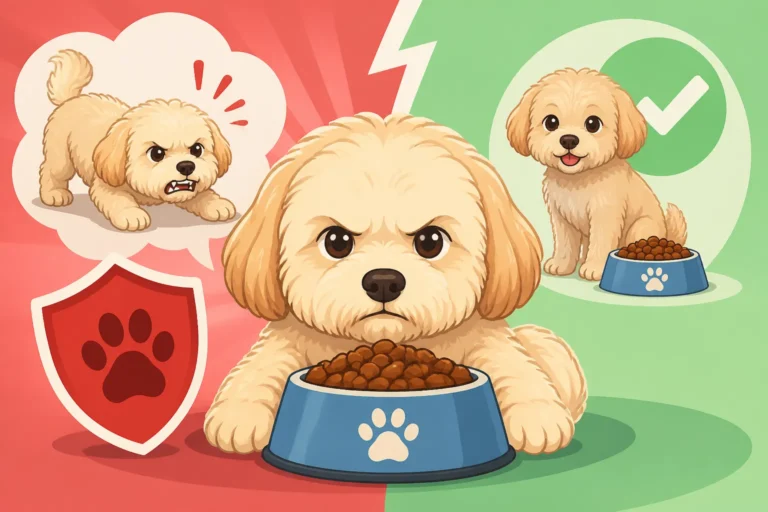
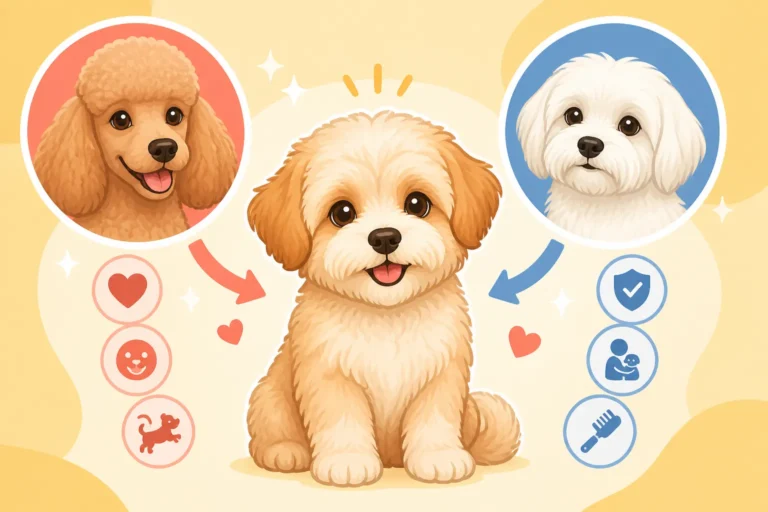
Maltipoos often inherit a sweet, affectionate, and sometimes sensitive temperament from their Maltese and Poodle parents. They are generally eager to please and love human companionship, but this doesn't mean they will tolerate rough handling. A Maltipoo can become stressed, fearful, or even defensive if they feel cornered, hurt, or unsafe. A child's loud voice, sudden movements, or insistent attempts to hold a reluctant dog can quickly turn a positive interaction into a negative one.
It's important to remember that a dog's natural defense mechanism, when feeling threatened, is often to snap or bite. While a Maltipoo's bite isn't as damaging as a larger dog's, it can still be frightening for a child and can severely damage the bond between them. Teaching a child to respect the Maltipoo's cues – a lowered head, a tucked tail, lip licking, or even a small growl – is crucial. These are all signs that your Maltipoo is uncomfortable and needs space. Ignoring these warnings can lead to an escalated reaction, which is never the dog's fault; it's a breakdown in communication. Understanding The Coin Flip Inside Every Maltipoo Puppy regarding their inherited traits means anticipating both the sweet cuddler and the more sensitive or independent personality, and teaching children how to approach both with equal respect and care.
Setting the Stage: Preparing Child and Maltipoo for Interaction
Bringing a Maltipoo into a home with children, or bringing a child into a home with a Maltipoo, requires careful preparation. You can't just expect them to instinctively know how to interact safely. It's a process of education, observation, and gentle guidance for both your human and canine family members. Laying this groundwork is essential for a harmonious household and preventing any unfortunate incidents.
Age Appropriateness and Maturity
Not all children are ready to safely handle a Maltipoo. The younger the child, the more supervision and direct guidance they will need. Toddlers, for example, often lack the fine motor skills, coordination, and impulse control necessary to hold a delicate dog without accidentally hurting it. For these very young children, supervised sitting interactions might be more appropriate than holding. They can learn to gently pet the Maltipoo while it's on an adult's lap or on the floor, providing a safe, controlled environment. Asking Whether a Maltipoo Is Too Fragile for a Toddler is a fair question, and often the answer is that direct holding should be delayed until the child demonstrates sufficient maturity and understanding.
As children grow, typically around ages five or six, they start to develop the dexterity and comprehension needed to learn safe holding techniques. However, this is highly individual. Some children are naturally more gentle and empathetic, while others may need more consistent reminders and practice. You, as the parent, are the best judge of your child's readiness. It’s not about their age as much as their ability to follow instructions, understand consequences, and consistently be gentle and calm around the dog. Start small, with short, supervised sessions, gradually building up as confidence and competence grow.
Teaching Gentle Touches and Respect
Before any lifting or holding occurs, children need to master the art of gentle interaction. Teach them to approach the Maltipoo slowly and calmly, avoiding sudden movements or loud noises that might startle the dog. Show them how to offer a hand for sniffing before petting, and where the dog prefers to be petted – usually on the chest or shoulders, not directly on the head or tail. Use a soft, encouraging tone of voice. Reward gentle behavior from both your child (with praise) and your Maltipoo (with treats) during these interactions.
A great way to practice gentle touches is to sit on the floor with your Maltipoo in your lap or right beside you. Have your child sit next to you, and guide their hand to gently stroke the dog's fur. Emphasize "soft hands" and "whisper voices." If the Maltipoo shows any signs of discomfort – moving away, licking lips, yawning – calmly explain to your child that the dog needs a break. This teaches children to respect the dog's boundaries and signals, reinforcing the idea that the Maltipoo is a living being with feelings, not a toy that must endure endless attention. Consistency in these lessons is key to building a foundation of respect.
Creating a Safe Space for the Maltipoo
Every Maltipoo, especially in a busy family home, needs its own safe haven – a place where they can retreat and feel completely undisturbed. This could be a comfy dog bed in a quiet corner, a soft crate with the door always open, or even a designated playpen area. This space should be off-limits to children unless invited by an adult and the dog is clearly comfortable. Teach your children that when the Maltipoo is in its "house" or bed, it means they need quiet time, and they should not be bothered.
Having a safe space helps prevent situations where a Maltipoo might feel trapped or overwhelmed, reducing the likelihood of stress-induced behaviors. It gives the dog control over its environment and interactions, which is vital for its mental well-being and for fostering a positive relationship with the children. You can find excellent, comfortable crates and beds on sites like Amazon that can serve as this vital sanctuary. This concept also aligns with teaching children that dogs need personal space, much like people do. It's about empowering the dog to feel secure in its home.
The Golden Rules of Holding a Maltipoo
Once your child understands gentle interaction and respects boundaries, you can start teaching them how to properly hold your Maltipoo. This isn't a free-for-all; it's a structured, supervised activity that requires specific techniques to ensure the safety of both dog and child. Remember, consistency and patience are your best tools here.
Approaching Gently and Gaining Trust
Before a child even thinks about picking up a Maltipoo, they need to approach the dog in a way that builds trust, not fear. This means getting down to the dog's level, or at least kneeling down, rather than towering over them. Eye contact should be soft, not staring. Encourage your child to use a gentle, calm voice, perhaps calling the Maltipoo by name in a friendly tone. Offer an open hand for the Maltipoo to sniff, allowing the dog to initiate contact. If the Maltipoo wags its tail and leans into the touch, it’s a good sign they are receptive.
If the Maltipoo seems hesitant or tries to move away, do not force the interaction. This is where teaching respect for the dog’s boundaries comes in. Explain to your child that the Maltipoo isn't ready right now, and they need to try again later. Never let a child chase a Maltipoo to pick it up. The act of chasing will only teach the dog to be fearful of the child. The goal is for the Maltipoo to want to come to the child, or at least be relaxed and comfortable with the approach, making the act of being picked up a positive, not frightening, experience.
The Two-Handed Support Method
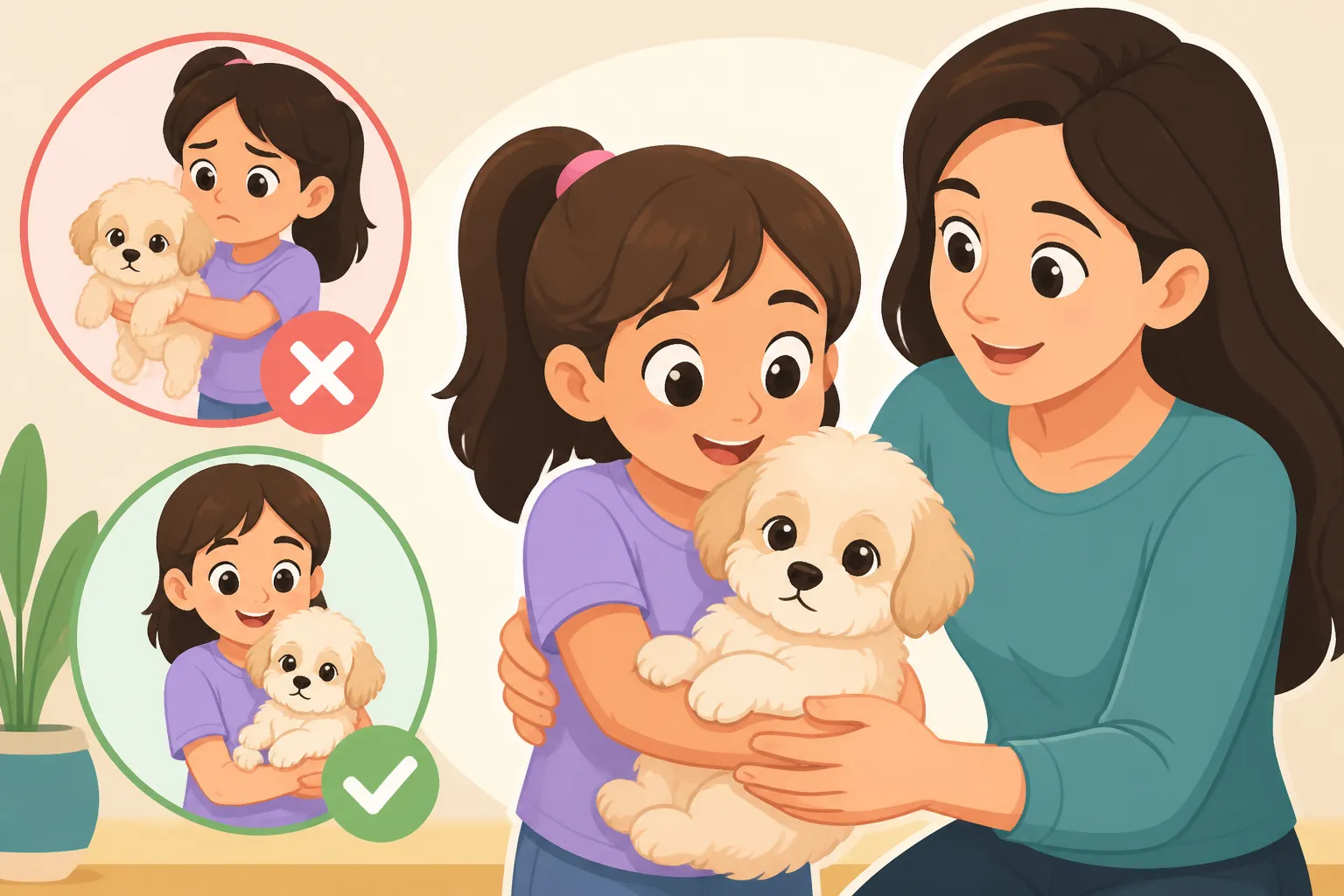
This is the most critical lesson in holding a Maltipoo. Children must learn to always use two hands, providing full support for the dog's body. One hand should be placed securely under the dog's chest, just behind the front legs, while the other hand supports their hindquarters and keeps their spine aligned. The Maltipoo's body should be held close to the child's chest for stability, minimizing any swinging or dropping. It’s like carrying a precious, delicate package. This method is vital for avoiding injury, particularly to their fragile spine and internal organs.
Practice this technique together, perhaps with a stuffed animal first, to get the motion and hand placement right. Then, with you sitting on the floor, have your child practice picking up the Maltipoo under your direct supervision, ensuring they follow the two-hand rule every time. Show them Teaching a Child Where to Support a Maltipoo by demonstrating with your own hands. Emphasize that the Maltipoo should never dangle by its front legs or be held by one arm. Their back and belly need to be completely supported. Make it clear that if the dog squirms, they should immediately put the dog down, safely, rather than trying to hold on tightly.
Where to Hold, and Where Not To
Beyond how to hold, children need to understand where they should hold their Maltipoo. The ideal position is sitting on the floor or a low, stable surface, with the Maltipoo gently placed in their lap. This drastically reduces the risk of falls and provides a more secure base for both child and dog. If a child is standing, the Maltipoo should always be held close to their body, never at arm's length. Teach them to avoid walking around with the Maltipoo unless they are very stable and fully focused.
Conversely, it's equally important to teach children where not to hold the Maltipoo. This includes avoiding:
- By the legs: This can easily cause dislocations or fractures.
- By the scruff of the neck: While mothers do this with puppies, a child's grip can be painful and damaging to an older dog.
- Under the armpits alone: This leaves the hindquarters unsupported and puts strain on the shoulder joints.
- By the tail or ears: These are extremely sensitive areas and can cause pain or injury.
- Upside down or by one paw: This is incredibly unsafe and can cause extreme stress and physical harm.
Reinforce that the Maltipoo’s comfort is paramount. If the dog shows any signs of distress while being held – wiggling, trying to jump down, whining, or even a subtle lip lick – it's time to gently put them down. Always on the floor, never just dropping them.
Supervision and Ongoing Education
Teaching a child how to hold a Maltipoo isn't a one-time lesson; it's an ongoing process that requires constant vigilance, reinforcement, and adaptability. As children grow and dogs age, their interactions will evolve, and your role as the mediator and educator remains crucial.
Constant Adult Presence
For any interaction between a young child and a Maltipoo, an adult must be present and actively supervising. This isn't a passive oversight; it means being within arm's reach, ready to intervene, guide, or redirect if needed. Even if your child seems to have mastered the technique, accidents can happen in an instant, and your Maltipoo's delicate nature leaves little room for error. This active supervision helps prevent both accidental injuries to the dog and potential defensive nips from the dog to the child.
As children mature and demonstrate consistent, safe behavior, you might gradually allow slightly more independence, but never completely remove supervision, especially with small breeds. The general rule is: if you can't be actively watching, then the child and dog should be separated or the dog should be in its safe space. This might mean having your Maltipoo relax in a playpen when children are running around boisterously, or ensuring the dog is always on your lap when a younger child wants to pet. Remember, you are the bridge between your child's boundless energy and your Maltipoo's delicate frame.
Reinforcing Good Behavior
Positive reinforcement works wonders for both children and dogs. When your child correctly holds the Maltipoo, praises them lavishly. Say things like, "Wow, you're being so gentle!" or "That's exactly how to hold Fluffy safely!" This reinforces the desired behavior and makes them feel proud of their good actions. Similarly, reward your Maltipoo with soft praise and maybe a tiny treat when they calmly accept being held by your child. This creates positive associations for both parties.
Conversely, if a child is being too rough or attempting to lift the Maltipoo incorrectly, calmly intervene without yelling. Gently correct their hands or position, explain why it's unsafe, and immediately demonstrate the correct way. Then, give them another chance to do it right, and praise them when they do. This teaches them the right way without creating fear or resentment. Consistency in these corrections and praises will help solidify good habits over time. It's about teaching, not punishing.
Reading Your Maltipoo's Body Language
One of the most valuable skills you can teach your children is how to read a dog's body language. Maltipoos, like all dogs, communicate their feelings through subtle cues. If your Maltipoo is happy and comfortable, their body will be relaxed, tail wagging loosely, ears soft, and eyes calm. They might even lean into the child's touch or offer a small lick. These are good signs.
However, teach your children to recognize signs of discomfort or stress, such as:
- Lip licking: Often a sign of stress or appeasement.
- Yawning: Can be a stress signal, not just tiredness.
- Turning head away or avoiding eye contact: Trying to disengage.
- Stiffening body or freezing: Feeling threatened.
- Tail tucked between legs: Fear.
- Low growl or soft whine: A clear warning.
Explain to your children that if they see any of these signs, it means the Maltipoo needs a break. Immediately and gently place the dog back on the floor or in its safe space. This teaches empathy and prevents escalation. Understanding these signals is a powerful tool for building a respectful relationship and is crucial for interactions, especially as covered in Whether a Maltipoo Warns Before It Snaps.
Common Mistakes to Avoid When Children Hold a Maltipoo
Even with the best intentions, certain common mistakes can inadvertently put your Maltipoo at risk when children are involved. Being aware of these pitfalls allows you to proactively guide your children away from behaviors that could lead to injury or fear.
Lifting by Legs or Underarms
This is perhaps the most common and dangerous mistake. A child's natural instinct might be to grab a dog by the front legs or to scoop them up by placing hands under their armpits. While it might seem easy, this method leaves the entire weight of the dog's body dangling from its delicate shoulder joints and spine. For a tiny Maltipoo, this can easily lead to dislocations, sprains, or even fractures in their tiny bones. Their leg bones are just not designed to support their full body weight in this manner.
Always reiterate and demonstrate the proper two-handed lift, emphasizing that the Maltipoo's hindquarters must always be supported. If you see your child attempting to lift by the legs or underarms, gently stop them, correct their hand placement, and guide them through the safe method. Explain that "we protect their little legs" or "we hold them like a baby" to illustrate the fragility and the need for full support. This repetitive correction is key to breaking bad habits and forming safe ones.
Squeezing Too Tightly or Dropping
Another common issue arises from a child's developing motor skills and their enthusiastic affection. A child might squeeze a Maltipoo too tightly in a hug, not realizing the pressure they're exerting on its small rib cage and internal organs. What feels like a loving embrace to them can be painful and terrifying for the dog. Similarly, a sudden startled movement by the child, or the Maltipoo wiggling, can lead to the child losing their grip and accidentally dropping the dog. Even a short fall can result in severe injury for such a small breed.
Teach children about the concept of "gentle pressure" and "holding firmly but not squeezing." Encourage them to practice with a stuffed animal first, feeling how much pressure is too much. Emphasize that if the Maltipoo tries to get down, they must gently and immediately put them down, rather than holding on tighter. Explain that a dropped dog can get very hurt. Providing a safe, low surface like a cushion on the floor for holding sessions can also mitigate the risk of injury from a fall.
Allowing Rough Play
While play is crucial for a dog's development and a child's enjoyment, "rough play" needs to be strictly defined and largely avoided when it comes to Maltipoos and children. This includes wrestling, tugging on ears or tails, chasing games, or any activity that could lead to accidental injury for such a small dog. A child might not understand their own strength relative to the Maltipoo’s size, and even seemingly innocent games can quickly turn dangerous. A Maltipoo can easily be stepped on, kicked, or dropped during boisterous play.
Instead, redirect children towards safer forms of interaction and play. This might include gentle fetch with soft, small toys, quiet petting, or simply sitting together and reading. Teach children that the Maltipoo's play should always be supervised and calm. If children are engaged in energetic play, ensure the Maltipoo is safely tucked away in its crate or a separate room. This clear boundary helps both the dog feel secure and the children understand appropriate interaction levels. It's about protecting the Maltipoo from accidental harm and fostering a calm, safe environment for everyone.
Tools and Resources to Help
Sometimes, you need a little extra help to make sure interactions between your child and your Maltipoo are safe and positive. Fortunately, there are many tools and resources available that can support your efforts in teaching proper handling and fostering a loving bond.
Using a Dog Sling or Carrier
For very young children, or during times when you need to keep your Maltipoo close and secure while still allowing for interaction, a dog sling or carrier can be an invaluable tool. These allow you to carry your Maltipoo safely and comfortably, keeping them close to your body. Your child can then pet the dog gently while it's securely nestled in the sling, without the risk of accidental drops or improper holding. This is especially useful in situations where the Maltipoo might be overwhelmed, like in a busy environment, or if you simply need to move around the house with your dog safely in tow.
You can find a variety of comfortable and secure slings and carriers on platforms like Amazon. Look for options that offer good support for your Maltipoo's back and are made of soft, breathable material. This not only protects your dog but also helps ease any anxieties they might have about being handled, as they feel the security of being close to you. This also serves as a fantastic visual aid for children, demonstrating how to keep the dog safe and supported without actually having them hold it directly. It’s a great interim step for developing a bond without the risks of direct handling.
Training Programs for Kids and Dogs
Some excellent training programs are specifically designed to teach children how to interact safely and respectfully with dogs. These programs often focus on understanding dog body language, appropriate play, and safe handling techniques, much like what we’ve discussed here. Organizations like BAXTER & Bella offer online puppy training programs that include segments on family integration and teaching children how to interact respectfully with their new puppy. These can be incredibly beneficial for structured learning beyond what you can teach informally at home.
These programs can provide a consistent message and a structured curriculum, ensuring that all aspects of safe interaction are covered. They can also offer troubleshooting tips for specific challenges you might encounter. Even if you don't enroll in a formal program, there are many educational resources online, including videos and articles from certified dog trainers, that can offer guidance. Look for resources that are positive-reinforcement based and emphasize gentle, respectful handling. This external input can be a valuable supplement to your in-home lessons.
Books and Videos for Children
Visual aids and engaging stories can be powerful teaching tools for children. There are many wonderful children's books that focus on how to be gentle and respectful with pets. These books often use relatable characters and simple language to convey important safety messages, such as never pulling a dog's tail, letting a sleeping dog lie, and how to pet gently. Reading these together can spark conversations and help children internalize the rules of safe interaction in a fun, non-threatening way.
Look for books that specifically address small dogs or puppies, as their fragility is a key point. Similarly, child-friendly educational videos found online can reinforce these messages. Watching a video together that demonstrates proper dog handling can be highly effective, as children often learn well through visual examples. After watching, you can practice the techniques shown in the video with your own Maltipoo. This multi-faceted approach, combining direct instruction, hands-on practice, and educational media, creates a comprehensive learning environment for your child, ensuring they grow into a confident, gentle, and respectful companion for your Maltipoo.
Disclaimer
This article is for general informational purposes only and does not constitute professional advice. Laws, prices and regulations vary by location and change over time. Consult a qualified professional for guidance on your specific situation.