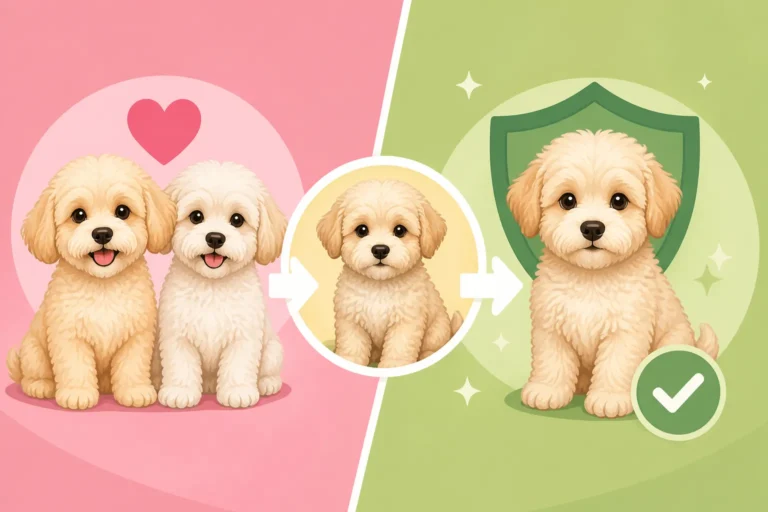
What a Maltipoo Should Know by Six Months
Bringing home a Maltipoo puppy is often a whirlwind of joy, adorable cuddles, and maybe a few "uh-oh" moments on the rug. But as those first few weeks fly by, many new owners find themselves wondering if they're doing enough to shape their furry friend into a well-behaved companion. By the time your Maltipoo hits six months, they should have a solid grasp on some critical life skills and behaviors. This comprehensive guide will walk you through exactly what your Maltipoo should know by this significant milestone, helping you build a confident, happy, and well-adjusted dog.
The Foundation of Early Training: Why Six Months is Crucial
The first six months of a Maltipoo's life are a period of rapid development, both physically and mentally. It's a critical window for learning, socialization, and establishing the routines and boundaries that will govern their behavior for years to come. Think of it as building the blueprint for their adult personality and habits. Skipping or rushing through this stage can lead to frustrating behavioral issues down the line, making life harder for both you and your sweet companion.
Understanding Your Maltipoo's Developmental Stages
Just like human babies, Maltipoo puppies go through distinct developmental phases, each with its own challenges and opportunities. From eight weeks to twelve weeks, they're often in what's called the "fear period" or "socialization window," where positive experiences are paramount and negative ones can have lasting impacts. By four to six months, they're often entering adolescence, testing boundaries, and becoming more independent. This isn't defiance; it's simply a natural part of growing up, and understanding it helps you respond with patience and appropriate training methods.
During these early months, their little brains are like sponges, soaking up every interaction, sound, and smell. They're learning about cause and effect – "if I bark, I get attention," or "if I pee outside, I get a treat." This is why consistent, positive reinforcement is so vital. It’s also when you start to see more of their individual personality emerge, whether they lean more towards the intelligent, sometimes mischievous Poodle side or the gentle, affectionate Maltese. This early period also lays the groundwork for things like The Coin Flip Inside Every Maltipoo Puppy, where their genetic predispositions start to become more apparent in their behavior.
Setting Realistic Expectations for a Maltipoo Puppy
It’s easy to get swept up in the adorable fluffiness and expect instant perfection, but that’s rarely the reality. Your Maltipoo is still a baby, learning to navigate a big, new world. They won't be perfect, and they will make mistakes. Expecting them to be fully house-trained or to never chew on something inappropriate at six months is setting yourself up for disappointment and potentially creating undue stress for your puppy.
Instead, focus on progress, not perfection. Celebrate the small victories: a successful potty break outside, holding a "sit" for a few extra seconds, or not nipping during playtime. Understand that what works for one Maltipoo might not work for another, and sometimes, those little quirks that are so endearing can also be part of the training challenge. For instance, some Maltipoos might be naturally more biddable, while others might inherit a streak of Maltese stubbornness, making certain aspects of training, like recall or house-training, a bit more of a marathon than a sprint.
This also means being realistic about the time commitment. Training isn't a one-and-done event; it's an ongoing process that requires daily effort, even if it's just a few minutes of practice several times a day. If you find yourself struggling, remember that resources like BAXTER & Bella offer comprehensive online puppy training programs that can guide you step-by-step through these crucial months, providing support and techniques tailored to young puppies.
Mastering the Basics: Essential Commands for a Six-Month-Old Maltipoo
By six months, your Maltipoo should have a solid understanding of several fundamental commands. These aren't just parlor tricks; they are crucial for their safety, your peace of mind, and for clear communication between you and your dog. Think of these as their basic vocabulary for interacting with the human world.
Sit, Stay, and Come: Building a Reliable Recall
"Sit" is often the first command a puppy learns, and by six months, your Maltipoo should respond to it reliably and consistently, even with minor distractions. Practice it before meals, before going out, and before getting attention. Make it automatic. "Stay" takes it a step further, teaching impulse control. At six months, your Maltipoo should be able to hold a "stay" for at least 10-15 seconds with you a few feet away, gradually increasing distance and duration. This is invaluable for preventing them from darting out the door or snatching something they shouldn't.
The "come" command, or recall, is arguably the most critical for your Maltipoo's safety. Imagine dropping the leash or an unexpected opening in the fence—a reliable recall could literally save their life. By six months, your Maltipoo should come to you promptly when called, ideally with enthusiasm. Practice this in a variety of low-distraction environments, always making coming to you the most rewarding experience possible. Never use "come" to do something unpleasant, like giving them a bath they hate, or you risk poisoning the cue.
For a Maltipoo, whose small size can make them vulnerable to larger dogs or unexpected dangers, a strong recall is non-negotiable. Whether you're in your backyard or at a friend's house, knowing they'll return to you is priceless. Remember, positive reinforcement is key here – enthusiastic praise, a small, high-value treat, or a favorite toy makes "come" a fun game rather than a chore. It's an ongoing process, and patience is your best friend when teaching your little one to prioritize your call over interesting distractions.
Leash Manners: Navigating the World Together
Walking nicely on a leash is a skill that many owners struggle with, especially with smaller breeds who can easily pull on your arm if not taught properly. By six months, your Maltipoo should be comfortable wearing a harness (which is highly recommended over a collar for a Maltipoo due to their delicate tracheas – more on that in Why a Maltipoo Should Never Wear a Collar), and ideally, walking beside you without excessive pulling. A consistent, loose-leash walk makes outings much more enjoyable for both of you.
Start training in a quiet area with minimal distractions, like your living room or backyard. Use treats and praise to reward moments when the leash is slack. If they pull, simply stop walking until the leash loosens, then continue. This teaches them that pulling gets them nowhere. For a little Maltipoo, who might be easily distracted by every leaf and sniff, this takes dedication. Gradually introduce them to more stimulating environments, always reinforcing the desired behavior.
Remember, a leash isn't just for control; it's for communication. A gentle tug and release, combined with a verbal cue, can redirect their attention. The goal isn't to drag them along, but to have them happily accompanying you. Consider specialized harnesses designed for small dogs, often available on Amazon, which distribute pressure evenly and prevent strain on their neck. This also feeds into building confidence for them to explore the world with you safely, as discussed in Whether a Maltipoo Can Be Let Off the Leash.
Potty Training Consistency: The Ongoing Journey
Ah, potty training – the bane of many a puppy owner's existence! By six months, your Maltipoo should be largely, if not entirely, house-trained. This means they understand that they need to do their business outside and will ideally signal you when they need to go. However, accidents can still happen, especially if routines change or they get overly excited. This is where the "ongoing journey" part comes in.
Consistency is the absolute bedrock of successful potty training. At six months, your Maltipoo should be on a predictable schedule: first thing in the morning, after meals, after waking from naps, before bedtime, and at regular intervals throughout the day. For a small dog with a small bladder, these intervals might still be more frequent than for a larger breed. Refer to guides like How Often a Maltipoo Puppy Needs Taking Out for detailed schedules. Always reward successful outdoor potty breaks with enthusiasm and a special treat.
If accidents are still a common occurrence, it's time to re-evaluate your routine, rule out any medical issues with your vet, and perhaps go back to basics. This might mean increasing supervision, shortening the time between outdoor trips, or using a crate more effectively. Remember that Why Housetraining a Maltipoo Takes Longer Than You Expect is a common reality for owners, so don't get discouraged. Persistence and patience truly pay off in the long run, leading to a much cleaner and happier home.
Socialization Skills: A Well-Adjusted Maltipoo
Socialization isn't just about playing with other dogs; it's about exposing your Maltipoo to a wide variety of sights, sounds, people, and experiences in a positive and controlled way. A well-socialized Maltipoo is a confident Maltipoo, less prone to fear-based aggression, anxiety, or shyness. By six months, this process should be well underway.
Exposure to People and Places
Your Maltipoo should be comfortable interacting with a diverse group of people: men, women, children, people wearing hats, people with glasses, people with different gaits or voices. Introduce them to these individuals gently, ensuring that every interaction is positive and non-threatening. Encourage people to offer treats (with your permission) and engage in calm, gentle petting. A fearful or unsocialized Maltipoo can become nippy or withdrawn, which is not only stressful for them but can also be dangerous.
Beyond people, exposing your Maltipoo to various environments is crucial. Think about places like pet-friendly stores, parks, friends' homes, or even just sitting on a busy bench to observe the world go by. The goal isn't necessarily direct interaction with everything, but simply to acclimate them to different sights and sounds – traffic noise, sirens, skateboards, strollers, children playing. Each new, positive experience helps build their confidence and broadens their understanding of the world as a safe and interesting place.
Remember that a Maltipoo, being a small breed, can sometimes be overlooked or accidentally stepped on in crowded places. Always supervise interactions closely and ensure they feel safe. If they seem overwhelmed, remove them from the situation calmly. The aim is positive exposure, not forced interaction. This early exposure helps them become a delightful companion you can take almost anywhere.
Interacting with Other Dogs and Animals
Controlled, positive interactions with other well-behaved, vaccinated dogs are vital for teaching your Maltipoo appropriate canine social cues. By six months, your Maltipoo should be able to greet other dogs politely, understand play signals, and disengage when play becomes too rough. Puppy classes are an excellent way to achieve this in a safe, structured environment.
However, not all dogs are good teachers. Avoid dog parks where you can't control the temperament of the other dogs, especially for a small breed like a Maltipoo who can easily be overwhelmed or injured. Instead, arrange playdates with friends' or neighbors' dogs that you know are friendly and have good manners. Observe their interactions closely; look for balanced play where both dogs take turns chasing and being chased. If your Maltipoo shows signs of fear or excessive aggression, step in immediately.
If you have other pets, such as cats, rabbits, or even larger dogs, your Maltipoo should have learned to respect their space and boundaries by six months. This usually involves careful, supervised introductions from day one. For instance, if you have a larger dog, ensuring your Maltipoo knows to respect that dog's signals can prevent issues, as discussed in Whether a Maltipoo Accepts the Dog That Was There First. The goal is not necessarily best friends with every creature, but rather peaceful coexistence and appropriate respectful behavior.
Handling and Grooming: Making Routine Care a Breeze
Maltipoos require a fair amount of grooming, and regular handling is a must for both their health checks and everyday life. By six months, your Maltipoo should not just tolerate, but ideally be comfortable with, being touched, examined, and groomed. This makes vet visits less stressful and daily care a bonding experience instead of a battle.
Acclimating to Touch and Handling
From the moment you bring your Maltipoo puppy home, you should be practicing gentle handling. By six months, they should be accustomed to having their paws handled (for nail trims), their ears checked (for cleaning), their mouth opened (for teeth brushing and inspection), and their body petted all over. This isn't just about grooming; it's about building trust and making sure they're comfortable with necessary health checks from you and your veterinarian.
Start with short, positive sessions. Touch a paw, praise, and give a treat. Gently lift an ear, praise, treat. Build up the duration and intensity gradually. If your Maltipoo pulls away, don't force it. Take a break and try again later, making sure to end on a positive note. This also applies to things like being picked up. A Maltipoo should feel secure and relaxed in your arms, not stiff or fearful. This foundational work is invaluable for their long-term well-being and is touched upon in Teaching a Maltipoo to Be Handled Every Two Weeks.
This early conditioning is critical. A Maltipoo that resists handling can make grooming appointments terrifying for both the dog and the groomer, and even routine vet check-ups can become a wrestling match. A calm, cooperative Maltipoo during these essential tasks makes life easier for everyone involved and helps ensure that any potential health issues are caught early.
Brushing, Bathing, and Nail Trims
Maltipoos have beautiful, non-shedding coats that can mat easily. By six months, your Maltipoo should be accustomed to a daily brushing routine. This means they should stand or lie still while you systematically comb through their coat, checking for tangles and debris. They should also be comfortable with the specific tools you use – a slicker brush, a metal comb, and perhaps a dematting tool. Without this, their coat can quickly become a matted mess, leading to painful skin issues and expensive professional grooming.
Bathing, while not a daily event, should also be a positive experience. Your six-month-old Maltipoo should be comfortable with the water, shampoo, and especially the blow dryer. Many small dogs are terrified of the dryer, which can make grooming a nightmare. Introduce these elements slowly, making sure to associate them with treats and praise. Starting early and making it fun is key.
Nail trims are another often-dreaded task. Your Maltipoo's nails should be trimmed regularly, typically every 2-4 weeks. By six months, they should allow you to handle their paws and clip their nails without a major struggle. If you don't feel confident doing this yourself, your vet or groomer can help, but you still need your Maltipoo to be calm enough for them to do it. Daily Starting Tooth Brushing on a Maltipoo Puppy should also be a regular part of their routine, as small breeds are highly prone to dental disease. Establishing these habits early on saves a lot of stress (and money) later.
Independent Play and Crate Comfort: Fostering Confidence
Beyond direct training, a well-adjusted Maltipoo needs to learn how to entertain themselves and feel secure when alone. These skills are vital for preventing common issues like separation anxiety and destructive behavior.
Developing Self-Sufficient Entertainment
While Maltipoos love human attention, they shouldn't be completely reliant on you for entertainment. By six months, your Maltipoo should be able to engage in independent play with appropriate toys for periods of time. This means they can chew on a durable chew toy, explore a puzzle toy, or chase a ball on their own without constantly seeking your direct involvement. This teaches them self-sufficiency and helps prevent boredom-induced behaviors.
To encourage independent play, provide a variety of safe and engaging toys. Rotate them regularly to keep things interesting. Puzzle toys, especially those that dispense treats, are fantastic for mental stimulation and can keep a smart Maltipoo engaged for a good stretch. Brands like Kong and Nina Ottosson (often found on Amazon) offer excellent options. Observe what your Maltipoo enjoys and tailor their toy selection accordingly. Don't underestimate the power of a good chew toy – it satisfies their natural urge to chew and keeps them away from your furniture.
Independent play is crucial for those times when you simply can't be actively engaged with your Maltipoo, whether you're working from home, cooking dinner, or taking a shower. A Maltipoo that can entertain itself is a much calmer and more contented companion. This ties into how to keep them mentally stimulated, which is covered in topics like Whether a Maltipoo Enjoys Puzzle Toys.
Embracing the Crate as a Safe Haven
Crate training is one of the best gifts you can give your Maltipoo, and by six months, they should view their crate as a comfortable, safe den rather than a punishment. They should willingly go into their crate when asked, settle down quickly, and be able to spend a few hours quietly in it. This is invaluable for house-training, safe travel, preventing destructive chewing, and providing them with a secure space of their own.
Introduce the crate gradually and positively. Never use it for punishment. Make it comfortable with a soft bed, a favorite blanket, and a safe chew toy. Feed meals in the crate, and occasionally toss treats inside for them to discover. Start with short periods, gradually increasing the time they spend inside while you are home, then slowly extending to when you leave the house. A Maltipoo that feels secure in their crate is less likely to develop separation anxiety.
If your Maltipoo still whines or cries excessively in the crate at six months, it might be a sign that you need to revisit the basics of crate training or that they're experiencing some anxiety. Ensure the crate is the right size – cozy enough to feel like a den, but large enough for them to stand, turn around, and lie down comfortably. A well-crate-trained Maltipoo provides peace of mind, knowing they are safe and secure when you can't supervise them directly.
Addressing Common Behavioral Challenges by Six Months
Puppies, especially small, energetic breeds like Maltipoos, often present a unique set of behavioral challenges. By six months, many of these issues should be well on their way to being resolved, or at least managed effectively with consistent training.
Nip It in the Bud: Managing Biting and Chewing
Puppy biting is completely normal behavior as they explore the world with their mouths and learn bite inhibition. However, by six months, your Maltipoo should have a soft mouth and understand that human skin is off-limits. They should no longer be nipping hard in play, and any mouthing should be gentle and easily redirected. If your Maltipoo is still biting hard at this age, it’s a red flag that needs immediate attention.
To manage biting, use consistent redirection. When your Maltipoo nips, immediately yelp "ouch!" loudly, withdraw attention, or offer an appropriate chew toy. If the biting persists, end playtime immediately for a few minutes. This teaches them that biting means the fun stops. Ensure they have plenty of appropriate chew toys – durable rubber toys, rope toys, or dental chews. Puppies around this age are also losing their baby teeth and growing in their adult teeth, making their urge to chew even stronger.
Chewing on inappropriate items – furniture, shoes, rugs – should also be a thing of the past by six months, or at least greatly diminished. This is where supervision, redirection, and plenty of suitable chew toys come in. If you can't supervise, your Maltipoo should be in their crate or a puppy-proofed area. Consistency is key here; every time they get away with chewing something they shouldn't, that behavior is reinforced.
Taming the Tiny Tyrant: Barking and Attention-Seeking
Maltipoos, inheriting traits from both the Maltese and Poodle, can sometimes be prone to barking. By six months, your Maltipoo should not be barking excessively or incessantly for attention, at every passerby, or at every unfamiliar sound. While some alert barking is natural, continuous barking can become a nuisance and a hard habit to break if not addressed early.
When your Maltipoo barks for attention, the crucial step is to ignore the barking. Do not look at them, speak to them, or touch them until they are quiet. The moment they stop barking, even for a second, reward them with praise and a treat. This teaches them that quiet gets attention, barking does not. If they bark at sounds outside, you can try distracting them with a fun game or a chew toy before the barking escalates.
Attention-seeking behaviors can also include jumping, whining, or pawing. The same principle applies: ignore the unwanted behavior and reward calm, quiet behavior. Teaching a "place" or "go to bed" command can also be helpful, giving them an alternative, appropriate behavior when they're seeking attention. Being firm, consistent, and patient will help you tame the tiny tyrant and foster a calmer companion.
Separation Anxiety: Preventing Future Woes
For a breed that thrives on companionship like the Maltipoo, separation anxiety can be a real concern. By six months, your Maltipoo should be comfortable being left alone for short periods without exhibiting signs of distress like excessive barking, destructive chewing, or inappropriate elimination. If these signs are present, it's crucial to address them proactively.
Start by practicing short departures. Leave the house for just a few minutes, then return calmly. Gradually increase the duration. Make your departures and arrivals low-key – no big goodbyes or excited greetings. Leave them with a high-value, long-lasting chew toy or a treat-filled puzzle to distract them. Ensure they've had plenty of exercise and a potty break before you leave.
The crate can be an invaluable tool in preventing separation anxiety, as it provides a secure den. However, if your Maltipoo is panicking in the crate, it's not a solution for anxiety, but rather a sign that you need to work on their comfort level in the crate first. Professional guidance from a certified dog trainer or veterinary behaviorist can be extremely helpful if you suspect your Maltipoo is developing separation anxiety. Early intervention is key to preventing this issue from becoming a deeply ingrained problem.
Moving Beyond the Basics: Advanced Learning and Enrichment
While mastering the basics is paramount, a smart breed like the Maltipoo will thrive with continued mental stimulation and new challenges. By six months, once the core commands are solid, you can start to introduce more advanced concepts.
Introduction to More Complex Tricks
Maltipoos, with their Poodle intelligence, are often quick learners and enjoy the mental engagement of trick training. By six months, you can start moving beyond "sit" and "stay" to commands like "shake a paw," "lie down," "roll over," or "spin." These aren't just for entertainment; they build confidence, strengthen your bond, and provide excellent mental exercise.
Break down complex tricks into small, achievable steps. Use luring with treats to guide them into positions, then fade the lure as they understand the verbal cue. Keep sessions short, fun, and positive. Always end on a successful note. Learning new tricks also enhances their problem-solving skills and keeps their minds sharp. Consider enrolling in a puppy or beginner obedience class that goes beyond the basic commands, or explore online resources like those from BAXTER & Bella that often include trick training modules.
The joy of seeing your Maltipoo master a new trick is incredibly rewarding, and it reinforces their willingness to learn from you. It’s also a fantastic way to burn off some of that youthful Maltipoo energy without needing a huge amount of physical space, which is great if you live in an apartment.
Mental Stimulation Beyond Commands
Beyond formal commands and tricks, providing ample mental stimulation is crucial for a happy Maltipoo. By six months, they should be regularly engaging with activities that make them think. This prevents boredom, which can often manifest as destructive or unwanted behaviors.
Think about puzzle toys that dispense food or treats, sniffy mats that encourage their natural foraging instincts, or even simply hiding treats around the house for them to find. Short training sessions themselves are mentally stimulating. Even a simple walk becomes more stimulating if you allow them time to sniff and explore new scents, rather than just marching along. For a breed with such keen intelligence, activities that challenge their minds are just as important as physical exercise.
Another great way to provide mental enrichment is through structured play. Games like fetch, hide-and-seek (with you or a toy), or even gentle tug-of-war (with clear rules about dropping the toy) can provide both physical and mental stimulation. Remember to keep play fair and engaging. A mentally tired Maltipoo is often a well-behaved Maltipoo. This approach also aligns with topics like The Daily Routine a Maltipoo Needs, emphasizing varied activities.
Maltipoo Milestones at Six Months: A Quick Reference
Here's a handy overview of what your Maltipoo should generally be achieving by their six-month mark. Remember, every dog is an individual, so use this as a guide, not a strict checklist.
| Category | What Your Maltipoo Should Know / Do |
|---|---|
| Potty Training | Largely house-trained; signals when needing to go outside; minimal accidents. |
| Basic Commands | Reliable "Sit," "Stay" (10-15 seconds), and "Come" (with distractions). |
| Leash Manners | Comfortable with harness; walks on a loose leash without excessive pulling. |
| Socialization | Comfortable with various people, sounds, and environments; polite greetings with known, friendly dogs. |
| Handling/Grooming | Tolerates regular brushing, paw handling, ear checks, and teeth brushing; comfortable with baths/dryer. |
| Independent Play | Can entertain self with appropriate toys for short periods; engages with puzzle toys. |
| Crate Training | Views crate as a safe den; settles quietly for a few hours alone. |
| Chewing/Biting | Understands human skin is off-limits; redirects to chew toys; infrequent inappropriate chewing. |
| Barking | Not barking excessively for attention or at minor sounds. |
| Alone Time | Comfortable being left alone for short periods without distress. |
Conclusion
Reaching the six-month mark with your Maltipoo is a significant achievement, a testament to your dedication and their incredible capacity to learn. By this age, you should have laid a robust foundation of training, socialization, and confidence that will serve them well for the rest of their lives. While every Maltipoo is unique and learns at their own pace, the consistent effort you put in during these crucial early months directly correlates to the well-adjusted, delightful companion they will become. Keep those training sessions positive, keep the love flowing, and never stop nurturing that incredible bond you're building with your furry best friend.
Disclaimer
This article is for general informational purposes only and does not constitute professional advice. Laws, prices and regulations vary by location and change over time. Consult a qualified professional for guidance on your specific situation.