Whether a Maltipoo Inherits the Maltese Stubbornness
It's incredibly common for Maltipoo owners to wonder what kind of personality their furry friend will develop. You've heard tales of the sweet, gentle Maltese, but also whispers of their stubborn streak. Then there's the intelligent, eager-to-please Poodle influence, and it leaves you wondering: will your adorable Maltipoo inherit that infamous Maltese stubbornness, or will the Poodle side smooth things over? This guide will dive deep into the genetic blend that creates the Maltipoo temperament and equip you with strategies to navigate any independent tendencies your beloved companion might display.
Deconstructing "Maltese Stubbornness" in Your Maltipoo
When we talk about "stubbornness" in dogs, especially in small breeds like the Maltese, it's not usually about malicious defiance. Instead, it often stems from a strong sense of self-preservation, a desire to do things on their own terms, and sometimes, simply a lack of motivation to comply with human requests if there isn't a clear benefit for them. Understanding this distinction is key to effectively working with your Maltipoo.
What Stubbornness Means for a Maltese
The Maltese, while undeniably charming and affectionate, has a long history as a companion dog, often pampered and carried. This means they weren't necessarily bred for tasks requiring strict obedience or intricate commands. They're intelligent, yes, but their intelligence is often geared towards getting what they want, not necessarily pleasing their human at every turn. They can develop very strong opinions about what they'd like to do (or not do!), and if they don't see the point, they might simply ignore you, or offer a very charming, yet firm, refusal.
Think of it this way: a Maltese isn't trying to be difficult; they're just being themselves, which is often a confident, somewhat self-important little dog who knows exactly what they prefer. They're not always driven by a burning desire to please their owner in the same way a retriever might be. This independent streak can manifest as reluctance to move when called, ignoring a command they find inconvenient, or even a standoff when it comes to grooming or housetraining. It's less about a true defiance and more about a charming, yet firm, "No, thank you, I have other plans." This is part of What the Maltese Puts Into a Maltipoo's Character.
Why This Trait Can Be So Frustrating
For many new Maltipoo owners, encountering this "stubbornness" can be incredibly frustrating. You want your dog to listen, to learn, and to be a well-behaved member of the family. When your tiny, fluffy companion looks at you with those big, innocent eyes and then simply walks away from the command you just issued, it can feel like a personal affront. It’s easy to feel like you’re doing something wrong, or that your dog is actively trying to challenge you. This feeling is only amplified when you're trying to achieve crucial milestones like housetraining, where consistent compliance is paramount.
Imagine trying to teach your Maltipoo to go potty outside when it's drizzling, and they simply plant all four paws, refusing to budge from the doorstep, giving you a look that clearly says, "I'm not made for this weather." Or perhaps you're trying to get them to walk nicely on a leash, and they decide to become a rooted statue in the middle of the sidewalk, perfectly content to stay there for an indefinite period. These moments can test the patience of even the most devoted dog parent, making you wonder if you'll ever get through to them.
Recognizing Maltese-Influenced Traits in Your Maltipoo
So, how does this Maltese independence show up in a Maltipoo? It's really a mixed bag, as every Maltipoo is truly The Coin Flip Inside Every Maltipoo Puppy. Some Maltipoos will display a very strong "Maltese streak," appearing aloof or particular about certain activities. You might notice them being selective about who they interact with, or having a distinct preference for soft, comfortable spots over rough play. They might be brilliant at problem-solving, but only when the problem is something they want to solve, like how to get that dropped crumb from under the sofa.
This can manifest as a lack of immediate responsiveness to commands, especially if the command isn't immediately rewarding or if they simply aren't in the mood. They might be fantastic at "sit" indoors but completely ignore you when a squirrel appears outside. You might also see it in resistance to grooming (they simply hate the brush) or a tendency to be quite picky about their food. Understanding that these behaviors often stem from the Maltese side of their lineage can help you approach them with more empathy and less frustration.
The Poodle's Brilliant Influence: Tempering the Willful Streak
Thankfully, the Maltipoo isn't just a Maltese clone. The Poodle side brings a powerful counter-balance to any stubborn tendencies, offering intelligence, trainability, and a strong desire to engage with their human companions. This blend is what makes the Maltipoo such an interesting and often delightful hybrid.
The Poodle's Drive to Please and Learn
Poodles, regardless of size, are renowned for their intelligence and their eagerness to please. They were originally bred as working dogs (retrievers, in fact), which instilled in them a natural drive to understand and carry out human commands. This translates into a dog who typically enjoys training, sees it as a form of bonding, and is highly motivated by praise, toys, and treats. When you look at What the Poodle Puts Into a Maltipoo's Character, this biddability is a huge factor.
This desire to please is a wonderful asset for a Maltipoo owner. It means that even if your Maltipoo has a touch of Maltese independence, the Poodle's influence can make them much more receptive to learning and cooperation. They'll often pick up new commands quickly, enjoy interactive games, and thrive on positive attention from their people. This can make the training journey far more enjoyable and productive than it might be with a purely Maltese personality.
How Poodle Intelligence Aids Trainability
Beyond just a desire to please, Poodles are genuinely clever dogs. Whether a Maltipoo Is as Smart as a Poodle is a common question, and often, the answer leans towards "yes" due to the Poodle's strong genetic contribution. This intelligence means they can grasp complex concepts, learn an impressive array of tricks, and understand routines and expectations with relative ease. They don't just perform tricks; they often seem to understand what you're asking of them.
This inherent intelligence is a huge advantage when it comes to mitigating stubbornness. A smart dog can be taught why certain behaviors are beneficial, or at least associate them with positive outcomes. They're quick to make connections, which means fewer repetitions are needed for them to learn a new command. This intellectual capacity can turn what might be a battle of wills with a highly independent dog into an engaging puzzle or a fun activity for a Poodle-influenced Maltipoo.
The Blending Effect: Poodle Traits Softening the Mix
The beauty of the Maltipoo lies in this blending. The Poodle's intelligence and biddability can act as a powerful softener to the Maltese's more independent or "stubborn" tendencies. Instead of a dog who outright refuses, you might get a dog who hesitates, then complies with a little encouragement. Or a dog who might push boundaries once, but then quickly learns the routine. This blending is what makes it so hard to predict an individual Maltipoo's temperament, as you're often Telling Which Parent a Maltipoo Took After on a spectrum.
For example, while a purely Maltese dog might dig in their heels about coming inside from the yard, a Maltipoo with a strong Poodle influence might take a moment, weigh their options, and then trot over, perhaps expecting a treat for their "effort." This doesn't mean they'll be perfectly compliant 100% of the time – every dog has their moments – but the Poodle side significantly increases the likelihood of a dog who is genuinely interested in learning and participating in family life.
The Maltipoo's Unique Blend: When Genetics Play a Coin Flip
Ultimately, the Maltipoo's temperament is a fascinating genetic lottery, drawing from both parent breeds. There's no single, guaranteed personality for a Maltipoo, which is part of their charm, but also part of the challenge in predicting their traits, including how much "stubbornness" they might exhibit.
The Genetic Lottery: Predicting Your Puppy's Temperament
Bringing a Maltipoo puppy home is like opening a surprise package, especially when it comes to personality. Will they be more outgoing like some Poodles, or a bit more reserved and discerning like a Maltese? Will they be quick to learn, or will they have a more independent streak? It's a true "coin flip" where genes from both parents combine in countless ways. This is why it’s so vital to meet the parents if possible, and to observe the littermates, though even then, individual personalities can blossom differently as they mature.
Some Maltipoos will inherit more of the Maltese's confident, sometimes stubborn, nature, while others will lean heavily into the Poodle's enthusiasm and desire to please. You might get a cuddly couch potato, or a tiny explorer who is always on the go. Early experiences, socialization, and your training approach will all play a massive role in shaping whichever genetic predisposition they started with.
Understanding F1 vs. F1b Maltipoo Personalities
The generation of your Maltipoo can sometimes give a slight clue as to their likely temperament, though it's never a guarantee. An F1 Maltipoo is a direct cross between a purebred Maltese and a purebred Poodle. This generation offers the most "mix" of traits, as there's a 50/50 genetic split. You could get a true blend of both, or a puppy who favors one parent significantly. Whether an F1 Maltipoo's Temperament Is Predictable is often debated, but generally, there's more variability in this first cross.
An F1b Maltipoo, on the other hand, is a cross between an F1 Maltipoo and a purebred Poodle (or sometimes a Maltese, though less common if the goal is usually more Poodle traits like reduced shedding). This "backcross" typically means a higher percentage of Poodle genetics (around 75% Poodle, 25% Maltese). Theoretically, an F1b might lean more towards the Poodle's eager-to-please, highly trainable nature, potentially mitigating some of the Maltese stubbornness. However, individual variations are still very much a reality; it's just a statistical probability shift.
Beyond Genes: The Power of Environment and Early Socialization
While genetics lay the foundation, nurture plays an enormous role in shaping your Maltipoo's personality and how any inherent "stubbornness" manifests. A Maltipoo who is well-socialized from a young age, exposed to many different sights, sounds, people, and appropriate dog interactions, is far more likely to be confident and adaptable. This confidence often makes them more receptive to training, as they're less likely to be fearful or overwhelmed.
Conversely, a Maltipoo puppy who isn't socialized properly might develop fear-based behaviors or become overly protective, which can be misconstrued as stubbornness. Consistent, positive training from day one is also critical. If your Maltipoo learns early on that cooperating with you leads to good things (treats, praise, playtime), they'll be much more inclined to engage, regardless of their genetic predisposition. Never underestimate the power of a loving, structured environment to bring out the best in your Maltipoo.
Mastering Maltipoo Motivation: Strategies for the Independent Spirit
Dealing with a touch of stubbornness in your Maltipoo isn't a dead end. In fact, it's an opportunity to become a more creative, patient, and understanding trainer. The key is to find what truly motivates your particular Maltipoo and use that to your advantage.
The Power of Positive Reinforcement
This is, hands down, the most effective approach for Maltipoos, especially those with a hint of Maltese independence. Yelling or harsh corrections will likely only make a stubborn Maltipoo dig in their heels further, or worse, become fearful and shut down. Instead, focus on rewarding the behaviors you do want to see. When your Maltipoo offers even a glimmer of compliance, celebrate it! This could be with high-value treats, enthusiastic praise, or a favorite toy.
High-value treats are critical here. For some Maltipoos, a piece of plain kibble isn't enough to overcome their desire to do their own thing. Think tiny pieces of cooked chicken, cheese, or specialized training treats you can find on Amazon. The goal is to make obeying you the most rewarding thing they could possibly do at that moment. This positive association builds trust and makes them want to work with you. For a comprehensive program that really focuses on this, consider exploring online platforms like BAXTER & Bella.
Consistency, Patience, and Short Training Sessions
Maltipoos, like many small breeds, have short attention spans. Expecting them to engage in long, drawn-out training sessions is a recipe for frustration for both of you. Instead, opt for frequent, short bursts of training – think 5-10 minutes, a few times a day. This keeps it fun and prevents them from getting bored or overwhelmed. Whether Short Sessions Suit a Maltipoo is a resounding yes! End each session on a positive note, even if it's just for a simple command they already know.
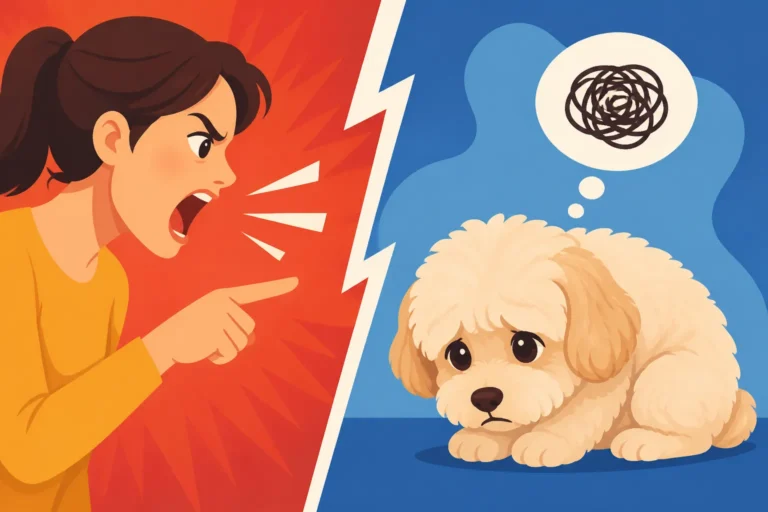
Consistency is paramount. Everyone in the household needs to be on the same page with commands, expectations, and rewards. If one person lets your Maltipoo get away with ignoring a command, it undoes the hard work of another. Patience is also your superpower. Some days will be better than others, and there will be moments where you feel like you're making no progress. Take a deep breath, walk away for a few minutes, and come back with a fresh perspective. Remember, Whether Raising Your Voice Shuts a Maltipoo Down is often true for these sensitive souls.
Making Training a Fun, Engaging Game
A Maltipoo with a stubborn streak is less likely to engage in rote drills. Turn training into a game! Use play to teach commands, incorporate puzzle toys to challenge their intelligence, and make every interaction feel like an opportunity for fun. For example, instead of just commanding "come," make it a game of chase with happy, excited vocalizations and a fantastic reward at the end. Many Maltipoos are highly motivated by food, so figuring out Whether a Maltipoo Works for Food or Praise is usually an easy task, and food often wins out!
Consider incorporating tricks into your routine. Not only are tricks fun for both of you, but they also build confidence and reinforce the positive bond. A Maltipoo that's engaged and enjoying the process is far less likely to be "stubborn." Look for interactive toys or snuffle mats on Amazon to keep their minds busy even when you're not actively training. When training feels like a continuation of playtime, you'll see much more cooperation.
Seeking Expert Guidance for Training Hurdles
If you find yourself consistently struggling with a particular behavior or feeling overwhelmed by your Maltipoo's independent streak, don't hesitate to seek professional help. A qualified dog trainer or behaviorist can offer tailored strategies and help you understand the nuances of your specific dog's personality. They can spot patterns you might miss and provide hands-on guidance.
There are many resources available, from in-person classes to online coaching programs. For example, an online program like BAXTER & Bella offers a wealth of video lessons, live Q&A sessions, and personalized support, which can be invaluable for navigating specific challenges with your Maltipoo. Sometimes, an outside perspective is all you need to unlock your Maltipoo's full potential and transform that perceived stubbornness into a charming independence that you both can appreciate.
Disclaimer
This article is for general informational purposes only and does not constitute professional advice. Laws, prices and regulations vary by location and change over time. Consult a qualified professional for guidance on your specific situation.