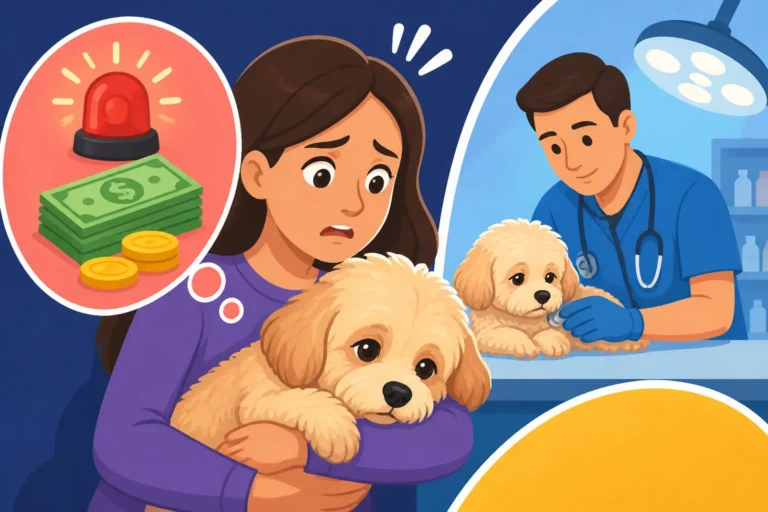
What an Untested Maltipoo Costs You at Two
It's an unfortunate truth that many prospective Maltipoo owners, eager to bring a fluffy new family member home, might be tempted by a lower upfront price tag. However, skimping on a puppy from an "untested" lineage often leads to a harsh reality by the time that adorable pup reaches its second birthday. This guide will meticulously break down the often-hidden, significant financial burdens and heartaches that can emerge when your Maltipoo, now a young adult, starts to show symptoms of preventable genetic conditions, revealing the true cost of those initial "savings."
The Hidden Price Tag of a "Bargain" Puppy: When Genetics Catch Up
When you're looking for a Maltipoo puppy, it's easy to get caught up in the excitement and the sheer cuteness of it all. You might see two puppies that look equally adorable, but one comes with a significantly higher price tag than the other. Often, that difference boils down to health testing on the parent dogs. A breeder who invests in thorough health screenings is spending considerable money and time ensuring they're not passing on genetic predispositions to serious conditions. The breeder who offers a "bargain" puppy often skips these vital steps, and while that seems like a saving on day one, it's usually just delaying the inevitable transfer of cost to you, the new owner.
Think about it: a brand-new car might seem cheap, but if it hasn't passed safety inspections or has known manufacturing defects, you're looking at a future full of repair bills. It's the same principle with a living creature. A Maltipoo puppy, at eight or twelve weeks old, often appears perfectly healthy. They're tiny bundles of energy, full of joy and curiosity. But many inherited conditions are like ticking time bombs; they don't show obvious signs in infancy. By the time your Maltipoo hits their first or second birthday, their body has matured enough for these underlying issues to manifest, sometimes quite dramatically. This is when the true, often astronomical, cost of an untested background really starts to bite.
What does 'untested' truly mean in the context of a Maltipoo? It means the parents were likely not screened for common genetic predispositions that plague both Maltese and Poodle lines. We're talking about things like patellar luxation, a condition where the kneecap slips out of place, or certain eye diseases that can lead to blindness, or even more severe issues like liver shunts. A breeder choosing not to test isn't necessarily a bad person, but it does mean they're not doing their due diligence to ensure the health of their puppies, and you, as the owner, inherit that risk. When those health problems surface by age two, you're left to deal with the physical discomfort for your dog and the financial strain on your wallet, often without the benefit of knowing what to expect.
Common Ailments That Surface (and Cost) by Age Two in Untested Maltipoos
By the time your Maltipoo reaches their second year, they are usually considered a young adult. This is often the age when a number of inherited conditions, latent during puppyhood, decide to make their grand, expensive entrance.
Dental Disease: A Silent Attacker
Maltipoos, being a cross of two small breeds (Maltese and Poodle), are almost predisposed to dental issues. Both parent breeds have rather crowded mouths, and The Forty Two Teeth Crowding a Maltipoo's Jaw in a tiny space means there's a higher chance for plaque and tartar to build up rapidly. By two years old, many untested Maltipoos are already exhibiting significant dental problems like gingivitis (inflammation of the gums) or periodontitis (more advanced gum disease).
This isn't just about bad breath, which can be an early warning sign. Unchecked dental disease leads to painful infections, loose teeth, and potentially costly extractions. A routine professional dental cleaning under anesthesia is a significant expense, and if your vet discovers multiple teeth needing extraction, the costs can escalate dramatically. Imagine facing a bill that could rival a down payment on a car, just to get your two-year-old Maltipoo's mouth healthy again. While using quality dental chews from Chewy or special water additives can help, they are no substitute for early preventative care and professional cleanings. Regular brushing, ideally daily, is crucial, but even that can't always counteract severe genetic crowding. How Often a Maltipoo Needs a Dental is a question that often arises too late for many owners of untested dogs.
Patellar Luxation: The Skipping Step
One of the most common and expensive orthopedic issues in small breeds like the Maltipoo is patellar luxation, or "slipping kneecaps." Slipping Kneecaps in a Maltipoo can begin to show as early as six months, but it often becomes more pronounced, painful, or debilitating by the time your dog is two. You might notice your once-playful pup occasionally skipping a step, holding a leg up for a moment, or showing a more persistent lameness, especially after activity. These are red flags.
If the parents of your Maltipoo weren't screened for patellar luxation, you're playing a high-stakes game. By age two, if your Maltipoo has a higher grade luxation – say, a Grade 3 or 4 on The Four Patella Grades and Where a Maltipoo Lands – surgery is often recommended to alleviate pain and prevent further joint damage. This is not a cheap procedure. Surgical correction for patellar luxation can be incredibly costly, and if both knees are affected (which is not uncommon), the expense effectively doubles. This is precisely the kind of unforeseen expense that can turn a seemingly affordable puppy into a financial burden. If you've been proactive and secured pet insurance like Healthy Paws when your Maltipoo was a healthy puppy, such a condition might be covered. However, if diagnosed before insurance is in place, it will almost certainly be excluded as a pre-existing condition, leaving you to cover the full amount yourself. Whether a Maltipoo's Kneecap Needs Operating is a conversation many owners of untested dogs find themselves having with their vet far too soon.
Liver Shunt: A Critical Condition
While sometimes diagnosed earlier in severe cases, some milder forms of The Liver Shunt a Maltipoo Can Inherit From the Maltese might not present with overt, alarming symptoms until a Maltipoo is a bit older, perhaps around two years. Symptoms can be subtle: poor growth despite eating well, intermittent lethargy, gastrointestinal upset, or behavioral changes like circling or staring. These could easily be dismissed as minor puppy ailments until they become more persistent and severe.
By two years of age, if an untested Maltipoo has an undiagnosed liver shunt, the condition could lead to a sudden crisis, such as neurological problems or a buildup of toxins in the blood. This would necessitate emergency veterinary visits, specialized diagnostic tests (like a bile acid test), and potentially complex, life-saving surgery. This is a congenital condition that reputable breeders screen for in parent dogs precisely because of its severity and the significant financial and emotional toll it takes on owners. The cost of diagnosing and treating a liver shunt can be staggering, often involving specialist veterinarians and extensive post-operative care.
Eye Conditions: More Than Just Tear Stains
Both the Maltese and the Poodle contribute to a Maltipoo's genetic makeup, and unfortunately, both breeds are prone to various eye conditions. The Eyes a Maltipoo Gets From the Poodle can include progressive retinal atrophy (PRA), which can lead to blindness. While often presenting later in life, some forms might show subtle signs of night blindness or vision impairment by age two. Other issues, such as distichiasis (extra eyelashes rubbing on the cornea) or blocked tear ducts (leading to chronic tear staining and irritation), might not be life-threatening but require ongoing veterinary care, special eye drops, and sometimes minor surgical procedures.
These conditions might not incur a single massive bill like patellar surgery, but the cumulative cost of repeated vet visits, specialized medications, and potential corrective procedures for chronic eye problems can certainly add up over time. And for tear staining, beyond the aesthetic concern, constant wetness can lead to skin irritation and infections around the eyes, requiring further treatment.
Beyond the Vet Bill: Lifestyle Adjustments and Ongoing Care Costs
The financial implications of an untested Maltipoo don't stop at the vet's door. Dealing with chronic health conditions often requires significant adjustments to your dog's daily life and, by extension, your budget.
Specialized Diets, Medications, and Supplements
If your Maltipoo, by age two, develops chronic issues like severe allergies, kidney problems, or persistent gastrointestinal sensitivities – sometimes secondary to other conditions like liver shunts or even dental infections – a prescription diet often becomes a necessity. Brands like Ollie offer fresh food options, and while excellent, they can be more expensive than standard kibble. Similarly, premium veterinary-specific diets from Chewy or your vet's office are not cheap. The continuous cost of these specialized foods quickly adds up over the years.
Beyond food, many chronic conditions require ongoing medication or supplements. Daily pain relief for early arthritis stemming from untreated knee issues, anti-inflammatory drugs, or liver support supplements are not one-time purchases. They become a permanent, recurring line item in your monthly budget. Imagine the cumulative expense of managing a chronic issue for potentially The Twelve to Fifteen Years a Maltipoo Lives. These costs can feel overwhelming, especially when they were entirely unexpected.
Increased Grooming Needs
A Maltipoo's beautiful, non-shedding coat is one of their most attractive features, a gift from The Coat a Maltipoo Gets From Two Non Shedding Parents. However, this coat requires diligent care. If your two-year-old Maltipoo develops skin allergies, chronic ear infections, or other dermatological issues that might stem from an untested background, your grooming regimen could become much more intensive. Frequent medicated baths, special shampoos, more regular ear cleaning, and closer shaves might be needed to manage skin conditions or prevent painful matting.
This might mean more frequent, and thus more expensive, trips to the professional groomer, or a significant investment of your own time and specialized tools to groom at home. It's not merely about aesthetics; it's about managing discomfort and preventing secondary infections, adding another layer of recurring cost to your ownership.
The Pet Insurance Conundrum
Many owners, realizing the financial strain of vet bills, decide to get pet insurance for their two-year-old Maltipoo. This is a wise move, but here's the catch: any condition that has already been diagnosed or shown symptoms before your policy's waiting period ends will be classified as a pre-existing condition. This means your pet insurance provider, whether it's Healthy Paws or another company, will likely not cover any future treatments related to that specific issue.
So, if your untested Maltipoo at two years old has already had patellar luxation diagnosed, or if chronic dental issues were noted in their vet records, you'll be footing the bill for those specific problems out of your own pocket. This highlights why getting pet insurance when your Maltipoo is a healthy puppy, ideally soon after you bring them home, is so critical. It protects you from the unknown, which is exactly what an untested background represents.
The Emotional and Time Investment
Beyond the sheer financial cost, there's a significant emotional and time investment when dealing with a chronically ill or frequently ailing Maltipoo. The stress of constant vet appointments, managing medications, worrying about your dog's pain or discomfort, and the uncertainty of their long-term prognosis can be incredibly draining. It takes a toll on your peace of mind and can significantly impact the joy of having a companion. This often overlooked cost is perhaps the heaviest burden of all when you acquire an untested dog.
The Financial Snapshot: Tested vs. Untested by Age Two
The initial purchase price of a health-tested Maltipoo from a reputable breeder might seem substantial, but it's an investment in a lower risk of future health problems. This breeder has put money into genetic screenings, vet checks, and often provides The Four Certificates a Maltipoo Breeder Should Show as proof of their diligence. This higher upfront cost effectively shifts the risk burden away from you, the buyer, reducing the likelihood of expensive surprises down the road.
Conversely, a cheaper, untested Maltipoo places that entire risk squarely on your shoulders. By age two, many owners of untested dogs have already faced significant expenses that far outweigh any initial savings on the puppy's purchase price.
Here's a simplified look at how potential costs might stack up:
| Common Maltipoo Health Concern | Potential Cost (Untested Maltipoo by Age Two) | Preventative Cost (Tested Maltipoo at Purchase) | Notes |
|---|---|---|---|
| Dental Cleaning/Extractions | Typically Moderate to High | Low (good early care, less prone to severe crowding) | Untested dogs often require earlier, more extensive intervention. |
| Patellar Luxation Surgery | Very High (per knee) | N/A (low risk if parents cleared) | If grade 3-4, surgery is often necessary; costs double for both knees. |
| Liver Shunt Diagnosis/Treatment | Extremely High (diagnostics + surgery) | N/A (low risk if parents tested) | Life-threatening, requires specialist care; can be bankrupting. |
| Chronic Eye/Ear Issues | Moderate (ongoing meds/vet visits) | Low (routine care) | Requires continuous management for allergies, infections, or irritations. |
| Specialized Diet (e.g., allergies) | Moderate (ongoing monthly expense) | N/A (standard food) | Essential for managing chronic conditions that may develop due to genetic predispositions. |
| Pet Insurance (pre-existing conditions) | Not covered for existing issues | Moderate (monthly premium, covers new conditions) | Crucial to get insurance early when the dog is healthy to avoid pre-existing exclusions. |
| Emergency Vet Visits | Potentially High (e.g., for sugar crash or crisis) | Lower risk if robust health testing done | Untested puppies may also have higher risk of issues like What an Emergency Sugar Crash Costs a Maltipoo Owner if not properly managed. |
The true investment in a reputable breeder, who diligently health-tests their breeding stock, is not just in the puppy itself, but in the peace of mind and the significantly reduced likelihood of these devastating financial and emotional costs. You're buying a better chance at a healthy, happy companion for many years to come. While no breeder can guarantee a dog will never have health issues, responsible testing dramatically stacks the odds in your favor. What Breeding Smaller Costs a Maltipoo often refers to these exact health concerns, emphasizing that some practices can exacerbate these risks.
Ultimately, the choice to acquire an untested Maltipoo, while seemingly cheaper upfront, often becomes a dramatically more expensive path by the time your beloved dog celebrates its second birthday. Investing in a healthy start is investing in a happier, less stressful future for both you and your Maltipoo.
Disclaimer
This article is for general informational purposes only and does not constitute professional advice. Laws, prices and regulations vary by location and change over time. Consult a qualified professional for guidance on your specific situation.