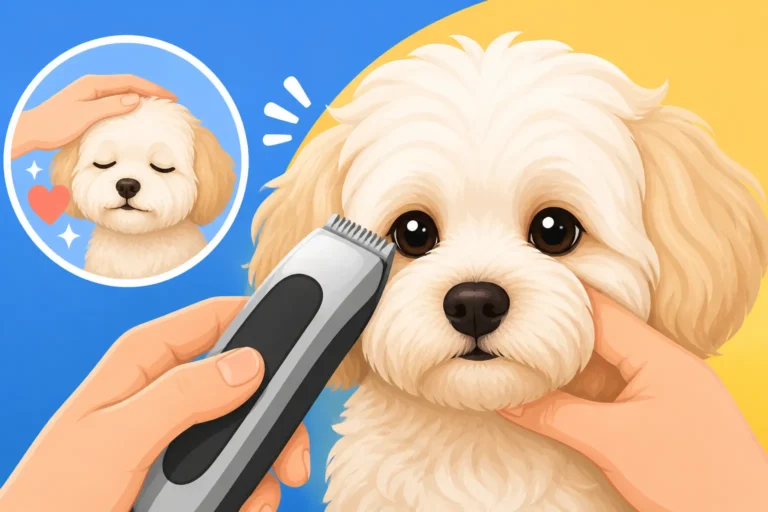
How Often a Maltipoo Is Actually Handled
One of the most common misconceptions about owning a Maltipoo, or any small dog for that matter, is that because they're tiny, they don't really need much in the way of structured handling. Many new owners assume their little fluff ball will just naturally tolerate being picked up, brushed, or having their ears cleaned. However, the reality is that consistent, positive handling is absolutely critical for your Maltipoo's well-being, safety, and your sanity. This guide will delve into why it's so important and how often you'll actually find yourself needing to handle your sweet companion.
Why Consistent Handling Isn't Just for Groomers (It's for Life!)
It's easy to think of handling as something that only happens when you drop your Maltipoo off at the groomer, or perhaps during a quick snuggle on the sofa. But the truth is, handling is a fundamental part of a Maltipoo's daily life, affecting everything from their hygiene to their health and even their emotional security. Without a solid foundation of positive handling experiences, even routine care can become a stressful ordeal for both of you.
More Than Just a Pretty Face: Beyond the Basic Brush
Let's be real, a Maltipoo's gorgeous coat is a huge part of their charm. But that beautiful, non-shedding fur comes with a significant responsibility: it mats. And mats aren't just an aesthetic issue; they can be incredibly painful, pulling on the skin and creating hot spots or infections. To prevent this, your Maltipoo needs to be brushed and combed regularly, often daily. This isn't a five-second swipe; it means working through their entire coat, down to the skin, in a structured way.
Beyond brushing, consider their eyes and ears. Many Maltipoos are prone to tear staining, which requires daily gentle wiping of the face. Their floppy ears can also get waxy and need regular cleaning. If your Maltipoo isn't comfortable with you touching their face, lifting their ears, or holding their paws, these essential tasks become battles. Imagine trying to untangle a mat behind their ear or trim a stray hair near their eye if they're squirming and snapping. Consistent handling turns these necessities into calm, accepted parts of their day, rather than dreaded events. It's truly about setting them up for a lifetime of comfort and cleanliness. You'll want to remember The Two Week Face Trim a Maltipoo Needs as they grow.
Health Checks and Vet Visits: Building a Foundation of Trust
No one wants to think about their beloved Maltipoo getting sick or injured, but it's a reality of pet ownership. From routine vaccinations and annual check-ups to unexpected trips to the vet for an upset tummy or a limping paw, your dog will be handled by medical professionals. If your Maltipoo isn't accustomed to being touched, poked, and prodded – even gently – these experiences can be terrifying for them.
Regular handling at home builds a vital foundation of trust and tolerance. By routinely examining your Maltipoo's paws, gently opening their mouth to check their teeth, feeling along their body for any bumps, and lifting their tail, you're not only desensitizing them to these sensations, but you're also staying attuned to their health. This proactive approach allows you to spot potential issues early, like The Forty Two Teeth Crowding a Maltipoo's Jaw or a new lump, and makes the vet's job much easier. A calm, cooperative dog during an examination gets a more thorough check and experiences less stress, which is a win for everyone involved.
Accident Prevention and Safety: Navigating a Big World
Maltipoos, especially the smaller ones, can be incredibly delicate. Their small size makes them vulnerable to accidental injury, whether it's from a clumsy human foot, a fall from a height, or an encounter with a much larger, less careful dog. Being able to quickly and safely pick up your Maltipoo is a crucial safety skill. If your dog panics or struggles when you try to lift them, there's a higher risk of them being dropped or injured in the process.
Furthermore, consider everyday scenarios: you need to move them out of the path of a vacuum cleaner, lift them onto the sofa for cuddles, or perhaps carry them over a busy street. Each of these moments involves handling. A Maltipoo that is comfortable with being held, carried, and gently restrained is a safer Maltipoo. It means you can react quickly in an emergency without adding panic to the situation. Teaching them to accept handling means they're less likely to resist when it matters most, protecting them from harm. You might be surprised Whether a Maltipoo Can Be Injured by a Fall, and this is where safe handling comes in.
The Daily Grind: A Realistic Look at Your Maltipoo's Handling Needs
So, we've established why handling is so important. Now let's get down to the nitty-gritty: how often are you actually going to be handling your Maltipoo? The answer, for most conscientious owners, is… a lot. It’s not just about scheduled grooming; it’s woven into the fabric of daily life.
The 'Touch It All' Routine: Ears, Paws, Mouth, and Tail
Think of this as your daily five-minute check-in. Every single day, you should aim to gently touch every part of your Maltipoo's body. This might sound like a lot, but it can be integrated seamlessly into cuddle time or just before a meal.
- Paws: Pick up each paw, gently spread the toes, and feel between the pads. Look for debris, cuts, or irritated skin.
- Ears: Lift their floppy ears, look inside, and gently rub the ear flap. This is crucial for preventing Whether a Maltipoo Gets Ear Infections.
- Mouth: Briefly lift their lips to inspect their gums and teeth. This sets the stage for Brushing a Maltipoo's Teeth Every Single Day.
- Body: Run your hands over their entire body, feeling for any new lumps, bumps, or tender spots.
- Tail & Rear: Gently lift their tail and check the area around their rear.
The goal here isn't to fix anything but simply to normalize being touched in these areas. Use a calm, reassuring voice and offer a tiny, high-value treat after each successful touch. These brief, positive encounters desensitize them to handling and make it clear that your touch is safe and pleasant.
Grooming Essentials: Brushing, Combing, and Face Wipes
This is where the real daily commitment for a Maltipoo comes in. Their beautiful coat demands attention.
- Brushing and Combing: For many Maltipoos, especially those with longer or wavier coats, daily brushing is non-negotiable to prevent mats. You'll spend anywhere from 10-20 minutes, depending on coat length and texture, systematically brushing and then combing through their fur. This needs to be a full-body experience, requiring you to gently manipulate them into various positions – on their back, on their side, standing – all of which require them to be comfortable with your handling.
- Face Wipes: Due to potential tear staining and food residue, daily face wiping around their eyes and mouth is usually necessary. This involves holding their head steady and gently wiping with a damp cloth or specialized pet wipe. It’s a quick task but requires cooperation. How Often a Maltipoo Needs Its Eyes Cleared is likely daily for many.
- Nail Checks: While not necessarily a daily trim, you should be checking your Maltipoo's nails at least a few times a week to monitor their length and ensure no splits or breaks. This means holding their paw, extending their toes, and briefly examining each nail.
Even if you rely on a professional groomer, consistent at-home handling for daily grooming helps bridge the gaps between appointments and makes those professional visits much less stressful. You can find many of these grooming tools on platforms like Amazon, making it easy to keep up with your routine.
The 'Unscheduled' Handling: Life's Little Surprises
Beyond the planned health checks and grooming sessions, there's a constant stream of "unscheduled" handling moments throughout the day. These are the times you simply need to interact with your Maltipoo:
- Picking Up: Whether it's to move them off the furniture, carry them outside, or lift them for a sudden cuddle, you'll be picking up your Maltipoo multiple times a day.
- Moving Aside: Gently nudging them with your foot (never harshly!), or using your hand to guide them out of the way of a door or your path.
- Comforting: Holding them close during a thunderstorm or a scary noise, requiring them to be comfortable being held securely.
- Treating: Holding their head steady to give a pill or applying topical medication.
These seemingly small interactions add up. By consistently making them positive and gentle, you reinforce the idea that your touch is a good thing, building a more confident and well-adjusted dog.
Making Handling Positive: Tips for a Happy, Cooperative Maltipoo
The secret sauce to frequent handling success isn't brute force; it's about making every interaction a positive one. Your Maltipoo should associate being handled with good things, not stress or fear.
The Power of Positive Reinforcement: Treats and Praise
This is your most powerful tool. Every time you touch your Maltipoo in a way that might be perceived as intrusive (even a gentle ear lift), immediately follow it with a high-value treat and enthusiastic, calm praise. The treat should be something they absolutely adore – a tiny piece of cheese, boiled chicken, or a special soft chew.
Break down any handling task into the smallest possible steps. For example, if you're working on nail trims:
- Just touch a paw, treat.
- Hold a paw for a second, treat.
- Touch a nail, treat.
- Briefly touch the clippers to a nail, treat.
Never force your Maltipoo. If they pull away or show signs of stress (lip licking, yawning, tensing up), stop, take a break, and try again later with an even smaller step. The goal is to avoid creating negative associations that will make future handling even harder. Remember, patience is key.
Starting Young: The Puppy Advantage
If you have a Maltipoo puppy, you have a golden opportunity to instill a love of handling from day one. Puppies are naturally more curious and less set in their ways. Start with very brief, gentle sessions, touching every part of their body while they're relaxed and sleepy, or during a play session.
Many reputable breeders practice early handling and socialization, which gives you a head start. Consider enrolling in an online puppy training program, such as BAXTER & Bella, which often includes modules specifically on positive handling and desensitization. These structured programs can guide you through the process, ensuring you're building good habits from the beginning. It's often recommended to start How Early a Maltipoo Should Meet a Groomer for this reason too.
Tools of the Trade: Brushes, Combs, and Handling Aids
Having the right equipment can make a world of difference.
- Quality Brushes and Combs: Invest in a good pin brush and a metal comb (with both fine and wide teeth) from a brand like Safari or Chris Christensen. These tools will allow you to work through their coat effectively without causing discomfort.
- Grooming Table: For at-home grooming, a small, sturdy grooming table can be a game-changer. It elevates your Maltipoo to a comfortable height, saving your back, and often makes them more settled as they learn this is their "grooming spot." You can even use a non-slip bathmat on a sturdy kitchen counter as a makeshift table.
- Non-Slip Surfaces: When handling on a table or counter, always use a non-slip mat to prevent slips and falls, which can be traumatic and dangerous for a small dog.
- Dental Tools: A small toothbrush designed for dogs and enzymatic toothpaste are essential for Brushing a Maltipoo's Teeth Every Single Day.
By having the right tools and creating a dedicated, positive handling space, you make the experience more efficient and less stressful for your Maltipoo.
What Happens When Handling Is Neglected?
While it might seem easier to avoid handling a resistant Maltipoo, neglecting this crucial aspect of their care can lead to a cascade of problems that are far more difficult and heartbreaking to resolve later on.
The Matting Nightmare and Groomer Distress
A Maltipoo with neglected handling is almost guaranteed to end up with severe matting. These mats start small, often behind the ears, in the armpits, or on the legs, but quickly grow into dense, painful pelts that can cover large areas of their body.
- Pain and Discomfort: Mats pull on the skin constantly, causing chronic pain and discomfort. They restrict movement and can hide skin infections, parasites, or injuries underneath.
- Stressful Grooming: When a severely matted Maltipoo goes to the groomer, the only humane option is often a full shave-down. This process is stressful and can be painful even for a professional, often requiring extra time and cost. The dog might develop a negative association with grooming, making future visits even more challenging.
- Emotional Trauma: The experience of being shaved down, especially if it involves painful de-matting or a frustrated groomer, can be emotionally traumatic for your Maltipoo, making them fearful and defensive about being touched in the future.
This cycle is incredibly hard to break, and it's entirely preventable with consistent, gentle handling at home.
Health Issues Going Unnoticed: A Hidden Danger
Without regular handling and examination, subtle health issues can easily go unnoticed until they become advanced and more difficult (and expensive) to treat.
- Dental Disease: If you can't open your Maltipoo's mouth to check their teeth or brush them, severe dental disease can take hold. This leads to painful infections, tooth loss, and can even spread bacteria to vital organs like the heart and kidneys. You might not notice the bad breath until it's severe, or the pain until they stop eating. This is why Whether Dental Disease Shortens a Maltipoo's Life is a real concern.
- Skin and Ear Infections: Mats can hide skin irritations that turn into infections. Uncleaned ears can lead to painful ear infections. Without routine inspection, these issues fester, causing greater suffering for your dog and requiring more intensive veterinary intervention.
- Lumps and Bumps: Small growths or lumps that could be benign or cancerous might be missed until they've grown significantly, potentially limiting treatment options. Regular body checks during handling mean you're more likely to catch things early.
A dog that resists handling is also harder for a vet to examine thoroughly, potentially leading to missed diagnoses or requiring sedation for routine check-ups, which adds risk and expense.
Behavioral Challenges and Safety Risks
A Maltipoo not accustomed to handling can develop behavioral problems stemming from fear and anxiety.
- Aggression: A dog that feels threatened by touch may bite or snap to protect themselves. This can be especially dangerous around children or during necessary care.
- Fear and Anxiety: Constantly being handled in ways they perceive as scary or unpleasant can lead to a generally anxious dog who retreats from human interaction. This undermines the bond you share and makes them less comfortable in the world.
- Increased Injury Risk: As mentioned earlier, a dog that struggles when picked up is at a higher risk of being dropped and injured. If they bite a caregiver or vet, it can complicate their care and might lead to difficult decisions about their future.
Investing time in positive handling training from an early age, or even rehabilitating an older dog with a gentle approach, is truly an investment in your Maltipoo's lifelong happiness, health, and safety.
| Handling Activity | Recommended Frequency | Key Benefits |
|---|---|---|
| Full Body "Touch It All" Check | Daily | Early detection of lumps/irritations, desensitization, builds trust. |
| Brushing/Combing Coat | Daily | Prevents mats, distributes natural oils, coat health. |
| Face/Eye Wipe | Daily | Prevents tear staining, clears food debris, prevents eye irritation. |
| Mouth/Teeth Check & Brush | Daily | Prevents dental disease, monitors gum health. |
| Paw/Nail Check | Every few days | Checks for injuries, debris, monitors nail length. |
| Ear Clean | Weekly or Bi-weekly | Prevents wax buildup, checks for infections (more often if prone to issues). |
| Full Groom (Professional/Home) | Every 4-8 weeks | Comprehensive clip, bath, nail trim, ear cleaning (essential for coat maintenance). |
| Vet Exam | Annually (or as needed) | Professional health check, vaccinations, specific medical procedures, often requiring significant handling and restraint. |
Disclaimer
This article is for general informational purposes only and does not constitute professional advice. Laws, prices and regulations vary by location and change over time. Consult a qualified professional for guidance on your specific situation.