Whether a Maltipoo Warns Before It Snaps
It’s a truly unsettling thought, isn't it? That your sweet, affectionate Maltipoo might suddenly snap and bite without any warning. Many owners feel a knot in their stomach worrying about this, especially if they have children or if their Maltipoo is particularly tiny and seems vulnerable. The truth is, a bite rarely, if ever, comes out of nowhere. Dogs, including our beloved Maltipoos, communicate constantly, and this guide will walk you through how to recognize their subtle signals long before they ever feel the need to resort to a snap or a bite.
The Myth of the "Sudden" Bite
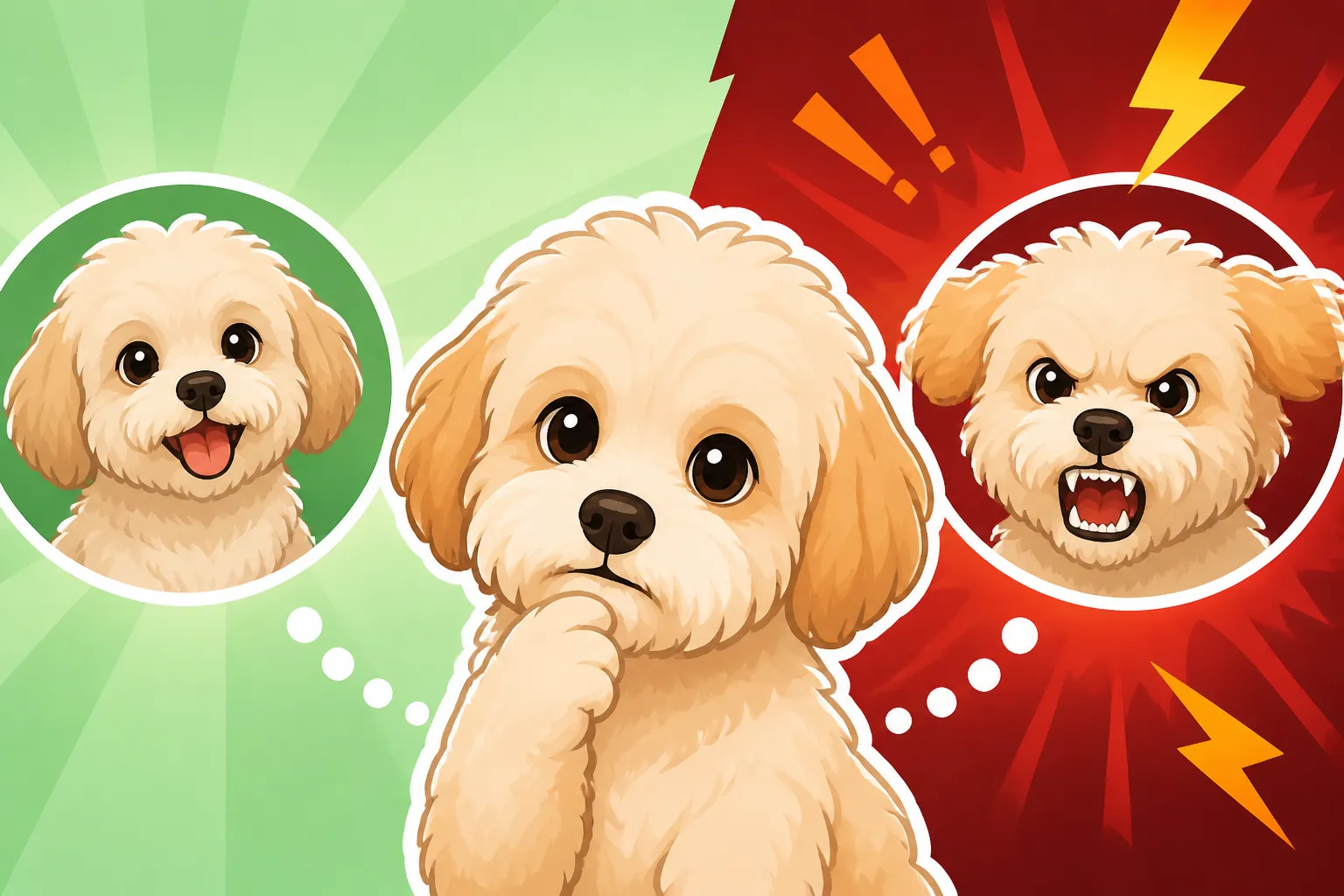
Let's clear the air right away: the idea that a dog bites "out of the blue" is a human misconception, not a canine reality. Your Maltipoo isn't suddenly deciding to be aggressive; they are simply escalating their communication because their earlier, more subtle signals have been missed or ignored. Think about it from their perspective: they've been trying to tell you, in their own way, that they're uncomfortable, scared, or in pain. If those polite requests go unheeded, they have to turn up the volume.
Why We Miss the Warnings
One of the biggest reasons we, as loving owners, miss these crucial warnings is simply that we don't speak "dog." Canine body language is incredibly nuanced, and many of the early signs of discomfort are very subtle. We might interpret a lip lick as simply cleaning their mouth after a treat, when in fact, in context, it could be a sign of stress. A yawn might just mean they're tired, but it can also be a calming signal. Our human tendency is to project our own emotions and interpretations onto our dogs, rather than observing and learning their specific language. This is especially true for small breeds like Maltipoos, where their small size might make us think their reactions are less serious, or even "cute," when they're truly expressing deep discomfort.
Furthermore, life with a Maltipoo is often busy, filled with cuddles, playtime, and walks. In the hustle and bustle, it’s easy to overlook a fleeting glance away, a slight stiffening of the body, or a tail held a little lower than usual. We see the big, obvious happy wags and puppy-dog eyes, but the subtle signs of worry or fear can slip right past us. Understanding these signals is a foundational part of truly connecting with your Maltipoo and ensuring their emotional well-being. It’s about listening with your eyes, not just your ears, to what your furry friend is trying to tell you.
The Ladder of Aggression
Dog trainers often refer to something called the "ladder of aggression." This is a visual representation of how a dog's warning signals escalate, starting with very subtle signs of discomfort and moving up to more overt displays if those early warnings aren't effective. Imagine your Maltipoo is on the bottom rung of the ladder. They might start with turning their head away, or lip licking. If the uncomfortable situation persists, they might move up to yawning, sniffing the ground, or showing "whale eye" (where the whites of their eyes are visible). Further up, they might freeze, growl, or even air snap (a snap at the air, not touching anything). The very top rung is a bite. The goal for any responsible owner is to recognize and respond to the lowest rungs of the ladder, helping your Maltipoo feel safe and preventing them from ever needing to climb higher. Ignoring these initial signals forces your dog up the ladder, teaching them that they have to be more forceful to be understood.
Understanding Maltipoo Communication
Maltipoos, being a crossbreed of the Maltese and Poodle, inherit a fascinating blend of traits. The Maltese is known for being gentle and affectionate, but also can be quite feisty and particular. Poodles are highly intelligent and sensitive, often quite responsive to their owners. This mix means your Maltipoo can be quite expressive, but also sometimes quite delicate in how they communicate their boundaries.
Subtle Body Language Cues
Before a Maltipoo ever considers snapping, they will almost certainly offer a flurry of subtle cues. Learning to read these is paramount. A Maltipoo might:
- Lip lick: Not just after eating, but when feeling stressed or unsure.
- Yawn: A stress or calming signal, not necessarily boredom or tiredness.
- Turn head or body away: A polite request for space.
- "Whale eye": Where the whites of their eyes show, indicating anxiety or fear.
- Flatten ears: Ears pinned back against the head, often a sign of fear or submission.
- Low tail wag (or tucked tail): A low, slow wag can mean appeasement or nervousness, while a tucked tail is a clear sign of fear.
- Stiff body: A rigid posture indicates tension.
- Avoid eye contact: Can be a sign of discomfort or a polite deference.
- Shake or tremble: Often misinterpreted as cold, it can be extreme fear or anxiety. If you notice your Maltipoo trembling indoors, especially when not cold, it's a huge warning sign. Whether a Trembling Maltipoo Is Cold or Sick offers more insight into this.
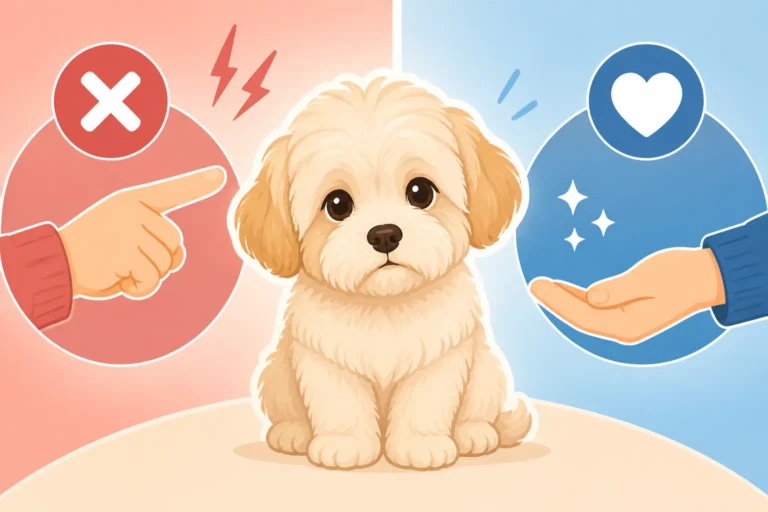
These signals are their way of saying, "I'm not comfortable with this," or "Please stop." Your job is to acknowledge and respect these requests, giving them the space or removing the trigger before they feel more threatened. Imagine someone constantly invading your personal space even after you’ve tried to politely step away; eventually, you’d probably get frustrated too. Your Maltipoo feels the same way.
Overt Warning Signs
If the subtle cues are missed, your Maltipoo will move to more obvious, overt warnings. These are harder to ignore but still come before a bite. These include:
- Growling: This is a clear, unmistakable warning. Never punish a growl, as it's your dog telling you they're at their limit. Punishing a growl teaches them not to warn you, making a "sudden" bite more likely in the future.
- Snarling: A display of teeth, often accompanied by a wrinkled nose. This is a very serious warning.
- Snapping (air snap): A quick snap of the jaws in the air, without making contact. This is their final verbal warning before they make contact.
- Freezing: Becoming completely still. This often happens right before a bite. They're trying to make themselves small and hope the threat will go away, but if it doesn't, they feel they have no option but to defend themselves.
When you see any of these overt signs, it's critical to immediately remove your Maltipoo from the situation or remove the perceived threat. This is not the time for correction or discipline; it's time to create safety and prevent harm. Ignoring these signals is like ignoring a fire alarm – you're setting yourself up for disaster. A training program like BAXTER & Bella can teach you how to proactively manage these situations and build a stronger, more trusting relationship with your pup, ensuring they feel secure enough not to escalate to such levels.
The Role of Pain and Fear
It's absolutely crucial to remember that a significant percentage of bites, especially those that seem to come out of nowhere, are rooted in pain or fear. A Maltipoo, with their small, sometimes delicate bodies, might be in discomfort you can't see. Something as simple as an ear infection, a loose tooth, or an ache from a Slipping Kneecaps in a Maltipoo issue could make them much more sensitive to touch or startling noises. If your typically calm Maltipoo suddenly starts growling or snapping, the first step should always be a vet visit to rule out any underlying medical conditions.
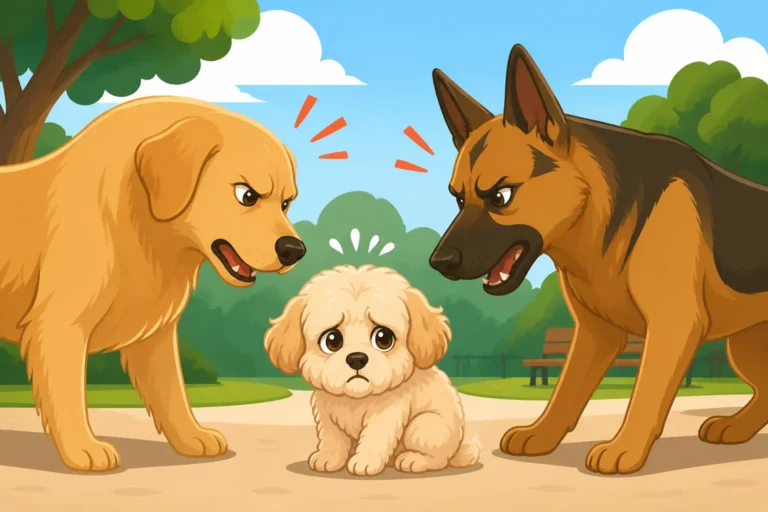
Fear is another huge motivator. A small dog like a Maltipoo can feel easily overwhelmed by things larger than them – children, bigger dogs, loud noises, or even unfamiliar environments. If they feel trapped and unable to escape a perceived threat, their instinct to self-preserve will kick in. This is why proper socialization and creating a secure environment are so vital. It’s also why understanding The Household a Maltipoo Actually Suits is important before bringing one home.
| Subtle Warning Signs | What It Might Mean | Action for Owner |
|---|---|---|
| Lip Licking, Yawning | Stress, anxiety, seeking to calm | Observe further, remove mild stressors. |
| Head/Body Turn Away, Avoid Eye Contact | Request for space, mild discomfort | Give space, stop interaction, approach slowly next time. |
| "Whale Eye" (whites of eyes visible) | Anxiety, fear, feeling threatened | Identify and remove threat, reassure calmly. |
| Ears Pinned Back, Low Tail Wag | Fear, appeasement, submission | Reassure, remove from situation, avoid pushing. |
| Stiff Body, Freezing | High tension, extreme discomfort, impending reaction | IMMEDIATELY remove from situation, seek professional help. |
| Growling, Snarling, Air Snap | Last warning before a bite | IMMEDIATELY stop all interaction, create distance. |
Common Triggers for a Maltipoo's Discomfort
Understanding what often sets off these warning signals can help you proactively manage situations and prevent your Maltipoo from ever feeling cornered.
Handling and Grooming
Maltipoos often require a lot of handling for their regular grooming needs. Their beautiful coats can quickly mat if not brushed daily, and their faces need regular trimming to keep hair out of their eyes. If they aren't properly accustomed to being touched, brushed, or having their paws handled from a young age, these routine activities can become highly stressful. A Maltipoo who tolerates a quick brush might still growl if you hit a snagged mat or try to trim around sensitive areas. Many Maltipoos struggle with regular grooming, and this can lead to stress, fear, and defensive behaviors. How Often a Maltipoo Needs a Dental or The Two Week Face Trim a Maltipoo Needs often involve specific handling that can be challenging for an unprepared dog. If you notice your Maltipoo struggling during these times, consider investing in positive reinforcement training specifically for cooperative care, or even finding a groomer specializing in sensitive dogs. You can find helpful tools like specialized combs and brushes on Amazon to make the experience more comfortable.
Children and Other Pets
Bringing a tiny Maltipoo into a home with energetic children or larger, boisterous pets can be a recipe for stress if not managed carefully. Children, especially young ones, often don't understand how fragile a small dog can be or how to read their subtle body language. They might grab, pull, or hover, which can be terrifying for a dog that weighs less than a gallon of milk. A Maltipoo might tolerate a lot before finally giving an overt warning. This is why teaching children Teaching a Child Where to Support a Maltipoo and proper interaction is non-negotiable. Similarly, a much larger dog in the home, even if well-meaning, can unintentionally intimidate a Maltipoo. The sheer size difference can make a Maltipoo feel constantly on edge, leading to reactive behaviors out of fear. This is an important consideration when thinking about A Maltipoo in a House With Children or A Maltipoo Introduced to a Dog Ten Times Its Size.
Resource Guarding
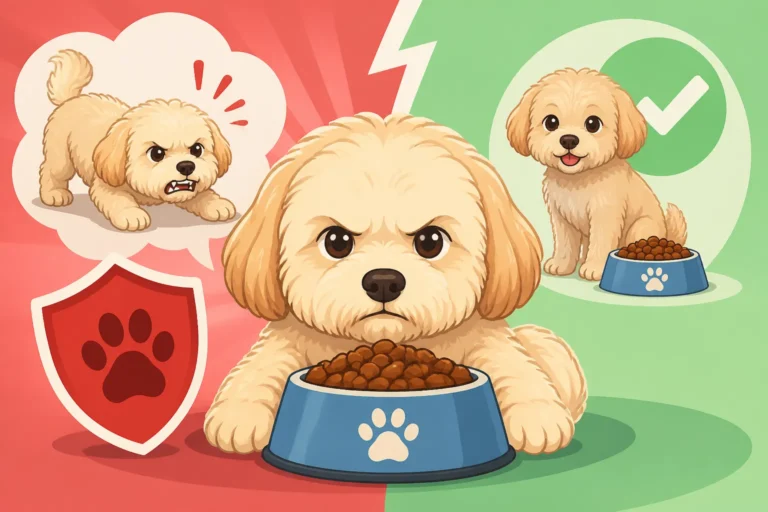
Resource guarding is when a dog becomes defensive over something they perceive as valuable, like their food, toys, sleeping spot, or even their human. While not as common in Maltipoos as it might be in some other breeds, it can still occur. If a Maltipoo feels threatened that their possession might be taken away, they might growl, snarl, or snap. This behavior is often misunderstood as "being mean" but is actually rooted in anxiety about losing a valuable item. For instance, a Maltipoo might feel possessive of a favorite toy, or even their owner's lap if another person or pet approaches. If you've ever had a Maltipoo suddenly get stiff or give a low growl when you reach for their food bowl, you're seeing resource guarding in action. It's important to address this with positive reinforcement methods, teaching them that your approach means good things, not theft. Whether a Maltipoo Guards Its Food Bowl further explores this behavior.
How to Prevent a Maltipoo from Needing to Snap
The best approach is always preventative. By understanding your Maltipoo's needs and communication, you can create an environment where they feel safe and confident, eliminating the need for them to ever resort to a bite.
Early Socialization and Positive Reinforcement
Starting early with socialization is key. Gently expose your Maltipoo puppy to a variety of sights, sounds, people, and other well-behaved dogs in a positive, controlled manner. Keep these experiences short and sweet, always ensuring your puppy feels safe and has an escape route. Positive reinforcement training builds trust and teaches your Maltipoo what you do want them to do, rather than punishing what you don't. Reward calm behavior, good manners, and confidence. Avoid harsh corrections, which can erode trust and increase anxiety, potentially leading to more defensive behaviors. A program like BAXTER & Bella can provide excellent guidance on how to properly socialize and train your Maltipoo from puppyhood, laying a strong foundation. Even adult Maltipoos can benefit from structured positive reinforcement to build confidence. Surviving the First Week With a Maltipoo Puppy details crucial early steps.
Creating a Safe Space and Respecting Boundaries
Every Maltipoo needs a safe haven – a place where they can retreat and know they won't be bothered. This could be a cozy crate, a soft bed in a quiet corner, or even a playpen. Teach everyone in the household, especially children, that when your Maltipoo is in their safe space, they are to be left alone. This respect for boundaries is fundamental to building trust. Observe your Maltipoo's body language constantly. If they offer even the most subtle sign of discomfort, respect it. Give them space, remove the trigger, or redirect their attention to something positive. Never force an interaction if your Maltipoo is showing signs of stress. This includes not making them "say hello" to strangers if they're hesitant or not forcing them to endure prolonged handling if they're squirming. The Maltipoo That Refuses to Go Outside in the Wet illustrates how even environmental factors can trigger discomfort.
Regular Vet Checks and Grooming Habits
As mentioned, pain is a huge factor in behavioral changes. Regular veterinary check-ups are essential to catch any underlying health issues that might be causing discomfort. Discuss any behavioral changes with your vet, no matter how small they seem. Additionally, establish a consistent, positive grooming routine from an early age. Make grooming sessions short, use lots of treats and praise, and gradually introduce new tools and sensations. If your Maltipoo struggles with grooming, work with a professional groomer who uses gentle techniques, or consider learning how to do more basic grooming at home using tools easily found on Amazon. Remember, regular handling, as discussed in Teaching a Maltipoo to Be Handled Every Two Weeks, needs to be a positive experience.
By being observant, understanding, and proactive, you can ensure your Maltipoo feels secure and understood, making it highly unlikely they'll ever feel the need to snap. They'll always give you a warning; it's up to us to learn to listen.
Disclaimer
This article is for general informational purposes only and does not constitute professional advice. Laws, prices and regulations vary by location and change over time. Consult a qualified professional for guidance on your specific situation.