White Shaker Syndrome in a Maltipoo
There’s almost nothing more terrifying than watching your beloved Maltipoo suddenly start shaking uncontrollably. One moment they might be curled up on your lap, and the next, their entire body is trembling, their eyes wide with what appears to be fear or disorientation. This frightening experience often points to a serious neurological condition known as White Shaker Syndrome, and understanding what’s happening and what to do is crucial for their well-being. This guide will walk you through recognizing, understanding, and managing this perplexing illness.
Understanding White Shaker Syndrome in Maltipoos
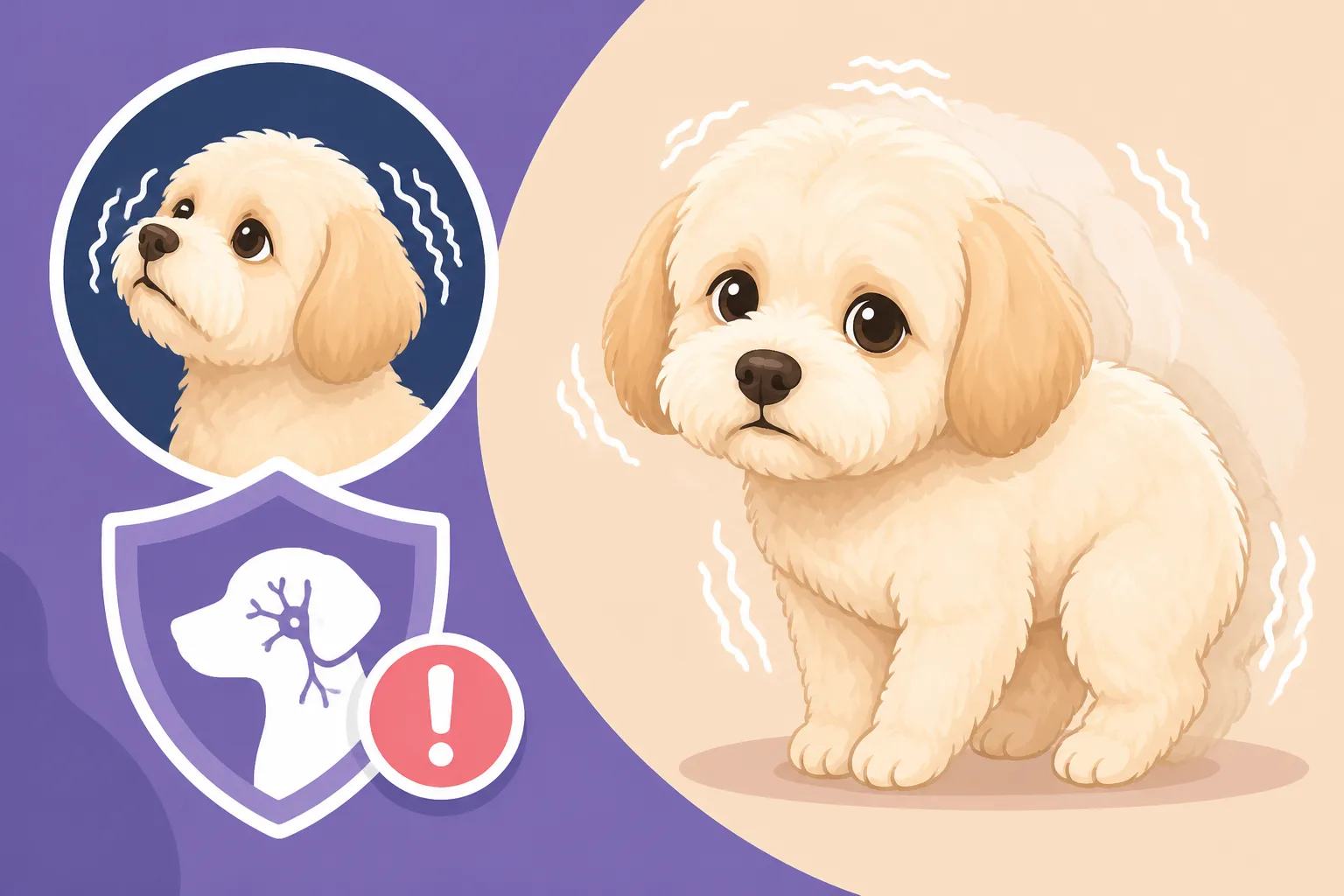
White Shaker Syndrome, officially known as Generalized Tremor Syndrome (GTS), is a neurological disorder that can affect various small dog breeds, and Maltipoos, given their Poodle heritage, are certainly among those at risk. It’s an incredibly distressing condition to witness, characterized primarily by tremors that can range from mild to severe, often impacting the entire body. It's not just a little shiver from being cold; it's a profound, systemic shaking that quickly signals something is very wrong with your furry family member.
The Autoimmune Connection
At its core, White Shaker Syndrome is believed to be an autoimmune disease. What does that mean for your little Maltipoo? It means their own immune system, which is supposed to protect them from invaders like bacteria and viruses, mistakenly attacks healthy cells in their cerebellum. The cerebellum is that crucial part of the brain responsible for coordinating voluntary movements, balance, and posture. When it's under attack, the signals from the brain to the muscles get all jumbled, leading to the characteristic tremors we see.
Imagine your brain sending a message to your legs to walk, but instead of a clear, steady signal, it’s like a faulty electrical wire, flickering on and off, causing your legs to twitch and shake involuntarily. That’s essentially what’s happening on a neurological level for a dog suffering from this syndrome. The inflammation in the cerebellum disrupts the smooth transmission of these vital commands.
Why It's Called "White Shaker"
The name "White Shaker Syndrome" isn't just a catchy phrase; it originates from observations made when the condition was first widely recognized. It was initially identified predominantly in small, white-coated dog breeds, such as Maltese, West Highland White Terriers, and of course, Poodles – the very breeds that contribute to the Maltipoo's genetic makeup. While it can occur in dogs of any color today, the historical association with these light-colored breeds stuck, giving the syndrome its distinctive name.
This historical naming can sometimes be a bit misleading, as a black, apricot, or parti-colored Maltipoo is just as susceptible as a white one. The critical takeaway here isn't the coat color, but the genetic predisposition found in certain small breeds. It's not about pigmentation; it's about the underlying genetic factors that make these dogs vulnerable to this specific autoimmune attack on their nervous system.
Which Maltipoos Are Most at Risk
While any Maltipoo could theoretically develop White Shaker Syndrome, certain factors increase the likelihood. As mentioned, the Poodle side of their lineage is a known contributor to this condition. Often, the syndrome manifests in young to middle-aged adult dogs, typically between six months and three years of age. It's a cruel twist when your puppy, just growing out of that adorable, clumsy phase, suddenly develops such a debilitating condition.
There's no definitive test to predict which individual Maltipoo will be affected, which is part of what makes it so unnerving for owners. It can feel like a roll of the dice. If you're considering a Maltipoo puppy, discussing the health history of the parent dogs, especially the Poodle side, with the breeder is always a good idea. While breeders might not specifically screen for White Shaker Syndrome due to its complex inheritance, understanding the general health and prevalence of neurological issues in the lines can offer some peace of mind. For more on what breeding smaller can cost a Maltipoo in terms of health, you might find this article helpful: What Breeding Smaller Costs a Maltipoo.
Recognizing the Signs of White Shaker Syndrome in Your Maltipoo
The onset of White Shaker Syndrome can be incredibly abrupt and alarming. One moment your Maltipoo might be perfectly normal, and the next, they're exhibiting profound tremors. It’s crucial for owners to differentiate these serious shakes from other, less critical causes of trembling, so you know when to seek immediate veterinary attention.
The Sudden Onset
Imagine you're relaxing on the couch with your Maltipoo, and suddenly, they stiffen, and their body begins to vibrate. The tremors can start subtly, perhaps just a slight trembling in one leg or their head, but they often quickly progress to involve the entire body. This isn't just a little shiver from being cold, which you can read more about here: Whether a Maltipoo Gets Cold Easily. This is a noticeable, persistent, and often overwhelming shaking that the dog cannot control.
Many owners describe it as their dog suddenly looking like a tiny, vibrating engine. The tremors can be so severe that they interfere with your Maltipoo's ability to walk, stand, or even eat and drink. They might struggle to hold their head steady, and their gait could become unsteady or drunken, leading to falls. It's a heartbreaking sight, especially when you see the confusion or distress in their eyes as their body betrays them.
Beyond Just Shaking
While the generalized tremors are the most prominent and defining symptom, White Shaker Syndrome can manifest with other concerning signs. Some Maltipoos may experience ataxia, which means a lack of coordination, causing them to stumble, sway, or appear clumsy. This can make simple tasks like navigating a room or going up a step incredibly difficult and even dangerous.
You might also notice nystagmus, an involuntary, rapid eye movement, which further highlights the neurological impact of the condition. Your dog’s eyes might dart back and forth or up and down, even when their head is still. Additionally, some affected Maltipoos can show signs of hypermetria, an exaggerated lifting of their limbs, making their movements appear high-stepping or overreaching. These additional symptoms paint a clearer picture of a significant neurological disturbance rather than just simple shivering due to external factors. If you're unsure if a trembling Maltipoo is cold or sick, this resource offers more insight: Whether a Trembling Maltipoo Is Cold or Sick.
Behavioral Changes to Watch For
Beyond the physical tremors, White Shaker Syndrome can also lead to noticeable changes in your Maltipoo's demeanor and behavior. Because the condition affects their brain, they might appear disoriented, confused, or unusually anxious. The constant tremors and difficulty with coordination can understandably be frightening for them, leading to increased clinginess, restlessness, or even withdrawal.
Some Maltipoos might exhibit a dullness in their response, seeming less engaged or playful than usual. Their personality might seem to shift, becoming more subdued or irritable due to discomfort or fear. In severe cases, the constant neurological activity can also lead to increased heart rate or rapid breathing, indicating their body is under significant stress. These behavioral and physiological signs, combined with the physical shaking, demand immediate veterinary attention. It’s vital to distinguish these symptoms from other neurological events, such as Seizures in a Maltipoo.
Diagnosing White Shaker Syndrome
Getting a diagnosis for White Shaker Syndrome can be a bit of a journey because there isn't one single definitive test that immediately confirms its presence. Instead, veterinarians typically follow an "exclusionary" process, ruling out other conditions with similar symptoms before arriving at a diagnosis. This process can be frustrating for owners, but it's essential to ensure your Maltipoo receives the correct treatment.
The Exclusionary Process
When you bring your trembling Maltipoo to the vet, their first priority will be to eliminate other common causes of tremors and neurological distress. This might involve blood tests to check for metabolic imbalances, toxic exposures, or infections. For example, severe low blood sugar (hypoglycemia) in small puppies can cause shaking and weakness. The signs of a sugar crash are crucial to recognize, and you can learn more about What a Hypoglycemic Episode Looks Like in a Maltipoo. Other conditions that need to be ruled out include certain intoxications, kidney or liver disease, severe pain, or even extreme anxiety.
The vet will perform a thorough physical examination and a neurological exam, assessing your dog’s reflexes, coordination, and general mental state. They'll ask you detailed questions about when the tremors started, how often they occur, what they look like, and if there are any other symptoms. This initial phase is about gathering as much information as possible to narrow down the potential culprits. It’s a painstaking process, but vital for your dog’s well-being.
Spinal Tap and MRI
If initial tests rule out common causes, your vet may recommend more advanced diagnostics, such as a cerebrospinal fluid (CSF) tap (spinal tap) and/or a magnetic resonance imaging (MRI) scan of the brain. These procedures are often performed under general anesthesia and are considered the most definitive ways to diagnose White Shaker Syndrome, as well as rule out other serious neurological conditions like brain tumors, inflammation from infectious diseases, or even Whether a Maltipoo Gets Hydrocephalus.
A CSF tap involves collecting a small sample of the fluid that surrounds the brain and spinal cord. In cases of White Shaker Syndrome, the CSF analysis might reveal an elevated white blood cell count, specifically lymphocytosis, indicating inflammation within the central nervous system. An MRI, on the other hand, provides detailed images of the brain structure. While an MRI in a White Shaker case might appear normal or show only subtle, non-specific changes, its primary value often lies in ruling out other structural brain abnormalities that could cause similar symptoms. These advanced tests help your veterinary neurologist get a clear picture of what's happening internally.
Blood Tests and Other Diagnostics
Beyond the more specialized procedures, routine blood tests play a crucial role in ruling out other conditions. A complete blood count (CBC) can check for signs of infection or anemia, while a biochemistry panel assesses organ function (kidneys, liver) and electrolyte balance. For instance, sometimes a simple electrolyte imbalance can lead to tremors. The vet will also want to rule out things like ingestion of toxins or certain medications that might induce neurological symptoms.
In some cases, your vet might also run tests for infectious diseases that could cause neurological signs, though this is less common with White Shaker Syndrome. The key is that once all other plausible causes have been systematically eliminated, and the clinical signs match, a diagnosis of White Shaker Syndrome can be confidently made. While it’s scary to receive such a diagnosis, the good news is that it’s usually very treatable.
Treatment Options for White Shaker Syndrome
Receiving a diagnosis of White Shaker Syndrome can be overwhelming, but the truly reassuring news for Maltipoo owners is that it's generally a very treatable condition. With prompt and appropriate medical intervention, most dogs make a full or near-full recovery, allowing them to return to a happy, tremor-free life.
The Role of Corticosteroids
The cornerstone of treatment for White Shaker Syndrome involves immunosuppressive doses of corticosteroids, most commonly prednisone. Since the condition is an autoimmune disorder, the goal of these medications is to suppress your Maltipoo's overactive immune system, preventing it from attacking the brain cells and reducing inflammation in the cerebellum.
Typically, your veterinarian will start your Maltipoo on a relatively high dose of prednisone. You'll usually see a significant improvement in symptoms within a few days to a week. It’s truly remarkable how quickly these little dogs can respond. As your Maltipoo's tremors subside and they regain their coordination, the vet will gradually taper down the prednisone dose over several weeks or months. This slow tapering is crucial because stopping corticosteroids abruptly can lead to rebound inflammation or other health issues. Your vet will guide you through this process, monitoring your dog closely for any return of symptoms or side effects.
Supportive Care and Environment
While corticosteroids are the main treatment, supportive care plays a vital role in ensuring your Maltipoo's comfort and recovery. During the acute phase, when tremors are severe, your dog might struggle with basic functions. Ensure they have easy access to food and water, perhaps elevating their bowls if head tremors make eating difficult. A soft, comfortable, and quiet resting area can help reduce stress, which can sometimes exacerbate tremors.
You might need to assist them with getting around to prevent falls and injuries, especially if they have significant coordination problems. Creating a safe, padded environment can be helpful. Keep their routine as calm and consistent as possible. It's also critical to keep them warm, as the neurological tremors can make it harder for them to regulate their body temperature. Remember, it's not just about medication; it's about holistic care that supports their physical and emotional well-being throughout their recovery.
What Happens if Treatment is Delayed
Delaying treatment for White Shaker Syndrome can have serious consequences. The longer the brain experiences uncontrolled inflammation, the more potential for lasting damage. While many dogs respond well to treatment, prolonged, severe tremors can lead to significant discomfort, stress, and secondary injuries from falls. More importantly, delayed intervention means your Maltipoo continues to suffer from poor coordination and potentially an impaired quality of life.
In some severe, untreated cases, the tremors can be so debilitating that they prevent the dog from eating or drinking adequately, leading to dehydration and malnutrition. While fatalities directly from White Shaker Syndrome are rare, the complications arising from severe, untreated symptoms can be life-threatening. Therefore, if you suspect your Maltipoo is showing signs of White Shaker Syndrome, or any other serious neurological issue, seeking immediate veterinary attention is paramount. Early diagnosis and prompt treatment are key to a successful outcome. The financial aspect of these urgent vet visits can be a concern, and having pet insurance, such as a policy from Healthy Paws, can certainly ease the burden of unexpected costs.
Living with a Maltipoo with White Shaker Syndrome
Once your Maltipoo has started treatment for White Shaker Syndrome, the focus shifts to ongoing management and ensuring they maintain a good quality of life. While many dogs recover fully, some may require long-term management, and understanding what that entails is key to being a prepared and supportive owner.
Adjusting Daily Routines
During the initial recovery phase, and potentially long-term for some dogs, you might need to make some adjustments to your Maltipoo’s daily routine. If they are still experiencing residual tremors or coordination issues, their activity levels might need to be modified. Short, supervised walks on a harness are preferable to long, strenuous outings. You might need to carry them up and down stairs or use ramps to help them access furniture safely. Using a harness can also protect their windpipe, an important consideration for breeds prone to The Cough That Means a Maltipoo's Trachea Is Collapsing.
Meal times might need extra attention, ensuring their bowls are stable and easy to reach. Creating a quiet, calm environment can reduce external stressors that might exacerbate symptoms. Patience is truly a virtue during this time. Remember that your Maltipoo isn't choosing to be clumsy or unsteady; their brain is still recalibrating. Celebrating small victories, like a steady walk across the room or a calm meal, can help both you and your pet feel more positive about their progress.
Managing Medications and Side Effects
The primary treatment, corticosteroids like prednisone, comes with its own set of potential side effects that you’ll need to manage. Common side effects include increased thirst and urination, increased appetite, panting, and sometimes behavioral changes like restlessness or aggression. As the dose is tapered, these side effects typically lessen. Your vet might also prescribe gastroprotectants to reduce the risk of stomach upset from the prednisone.
It's vital to administer all medications exactly as prescribed and to never adjust the dosage or stop treatment without consulting your veterinarian. Abruptly discontinuing steroids can be dangerous. Your vet will schedule follow-up appointments to monitor your Maltipoo's response to treatment and to check for any long-term side effects. These check-ups might involve blood tests to monitor organ function, especially with prolonged steroid use. Keeping open communication with your vet about any changes you observe is crucial for effective medication management. This is where having comprehensive pet insurance, like Healthy Paws, can be incredibly beneficial, as it helps cover the costs of these ongoing medications and monitoring appointments.
Long-Term Prognosis and Recurrence
The good news is that the long-term prognosis for most Maltipoos with White Shaker Syndrome is excellent with proper treatment. Many dogs recover completely and go on to live normal, healthy lives without any further episodes. Once the underlying inflammation is under control, the brain can often heal and function normally again.
However, it's important to be aware that some dogs may experience relapses, especially if medications are tapered too quickly or if they face significant stress. If your Maltipoo does have a recurrence, it typically means resuming treatment with corticosteroids, often at the initial therapeutic dose, before tapering again. In rare cases, some dogs may require low-dose, long-term maintenance therapy to prevent future episodes. Knowing what White Shaker Syndrome does to a Maltipoo and how to manage it can make all the difference in their recovery: What White Shaker Syndrome Does to a Maltipoo. While it's a condition that requires diligence, it doesn't have to define your Maltipoo's entire life.
Proactive Steps for Maltipoo Owners
As a Maltipoo owner, being proactive about your dog's health is one of the best things you can do. While White Shaker Syndrome can strike without warning, understanding potential risks and knowing when to act can significantly improve your Maltipoo's prognosis.
Choosing a Responsible Breeder
While White Shaker Syndrome is not typically screened for like some other genetic conditions, choosing a responsible breeder is always a proactive step toward getting a healthy puppy. A reputable breeder will prioritize the health and temperament of their breeding dogs, conducting appropriate health screenings for the Maltese and Poodle parents that are relevant to those breeds. This includes checks for conditions like patellar luxation, eye conditions, and cardiac issues.
A good breeder will be transparent about the health history of their lines, allowing you to meet the puppy's parents, if possible, and will provide a health guarantee. They won't shy away from answering your questions and will be knowledgeable about the specific health concerns of Maltipoos. While this doesn't guarantee your Maltipoo won't ever develop White Shaker Syndrome, it significantly increases your chances of bringing home a puppy with the best possible genetic start. This is especially important given the complexities of conditions like The Liver Shunt a Maltipoo Can Inherit From the Maltese.
When to Call the Vet Immediately
Any sudden onset of uncontrolled tremors, shaking, or coordination problems in your Maltipoo warrants an immediate call to your veterinarian. Do not wait to see if it resolves on its own. While it might feel like an overreaction, these symptoms can be indicative of several serious conditions, including White Shaker Syndrome, hypoglycemia, or even a seizure. The sooner a diagnosis is made, the sooner appropriate treatment can begin, which is crucial for conditions where early intervention significantly improves the outcome.
Think of it this way: if you were having uncontrolled tremors, you wouldn't hesitate to seek medical help. Your Maltipoo depends on you to make those critical decisions for them. Be prepared to provide your vet with a detailed description of the symptoms, including when they started, how long they lasted, and any other associated signs you observed. This information is invaluable for proper diagnosis. Understanding What an Emergency Sugar Crash Costs a Maltipoo Owner can also help you prepare for urgent veterinary visits.
The Importance of Early Intervention
We've talked about it before, but it bears repeating: early intervention is absolutely key when dealing with White Shaker Syndrome. The quicker treatment with corticosteroids can begin, the faster the immune attack on the cerebellum can be halted, minimizing inflammation and potential damage. Dogs diagnosed and treated promptly often show dramatic improvement within days and have an excellent chance of a full recovery without long-term neurological deficits.
Conversely, delaying treatment not only prolongs your Maltipoo's discomfort but can also make the condition harder to manage and potentially lead to more persistent issues. Even if the symptoms seem mild at first, they can escalate rapidly. Trust your instincts as an owner; if something feels wrong, it probably is. Your vigilance and quick action are the best defense against this frightening, but treatable, condition. And again, having pet insurance like Healthy Paws can provide the financial peace of mind to act immediately without hesitation.
| Symptom Category | White Shaker Syndrome | Shivering (Cold/Fear) | Hypoglycemia (Low Blood Sugar) | Seizure Activity |
|---|---|---|---|---|
| Primary Physical Sign | Generalized, persistent tremors, often whole body | Intermittent trembling, often localized (e.g., legs, body) | Weakness, lethargy, disorientation, eventual collapse, sometimes tremors | Uncontrolled muscle spasms, rigidity, loss of consciousness, salivation, paddling |
| Onset | Often sudden, acute | Responsive to environment (cold, loud noises) | Gradual onset of weakness, or sudden collapse | Sudden, sometimes preceded by an "aura" |
| Mentation | Disoriented, anxious, confused, dull | Alert, fearful, or seeking warmth/comfort | Drowsy, unresponsive, glassy-eyed | Unconscious or disoriented post-seizure |
| Coordination | Ataxia (uncoordinated), unsteady gait, falls | Normal coordination (unless injured or truly overwhelmed) | Very poor, stumbling, unable to stand | Loss of control, paddling, post-ictal confusion |
| Duration | Can be continuous or episodic, lasting minutes to hours or longer | Stops when warmed or comforted; resolves when fear subsides | Can persist until sugar is administered; can lead to coma | Typically 1-3 minutes; followed by "post-ictal" phase (disorientation) |
| Other Signs | Nystagmus (eye darting), hypermetria (exaggerated limb movement) | Piloerection (raised hackles), hiding, whining | Pale gums, rapid heart rate, vocalizing, coma | Foaming at mouth, vocalizing, urination/defecation |
| Response to Intervention | Requires medication to resolve | Improves with warmth, comfort, removal of stressor | Responds quickly to sugar (Karo syrup, Nutri-Cal) | Resolves on its own (seizure phase) |
Disclaimer
The information provided in this article is for educational and informational purposes only, and does not constitute veterinary advice. Always consult with a qualified veterinarian for any health concerns or before making any decisions about your Maltipoo's health and treatment.