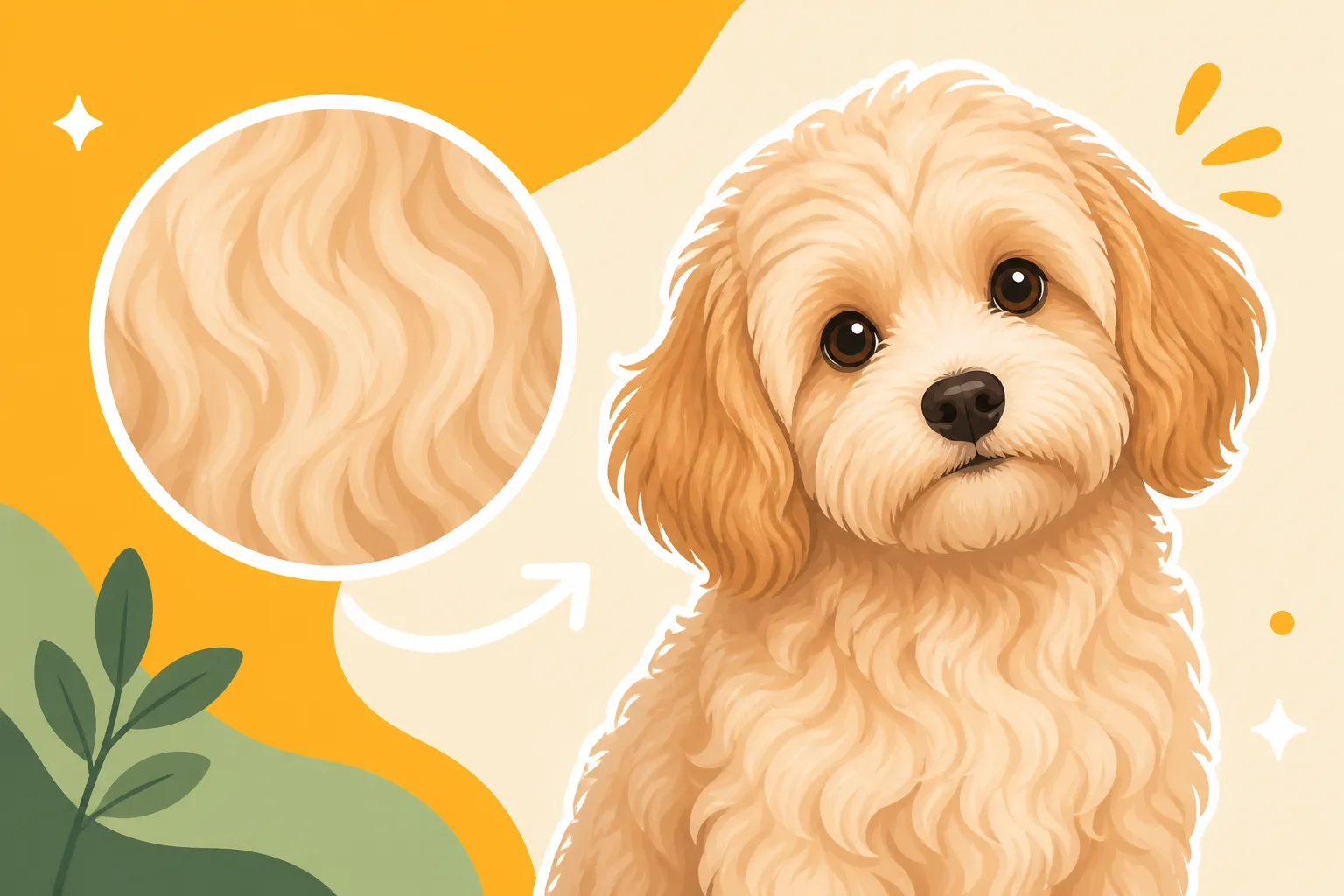
The Wavy Maltipoo Coat
Many Maltipoo parents bring home that adorable, fluffy puppy, envisioning a life of cuddles and easy-breezy grooming. Then, suddenly, the puppy coat starts to change, and what you thought was just a charming wave turns into a tangle magnet, leaving you feeling frustrated and wondering if you're doing something wrong. This comprehensive guide is here to unravel the mysteries of your Maltipoo's beautiful wavy coat, offering practical advice and empathetic insights to help you manage it with confidence and keep your beloved companion looking their very best, without the daily matting battle.
Understanding the Unique Wavy Maltipoo Coat
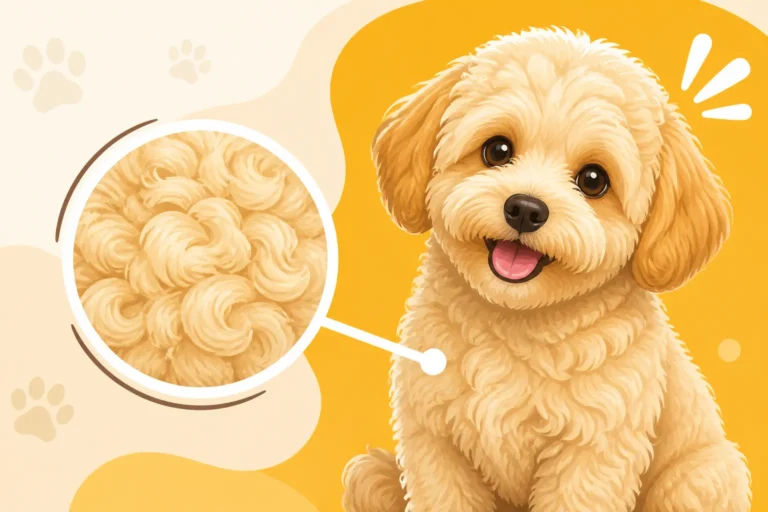
The Maltipoo's coat is one of its most defining features, a soft, flowing marvel that rarely sheds, making it a favorite for allergy sufferers. However, this beautiful characteristic also makes it incredibly prone to matting and tangling. Unlike a smooth, straight coat that allows shed hairs to fall away, or a tightly curled coat that often traps hairs within its spirals, the wavy coat has a unique texture that can gather loose fur and debris, leading to knots if not properly cared for. Understanding the genetic influences and how this coat evolves can help you anticipate its needs and provide the best care.
The Poodle and Maltese Influence on Coat Texture
The wavy coat is a true testament to the Maltipoo's mixed heritage, drawing characteristics from both its parent breeds: the Maltese and the Poodle. The Maltese is renowned for its long, silky, single-layer coat that flows straight and grows continuously. It's beautiful but high-maintenance in its own way, requiring daily combing to prevent tangles and keep it free of debris. On the other hand, the Poodle contributes a dense, curly, non-shedding coat, which is often described as wool-like or fleece-like. This coat is also continuously growing and highly prone to matting, especially when wet or if neglected.
When these two distinct coats are combined in a Maltipoo, you get a fascinating spectrum of possibilities. The wavy coat typically inherits the continuous growth and non-shedding qualities of both parents, but the wave itself is a delightful blend. It's not as straight as a Maltese, lacking that pin-straight flow, nor is it as tightly curled as a Poodle. Instead, it falls in soft, sometimes loose, sometimes tighter, waves. This texture is often what gives the Maltipoo that characteristic "teddy bear" look, a huge part of its appeal. The density can vary, too, from a finer, wispier wave that hints more at the Maltese side to a thicker, bouncier wave that leans towards the Poodle's influence. The Maltese and the Poodle Behind Every Maltipoo discusses this blend in more detail.
Identifying a Wavy Coat in a Puppy
When you first bring home a Maltipoo puppy, their coat might be quite soft and fluffy, often appearing fairly straight or only mildly wavy. It can be deceptive! Many new owners might think they have a straight-coated Maltipoo, only to be surprised as the puppy grows. A true wavy coat in a young puppy might show subtle bends and ripples, especially around the ears, legs, and tail. The hair might feel incredibly soft, almost like cotton.
One of the best ways to get a sense of your puppy's adult coat texture is to look at the parents, particularly the Poodle parent's coat and any previous litters from the same pairing. A reputable breeder will often be able to give you an educated guess based on their experience. However, even then, nature has its surprises. The coat can start to develop its true texture anywhere from three to six months of age, sometimes even later. What might seem straight at eight weeks can blossom into full waves by six months.
How the Wavy Coat Changes as Your Maltipoo Ages
Just when you think you've figured out your Maltipoo's coat, it throws you a curveball – or rather, a wave! The wavy coat undergoes significant changes as your Maltipoo matures. The soft, easy-to-manage puppy coat, often referred to as "puppy fuzz," begins to "blow" or shed out, making way for the denser, more mature adult coat. This transition typically happens between 6 and 18 months of age, and it's a period where matting can become an extreme challenge. How Many Months a Maltipoo's Coat Change Runs can help you understand this timeline better.
During this coat change, the outgoing puppy hair gets trapped within the incoming adult hair, creating a perfect storm for mat formation. What was once easy to comb through can suddenly feel like a dense, tangled mess overnight. The texture can also become more pronounced, with waves becoming tighter or more defined. You might notice areas that were previously only slightly wavy now have stronger curls. This stage requires extra vigilance and dedication to grooming. After the adult coat fully comes in, it tends to stabilize, but the continuous growth means that regular maintenance will be a lifelong commitment. Neglecting the coat during this crucial phase can lead to severe matting that requires professional intervention, often meaning a complete shave-down.
Essential Care for the Wavy Maltipoo Coat
Caring for a wavy Maltipoo coat isn't just about aesthetics; it's about your dog's comfort and health. Mats can pull at the skin, cause irritation, restrict movement, and even lead to skin infections if moisture gets trapped underneath. A proper grooming routine is the cornerstone of keeping their wavy coat healthy and tangle-free. This isn't a "sometimes" thing; it truly needs to be part of your regular dog care schedule.
Daily Brushing Techniques to Prevent Mats
For a wavy Maltipoo coat, "daily brushing" isn't just a recommendation; it's a necessity. Skipping even a day or two can lead to small tangles that quickly escalate into full-blown mats, especially in high-friction areas. The key to effective brushing is to get all the way down to the skin, not just skimming the top layer of the coat.
Start by using a good quality slicker brush. Begin at your Maltipoo's feet and work your way up, section by section. Gently hold the hair at the base near the skin with one hand and brush outwards with the other. This technique, often called "line brushing," ensures you're clearing any tangles from the roots to the tips. After going over an area with the slicker brush, follow up with a metal comb. The comb is your true detector for mats; if the comb can't glide through from root to tip, there's still a tangle hiding. Focus on those notorious matting spots: behind the ears, under the armpits, on the belly, in the groin area, and around the tail. These are areas where movement and friction create mats easily. Where a Six Pound Maltipoo Mats First offers more insight into these common trouble spots. Be patient, gentle, and make it a positive experience with treats and praise.
Choosing the Right Grooming Tools and Products
Having the right arsenal of grooming tools makes all the difference when tackling a wavy coat. Investing in quality tools will save you time, frustration, and potential vet bills from severe matting.
- Slicker Brush: This is your primary weapon against tangles. Look for one with fine, bent wire bristles. Brands like Chris Christensen or Artero are popular with professional groomers, but there are many good options available on Amazon or Chewy.
- Metal Comb: An absolute must-have. A sturdy metal comb with both wide and fine teeth will help you check for mats after brushing and work through smaller tangles. It's indispensable for ensuring you've brushed all the way to the skin.
- Pin Brush: Great for finishing the coat, distributing natural oils, and generally fluffy-ing. Less effective for serious detangling but good for overall health.
- Detangling Spray: Always use a detangling spray before brushing, especially if the coat is dry or has minor tangles. This helps protect the hair from breakage and makes brushing smoother. Look for sprays specifically designed for dogs.
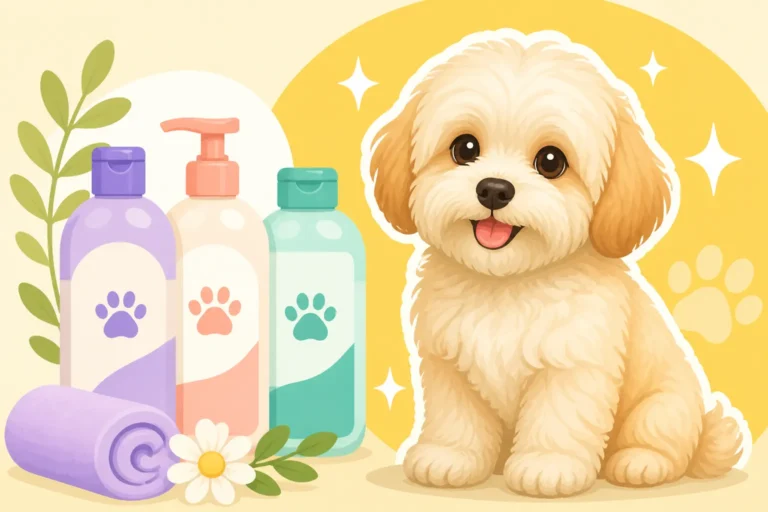
- Shampoo and Conditioner: Choose high-quality, moisturizing shampoos and conditioners formulated for dogs with long, non-shedding coats. Avoid harsh chemicals that can strip the coat of its natural oils, leading to dryness and more tangles. A good conditioner is crucial for making the coat easier to comb through after bathing.
- Nail Clippers/Grinder: While not directly for the coat, keeping nails trimmed prevents them from snagging on the coat or causing discomfort.
- Ear Cleaner: Important for maintaining ear hygiene, as Maltipoos are prone to ear infections due to their floppy ears.
- Eye Wipes/Stain Remover: Essential for managing tear stains, which can be particularly noticeable on light-colored wavy coats.
Using these tools regularly and correctly will make your daily grooming routine much more manageable.
Bathing Best Practices for Wavy Coated Maltipoos
Bathing a wavy-coated Maltipoo isn't just about getting them clean; it's a critical step in mat prevention, but only if done correctly. An improperly bathed and dried Maltipoo can end up with mats tighter and more numerous than before!
First and foremost, always thoroughly brush and comb your Maltipoo before bathing. Any existing tangles or mats will tighten like concrete when wet, becoming nearly impossible to remove without cutting them out. Combing a Maltipoo Down to the Skin is a necessary step before bath time. Once brushed, wet the coat completely with lukewarm water, making sure to get to the skin. Apply a dog-specific shampoo, gently massaging it into the coat, rather than scrubbing vigorously, which can create tangles. Rinse thoroughly, ensuring no shampoo residue is left behind, as this can irritate the skin and dull the coat.
Follow with a good quality conditioner, letting it sit for a few minutes as per the product instructions, then rinse it out completely. The conditioner helps to smooth the hair cuticles, making the coat more pliable and easier to comb. After rinsing, gently squeeze out excess water with your hands, then wrap your Maltipoo in a towel without rubbing aggressively. The drying process is where many mistakes happen. You absolutely must blow-dry your Maltipoo completely, ideally using a pet-specific force dryer or a human hairdryer on a cool or low-heat setting. As you dry, continuously brush the coat with your slicker brush and comb, ensuring it dries straight and tangle-free. Never air-dry a wavy-coated Maltipoo, as this almost guarantees matting. Bathing and Drying a Six Pound Maltipoo details this process further.
Common Challenges with Wavy Maltipoo Coats
While the wavy Maltipoo coat is adored for its beauty and low-shedding qualities, it comes with its own set of challenges. These issues are common, so don't feel like you're alone in dealing with them! Understanding these specific hurdles can help you proactively manage them and keep your Maltipoo comfortable and happy.
Dealing with Mats and Tangles
Mats and tangles are the arch-nemeses of every wavy-coated Maltipoo owner. They form when loose hair, dirt, and debris become interwoven with the growing coat, creating dense knots that can be incredibly painful if left unattended. The wavy texture, with its natural bends and curves, is particularly adept at snagging and holding onto these loose hairs, making daily prevention crucial.
If you encounter a mat, don't panic or try to rip it out. This will only hurt your dog and make them fearful of grooming. First, spritz the mat generously with a detangling spray or a coat conditioner. Using your fingers, try to gently pull the mat apart into smaller sections. Then, starting from the very end of the mat, use the fine-toothed side of your metal comb to pick at the mat, working slowly and patiently from the outer edge inwards, one strand at a time. The trick is to separate small amounts of hair from the mat, rather than trying to comb through the whole thing. For very stubborn mats, a mat splitter or a blunt-nosed safety scissor can be used very carefully to cut into the mat (never across or along the skin) to break it up. If a mat is too close to the skin, too large, or too painful for your dog, it's always best to seek help from a professional groomer or vet, as aggressive mat removal at home can injure your pet.
Tear Staining and Beard Discoloration
Many Maltipoos, especially those with lighter wavy coats, are prone to tear staining. This is that reddish-brown discoloration around the eyes and sometimes on the beard, primarily caused by porphyrins, iron-containing molecules excreted in tears and saliva. While genetic predisposition plays a role (the Maltese side is particularly prone), the wavy hair around the eyes and muzzle can exacerbate the issue. The longer, wavier hairs can wick moisture, creating a damp environment where bacteria and yeast can thrive, leading to deeper staining and sometimes even skin irritation.
Managing tear stains requires a multi-faceted approach. First, keep the hair around the eyes trimmed short. A groomer can do a "face trim" or "eye tidy" to help with this. The Two Week Face Trim a Maltipoo Needs is vital. Daily wiping with a damp cloth or a pet-safe tear stain remover pad can help remove fresh stains before they set. Ensuring your Maltipoo drinks filtered water and eats from a stainless steel or ceramic bowl (plastic can harbor bacteria) can also make a difference. Some owners find that certain foods or supplements help reduce staining, but always consult your vet before making significant dietary changes or introducing new supplements. Consistency is key, as tear staining is often a chronic issue that requires ongoing management. Tear Staining on a Light Coated Maltipoo offers more detailed advice.
Seasonal Changes Affecting the Coat
Just like our hair reacts to different seasons, so does your Maltipoo's wavy coat. While Maltipoos are generally considered non-shedding, their coat can still be affected by changes in temperature and humidity, leading to different grooming needs throughout the year.
In winter, the air tends to be drier, both outdoors and indoors with heating systems. This can make your Maltipoo's coat more prone to static and dryness, which in turn can lead to increased tangling and breakage. Consider using a hydrating leave-in conditioner or a special anti-static spray during colder months. Keep their coat at a slightly longer length to provide more insulation against the cold, especially if they spend time outdoors. However, be vigilant about snow and ice, which can form painful ice balls between their paw pads and get tangled in leg feathering.
In summer, humidity can cause the wavy coat to become frizzier or even appear curlier. This moisture, combined with outdoor activities like swimming, can accelerate matting. During warmer months, many owners opt for a shorter "summer cut" or "puppy cut" to help their Maltipoo stay cooler and reduce the risk of matting. However, even with a shorter cut, sun exposure can potentially lighten their coat color, so consider pet-safe sunscreens if your dog spends a lot of time outside. Regardless of the season, maintaining a consistent brushing schedule is paramount, adapting the frequency and tools as needed for the changing environmental conditions.
Professional Grooming for Wavy Maltipoo Coats
Even with dedicated home grooming, most wavy-coated Maltipoos benefit immensely from regular professional grooming. A skilled groomer has specialized tools, techniques, and experience to keep your Maltipoo's coat in optimal condition, often preventing problems that are difficult to manage at home. Think of them as your coat care partners!
What to Ask Your Groomer
When choosing a groomer for your wavy-coated Maltipoo, it's essential to find someone who understands this specific coat type. Not all groomers are equally experienced with "doodle" coats, which have unique needs. Here are some key questions to ask:
- Experience with Maltipoos or similar curly/wavy-coated breeds: Ask if they have specific experience with Maltipoos, Poodles, or Bichon Frises. Their techniques for these breeds will be more suitable.
- Grooming style and philosophy: Do they use force dryers? How do they handle matting? What products do they use? Ensure their approach aligns with your preferences and your dog's temperament.
- De-matting policy: Understand their policy on de-matting. Many reputable groomers will not de-mat heavily matted dogs because it's too painful and stressful. They will recommend a short shave-down for the dog's comfort.
- Services included: Clarify what a standard groom includes: bath, blow-dry, brush-out, haircut, nail trim, ear cleaning, and expressing anal glands.
- Cost and frequency recommendations: Discuss pricing and how often they recommend your Maltipoo be professionally groomed. For wavy coats, every 4-6 weeks is often ideal.
A good groomer will also offer advice for home care and be transparent about any challenges they encounter with your dog's coat.
Popular Wavy Coat Haircuts and Styles
One of the joys of a Maltipoo's wavy coat is the versatility it offers in terms of styling! While practicality often dictates a shorter cut, there are several popular styles that showcase the wavy texture while keeping maintenance manageable.
- The Puppy Cut: This is perhaps the most popular style for Maltipoos, and for good reason. It involves trimming the coat to a uniform, relatively short length all over the body, typically between half an inch to two inches. It’s easy to maintain at home, reduces matting significantly, and gives your Maltipoo an eternally youthful, adorable look. What a Puppy Cut Looks Like on a Maltipoo describes this in more detail.
- The Teddy Bear Cut: Similar to the puppy cut but often leaving the face and head slightly fuller and rounder, enhancing that cute, soft "teddy bear" appearance. The body can still be kept short for ease of care, creating a delightful contrast.
- The Lamb Cut: This style leaves the body and legs a bit longer than a puppy cut, giving a fuller, more plush look, while still keeping the hair manageable. The face is typically trimmed round. This cut requires more diligent home brushing to prevent mats, especially on the longer leg hair.
- Clean Face and Feet: Regardless of the body cut, many owners opt for a "clean face" (shorter hair around the muzzle and eyes) and "clean feet" (shorter hair on the paws). This helps reduce tear and food staining and keeps the paws cleaner, making home grooming easier.
Discuss these options with your groomer to find a style that suits both your Maltipoo's coat type and your lifestyle.
Establishing a Professional Grooming Schedule
Consistency is paramount when it comes to professional grooming for a wavy-coated Maltipoo. Trying to stretch out the time between grooms often leads to severe matting, forcing the groomer to shave your dog down, which can be stressful for both you and your Maltipoo.
For most wavy-coated Maltipoos, a professional grooming schedule of every 4 to 6 weeks is ideal. This allows the groomer to thoroughly bathe, brush, and trim the coat before mats have a chance to take hold or become too severe. If your Maltipoo's coat grows particularly fast, or if they are very active and prone to getting dirty, you might even need to schedule appointments closer to every 3-4 weeks. During the puppy coat change phase (6-18 months), you might temporarily need more frequent visits, or at least interim bath and brush-out appointments to help manage the increased matting.
Between professional grooms, you'll still be responsible for daily brushing, eye wipes, and perhaps face or paw trims. A groomer can even show you The Kit Needed to Groom a Maltipoo at Home for these touch-ups. Regular professional grooming not only keeps their coat healthy but also helps familiarize your Maltipoo with the grooming process, making each visit less stressful.
Differences from Other Maltipoo Coat Types
It's common for people to think all Maltipoos look alike, but their coats can actually vary quite a bit, primarily falling into three categories: wavy, curly, and straight. Each type has its own beauty and its own unique grooming demands. Understanding where your wavy coat fits in this spectrum can help clarify why its care might differ from another Maltipoo you know.
Wavy vs. Straight Maltipoo Coats
The difference between a wavy and a straight Maltipoo coat is often quite apparent, though sometimes subtle waves can be mistaken for straightness.
A straight Maltipoo coat closely resembles the Maltese parent's coat. It's typically long, silky, and falls straight down without any noticeable kinks or curls. While still beautiful and generally non-shedding, this coat type is less common in Maltipoos and is usually seen in litters where the Maltese genetics are particularly dominant or in certain F1b crosses (Maltipoo bred back to a Maltese). Straight coats tend to be easier to brush through than wavy coats and are less prone to matting because the hairs glide past each other more easily. However, they can still tangle, especially if long, and require daily combing to prevent knots and keep them from dragging on the ground. They may also show tear stains more prominently due to the light, smooth texture of the hair around the eyes.
The wavy Maltipoo coat, as we've discussed, has a distinctive ripple or gentle curl to it. It often has more body and bounce than a straight coat and usually feels softer, almost fleece-like. This texture, while charming, is the reason it grabs onto loose hairs and mats so readily. Grooming a wavy coat requires more thorough and frequent brushing, often with a slicker brush, to separate those waves and prevent them from intertwining. While both coats require commitment, the wavy coat typically demands a bit more diligence in daily preventative brushing to avoid serious matting.
Wavy vs. Curly Maltipoo Coats
The distinction between wavy and curly Maltipoo coats comes down to the tightness and density of the curl pattern. Both types are beautiful, non-shedding, and require significant grooming, but the approach can vary slightly.
A curly Maltipoo coat strongly favors the Poodle parent. The curls are tight, dense, and springy, often resembling wool or a fleece blanket. This coat type feels very plush and soft to the touch. The tight curls are incredibly effective at trapping shed hairs, which means virtually no shedding, but also means these trapped hairs quickly form mats if not brushed out daily. Curly coats are generally considered the highest maintenance of the Maltipoo coat types in terms of matting prevention, as the mats can form deep within the tight curls and close to the skin. They often require shorter haircuts to keep matting manageable, or very frequent and thorough brushing.
The wavy Maltipoo coat sits in the middle. Its waves are looser and more open than the tight curls of a truly curly coat. It still has plenty of body and can look fluffy, but the individual hairs don't coil as tightly. While it’s still very prone to matting due to its non-shedding nature and the way the waves intertwine, it might offer a slightly longer grace period between brushes compared to a very dense, curly coat. However, this is a very fine line, and consistency remains key for both. Owners of wavy coats often find they can achieve a slightly longer, more flowing style than those with very curly coats, assuming they are committed to the daily line brushing.
Why Your Maltipoo's Coat Might Surprise You
One of the most common "surprises" for new Maltipoo owners is how much their puppy's coat changes over time. It's truly a journey from puppyhood to adulthood! That cute, fluffy, seemingly straight coat you brought home might morph into a distinctly wavy or even curly texture once the adult coat starts coming in.
This unpredictability is part of the "designer dog" charm, but it can also be a source of frustration if you're not prepared. Genetic lottery plays a huge role. Even within the same litter, you can see puppies with different coat textures, from straighter to wavier to curlier, depending on which parent's genes were more dominant for coat type. Furthermore, the environment, nutrition, and even hormonal changes (like spaying or neutering) can subtly influence the coat's texture and density.
The best approach is to embrace the journey and be prepared for ongoing grooming needs regardless of the exact wave pattern your Maltipoo develops. Don't assume that because your puppy's coat is easy to manage now, it will stay that way. Be proactive in learning about the different coat textures and their care requirements, and be ready to adapt your grooming routine as your Maltipoo's unique coat reveals itself. Whether a Maltipoo Puppy's Coat Tells You Anything is a great resource to manage expectations.
Maintaining Overall Coat Health Beyond Grooming
While brushing and bathing are critical for managing the external health of your Maltipoo's wavy coat, its true luster and strength come from within. A beautiful, healthy coat is often a reflection of a dog's overall well-being. Focusing on nutrition, protection, and regular veterinary check-ups can significantly impact the quality and manageability of your Maltipoo's wavy mane.
The Role of Nutrition in Coat Vitality
What goes into your Maltipoo's body directly impacts the health of their skin and coat. A diet rich in high-quality ingredients provides the necessary building blocks for strong, vibrant hair follicles, leading to a shinier, more resilient coat that may even be less prone to tangling and breakage.
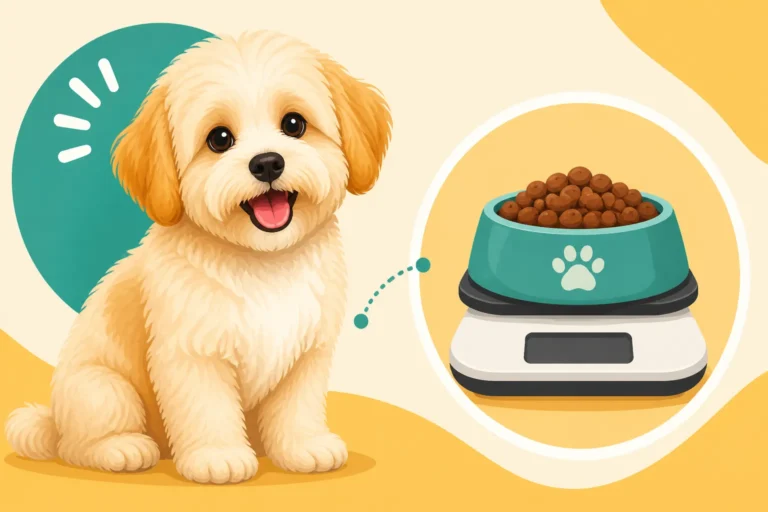
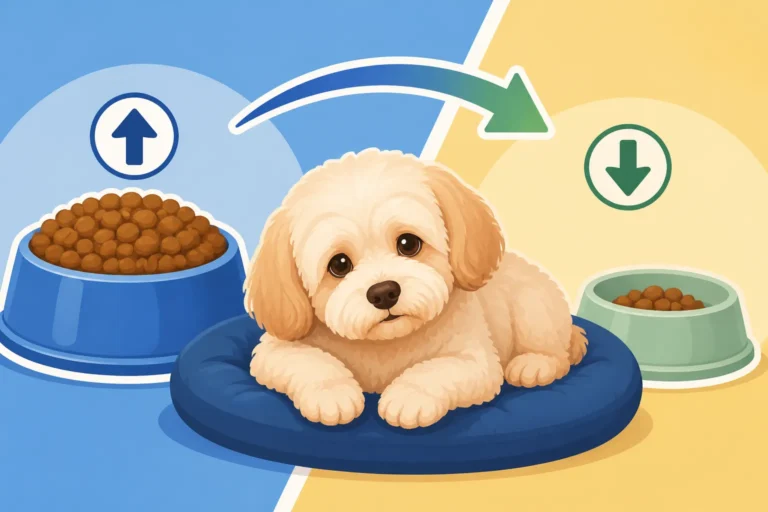
Look for dog foods that list a high-quality animal protein (like chicken, lamb, or fish) as the first ingredient. Essential fatty acids, particularly Omega-3 and Omega-6, are crucial for skin and coat health. These can be found in ingredients like fish oil, flaxseed, and certain vegetable oils. Many premium dog food brands focus on these elements. Some owners opt for fresh food diets, like those offered by Ollie, believing they provide superior nutrition that translates to a healthier coat. Others stick to high-quality kibble. Regardless of your choice, ensure the food is appropriate for your Maltipoo's age, size, and activity level. Feeding a Six Pound Maltipoo by the Ounce, Not the Scoop emphasizes the importance of proper portion control, as obesity can also indirectly affect coat health by making grooming more difficult. A dull, dry, or excessively flaky coat can sometimes be an indicator of dietary deficiencies, so consult your vet if you notice these signs.
Protecting the Coat from Environmental Elements
Your Maltipoo's wavy coat is constantly exposed to the elements, which can take a toll if not properly protected. Environmental factors like sun, wind, rain, and even harsh chemicals can damage the hair, making it dry, brittle, and more susceptible to matting.
- Sun Protection: Just like human hair, prolonged sun exposure can dry out and even bleach your Maltipoo's coat, especially lighter colors. While a full sun hat might be a bit much, consider limiting extended periods of direct sunlight during peak hours, particularly if your Maltipoo has a shorter cut.
- Weather Gear: In wet or cold weather, dog sweaters or coats can offer protection not just from the chill, but also from rain and snow that can cause immediate matting if the coat gets soaked. Why a Maltipoo Shivers Indoors touches on their temperature sensitivity. After a rainy walk, always towel dry thoroughly and brush out any damp areas to prevent tangles from setting in.
- Avoid Harsh Chemicals: Be mindful of where your Maltipoo plays. Lawn chemicals, salt on winter sidewalks, or even certain household cleaners can irritate their skin and damage their coat. Always rinse their paws thoroughly after walks, especially in urban environments.
- Friction Reduction: Consider how harnesses and collars interact with the coat. Over time, constant rubbing can create friction mats. Ensure harnesses fit well and aren't constantly rubbing in one spot. Using a silk or satin lining on their bed can also help reduce friction and static on their coat while they sleep.
Taking these preventative measures can significantly reduce damage and keep your Maltipoo's wavy coat looking its best, no matter the season or activity.
Supplements for a Healthy Skin and Coat
While a balanced diet is the foundation of coat health, some owners consider supplements to give their Maltipoo's wavy coat an extra boost. These are not magic bullets, but they can be beneficial in certain situations, always with veterinary guidance.
The most popular and often recommended supplements for skin and coat health are Omega-3 fatty acids. These typically come from fish oil (like salmon oil or sardine oil) and are known for their anti-inflammatory properties, which can improve skin condition, reduce dryness, and promote a shiny coat. Many dog food brands include Omega-3s, but some dogs benefit from additional supplementation, particularly if they have dry skin or a dull coat.
Other supplements that might be considered include:
- Biotin: A B vitamin sometimes used to support healthy skin and hair growth.
- Vitamin E: An antioxidant that supports skin health.
- Zinc: Important for skin barrier function and overall coat quality.
Before adding any supplements to your Maltipoo's diet, it is crucial to consult your veterinarian. They can help determine if there's a specific deficiency or health issue contributing to coat problems and recommend the appropriate type and dosage of supplements, ensuring they won't interact negatively with any other medications or conditions your dog might have.
Here's a quick comparison of common Maltipoo coat types:
| Coat Type | Texture Description | Matting Propensity | Shedding Level | Grooming Frequency (Home) | Primary Grooming Tool |
|---|---|---|---|---|---|
| Wavy | Soft, flowing waves, fleece-like | High | Very Low | Daily | Slicker Brush & Comb |
| Curly | Tight, dense curls, wool-like | Very High | Very Low | Daily (very thorough) | Slicker Brush & Comb |
| Straight | Long, silky, flat | Moderate | Low | Every other day | Pin Brush & Comb |
Remember, your Maltipoo's wavy coat is a unique feature that requires a little extra attention and a consistent routine. With the right tools, techniques, and a proactive approach, you can keep them comfortable, healthy, and looking absolutely stunning. It’s a labor of love, but one that is incredibly rewarding when you see your happy, tangle-free companion bouncing around.
Disclaimer
This article is for general informational purposes only and does not constitute professional advice. Laws, prices and regulations vary by location and change over time. Consult a qualified professional for guidance on your specific situation.