The Trim a Maltipoo Owner Should Ask For
One of the most common frustrations Maltipoo owners face is walking out of the groomer's with a dog that looks nothing like they imagined, or worse, a dog that looks completely different from their previous groom. It can feel like a game of chance, especially with a breed whose coat is as unique and variable as the Maltipoo's. This guide is dedicated to helping you understand your Maltipoo's grooming needs and, more importantly, how to communicate effectively with your groomer to ensure your furry friend always sports the perfect trim for their comfort and your aesthetic preferences.
Understanding the Maltipoo Coat: Why Specific Trims Matter
The Maltipoo's coat is truly a marvel, a delightful blend from its Maltese and Poodle parents, but this blend also means a wide spectrum of coat types and, consequently, grooming requirements. It's not a "one size fits all" situation, and what works for one Maltipoo might not work for another. Understanding your dog's specific coat type is the first step toward getting a trim that is both beautiful and functional.
The Wavy, Curly, and Straight Realities of the Maltipoo Coat
When you bring home a Maltipoo puppy, it's a bit of a genetic lottery in terms of their coat. Some Maltipoos inherit more of the Poodle's tight curl, while others lean towards the Maltese's long, silky, straight hair. Many fall somewhere in between, sporting a lovely soft wave. Each of these coat types behaves differently under the clippers and brush, and they each have their own set of challenges and benefits. For instance, a tightly curled coat might need more frequent, shorter trims to prevent matting, whereas a straighter coat can sometimes handle a bit more length but might still tangle easily without regular brushing.
The type of coat your Maltipoo has will significantly influence the best approach to grooming. A dog with a The Wavy Maltipoo Coat might have less matting risk than a very curly one but still needs regular attention. If your Maltipoo has a truly The Curly Maltipoo Coat, you'll notice it tends to hold onto loose hairs rather than shedding them, which is wonderful for allergy sufferers but makes it prone to tangles if not brushed through daily. On the other hand, a The Straight Coated Maltipoo often has a finer texture that can mat into delicate knots, particularly around friction points. Knowing this nuance helps you understand why certain trims might be recommended or why your groomer might suggest a specific length.
Why Matting is the Enemy: The Double-Edged Sword of a Non-Shedding Coat
One of the most attractive qualities of the Maltipoo is their low-shedding, often hypoallergenic coat. This means less fur on your furniture and clothes, which is a huge bonus for many households. However, this wonderful trait comes with a significant responsibility: regular grooming to prevent matting. Mats form when shed hairs get trapped within the growing coat, intertwining with live hair and tightening over time. They can range from small tangles behind the ears to dense, painful pelts covering large areas of the body.
Mats aren't just an aesthetic problem; they pose serious health risks. They pull on the skin, causing discomfort, pain, and even bruising. Trapped moisture and debris within mats can lead to skin infections, hot spots, and parasite infestations. Severe matting can restrict movement, hinder proper air circulation to the skin, and make bathing impossible without causing further pain. When a Maltipoo's coat becomes severely matted or "pelted," the only humane option is often a complete shave-down, which can be upsetting for owners who prefer a longer, fluffier look. This is why discussing realistic lengths and maintenance with your groomer is crucial, especially if you want to avoid situations where you're asking What a Groomer Charges by the Hour on a Matted Maltipoo just to get them comfortable again.
Popular Maltipoo Trim Styles: What to Ask For
When you walk into a groomer's, simply saying "make them cute!" might not get you the results you envision. Being able to describe specific styles or, even better, show pictures, is key. There are a few beloved styles that suit Maltipoos beautifully, balancing aesthetics with practicality.
The Classic Puppy Cut: Universally Adored and Practical
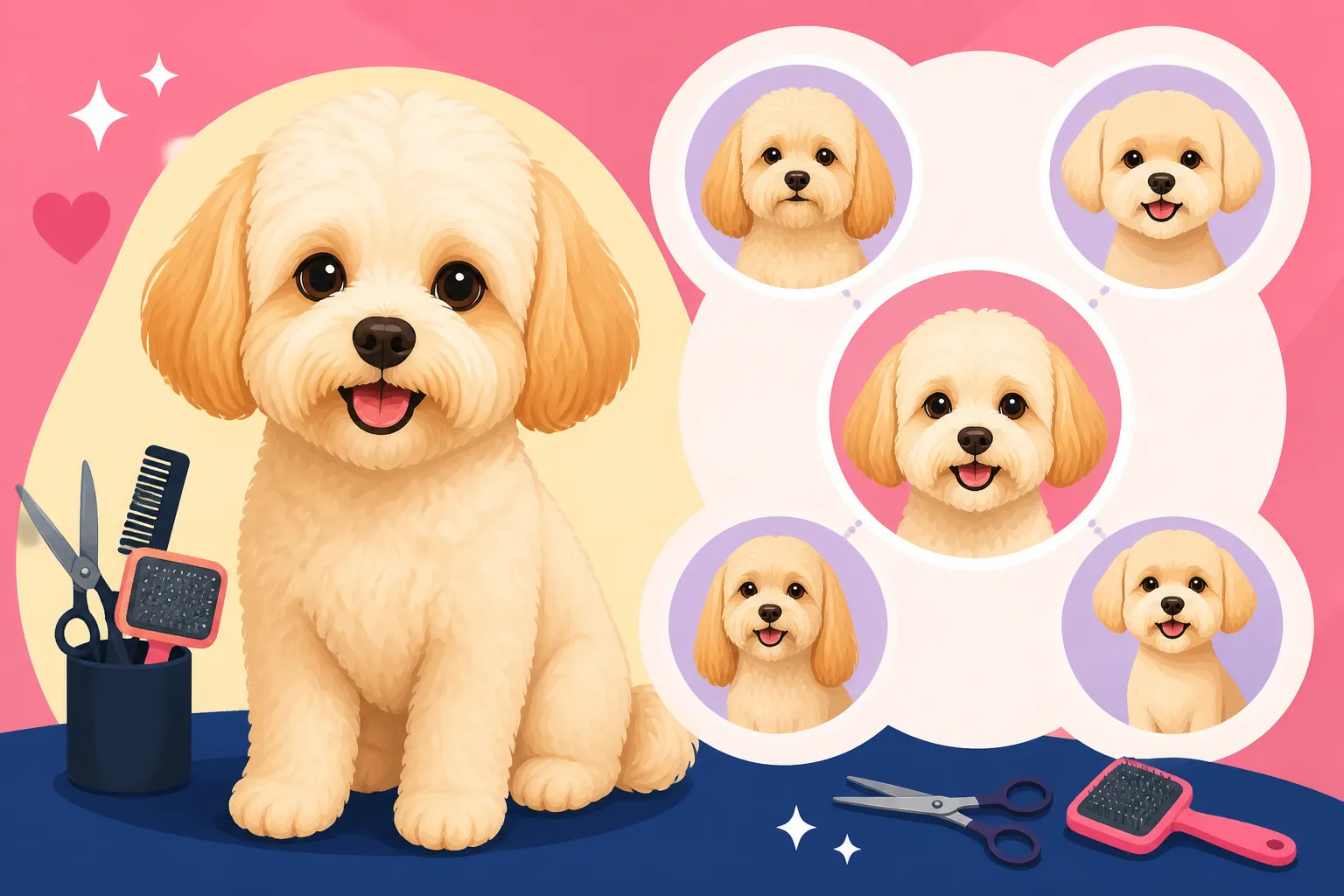
The Puppy Cut is arguably the most popular trim for Maltipoos, and for good reason. It’s a versatile, all-around trim that keeps the coat at a uniform short-to-medium length all over the body, usually between 1/2 inch to 1 inch. The goal is to maintain that adorable, youthful look that Maltipoos are famous for, reminiscent of a perpetually playful puppy. The hair on the head, ears, and tail is often left slightly longer to enhance this soft, rounded appearance.
This trim is fantastic for active dogs and busy owners because it significantly reduces the risk of matting, especially when coupled with regular brushing. It’s a very practical choice for maintaining hygiene, as it keeps the fur away from the ground and allows for easier cleaning after outdoor adventures. If you’re not sure where to start, or if your Maltipoo is prone to matting, asking for a Puppy Cut is a safe and adorable bet. It’s a timeless look that truly captures the Maltipoo's charm. You can see examples of What a Puppy Cut Looks Like on a Maltipoo to give you a clearer idea.
The Charming Teddy Bear Cut: A Slightly Longer, Fluffier Look
For those who love a bit more fluff and want to emphasize their Maltipoo's cuddly, toy-like appearance, the Teddy Bear Cut is an excellent option. This style leaves the coat a bit longer than a traditional Puppy Cut, often ranging from 1 to 2 inches, but still maintains a consistent length across the body, legs, and face. The key to the Teddy Bear Cut is the rounded, soft edges, especially around the face, creating that quintessential "teddy bear" expression.
While incredibly charming, the Teddy Bear Cut does require more diligent at-home maintenance. The increased length means a higher propensity for tangles and mats, so daily brushing down to the skin is absolutely essential. This trim is ideal for Maltipoos with relatively straight or wavy coats that are easier to brush through, or for owners who are committed to a strict daily grooming routine. If you choose this style, be prepared for the commitment to keep it looking its best. If neglected, it can quickly become uncomfortable for your dog. For a visual reference, check out What a Teddy Bear Trim Looks Like on a Maltipoo.
Shorter & Sporty: The Practicality of a Low-Maintenance Trim
Sometimes, practicality simply has to win out, especially for very active Maltipoos, those with extreme matting issues, or owners who prefer minimal at-home grooming. A shorter, more sporty trim involves taking the coat down to a very short length, often 1/4 inch or less, all over the body. This is a "no-fuss" approach that prioritizes comfort, hygiene, and ease of care above all else.
This trim is particularly beneficial during hot summer months, although it's important to remember that a very short coat also offers less protection from the sun and cold. For dogs prone to chronic skin issues, a very short trim can allow topical treatments to reach the skin more effectively. While it might temporarily sacrifice some of the Maltipoo's signature fluff, it drastically reduces matting risk and makes maintenance a breeze. This is also often the only option when a Maltipoo comes in severely matted, as it's the kindest way to remove painful knots without causing unnecessary stress or injury.
Communicating with Your Groomer: Getting the Perfect Cut
You can have the clearest vision of your Maltipoo's perfect haircut, but if you can't convey it to your groomer, it's just a dream. Effective communication is the bridge between your expectations and their scissors. Don't be shy or assume they'll just "know." Groomers are professionals, and they want you to be happy with their work, but they aren't mind readers!
Bringing Visuals: Photos Speak a Thousand Words
This is, hands down, the most effective way to communicate with your groomer. Pictures eliminate ambiguity. Bring several photos of Maltipoos with haircuts you love, especially if they resemble your dog's coat type and body structure. Show them what you want the overall length to be, how you like the face framed, and the style of the ears and tail.
It’s equally helpful to bring photos of haircuts you absolutely don't want. For example, if you dislike very short ears or a squared-off face, a "no" picture can be just as informative as a "yes" picture. Remember that every dog's coat, facial structure, and ear set are different, so while a photo is a great guide, your groomer might need to make slight adjustments to best suit your individual Maltipoo. They'll appreciate the clear direction and be better equipped to deliver a result you'll adore.
Discussing Length and Lifestyle: Beyond Just the Style Name
While naming a style like "Puppy Cut" or "Teddy Bear Cut" is a good starting point, it's crucial to go deeper into specifics. Discussing exact lengths in terms of inches is far more precise. Instead of "short," say "about half an inch everywhere," or "leave the legs one inch long." If you're particular about the length on the top of the head or around the muzzle, specify that too. Many owners want The Two Week Face Trim a Maltipoo Needs to be just right, so be specific about how much hair you want left there.
Equally important is discussing your Maltipoo's lifestyle. Is your dog an outdoor adventurer who loves rolling in the mud? A super short, easy-care trim might be best. Are they a pampered indoor companion who gets daily brushing? A longer, fluffier style might be manageable. Do they have any health issues like sensitive skin or a collapsing trachea that might influence grooming choices (e.g., using a harness instead of a collar, or avoiding certain products)? Your groomer can offer advice and tailor the trim to suit your dog's daily life and health needs. This collaborative conversation ensures the trim is practical and comfortable for your Maltipoo, not just pretty.
Understanding Grooming Terms: Speaking Their Language
Groomers often use specific terminology that can sometimes confuse owners. Familiarizing yourself with a few key terms can make your discussions much smoother. For example, when they ask what "blade size" you prefer, they're referring to the length the clippers will leave the hair. A #10 blade leaves very short hair, while a #4 or #5 will leave it longer. Asking for a "scissor cut" means they'll primarily use scissors to shape the coat, often resulting in a softer, more natural finish, though it can be more time-consuming and expensive.
Knowing terms like "sanitary trim" (shaving the private areas for hygiene), "paw pads shaved" (to prevent slipping and trap debris), or "ear plucking" (if your Maltipoo has hair growing inside its ears, like Whether Hair Grows Inside a Maltipoo's Ear Canal) can help you understand what's included or what to request. Don't be afraid to ask your groomer to clarify anything you don't understand. A good groomer will be happy to explain and educate you, ensuring you're both on the same page.
Maintaining Your Maltipoo's Trim Between Professional Grooms
Getting a fantastic trim is only half the battle; maintaining it is the other. Maltipoos, with their continuously growing, mat-prone coats, require consistent at-home care to keep them comfortable and looking their best between professional grooming appointments. This isn't just about aesthetics; it's vital for their skin health and overall well-being.
Essential Tools for At-Home Maintenance
Investing in the right tools is paramount for effective at-home grooming. You don't need a professional setup, but a few key items will make a world of difference. A good quality slicker brush is essential for removing tangles and loose hair, while a metal comb with both fine and wide teeth is necessary for checking for mats down to the skin. You'll also want a pair of blunt-nosed grooming scissors for safely trimming around sensitive areas like the eyes and paws. A detangling spray can also be a lifesaver for working out stubborn knots without causing discomfort.
Brands like Chris Christensen, Andis, or even some of the well-regarded grooming lines available on Amazon or Chewy offer excellent tools designed for delicate coats like the Maltipoo's. Remember, cheap tools can snag and pull hair, making grooming an unpleasant experience for your dog. Think of it as an investment in your Maltipoo's comfort and your peace of mind. To ensure you have everything you need, refer to The Kit Needed to Groom a Maltipoo at Home.
Spot Trims: Keeping Eyes and Paws Clear
Even with regular professional grooms, certain areas on a Maltipoo tend to grow out quickly and can become problematic. The hair around their eyes can grow long enough to poke them, causing irritation and contributing to tear staining. Similarly, the hair between their paw pads can grow quite long, reducing traction, collecting debris, and even causing discomfort.
Learning to do basic "spot trims" at home can keep your Maltipoo much more comfortable between full grooming sessions. Use blunt-nosed scissors to carefully trim the hair away from the corners of their eyes, ensuring you're always cutting away from the eye itself. For paw pads, use small clippers or scissors to trim the hair flush with the pads, being extremely careful not to cut the pads themselves. These small maintenance tasks are crucial for your Maltipoo's comfort and can prevent more serious issues like eye infections or paw irritations. This is also part of Keeping a Maltipoo's Face Trimmed and Clean.
The Importance of Regular Brushing
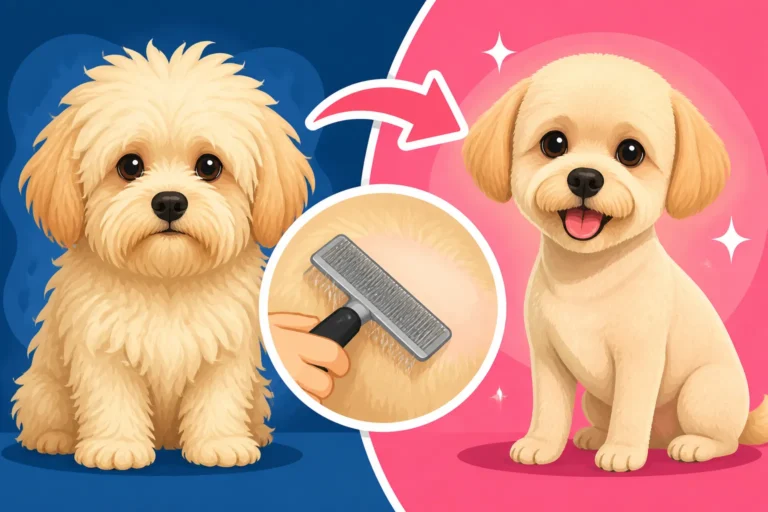
We can't stress this enough: regular, thorough brushing is the cornerstone of Maltipoo coat care. Even if your Maltipoo has a short trim, daily or every-other-day brushing is vital to prevent mats from forming. With longer trims, it becomes non-negotiable. The goal isn't just to skim the top layer of the coat; you need to brush all the way down to the skin to catch any developing tangles.
A common mistake is brushing only the surface, leaving mats to form unnoticed closer to the skin, especially in areas like behind the ears, under the legs, and in the armpits. These hidden mats can become painful and severe very quickly. Use your slicker brush in small sections, then follow up with your metal comb to ensure you can smoothly run it through the coat from root to tip. If the comb snags, you've found a tangle that needs gentle working out with your slicker brush and perhaps a detangling spray. Consistent brushing prevents major problems and makes subsequent professional grooms much easier and more comfortable for your dog. For detailed guidance, learn how to do Combing a Maltipoo Down to the Skin.
Special Considerations for Your Maltipoo's Trim
Every Maltipoo is an individual, and their grooming needs can change with age, health, and lifestyle. What works for a playful puppy might not be suitable for a senior dog, and environmental factors also play a significant role.
Tailoring the Trim for Puppies and Senior Maltipoos
Puppies and senior Maltipoos often require a more gentle and considerate approach to grooming. For a puppy, their first few grooms are all about positive experiences. A shorter, simpler trim might be best initially to get them accustomed to the process without overwhelming them. Puppy coats also tend to be softer and more prone to tangling as they transition to their adult coat, so consistent brushing from a young age is crucial. When it comes to A Maltipoo Puppy's First Trim Costs and experience, patience is key.
Senior Maltipoos, on the other hand, might have health conditions like arthritis, sensitive skin, or decreased stamina. Long grooming sessions can be painful or stressful. Your groomer should be aware of any health issues and may recommend shorter, more frequent appointments or a simpler, shorter trim to minimize discomfort. They might need extra padding on the grooming table or breaks to rest. Prioritizing their comfort and well-being means adapting the grooming routine to their changing needs. More specific advice can be found in Grooming an Old Maltipoo.
Addressing Health Concerns Through Grooming
Grooming isn't just about looking good; it's also an opportunity to monitor your Maltipoo's health. Issues like chronic tear staining, skin allergies, or ear infections can all influence grooming decisions. For Maltipoos with significant tear staining, keeping the hair around the eyes very short can help with cleaning and prevent moisture build-up that encourages yeast and bacterial growth. Some owners use specific wipes or gentle cleansers, sometimes available through retailers like Chewy or Amazon, to manage tear stains effectively.
If your Maltipoo has skin allergies, a veterinarian-prescribed shampoo and conditioner might be necessary, and your groomer should be informed. They might also suggest a shorter trim to allow the skin to breathe and make it easier to apply topical medications. For dogs prone to ear infections, proper ear cleaning and plucking (if recommended by your vet) are vital. A good groomer will also check for lumps, bumps, or any changes in the skin during the grooming process, alerting you to potential health issues early on.
Weather and Activity Level: How It Influences the Best Trim
The climate you live in and your Maltipoo's activity level should definitely factor into their trim. In warmer climates or during summer months, many owners opt for a shorter, lighter trim to help their Maltipoo stay cool. While a Maltipoo's coat does provide some insulation, a very long, dense coat can make them overheat, especially if they are very active outdoors. However, be cautious of shaving too short, as a very sparse coat offers little protection from harsh sun, increasing the risk of sunburn.
Conversely, in colder climates, a slightly longer coat might offer a bit more warmth during winter walks, though it will also require more vigilance against snow and ice balls forming in the fur. For active dogs who spend a lot of time outside, a shorter, more athletic cut can be far more practical, preventing debris from getting tangled in their coat and making clean-up easier. A less active, indoor-only Maltipoo might manage a longer, more elaborate trim, provided the owner is committed to the daily brushing it requires.
| Trim Style | Key Characteristics | Maintenance Level | Best For | Typical Length |
|---|---|---|---|---|
| Puppy Cut | Uniform length, soft, rounded appearance. | Medium | Active dogs, owners wanting classic look & good hygiene. | 1/2 to 1 inch |
| Teddy Bear Cut | Longer, fluffier, rounded face, cuddly look. | High | Owners committed to daily brushing, less active dogs. | 1 to 2 inches |
| Sporty/Short | Very short all over, practical. | Low | Hot climates, very active dogs, matting issues, easy care. | 1/4 inch or less |
| Face Trim Only | Keeps hair out of eyes/mouth, rest of body left. | Low (for body) | Between full grooms, selective tidiness. | Varies |
Ultimately, the best trim for your Maltipoo is one that balances their comfort, your lifestyle, and their unique coat type. Don't be afraid to experiment (within reason!) with different lengths and styles, always with open communication with your trusted groomer.
Disclaimer
This article is for general informational purposes only and does not constitute professional advice. Laws, prices and regulations vary by location and change over time. Consult a qualified professional for guidance on your specific situation.