Whether Hand Feeding Helps a Picky Maltipoo
It's incredibly frustrating when you pour out a bowl of what you think is delicious, nutritious food for your beloved Maltipoo, only for them to turn up their nose, sniff disdainfully, and wander off as if you've offered them plain cardboard. Many Maltipoo owners find themselves in this exact predicament, worrying about their dog's nutrition and health when faced with a finicky eater. This comprehensive guide will delve into the complex issue of picky eating in Maltipoos, specifically exploring whether hand-feeding can be a genuine solution or if it's a slippery slope to even greater challenges, and what other strategies you can employ to ensure your furry friend gets the sustenance they need.
Understanding Why Your Maltipoo is a Picky Eater
Before you even consider hand-feeding, it's crucial to understand why your Maltipoo might be turning into a picky eater in the first place. It's rarely out of spite, though it can certainly feel that way when you're desperate to get them to eat! Their genetics, personality, and even subtle environmental cues can all play a role.
The Maltese Influence on Pickiness
Let's be real, the Maltese half of your Maltipoo often brings a certain… regal air to the dinner table. Maltese are known for sometimes being quite particular about their food. They’re small, often have delicate digestive systems, and can develop strong preferences or aversions. If your Maltipoo has inherited more of that Maltese sensibility, they might be inherently less enthusiastic about food than, say, a Labrador. They might prefer novelty, or they might stick to one specific texture or flavor profile they've deemed acceptable. This isn't necessarily a bad thing, but it does mean you might need to be more mindful of their palate. You can explore Whether a Maltipoo Is a Fussy Eater to get more insights into this trait.
The Poodle's Tendency for Disinterest
On the other side of the genetic coin, the Poodle part of your Maltipoo brings intelligence and, sometimes, a discerning nature that can manifest as disinterest in food if it's not stimulating enough or if other things are more interesting. Poodles are smart, and they can quickly learn that if they hold out, something better might come along. This isn't to say they're manipulative, but they are quick learners! If mealtime isn't a high-value activity, they might simply prioritize playing with a toy, getting attention, or observing the household goings-on. They might eat enough to sustain themselves but won't show the enthusiastic gusto you might expect from a dog. It's a subtle difference, but one that can lead to perceived pickiness.
Environmental and Health Factors Contributing to Finickiness
Beyond genetics, a whole host of other factors can make your Maltipoo a picky eater. Think about their environment: Is mealtime stressful? Is there too much noise or activity? A Maltipoo, especially a smaller one, can be sensitive to its surroundings. If they feel insecure or anxious, their appetite might dip.
Then there's the food itself. Are you feeding them the same food day in and day out? Sometimes, a change in protein or texture can spark their interest. Or perhaps the food isn't fresh, or it's been sitting out too long.
Most importantly, always consider their health. A sudden change in appetite or increased pickiness can be a red flag for an underlying medical issue. Dental pain, upset stomach, parasites, or even more serious conditions can all manifest as a reluctance to eat. If your Maltipoo suddenly becomes picky, especially if it’s accompanied by other symptoms like lethargy, vomiting, or diarrhea, a vet visit is absolutely essential. Don't just assume it's behavioral; rule out any health concerns first. It's always a good idea to know What a Maltipoo's First Vet Visit Should Include to establish a baseline of health.
The Pros and Cons of Hand-Feeding Your Maltipoo
So, your Maltipoo is being picky, and you're at your wit's end. The thought of hand-feeding pops into your head. Is it a good idea? It's a nuanced question with both potential benefits and significant drawbacks.
Potential Benefits: Bonding and Encouragement
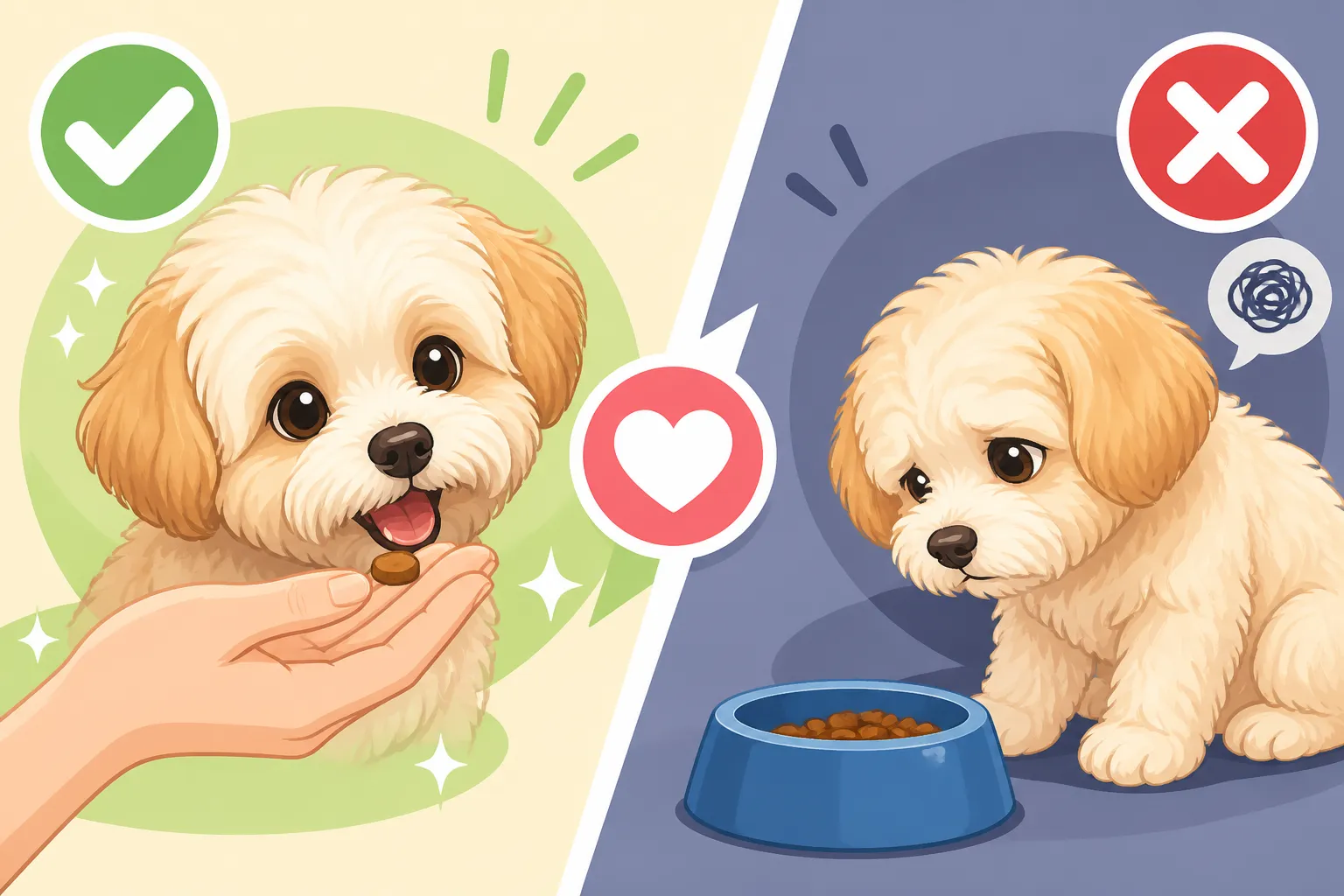
One of the most immediate and heartwarming benefits of hand-feeding is the undeniable bonding experience it creates. When you sit with your Maltipoo, offering them food gently from your hand, it builds trust and strengthens your relationship. For a dog that might be feeling a little unsure or anxious about eating, this close, comforting interaction can be incredibly reassuring. It makes mealtime a positive, intimate ritual.
For puppies, especially those who might be shy or recovering from a transition (like leaving their littermates), hand-feeding can be a gentle way to encourage them to eat. It can also be beneficial for a Maltipoo that's recovering from illness or surgery, where every calorie counts and the sheer act of eating needs to be made as easy and appealing as possible. In these specific, short-term scenarios, hand-feeding can be a crucial tool to ensure they get the nutrients they need, particularly if they're at risk of something like Hypoglycemia and the Teacup Maltipoo Puppy. The warmth of your hand, the gentle encouragement, and the direct contact can sometimes be just what they need to start eating again.
The Downsides: Creating a Picky Monster
While the immediate benefits might seem appealing, the long-term consequences of hand-feeding can be substantial. The biggest risk is inadvertently reinforcing picky behavior. Your Maltipoo, being a smart creature, quickly learns that if they hold out long enough, you'll eventually cave and hand-feed them. This can escalate into a situation where they outright refuse to eat from their bowl, only accepting food from your hand.
Imagine this scenario: you hand-feed your Maltipoo for a few days to get them through a rough patch. They feel better, but now they expect it. You put their food in the bowl, and they ignore it. You wait. They wait longer. Eventually, you, out of love and concern, pick up the bowl and offer a few pieces by hand. Success! But what your Maltipoo has learned is: "If I don't eat from the bowl, Mom/Dad will hand-feed me." This pattern can be incredibly difficult to break once established. You might find yourself tied to their meal schedule, unable to leave them with a sitter who won't hand-feed, and constantly stressed about their eating habits.
It can also lead to resource guarding issues if not managed carefully, as the food becomes associated solely with you and your hand. This possessiveness, while not common, is a risk you should be aware of.
When Hand-Feeding Might Be Appropriate (Short-term solutions)
There are very specific situations where hand-feeding can be a temporary, beneficial measure, but it should always be approached with a clear exit strategy.
- During Illness or Recovery: If your Maltipoo is unwell, has a low appetite, or is recovering from surgery, hand-feeding small, palatable portions can be vital. This is usually under veterinary guidance, and the goal is to get calories in them until their normal appetite returns. For example, if you notice The Signs a Maltipoo Puppy Is Crashing due to low blood sugar, hand-feeding something like Nutri-Cal might be a lifesaver.
- Introducing New Foods: Sometimes, if you're trying to transition to a new food, offering a few pieces by hand can help create a positive association. It's a gentle introduction rather than an expectation.
- Extreme Stress or Anxiety: If your Maltipoo is in a highly stressful situation, like a new home or a loud event, and is too anxious to eat from a bowl, a small amount of hand-fed food can help. Again, this is a temporary measure to get through the acute stressor.
The key takeaway here is temporary. Hand-feeding should be a short-term intervention, not a permanent solution, unless advised by a vet for a chronic condition.
Alternative Strategies to Encourage Eating in a Maltipoo
If hand-feeding risks creating more problems than it solves, what else can you do for a picky Maltipoo? Plenty! The goal is to make mealtime appealing and routine, without resorting to tactics that reinforce finicky behavior.
Establishing a Routine and Structure
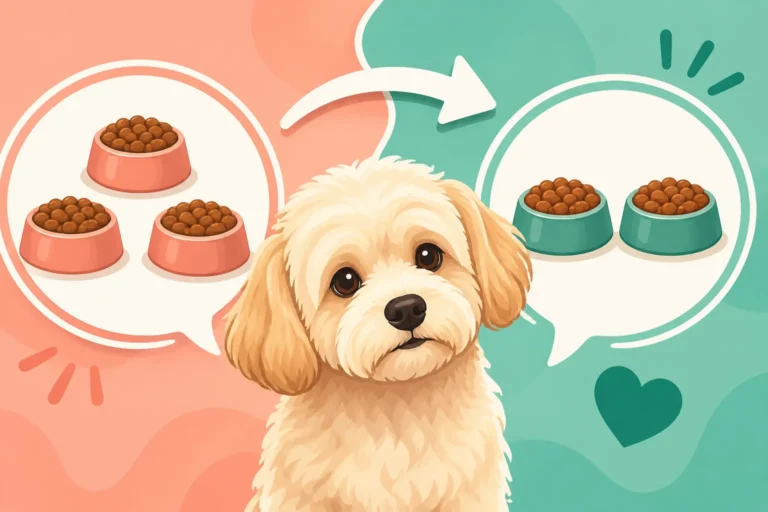
Dogs thrive on routine, and mealtime is no exception. Instead of leaving food out all day for your Maltipoo to graze on (which often contributes to pickiness, as it loses its novelty and urgency), establish a consistent feeding schedule. Offer food for 15-20 minutes, then pick it up, whether they've eaten it or not. Don't offer any other food or treats until the next scheduled mealtime. This teaches your Maltipoo that food is available at specific times, and if they don't eat it, it's gone. It's a tough love approach, but it often works wonders. They learn to eat when the food is offered. This structure helps manage their caloric intake, as you'd learn when considering How Many Ounces a Four Pound Maltipoo Eats.
- Consistency is Key: Feed at the same times every day.
- Time Limits: Set a timer. When it goes off, the food goes away.
- No Free-Feeding: Resist the urge to leave the bowl down all day. This is a common mistake that enables pickiness.
Enhancing Palatability and Food Appeal
Sometimes, the issue really is the food itself. Maltipoos can be particular, and what works for one dog might not work for another.
- High-Quality Food: Invest in a high-quality small-breed kibble or a fresh food option. Brands like Ollie offer customized, human-grade fresh food that can be incredibly appealing to picky eaters. For kibble, look for options with real meat as the first ingredient. You might wonder Whether a Maltipoo Needs Small Breed Kibble – often, smaller kibble is easier for their tiny mouths.
- Wet Food or Toppers: Mix in a spoonful of wet dog food, a little low-sodium chicken broth, or a dog-specific food topper. This can boost the aroma and flavor, making it more enticing. You can find excellent wet food options and toppers on Chewy or Amazon.
- Warm it Up: Gently warming wet food (or kibble mixed with broth) in the microwave for a few seconds can enhance its smell and make it more palatable, much like how humans enjoy warm food.
- Variety (with caution): While consistency is good, occasionally rotating protein sources (e.g., chicken one month, lamb the next) within a high-quality brand can keep things interesting. However, do this gradually to avoid stomach upset. Be careful not to introduce too much variety too quickly, as this can also lead to pickiness, with your Maltipoo holding out for their absolute favorite.
- Avoid Table Scraps: This is a big one. Even tiny bits of human food can make your Maltipoo think their regular dog food isn't good enough. Stick to dog-appropriate treats and food. Remember, The Table Foods That Send a Maltipoo to the Vet are numerous and dangerous.
Addressing Underlying Health Issues
As mentioned earlier, health is paramount. If your Maltipoo suddenly becomes picky, or their pickiness is severe and persistent, a vet visit is non-negotiable.
- Dental Health: Small breeds like Maltipoos are prone to dental issues. Painful teeth or gums can make eating uncomfortable. Regular dental checks are essential.
- Digestive Issues: Subtle stomach upset, acid reflux, or food sensitivities can reduce appetite. Your vet might suggest a prescription diet or a limited ingredient diet to rule out allergies.
- Parasites: Intestinal parasites can also affect appetite and digestion.
- Other Illnesses: Any illness, from a minor infection to a chronic condition, can cause a loss of appetite. Your vet can perform blood tests and a thorough examination to rule out medical causes. For more on health, consider articles like The Yearly Checks a Maltipoo Should Get.
Making Mealtime a Positive Experience
Create a calm, positive environment for meals.
- Quiet Space: Feed your Maltipoo in a quiet corner away from household traffic, other pets, or loud noises.
- Praise and Encouragement: Offer gentle praise when they approach their bowl or start eating.
- Interactive Bowls: Some Maltipoos enjoy slow-feeder bowls or puzzle feeders. This can make mealtime a game, stimulating their Poodle intelligence and making eating more engaging. Just ensure the bowl isn't too deep for their small snout.
- Exercise Before Meals: A good walk or play session before mealtime can stimulate appetite. A tired dog is often a hungry dog!
Implementing Hand-Feeding Safely and Strategically
If you've assessed all other options and your vet agrees that a temporary period of hand-feeding is necessary, here’s how to do it in a way that minimizes the risk of creating a long-term problem.
Setting Clear Boundaries
Even when hand-feeding, you need to maintain structure. This isn't about letting your Maltipoo dictate terms.
- Scheduled Hand-Feeding: Don't just hand-feed whenever they look hungry. Stick to their regular meal schedule. Offer a portion of their regular food, not special treats.
- Limited Time: Just like with bowl feeding, offer the food for a set amount of time (e.g., 10-15 minutes). If they don't eat it, it's put away until the next meal. This reinforces that food isn't available on demand.
- Your Rules: You initiate the hand-feeding, not them. Don't respond to nudging, whining, or barking for food. Wait until they are calm, then offer it. This helps them understand you're in control of the resource.
- Small Portions: Offer very small amounts at a time. This prevents them from getting overwhelmed and ensures you're still regulating their intake. For instance, a Maltipoo puppy's stomach is tiny, and knowing How Much a Maltipoo Puppy Eats at Twelve Weeks is crucial, whether from a bowl or your hand.
Transitioning Away from Hand-Feeding
The most critical part of hand-feeding is successfully transitioning back to the bowl. This takes patience and consistency.
- Gradual Reduction of Hand-Contact: Start by placing your hand with the food closer and closer to the bowl. Eventually, place your hand in the bowl while they eat from it.
- Leaving Food in the Bowl: Once they're comfortable eating from your hand in the bowl, try letting go of a few pieces, allowing them to eat directly from the bowl while your hand is still there. Slowly, over days or weeks, remove your hand for longer periods.
- Phased Withdrawal: Transition from hand-feeding a full meal to hand-feeding just the first few bites, then letting them finish from the bowl. Eventually, progress to placing the entire meal in the bowl, offering praise when they eat from it.
- Positive Reinforcement: Lavishly praise and reward (with verbal praise, gentle petting, or a tiny, high-value treat after they've eaten from the bowl) when they eat from their bowl. Make it a celebration!
- No Going Back: Once you've started the transition away from hand-feeding, do not revert if they have a stubborn day. Stick to the schedule and the bowl. This is where consistency truly matters. If you backslide, you undo all the progress and reinforce the pickiness.
| Feature | Hand-Feeding (Temporary) | Scheduled Bowl Feeding (Standard) |
|---|---|---|
| Primary Goal | Encouragement, bonding, critical calorie intake | Independence, routine, preventing pickiness |
| Control | Owner actively provides food, very hands-on | Dog eats independently from a designated bowl |
| Bonding Potential | High, direct interaction | Moderate, associated with positive routine and reward |
| Risk of Pickiness | High if prolonged, reinforces holding out | Low if managed correctly, teaches food scarcity |
| Convenience | Low, requires constant owner presence | High, once routine is established |
| Best Use | Illness recovery, extreme anxiety, puppy introduction | Everyday feeding for healthy dogs |
| Transition Plan | Essential to avoid long-term dependency | N/A, it's the default |
| Cost to Owner | Time and potential behavioral challenges if misused | Time in establishing routine, consistent food purchase |
Hand-feeding can be a lifesaver in specific, short-term situations. It can forge a deeper bond and help a struggling Maltipoo get the nutrients they need. However, it’s a tool that must be used strategically and with a clear plan for transition. For the vast majority of picky Maltipoos, establishing a consistent feeding routine, offering high-quality and palatable food, ruling out health issues, and creating a positive mealtime environment will be far more effective in the long run. Don't be afraid to consult your veterinarian or a certified professional dog trainer if you're struggling; they can offer tailored advice for your unique Maltipoo.
Disclaimer
This article is for general informational purposes only and does not constitute professional advice. Laws, prices and regulations vary by location and change over time. Consult a qualified professional for guidance on your specific situation.